

كيفية بدء مشروع مربح في مجال الوجبات السريعة: الميزانيات، والتصميمات، ومصائد التكاليف
مرحبًا بكم في قطاع الوجبات السريعة — ساحة معركة مربحة للغاية حيث الشغف سمة شائعة، لكن الربحية نادرة بشكل لافت. في كل عام، يندفع آلاف رواد الأعمال المتحمسين إلى مجال مطاعم الخدمة السريعة (QSR) مسلحين بوصفات رائعة، ليجدوا أنفسهم في نهاية المطاف محطمين بسبب هوامش الربح الضئيلة، وسير العمل غير الفعال في المطبخ، ومصائد التدفق النقدي الخانقة خلال الأشهر الـ12 الأولى. إن بدء مشروع في مجال الوجبات السريعة يختلف اختلافًا جوهريًا عن افتتاح مطعم تقليدي يقدم الطعام على الطاولات. فهنا، أنت لا تبيع الطعام فحسب؛ بل تبيع السرعة، والاتساق الشديد، والراحة.
سواء كان حلمك هو مطبخ «شبحي» عالي الكفاءة، أو شاحنة طعام متنقلة، أو متجر كلاسيكي مزود بخدمة الطلب من السيارة، فإن النجاح يعتمد كليًّا على الآليات الأساسية لأعمالك. ستكشف هذه الخطة الشاملة النقاب عن الأساطير المثالية التي تحيط بقطاع المطاعم. سنتعمق في التفاصيل المالية الدقيقة التي تحتاجها للبقاء على قيد الحياة، والتصميم المادي المطلوب لإنجاز الطلبات وتسليمها في أقل من 4 دقائق، والفخاخ الخفية المتعلقة بالمواد الاستهلاكية التي تستنزف هوامش ربحك بهدوء. إذا كنت ترغب في بناء إمبراطورية وجبات سريعة قابلة للتوسع بدلاً من مجرد هواية مكلفة، فهذه هي خريطة الطريق الأساسية التي تحتاجها.
الخطة التفصيلية: تحديد مفهوم مطعم الوجبات السريعة الخاص بك وشكله
قبل أن تبدأ في تصميم شعار أو استئجار مقلاة، يجب عليك تحديد الشكل المادي والتشغيلي الدقيق لمشروعك في مجال الوجبات السريعة. والخطأ الأكثر شيوعًا الذي يرتكبه أصحاب المشاريع الجدد هو افتراض أن مصطلح «الوجبات السريعة» يعني ببساطة وجود متجر في شارع مزدحم. وفي ظل الظروف الحالية، فإن اختيار الشكل الهيكلي المناسب يتعلق بمواءمة رأس المال المتاح لديك مع مستوى مخاطر مقبول.
لاتخاذ قرار مستنير، دعونا نقيّم بشكل موضوعي نماذج الأعمال الثلاثة السائدة في قطاع مطاعم الوجبات السريعة:
| نموذج العمل | الاستثمار الأولي ($) | توقعات هامش الربح | مستوى المخاطر | الأفضل لـ |
|---|---|---|---|---|
| المتجر التقليدي (مطعم الوجبات السريعة) | $150,000 – $500,000+ | 6% – 12% | مرتفع | بناء قيمة العلامة التجارية على المدى الطويل، والسيطرة على عدد الزوار، وتوسيع شبكة الامتيازات. |
| شاحنة طعام / مقطورة | $50,000 – $120,000 | من 101 طنًا في اليوم إلى 151 طنًا في اليوم | متوسط | استكشاف الأسواق المحلية، وتقديم خدمات التموين للمناسبات ذات الهامش الربحي المرتفع، وتوسيع نطاق الأعمال مع خفض التكاليف العامة. |
| مطبخ شبحي (للتوصيل فقط) | $25,000 – $75,000 | 12% – 18% | منخفض إلى متوسط | العلامات التجارية التي تعتمد على الرقمية في المقام الأول، واختبار المفاهيم بسرعة، والاستفادة القصوى من القوائم الافتراضية المتعددة. |
بغض النظر عن النموذج الذي تختاره، فإن جوهر مفهوم الوجبات السريعة يكمن في سرعة الخدمة (SOS). إن تعقيد نموذج عملك يؤثر سلبًا بشكل مباشر على SOS. لنأخذ مثالًا على مقارنة بين متغيرات محكومة: متجر تقليدي من سلسلة مطاعم الوجبات السريعة (QSR) يحاول بيع 20 صنفًا مختلفًا ومتنوعًا من قائمة الطعام (البرغر، والتاكو، والسلطات، والمعكرونة) مقابل نموذج «إن آند آوت» الذي يعتمد على 5 أصناف أساسية فقط. يؤدي نموذج الـ20 صنفًا إلى ازدحام كارثي في المطبخ، ويزيد بشكل كبير من تلف المكونات، ويبطئ عملية طلب العملاء.
على العكس من ذلك، يحول نموذج «إن آند آوت» المطبخ إلى خط إنتاج عالي السرعة. ومن خلال تقييد شكل المطعم بشكل صارم، يقللون من هدر المخزون إلى أدنى حد ويصلون بمعدل «SOS» إلى مستويات رائدة في القطاع. يجب أن يتسم شكل مطعمك بالبساطة؛ فأي شيء يبطئ خط الإنتاج يمثل عبئًا تشغيليًّا.
استراتيجية الموقع: حركة المارة، والرؤية، وتقسيم المناطق
إن الفكرة المثالية التي تقول «ابنيها وسيأتون» هي أسرع طريق إلى الإفلاس في قطاع مطاعم الوجبات السريعة. تعتمد مطاعم الوجبات السريعة في بقائها على عمليات الشراء العفوية والراحة القصوى. لذا، يجب أن تُوضع استراتيجية اختيار الموقع بناءً على مقاييس موضوعية ودقيقة، وذلك قبل وقت طويل من النظر حتى إلى حركة المارة.
أولاً وقبل كل شيء هو تقسيم المناطق ودراسة الجدوى البلدية. قد تجد أجمل قطعة أرض زاوية في المدينة، ولكن إذا حددت البلدية المحلية استخدامها حصريًّا للتجزئة وفرضت قيودًا على تصريف غازات العادم التجاري الثقيلة، فلن تكون ذات فائدة لك. يجب أن يتأكد وسيطك العقاري من أن الموقع مخصص لإنتاج الأغذية التجاري بكميات كبيرة قبل أن توقع أي خطاب نوايا (LOI).
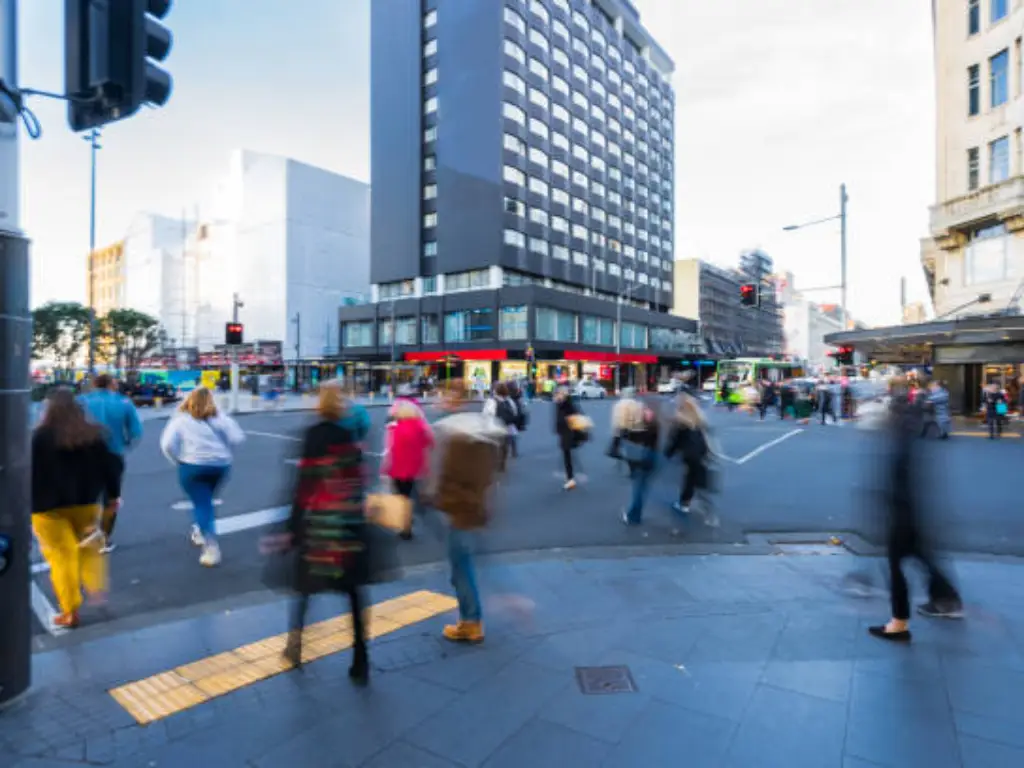
بمجرد الانتهاء من إجراءات تقسيم المناطق، قم بتقييم الموقع بناءً على وقت الزجاج الأمامي. يُعد هذا مؤشراً بالغ الأهمية لأي موقع يعتمد على حركة مرور المركبات. ويشير مصطلح «وقت الرؤية من الزجاج الأمامي» إلى العدد الدقيق للثواني المتاحة للسائق لرؤية لافتتك، وإدراك رغبته في تناول الطعام، وتغيير حارة السير بأمان، والدخول إلى موقف سياراتك. ويُشترط توفر ما لا يقل عن 5 إلى 8 ثوانٍ لإتمام عملية التحويل بأمان. ولهذا السبب، فإن سياق الموقع يكتسي أهمية بالغة. قارن بين وحدة جذابة من الناحية الجمالية ولكنها مخفية قليلاً في الطابق السفلي لمركز تسوق من الفئة «أ» ومبنى قديم نسبيًا من الفئة «ب» يقع على زاوية شارع ويتمتع برؤية ممتازة لللافتات وإمكانية خدمة «القيادة من السيارة». بالنسبة لأي مشروع في مجال الوجبات السريعة، فإن الموقع على زاوية الشارع من الفئة «ب» يفوز في كل مرة لأن الرؤية المادية تعمل بشكل فعال كقناة تسويقية تحقق أعلى عائد على الاستثمار.
التعامل مع الجوانب القانونية والتراخيص وقوانين الصحة
ستكون البيروقراطية أول عقبة عملية حقيقية تواجهك. ويتطلب التعامل مع الإطار القانوني اتباع نهج تسلسلي زمني، حيث إن العديد من التراخيص تعتمد كليًّا على عقد الإيجار الموقع وعنوانك الفعلي المحدد.
فيما يلي التسلسل الذي لا مجال للتفاوض عليه فيما يتعلق بالامتثال الإداري:
- تأسيس الكيان ورقم التعريف الضريبي (EIN): قم بتسجيل شركتك ذات المسؤولية المحدودة (LLC) أو شركتك المساهمة واحصل على رقم تعريف صاحب العمل (EIN) من مصلحة الضرائب الأمريكية (IRS). لا يمكنك فتح حساب مصرفي تجاري أو توقيع عقد إيجار تجاري دون الحصول على هذا الرقم.
- شهادة ServSafe للمديرين: قبل أن تنظر وزارة الصحة حتى في المخططات الأرضية الخاصة بكم، يجب أن يجتاز شخص واحد على الأقل من فريق الإدارة لديكم امتحان مديري سلامة الأغذية المعترف به على المستوى الوطني.
- تصريح تصريف الدهون والزيوت والشحوم (FOG): انتبه جيدًا هنا. هذا هو الفخ الذي يقع فيه 90% من المبتدئين. إذا كانت قائمة طعامك السريع تتضمن القلي أو الشواء بكثرة، فستشترط البلدية تركيب مصفاة شحوم (Grease Trap) من النوع التجاري. وإذا وقّعت عقد إيجار لمساحة تجارية قديمة دون التحقق مما إذا كانت شبكة الصرف الصحي البلدية قادرة على استيعاب مصيدة شحوم عالية السعة، فقد تواجه تكاليف تصل إلى عشرات الآلاف من الدولارات لتجديدات مفاجئة في شبكة الصرف الصحي، أو ما هو أسوأ من ذلك، قد تُحرم بشكل دائم من الحصول على ترخيص التشغيل من وزارة الصحة.
- التفتيش الذي تجريه وزارة الصحة قبل الافتتاح: ويتطلب ذلك تقديم قائمة الطعام الخاصة بك، وورقات مواصفات المعدات، والرسومات المعمارية الخاصة بك للمراجعة قبل بدء أي أعمال بناء.
التحليل المالي لمطعم سريع الخدمة (QSR) مربح
أخطر وهم يواجهه صاحب مطعم مبتدئ هو الاعتقاد بأن إيرادات المبيعات اليومية، بعد خصم الإيجار الشهري، تساوي الربح الصافي الذي يحصل عليه. فصناعة الوجبات السريعة هي لعبة تعتمد على كل قرش، وعدم التحكم الصارم في المؤشرات المالية سيؤدي إلى الفشل السريع.
"According to data surrounding the National Restaurant Association, over 60% of new restaurants fail within their first year. The fatal blow is rarely terrible food; it is almost universally a sudden and catastrophic collapse of cash flow."
Calculating Your True Prime Cost
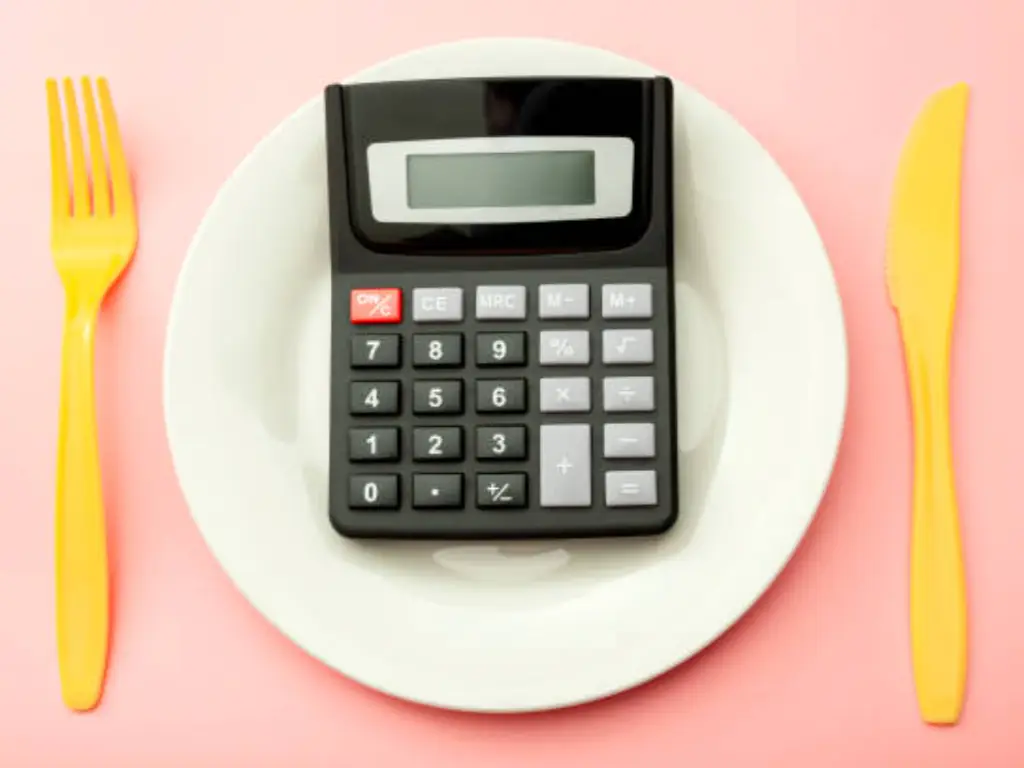
Your financial compass is your Prime Cost. This is the absolute sum of your Cost of Goods Sold (COGS—food and beverage inventory) plus your Total Labor Cost (including payroll taxes, benefits, and management salaries). The ironclad rule of the QSR industry is that your Prime Cost must never exceed 60% of your gross sales.
Let’s run a practical sandbox scenario for a fried chicken sandwich shop. If your signature combo meal sells for $10.00, your allowable Prime Cost is $6.00. If breaking down that meal reveals $3.00 in raw ingredient costs (COGS) and requires $3.00 in allocated labor time to produce and serve, you are exactly at the red line. If poor portion control or overtime pushes that cost to $6.50 (65%), your store is chronically bleeding out before you even pay rent, utilities, marketing, or insurance.
The 90-Day Cash Flow Survival Buffer
Visualizing your early-stage finances as a "bathtub model" is highly effective. The faucet (your daily revenue) will be violently unpredictable during the first three months, but the drain (fixed costs like rent, insurance, and core salaried staff) is wide open and flowing steadily. After your "Grand Opening Honeymoon" phase, foot traffic will naturally plummet as the initial hype fades. You must prepare a Working Capital buffer specifically designed to cover 90 days of fixed expenses.
A fatal trap many beginners fall into is destroying this cash buffer by hoarding inventory. In a desperate attempt to lower unit costs, a rookie owner might purchase a six-month supply of dry goods or packaging upfront. This is financial suicide. Never trade your life-saving working capital for a 2-cent discount per unit. The smartest operators aggressively seek out flexible supply chain partners that offer low Minimum Order Quantities (MOQs), allowing them to keep cash in the bank to fund localized marketing and weather the inevitable slow weeks.
Menu Engineering and the 3.5x Pricing Rule
Your menu is not a chef's artistic canvas; it is a ruthless profit-hacking tool. Every single item listed is a binding contract that forces you to source, store, prep, and assemble specific ingredients under immense time pressure.
A highly profitable QSR menu is built on the principle of الاستخدام المتبادل. A masterfully engineered fast food menu ensures that 80% of the visible customer offerings are built from just 20% of your core raw ingredients. For example, do not introduce an expensive, highly perishable artisan lettuce that is only used for one specific side salad. Instead, take your premium, high-volume crispy chicken fillet and deploy it across a flagship sandwich, a sliced chicken wrap, and a premium protein salad bowl. This minimizes prep time, drastically reduces inventory spoilage, and simplifies purchasing.
When it comes to setting menu prices, rely on the 3.5x Mark-up Rule as your baseline anchor. To achieve a healthy 28.5% food cost percentage, you must price the item at approximately 3.5 times the cost of its raw ingredients. If that chicken wrap costs $2.40 to assemble, the minimum viable menu price should be $8.40. If the local market cannot bear an $8.40 price tag, you do not lower the price—you re-engineer the wrap with more cost-effective ingredients.
Equipment Sourcing and Tech Specs
We now bridge the critical gap between your paper menu and your physical kitchen footprint. The specific SKUs you finalized in the previous step entirely dictate your heavy equipment sourcing, which in turn dictates your required square footage and construction budget.
Choosing the wrong equipment specs can instantly cripple your operational flow. You must evaluate commercial kitchen gear based on high-volume capability and infrastructure demands. Let’s look at the financial impact of frying versus baking.
If your menu relies heavily on deep-fried items (fries, chicken, churros), you trigger the immediate need for a massive commercial fryer bank. More importantly, this triggers building code requirements for a Type 1 Commercial Exhaust Hood and Make-Up Air System to handle grease-laden vapors. Installing a Type 1 hood system can easily cost upwards of $1,000 to $1,500 per linear foot in ductwork, structural reinforcement, and fire suppression systems. Conversely, if you engineer your menu around high-speed impingement ovens or utilize advanced Ventless Fryer technology, you can bypass this massive capital expenditure entirely, allowing you to operate in a much smaller, non-traditional real estate footprint.
Kitchen Workflow: Designing for Seconds, Not Minutes
If you view your back-of-house operations as a traditional kitchen, you have already lost. A fast food kitchen is an industrial manufacturing assembly line. In the modern QSR landscape, the industry benchmark for Order-to-Delivery (the moment the customer pays to the moment the bag is in their hand) must be ruthlessly compressed to 180 to 240 seconds. Every extra step your staff takes is a leak in your throughput potential.
The Assembly Line Kitchen Layout
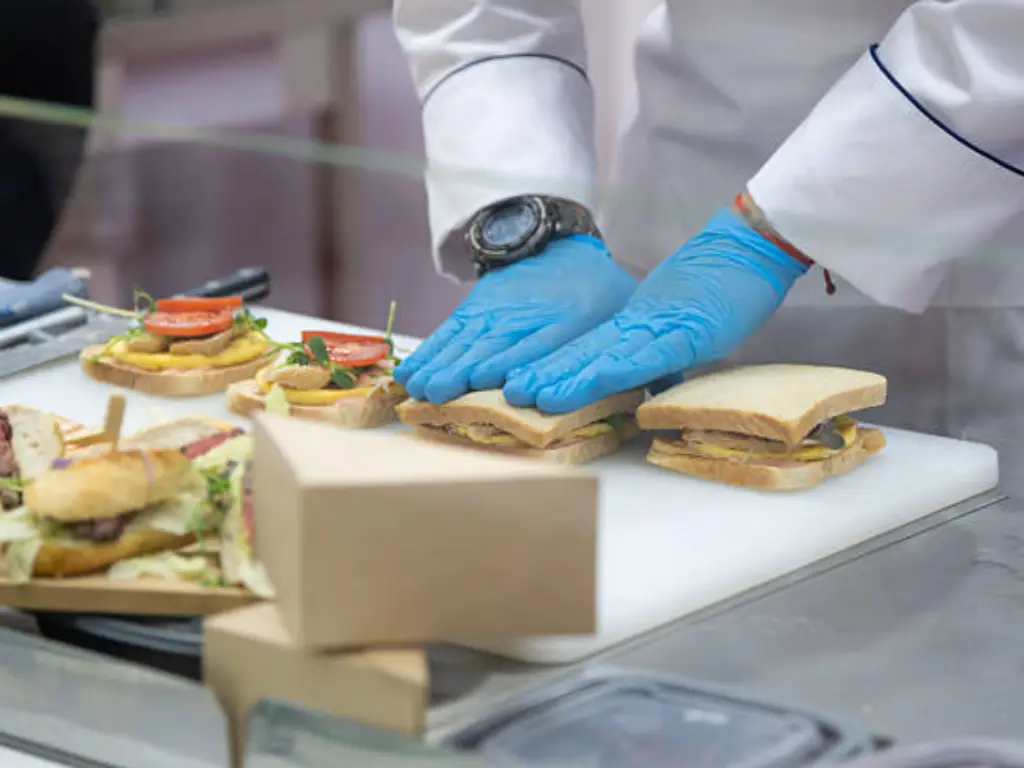
Based on the heavy equipment specs you finalized, you must now design a unidirectional physical layout heavily rooted in Ergonomics. Every time an employee has to pivot 180 degrees, bend down to grab a bun, or cross paths with another worker, you lose seconds. Multiply those lost seconds by 300 orders during a Friday lunch rush, and your kitchen will physically collapse into a backlog.
Take a standard burger build: the physical layout must dictate a straight-line progression. The toaster drops the bun, the station seamlessly slides to the sauce and garnish rail, immediately meets the grill/protein holding cabinet, and terminates directly at the packaging station. There is zero backtracking. The food moves forward; the employees stay planted in their optimized zones.
POS to KDS Integration (The Digital Brain)
The physical layout requires a digital brain to match its speed. You must entirely eradicate traditional paper ticket printers. Paper tickets get lost, dropped in grease, and force your cooks to read ahead and manually group items.
Deploying a Kitchen Display System (KDS) integrated seamlessly with your Point of Sale (POS) and third-party delivery APIs (like UberEats or DoorDash) is non-negotiable. When an order is placed, the KDS instantly dissects it: sending the fries to the fry-station monitor and the burger to the grill monitor simultaneously, perfectly timing the drop so both items hit the bagging station hot at the exact same second. This eliminates human error and guarantees order synchronization.
The Hidden Margin Killer: Packaging and Consumables Strategy
This is the blind spot that wipes out most independent operators. Beginners treat food packaging as an afterthought—a line item where they can shave off a few cents by buying generic, unbranded containers from a local cash-and-carry. In reality, your packaging is your strongest legal defense, your primary customer retention tool, and a critical component of your Total Cost of Ownership (TCO).
The Legal Minefield: PFAS and Plastic Bans
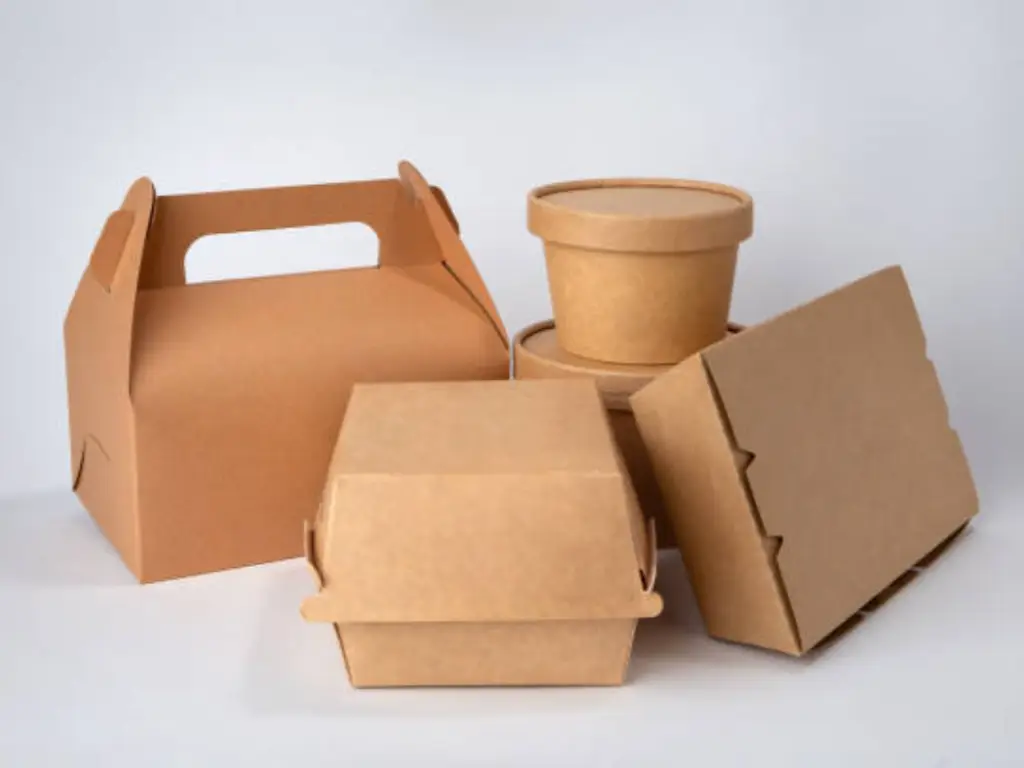
Across North America and Europe, legislation is aggressively banning PFAS (forever chemicals) and single-use plastics. Sourcing cheap, non-compliant packaging from unverified wholesalers exposes your business to massive fines and sudden operational shutdowns. You must partner with source manufacturers who hold globally recognized certifications like FDA, LFGB, FSC, and BRC, offering compliant alternatives like PLA-lined or Bagasse (sugarcane) containers.
The TCO Reality Check: The Cost of a Leak
Let’s calculate the true financial impact of "cheap" packaging. Imagine saving $0.05 on a generic soup bowl. During delivery, the lid pops off, spilling hot liquid into the bag. You don't just lose the $0.05. You are forced to refund the entire $15.00 order, you lose the customer forever, and you take a 1-star review on DoorDash—which triggers algorithmic demotion, burying your restaurant on the app. Is saving five cents worth losing a $15 order and future visibility?
This is why international giants like Burger King and Tim Hortons partner with elite packaging manufacturers like الطريق. To prevent delivery disasters, YoonPak utilizes a zero-defect quality control system, conducting hourly production inspections. If a single cup in a batch shows leakage, the entire production run since the last successful test is destroyed. Paying a fraction of a cent more for this level of manufacturing paranoia guarantees your food arrives intact, protecting your margins from crippling refund rates.
Supply Chain Reality for Startups
A massive misconception is that premium, custom-branded packaging requires you to tie up all your cash in millions of units. Smart supply chain partners understand startup physics. YoonPak, despite having a massive 16-billion-unit annual capacity, offers incredibly flexible testing runways. Startups can run a 10,000-piece pilot (if covering freight) or a standard 50,000 to 100,000 unit MOQ to launch their custom branding.
More importantly, as you scale to your second and third locations, they provide شهر واحد من التخزين المجاني. وهذا يتيح لك الحصول على أسعار الجملة المباشرة من المصنع دون إثقال كاهل مساحة التخزين الفعلية في مطبخك أو استنزاف احتياطي التدفق النقدي الضروري لمدة 90 يومًا. ستحصل على نماذج رقمية في غضون 24 ساعة، والتسليم في غضون 3 إلى 6 أسابيع، وحضور للعلامة التجارية على مستوى ستاربكس منذ اليوم الأول.
التوظيف والتدريب والعد التنازلي لبدء التشغيل الذي يستمر 14 يومًا
بعد الانتهاء من تجهيز مطبخك، وحساب تكاليف قائمة الطعام، وتخزين عبواتك الفاخرة، تكون جاهزًا لافتتاح المطعم. ومع ذلك، فإن فتح أبوابك للجمهور دون اتباع خطة إطلاق تدريجية هو وصفة مؤكدة لحدوث أزمات تشغيلية. لذا، يجب أن تتبع خلال الأسبوعين الأخيرين قبل الافتتاح خطة عد تنازلي صارمة ومنضبطة لتكوين «ذاكرة عضلية».
- اليوم -14: اختبار تحمل الأنظمة. لا يتم طهي أي طعام. العملية رقمية بالكامل. تقوم بإرسال طلبات وهمية عبر نظام نقاط البيع (POS) ومنصات الويب ونظام توزيع الطلبات (KDS) لضمان توجيه كل طلب إلى محطة المطبخ الصحيحة، والتأكد من أن سعة النطاق الترددي للإنترنت قادرة على تحمل الحمل.
- اليوم السابع قبل الموعد: اختبار التحمل الداخلي. هنا تكمن عملية اختبار قدرة المطبخ على تحمل الضغط. تتصرف الإدارة كأصعب العملاء وأكثرهم تطلبًا على الإطلاق. تقوم عمداً بتقديم طلبات معقدة ومتطلبة للغاية خلال فترة ذروة محاكاة. والهدف هو تحديد نقاط الضعف في خط التجميع وتصحيح الحركات المادية قبل أن يلاحظها أي عميل حقيقي.
- اليوم الثالث قبل الافتتاح: الافتتاح التجريبي. تقتصر الدعوة على الأصدقاء والعائلة والبائعين المحليين فقط. وعلى عكس اختبار التحمل الداخلي، فإن الهدف هنا هو تحقيق سلاسة تامة. فأنت تريد أن يتعامل الموظفون مع تدفق مستمر وسهل التحكم فيه من الزبائن الحقيقيين، وذلك لتعزيز ثقتهم بأنفسهم. وهذا يؤكد دقة أوقات الاستعداد لديك ويثبت صحة سير عمل عملية التغليف.
بحلول موعد الافتتاح الكبير، لن يكون فريقك في حيرة من أمره؛ بل سيكون ببساطة منشغلاً بتنفيذ عملية تصنيع مربحة تم التدريب عليها بشكل مكثف.




 English
  German
  Spanish
  Italian
  Dutch
Dutch  French
  Portuguese
  Russian
  Arabic
  Korean