

مقدمة
The moment bread comes out of the oven, it starts to change its soft and airy crumb into a dry and unappetizing one. To any person who cares about the quality of his/her bake, storage is a battle against moisture loss and chemical staling. The argument usually subsides into two camps the traditional bread box and the versatile bread bag. Although they both purport to increase shelf life, they work on different principles of humidity control and material science. This discussion examines the effects of these two approaches on crust integrity and moisture retention to enable you to determine the most appropriate storage solution to use in your environment to effectively freeze the clock on freshness.
The Freshness Factor: Box vs. Bag Experiment
The most significant and the most basic question in this case is, which of the two methods is more successful in preserving the most valuable qualities of a loaf of bread? To aid in answering this, we shall recall that there are three fundamental factors that contribute to the staling of bread. Loss of moisture, alteration of starch structure and mold growth should be taken into consideration.
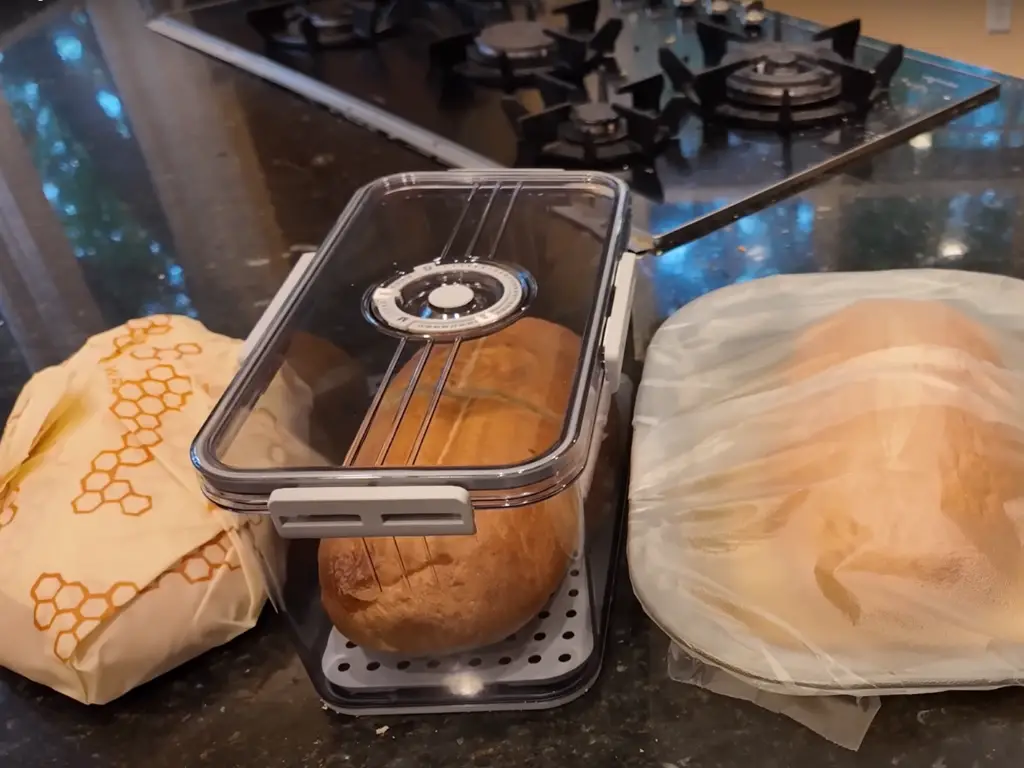
Moisture Retention: What Container Wins?
Bread keeps going stale because of the continuous depletion of moisture. When a loaf of bread is taken out of the oven, the water in the bread starts to dehydrate, leaving the interior, going to the outside, and then evaporating. When dehydrated, crumb becomes harder and loses its texture. It is crucial for the bread holder to preserve the most important ingredient, which is water.
A good thing about the design of a bread bin (or breadbox) is that it serves as a much more closed container than a bread bag. It helps to trap moisture that the bread emits, enabling the formation of a localized microclimate. The increase in moisture within the microclimate lowers the air vapor pressure and retards the rate of moisture evaporation from the bread box, in turn aiding in bread moisture retention. Nevertheless, factors like the box material and lid closure tightness affect water retention enablement. Loosely sealed boxes allow for increased air exchange thereby leading to greater loss of moisture in comparison to a firmly sealed box.
On the other hand, the bag a loaf of bread comes in, usually either cloth or plastic, is much less controlled. While it does provide some resistance to the open air, it is much more porous than a bread box. Cloth bags, though breathable, can also evaporate moisture much more efficiently. If plastic bags are sealed tightly, they capture moisture. However, which creates a less than favorable outcome, which we will get to in a moment, and that is crust turning soft.
To go beyond theory, we did a 7-day test of the same slices of sourdough in a traditional bread box, a breathable linen bag, and a non-breathable plastic bag. By Day 3, the findings indicated obvious moisture and texture trade-offs. The bread box was the most balanced, with 14 percent more weight of moisture than the linen bag. The linen bag, on the contrary, admitted of a better airing, but produced a much firmer and drier crumb. The plastic bag, although it was working well in trapping all the moisture, it lost all the crust integrity.
Maintaining the Perfect Crust: Box or Bag?
Artisan loaf aficionados pay equal attention to the crust of the bread as they do to the interior. The perfect crust is one which is crisp and snaps while the achieves providing a gentle interior. This is where subtle details regarding storage become extra important. Many individuals ignore these factors at times.
While it is true that a sealed bag is no doubt effective at maintaining moisture, it is effective at ruining crusts at the same time. The shredded moisture is steaming the crust which causes it to lose its desirable abilities to snap and turns chewy or even soggy instead. When bread is supposed to have a crisp crust, this outcome is sad.
The bread box’s design provides some degree of ventilation, which allows moist air to escape and prevents the bread crust from becoming too soft. By ensuring the surface isn’t overly moistened, it is able to maintain some crispness. The doughy portion of bread is kept moist while the crust is given an opportunity to breath. This type of ventilation is termed controlled, and it is necessary for there to be a sufficient amount of air flow to prevent the entire loaf from getting to dry, while also making sure that there isn’t too much air flow that will create the same issues as having a plastic bag.
A cloth bag makes it much easier for moisture to escape, which makes it easier to maintain a crust in moist environments. These types of fabrics are useful for allowing the crust to remain hard without getting too soft. However, if the environment is very dry, the crust has a higher chance of turning hard and losing its chewable softness.
Guarding Against Mold: A Crucial Factor
In addition to concerns of staleness and textural degradation, the appearance of mold is another challenging problem related to bread storage. Mold spores are all over the place, including the air we breathe. Given the right conditions, warmth and moisture, these tiny organisms are likely to take over a loaf of bread by making it unsuitable for consumption and dangerous for one’s health due to the mycotoxins that can be produced.
Bread boxes prevent excess mold because they have moisture which is required to aid in the growth of mold. The controlled environment within the box, plus a little evaporation, helps prevent excessive moisture. The crucial part is ensuring the box is dry before bread is stored in it. If it is not washed regularly, a bread box can accumulate crumbs which aid in the growth of mold and get out of control. Contained mold can lead to bread being stored inside it to be contaminated and suffer from mold.
Sealed plastic bags illustrate a curious scenario with regards to preventing mold. They do a fantastic job retaining moisture, which helps in stalling the bread from going stale. However, moisture is also trapped within the bags which creates a warm and humid environment, where mold spores can germinate and grow. Sealing a loaf of bread, especially if it is even slightly warm, along with some residual moisture in a plastic bag greatly increases the chances of mold developing at an accelerated rate.
Cloth bags can help regulate moisture level for the bread because they are breathable. However, if they are not cleaned frequently, these bags can also absorb moisture, creating an environment for mold spores to thrive.
In order to demonstrate a detailed background of the freshness factor, we shall revisit and revise our comparison table:
| مقال مميز | صندوق الخبز | Bread Bag (Cloth) | Bread Bag (Plastic, Sealed) |
| Moisture Retention | Generally good; creates a humid microclimate that slows down the rate of moisture loss from the crumb. | Less effective than a bread box; allows for greater evaporation of moisture, potentially leading to faster drying. | Can retain moisture very effectively, sometimes leading to a softer crust due to trapped humidity. |
| Crust Crispness | Helps maintain due to controlled, often slight, ventilation that prevents excessive moisture buildup on the surface. | Can maintain in environments with moderate humidity due to breathability; may lead to a harder crust in very dry conditions. | Often leads to a significant softening or even sogginess of the crust due to the trapping of moisture that steams the surface. |
| Mold Prevention | Generally good when the box is kept clean and dry; controlled atmosphere and limited direct airflow hinder spore proliferation. | Better than sealed plastic due to breathability, which prevents excessive humidity buildup; requires regular washing to avoid harboring mold spores. | Can significantly increase the risk of mold growth due to the creation of a warm, humid environment, especially with inadequate airflow. |
| Overall Freshness | Often provides the best overall balance of moisture retention for a soft crumb and controlled airflow for maintaining crust integrity. | Best suited for shorter storage periods and for breads where maintaining a very crisp crust is not paramount. | Best suited for very short-term storage when crust texture is not a primary concern, or specifically for freezing bread to prevent freezer burn. |
Material and Design Matters: How They Affect Freshness
Bread boxes and bread bags are also effective in terms of preserving bread and their usefulness highly relies on the material they are constructed of and their design.
Bread Boxes: Metal to Wood, Design Insights
Every material has its metallurgical advantages and deficiencies. For instance, metal (mostly stainless steel) boxes are comparatively easy to clean and more durable. Some believe that they do as good of a job as any in keeping external factors at bay. Wooden bread boxes not only give a rustic feel but also add charm to the kitchen while also providing some degree of insulation. There are ceramic and enamel bread boxes too, usually valued for their decorative appeal. Last but not least, plastic bread boxes are widely known for being the most cost-effective, although they are likely to differ in keeping moisture content.
There are details that matter. Some bread boxes are designed with ventilation holes or gaps which assist in air circulation and avert excessive moisture buildup. Others feature close-fitting lids which tend to seal off the air more effectively. Another aspect of the design concerns the proportions – a bread box must be spacious enough to contain the bread without squeezing it, while allowing a little air circulation around the loaf.
Bread Bags: Cotton, Linen, and Beyond
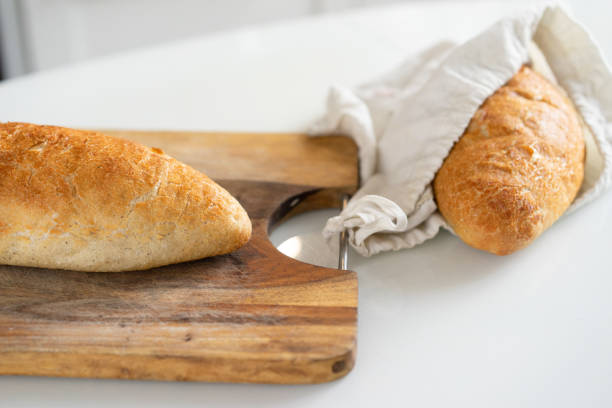
Just like every other product, bread bags are also available in a variety of materials. The most commonly used are the cotton and linen bags because they are highly breathable and made from natural fibers. Moreover, these bags are often reusable and easy to wash, making them great for the environment. Nevertheless, as previously pointed out, their breathability may not be favorable in extremely dry regions.
As a convenience, bakeries often select from specific أنواع الأكياس الورقية which provide short term protection from external factors such as moisture and bacteria. Although standard paper bags are breathable, they are generally inappropriate for preserving bread for long periods of time. While trapping moisture is easier in plastic bread bags, be it the original packaging or a resealable bag, it is difficult to manage crust softness, and mold growth if not taken care of. Some modern bread bags are made with specialized materials that try to escape the tradeoff between moisture retention and breathability.
Pros and Cons: Bread Box Versus Bread Bag at a Glance
ولتسهيل اختيارك قليلاً، يلخص الجدول التالي المزايا والعيوب الرئيسية لكل خيار:
| مقال مميز | صندوق الخبز | كيس الخبز |
| المزايا | – احتفاظ أفضل بالرطوبة (بشكل عام) | – أكثر قابلية للحمل وأخف وزنًا |
| – يساعد في الحفاظ على قرمشة القشرة | – يشغل مساحة تخزين أقل عندما لا يكون قيد الاستخدام | |
| – يوفر حماية أفضل للأرغفة الرقيقة | – قد تكون أسعارها معقولة أكثر | |
| – يمكن أن يضفي لمسة جمالية على المطبخ | – مناسب للتخزين لفترات قصيرة وللتجميد | |
| العيوب | – قد تكون كبيرة الحجم وتشغل مساحة على سطح العمل | – أقل فعالية في الاحتفاظ بالرطوبة على المدى الطويل |
| – عادةً ما تكون أكثر تكلفة | – قد لا تحمي القشرة بنفس الدرجة من الفعالية | |
| – يحتاج إلى تنظيف | – يجب غسل الأكياس القماشية بانتظام | |
| الأفضل لـ | للاستخدام المنزلي اليومي ولخبز الخبز المصنوع يدويًّا. مثالي للخبز المصنوع من العجين المخمر أو الخبز ذي القشرة المقرمشة، حيث يُعد الحفاظ على التوازن بين القوام الناعم من الداخل والقشرة المقرمشة من الخارج أولوية. خيار رائع للمطابخ التي تتوفر فيها مساحة مخصصة على سطح العمل. | المطابخ الصغيرة والاحتياجات قصيرة الأجل. مثالية لمن لديهم مساحة محدودة، أو لتقديم المخبوزات الطازجة كهدايا، أو لتجميد الخبز. وهي الأنسب للأرغفة اللينة أو الخبز الذي سيتم استهلاكه في غضون يوم إلى يومين. |
ميزة Yoonpak: أكياس خبز ورقية مستدامة لضمان أقصى درجات النضارة وتعزيز العلامة التجارية
سواء كنت تتحدث عن السلامة الهيكلية لصندوق الخبز أو سهولة حمل كيس الخبز، فإن الهدف هو الحفاظ على طعم الخبز الطازج كما لو كان قد خرج للتو من الفرن، والترويج لعلامتك التجارية. باعتبارنا إحدى الشركات الرائدة في هذا المجال مصنعو الأكياس الورقية من نوع كرافت، وقد أمضينا في «يونباك» 25 عامًا في صقل هذا التوازن لصالح شركات رائدة عالمية مثل «برغر كينغ» و«تيم هورتونز».
تُعد حلول التغليف التي نقدمها الحل الأمثل الذي يجمع بين الأداء العالي والاستدامة. تُصنع أكياسنا وصناديقنا من مواد متجددة 100%، مثل البولي لاكتيد (PLA) النباتي وقصب السكر، وتحتوي على بطانات مانعة للتسرب 100%، كما تُطبع بأحبار مصنوعة من فول الصويا وصديقة للبيئة. تشمل شهاداتنا اعتمادات BRC وFSC وFDA وLFGB، مما يضمن أن تغليفكم يفي بأعلى المعايير العالمية في مجال سلامة الأغذية.
بالإضافة إلى النضارة، نحول عبواتك إلى إعلان متنقل. بفضل التخصيص البارع، سيصبح خبزك أداة تسويقية تنقل شعارك من المخبز إلى الشارع. مع ضمان الجودة لمدة عام واحد، والمساعدة الاحترافية على مدار الساعة طوال أيام الأسبوع، والعينات المجانية، توفر «يونباك» الضمان الذي يمكنك الاعتماد عليه لجعل علامتك التجارية نضرةً تمامًا مثل الخبز الذي تخبزه.
اختيار طريقة التخزين المناسبة لنوع الخبز الذي لديك
يكمن سر الحفاظ على نضارة الخبز في الحفاظ على ظروف التخزين متوافقة مع الخصائص البيولوجية الخاصة بالرغيف.
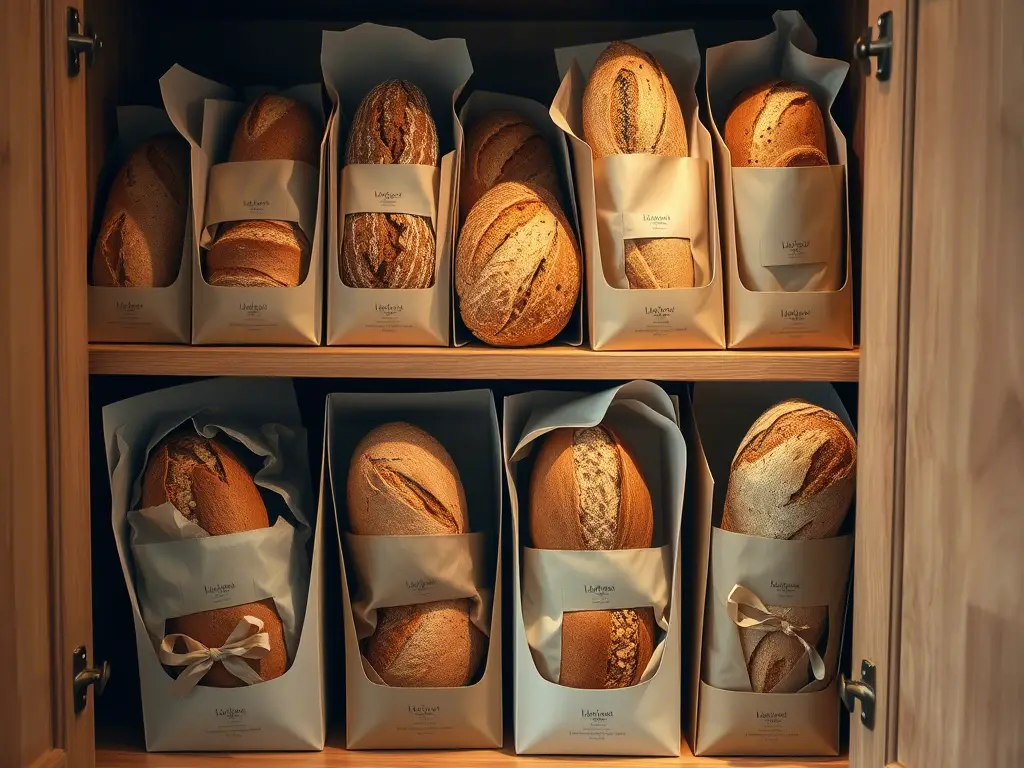
في حالة أرغفة الخبز الحرفي والخبز المصنوع من العجين المخمر، التي تتميز بقشور سميكة ومقرمشة، فإن الهدف هو ضمان توازن دقيق بين الرطوبة وتدفق الهواء. أفضل خيار في هذه الحالة هو كيس ورقي مسامي أو صندوق خبز عالي الجودة. تسمح هذه الأساليب بتبادل غازي كافٍ للحفاظ على رطوبة اللب الداخلي دون امتصاص القشرة للرطوبة بشكل مفرط. من الخطأ حفظ هذه الأرغفة في أكياس بلاستيكية لأنها ستحتفظ بالرطوبة على السطح، وفي غضون وقت قصير ستتحول القشرة الصلبة إلى غلاف مطاطي وغير جذاب.
يُعتبر الكيس الورقي أو صندوق الخبز الخشبي الخيار الأمثل عندما يتعلق الأمر بالخبز المصنوع منزليًّا، على الرغم من أن وعاء التعبئة ليس بنفس أهمية توقيت التعبئة. فأرغفة الخبز المصنوعة منزلياً معرضة بشدة للتكثف لأنها لا تحتوي على مواد مثبتة صناعية. يجب ترك الرغيف ليبرد على رف شبكي لمدة ساعتين أو ثلاث ساعات على الأقل قبل تعبئته. فعندما تقوم بتعبئته وهو لا يزال دافئاً ولو قليلاً، سيؤدي البخار المحبوس بداخله إلى إحداث تأثير الدفيئة، مما يؤدي إلى قوام طري وبيئة مثالية لنمو العفن.
على العكس من ذلك، فإن الخبز المقطّع الذي يُباع في المتاجر يحافظ على جودته في نفس البيئة التي تدمر أرغفة الخبز المصنوعة يدويًّا. فقد تم تطوير هذه الأنواع من الخبز باستخدام مواد مستحلبات ومواد حافظة تضمن بقاء النشا طريًّا في بيئة محكمة الإغلاق. وتُعد العبوة البلاستيكية الأصلية في الواقع أفضل حماية لها من الجفاف، نظرًا لعدم وجود قشرة صلبة واقية. أما التهوية التي يوفرها صندوق الخبز في هذه الحالة بالذات، فهي ذات فائدة محدودة، بل وقد تؤدي في الواقع إلى تلف الشرائح بشكل أسرع. تُعد الثلاجة أو الفريزر أكثر كفاءة بكثير من صندوق الخبز في التخزين طويل الأمد، حيث تُستخدم درجة الحرارة المنخفضة (التجميد) أو البيئة المغلقة (التبريد) لتخزين الخبز، وتُستخدم التركيبة الكيميائية للخبز لمنع تلفه.
كيف يؤثر المناخ المحلي على طريقة التخزين؟
تُعد بيئة مطبخك عاملاً مهمًا يؤثر على أداء صندوق أو كيس حفظ الخبز. ولتجنب خيبة الأمل، عليك تعديل خطة التخزين وفقًا للظروف المناخية في منطقتك.
- المناطق الرطبة: قد يشكل صندوق الخبز مشكلة في المناطق الساحلية أو خلال موسم الرياح الموسمية أو موسم الأمطار الغزيرة. فقد يتحول إلى بيئة مواتية لتكاثر العفن في غياب التهوية المناسبة. إذا كنت في مكان رطب، فابحث عن صندوق خبز مزود بفتحات يمكن ضبطها لتوفير التهوية. وبدلاً من ذلك، قد تكون الحقيبة المصنوعة من قماش مسامي خيارًا أفضل، لأنها تمنع الرطوبة من التراكم حول رغيف الخبز.
- المناطق الجافة: عندما تكون في المناطق الداخلية أو عند استخدام التدفئة الداخلية التي تزيل الرطوبة من الهواء، سيصبح الخبز صلبًا كالصخر بين عشية وضحاها. صندوق الخبز هو أفضل خيار لك في مثل هذه الظروف. إحدى الحيل التي كانت تستخدمها الجدات عمليًا في مثل هذه الحالات هي وضع نصف تفاحة أو عود صغير من الكرفس في صندوق الخبز. ستمتص الرطوبة المنبعثة من هذه الخضروات تدريجيًا في الخبز، وسيبقى الخبز صالحًا لمدة إضافية تتراوح بين 24 و48 ساعة دون إضافة رطوبة إليه بدرجة تجعله يتعفن.
أسرار النظافة: الحفاظ على خزانتك خالية من العفن
من المهم أيضًا الحفاظ على بيئة التخزين معقمة لضمان بقاء الخبز صالحًا لفترة أطول، فحتى أكثر الحاويات فعاليةً لا يمكنها منع نمو العفن في حال احتوائها على بعض الملوثات الخفية. المصدر الرئيسي لجراثيم العفن هو فتات الخبز القديمة، فهي تحتفظ بالرطوبة وتشكل مصدر غذاء لنمو الفطريات. وسيساعد تنظيفها أسبوعيًا على تجنب التلوث المتبادل لرشفة الخبز الطازجة.
يُستخدم الخل الأبيض المخفف للحفاظ على تعقيم صندوق الخبز الخاص بك. وهو مطهر طبيعي وآمن للاستخدام الغذائي، وفعال في قتل الجراثيم دون ترك أي بقايا كيميائية قاسية أو روائح يمتصها الخبز بسهولة. ستصبح البيئة معقمة بمسح سريع مرة واحدة على الأقل أسبوعياً. في حال استخدام أكياس قماشية، تجنب غسلها باستخدام منظفات معطرة. فالخبز مسامي للغاية، وبالتالي سيمتص الروائح الزهرية أو الصابونية من القماش بسهولة شديدة. وأخيراً، تأكد من جفاف أي كيس تماماً قبل إعادة استخدامه، لأن أي رطوبة متبقية في الألياف تشكل دعوة مفتوحة للعفن للاستقرار في رغيفك التالي.
ما وراء التخزين: نصائح أخرى للحفاظ على نضارة الخبز لفترة أطول
بغض النظر عما إذا كنت تفضل صندوق الخبز أم كيس الخبز، فهناك العديد من الاعتبارات والطرق المهمة التي يمكن أن تؤثر بشكل كبير على مدة بقاء الخبز طازجًا.
- اتركها تبرد تمامًا قبل تخزينها: هذه قاعدة أساسية. احرص دائمًا على أن يبرد الخبز تمامًا حتى يصل إلى درجة حرارة الغرفة قبل وضعه في أي وعاء. فإذا تم تخزين الخبز وهو دافئ، فسوف يطلق رطوبة قد تتكثف داخل الصندوق أو الكيس، مما قد يخلق بيئة مواتية لتكاثر العفن، فضلاً عن تسريع عملية جفاف الخبز.
- تظل الأرغفة الكاملة طازجة لفترة أطول: يبدو أن أرغفة الخبز الكاملة، التي لم تُقطع بعد، تحافظ على نضارتها لفترة أطول مقارنة بالخبز المقطّع مسبقًا. فالرغيف، بقشرته السليمة، يعمل كحاجز وقائي يمنع جفاف اللب الداخلي. وإذا كنت تشتري أو تخبز خبزًا مقطّعًا، فاحرص قدر الإمكان على إبقاء حواف القطع متقاربة قدر الإمكان.
- درجة حرارة الغرفة هي الأفضل عمومًا: في معظم الحالات، ينبغي تخزين الخبز في درجة حرارة الغرفة، ما لم تُعطَ تعليمات محددة بخلاف ذلك بالنسبة لأنواع معينة من الخبز، أو في حالة ارتفاع درجة الحرارة والرطوبة بشكل مفرط. قد يبدو هذا غير منطقي، لكن تخزين الخبز في الثلاجة يؤدي في الواقع إلى تسريع معدل خروج النشا من حالة التجلط، مما يتسبب في تلف الخبز بشكل أسرع.
- تجنب التعرض المباشر لأشعة الشمس والحرارة: للحفاظ على نضارة الخبز، احفظه في مكان بارد وجاف، مع الحرص على عدم وجود أفران تحميص أو أشعة الشمس مباشرةً بالقرب منه. فعندما يتعرض الخبز للحرارة وأشعة الشمس معًا، قد يجف بسرعة ويفقد جودته.
- التجميد من أجل التخزين لفترات طويلة: إذا كنت تعلم أنك لن تستخدم الخبز لعدة أيام، فإن تجميده يعد حلاً رائعًا للحفاظ على نضارته لفترة أطول. لتجميد الخبز، قم بلفه بإحكام في غلاف بلاستيكي أو ورق قصدير لمنع حدوث «حروق التجميد»، ثم ضعه داخل كيس تجميد أو وعاء محكم الإغلاق. وعندما ترغب في استخدام الخبز، ما عليك سوى إخراجه وتركه يذوب إما في درجة حرارة الغرفة أو في الفرن.
- نظف مساحة التخزين الخاصة بك بانتظام: سواء اخترت صندوق الخبز أو فضلت استخدام أكياس الخبز، يجب أن تحرص على تنظيف كلا الخيارين بانتظام. بالنسبة لصندوق الخبز، امسح أجزائه الداخلية للتخلص من فتات الخبز وأي بكتيريا محتملة. أما بالنسبة للكيس القماشي القابل لإعادة الاستخدام، فحاول غسله قدر الإمكان بالصابون والماء الساخن للتخلص من أي رطوبة محتملة.
- ضع في اعتبارك نوع الخبز: ليست جميع أنواع الخبز متشابهة من حيث مدة الصلاحية ومتطلبات التخزين. فمن المؤكد أن خبز العجين المخمر يتمتع بفترة صلاحية أطول مقارنةً بالخبز الأبيض المُغنى، وذلك بسبب ارتفاع نسبة الحموضة فيه. ويصبح من الأسهل بكثير تحديد أفضل طريقة لتخزين الخبز إذا فهمت خصائصه.
الخلاصة
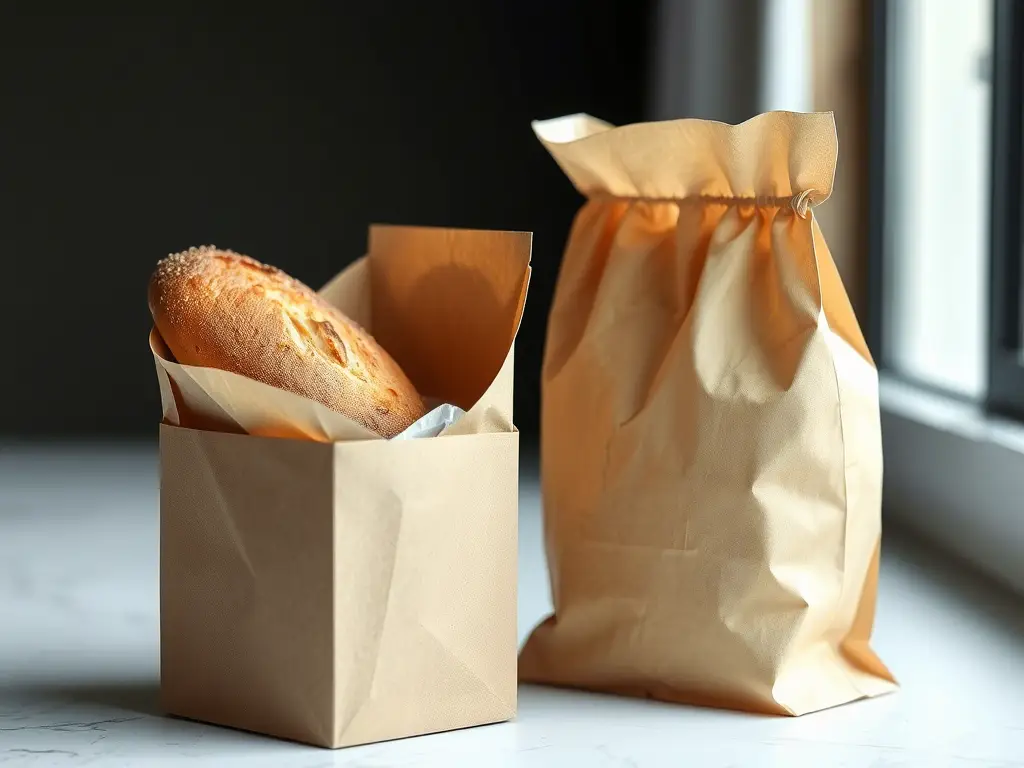
سواء كان صندوق خبز أم كيسًا، فإن الأمر كله يعتمد على التفضيلات الشخصية للفرد واحتياجاته ونوع الخبز الذي يستهلكه عادةً. سيكون صندوق الخبز خيارًا مناسبًا جدًّا لك إذا كنت تبحث عن مظهر جمالي لسطح عمل مطبخك، والتخزين طويل الأمد، والحفاظ على قشرة أرغفة الخبز المصنوعة يدويًّا. أما إذا كان الأمر يتعلق بالجانب العملي على المدى القصير، وتوفير المساحة، وسهولة الحمل، فإن كيس الخبز سيكون الخيار الأفضل.
توفر شركة «يونباك» أكياسًا وعلبًا ورقية للخبز، وهي مثالية للشركات العاملة في قطاع خدمات الأغذية التي تحتاج إلى حلول تغليف موثوقة وصديقة للبيئة. إن تركيزنا على الجودة والتخصيص والوعي البيئي يجعلنا شريكًا ممتازًا في تقديم منتجات الخبز الخاصة بكم إلى العملاء وهي طازجة، فضلاً عن تحسين صورة العلامة التجارية. وبالنظر إلى هذه العوامل وظروفكم الخاصة، ستتمكنون من اختيار أفضل وسيلة لتخزين الخبز تتيح لكم الاستمتاع بالخبز الطازج لفترة أطول وبسهولة.
الأسئلة الشائعة
س: أيهما أفضل: كيس الخبز أم صندوق الخبز؟
ج: يعتمد ذلك على نوع الخبز: فصندوق الخبز أكثر فعالية في الحفاظ على قوام الخبز المقرمش كما هو، في حين أن الأكياس القابلة للتهوية (مثل أكياس الكتان أو أكياس ورق «يونباك») تُعد خيارًا موفرًا للمساحة وصحيًّا وصديقًا للبيئة للاستخدام اليومي.
س: هل يبقى الخبز طازجًا لفترة أطول في صندوق الخبز؟
ج: نعم، نظرًا لأن صندوق الخبز يخلق مناخًا محليًّا لا يكون رطبًا جدًّا ولا جافًّا جدًّا، فإن الجزء الداخلي من الصندوق يظل طريًّا، مع وجود تدفق هواء كافٍ لمنع القشرة الخارجية للصندوق من أن تصبح طرية أو متعفنة.
س: ما هي الحاوية الأنسب لتخزين الخبز؟
ج: ينبغي تخزين الخبز المصنوع منزليًّا أو الحرفي في صندوق خشبي جيد التهوية أو كيس ورقي جيد، مما يتيح أفضل تدفق للهواء؛ أما الخبز المقطّع الطري الذي يُشترى من المتاجر فينبغي تخزينه في كيس بلاستيكي محكم الإغلاق للحفاظ على أكبر قدر ممكن من الرطوبة.
س: ما هي الطريقة الأكثر صحة لتخزين الخبز؟
ج: الطريقة الأكثر صحة تعتمد على الوقاية من العفن والسلامة الكيميائية: فاستخدام كيس ورقي قابل للتنفس ومناسب للاستخدام الغذائي أو صندوق خبز نظيف سيمنع تكوّن الرطوبة، ويجب ألا يُخزَّن الخبز أبدًا في الثلاجة، لأن ذلك سيؤدي إلى تلفه بشكل أسرع بسبب تراجع النشا.

 English
  German
  Spanish
  Italian
  Dutch
Dutch  French
  Portuguese
  Russian
  Arabic
  Korean