

PLA vs. PE-beschichtetes Papier: Der ultimative Leitfaden für PLA-Beschichtung und Becher
Mit der Verschärfung der weltweiten Vorschriften hat sich die Umstellung von herkömmlichem Polyethylen (PE) auf Polymilchsäure (PLA) in Papierverpackungen von einer freiwilligen Nachhaltigkeitsinitiative des Unternehmens zu einer entscheidenden Geschäftsvoraussetzung entwickelt. Für B2B-Beschaffungsmanager, Foodservice-Marken und Verpackungshändler ist das Verständnis der molekularen und kommerziellen Unterschiede zwischen PLA- und PE-beschichtetem Papier keine Option mehr. Der Markt ist gesättigt mit irreführenden "Greenwashing"-Behauptungen und oberflächlicher Umweltrhetorik, die die tatsächlichen technischen Herausforderungen der Materialsubstitution verschleiern. Dieser umfassende Leitfaden lässt den Marketingjargon beiseite und untersucht die harten chemischen Realitäten, die Anpassungen in der industriellen Lieferkette und die wahren Gesamtbetriebskosten (TCO), die mit der Modernisierung Ihrer Verpackungsstrategie verbunden sind. Von den thermodynamischen Grenzen von Biopolymeren bis hin zu den strengen Anforderungen der industriellen Kompostierung wird alles untersucht, um einen definitiven, fehlerfreien Fahrplan für die Zukunft nachhaltiger Lebensmittel- und Getränkeverpackungen zu erstellen.
Die globale Umstellung von PE auf PLA: Compliance als geschäftlicher Imperativ
In den letzten Jahren hat sich die regulatorische Schlinge um die traditionellen erdölbasierten Kunststoffe mit beispielloser Geschwindigkeit zugezogen. Die Richtlinie der Europäischen Union über die Verwendung von Einwegkunststoffen (SUPD) hat ehrgeizige Fristen für die Reduzierung des Kunststoffverbrauchs, die Umsetzung von Programmen zur erweiterten Herstellerverantwortung (EPR) und die Auferlegung erheblicher finanzieller Belastungen - oft in Form von hohen Kunststoffsteuern - für Marken festgelegt, die weiterhin auf herkömmliche PE-beschichtete Verpackungen setzen. In diesen Ländern ist die Suche nach konformen Alternativen eine Frage des wirtschaftlichen Überlebens.
Gleichzeitig haben in den Vereinigten Staaten die Gesetzgeber in Kalifornien, New York und mehreren anderen Bundesstaaten umfassende Verbote für PFAS (Per- und Polyfluoralkylsubstanzen) erlassen. Diese "ewigen Chemikalien" wurden in der Vergangenheit eingesetzt, um die Fettbeständigkeit von Papierprodukten zu verbessern, aber ihre schwerwiegenden Auswirkungen auf die Gesundheit und die Umwelt haben zu einem massiven Ausstieg der Industrie geführt. Herkömmliches PE-beschichtetes Papier, das sich in der Vergangenheit als wasserdicht erwiesen hat, wird häufig im Hinblick auf seinen Lebenszyklus hinterfragt, vor allem weil die Verbrennung von PE-beschichtetem Papier schädliche Emissionen freisetzen kann und die natürliche Zersetzung zu hartnäckigem Mikroplastik im Ökosystem führt.
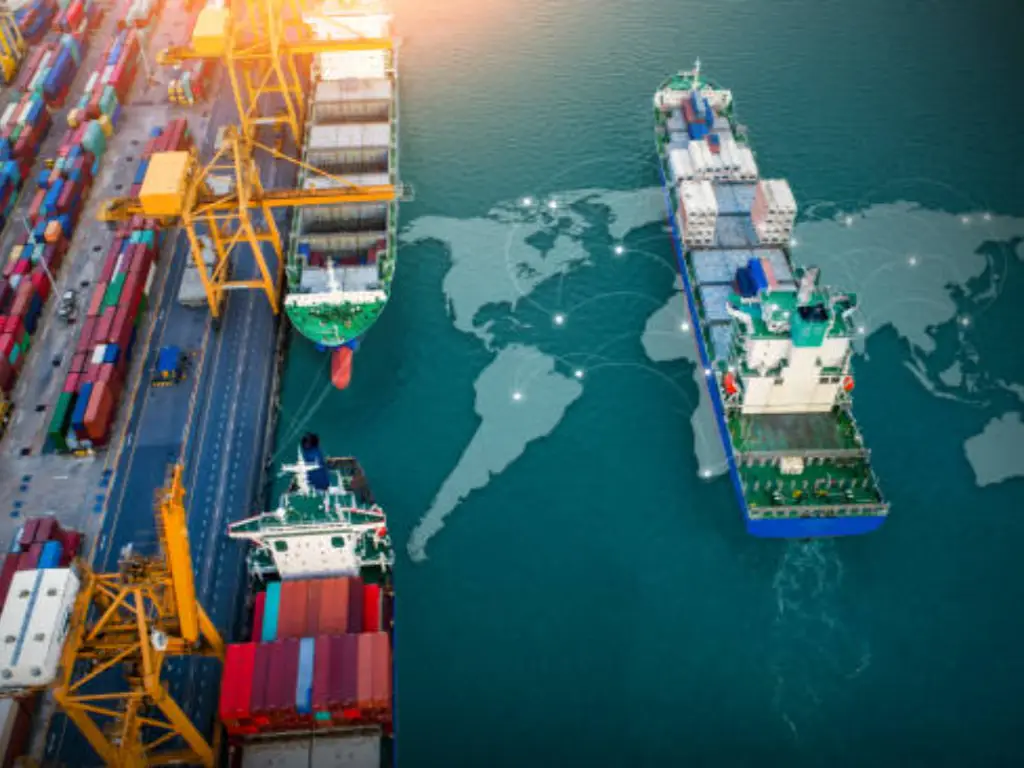
Für die Lebensmittelindustrie tickt die Uhr. Die Ausmusterung herkömmlicher Kunststoffbeschichtungen beschleunigt sich viel schneller, als die meisten Prognosen für die Lieferkette vorausgesagt haben. In diesem sich rasch ändernden rechtlichen Umfeld hat sich PLA (Polymilchsäure) nicht nur als umweltfreundlicher Ersatz, sondern als das kommerziell ausgereifteste "Rettungsboot" erwiesen. Die Einführung von zertifiziertem PLA-beschichtetem Papier ist derzeit die praktikabelste Strategie für internationale Marken, um potenzielle Umweltstrafen in Millionenhöhe zu umgehen, komplexe grenzüberschreitende Handelsbarrieren zu überwinden und einen ununterbrochenen Marktzugang für ihre Produkte zu sichern.
Die Wissenschaft hinter dem Schutzschild: Was genau ist eine PLA-Beschichtung?
Um den Wert von PLA vollständig zu erfassen, müssen wir uns von der vereinfachten Vorstellung verabschieden, dass es sich lediglich um "Kunststoff aus Mais" handelt. Während diese Darstellung dem Verbrauchermarketing dient, müssen B2B-Entscheidungsträger PLA als ein sorgfältig entwickeltes, hochleistungsfähiges makromolekulares Industriematerial betrachten. Das Verständnis seiner chemischen Architektur und seiner physikalischen Anwendung auf Papiersubstraten ist entscheidend für die Bewertung seiner realen Leistung im Vergleich zu herkömmlichen, aus Erdöl gewonnenen Lösungen.
Der Mechanismus der biobasierten Polymere
Polymilchsäure (PLA) wird als biobasierter, aliphatischer Polyester kategorisiert. Im Gegensatz zu herkömmlichem PE, das aus fossilen Brennstoffen durch Cracken und Polymerisation von Ethylen synthetisiert wird, wird PLA vollständig aus erneuerbaren landwirtschaftlichen Ressourcen gewonnen - in der Regel aus fermentierter Pflanzenstärke von Mais, Maniok oder Zuckerrohr. Durch hochgradig kontrollierte industrielle Prozesse wird der extrahierte Zucker zu Milchsäure fermentiert, die dann einer präzisen ringöffnenden Polymerisation unterzogen wird, um das als PLA bekannte langkettige Polymer zu erzeugen.
Aus technischer Sicht ist es wichtig, seine thermischen Parameter zu verstehen. Standard-PLA besitzt eine Glasübergangstemperatur (Tg) von ca. 55°C bis 60°C (131°F - 140°F). Diese spezifische thermodynamische Eigenschaft erklärt, warum sich PLA bei Raumtemperatur extrem steif und glasartig anfühlt, aber spezielle physikalische Modifikationen erfordert, um höheren Temperaturen standzuhalten. Darüber hinaus ist das vollständig polymerisierte PLA-Harz trotz des Wortes "Säure" in seiner Nomenklatur völlig neutral, chemisch stabil und nicht reaktiv, so dass es absolut nicht in die empfindlichen Lebensmittel und Getränke, die es enthält, auslaugt oder deren Geschmacksprofil verändert.
Anatomie des Querschnitts: Verklebung der PLA-Folie mit dem Basispapier
Ein Papierbecher oder ein Lebensmittelbehälter ist nicht von Natur aus wasserdicht; seine Barriereeigenschaften beruhen ausschließlich auf einer mikroskopisch kleinen Schicht aus Laminat. Wenn wir einen Querschnitt eines hochwertigen PLA-beschichteten Papiers unter dem Mikroskop untersuchen, sehen wir eine ausgeprägte, hochtechnisierte dreiteilige Struktur: das Basispapier (das strukturelle Skelett), die Klebeschicht und die extrudierte PLA-Schicht (die schützende Hautschicht).
Bei der Herstellung von Premiumprodukten wird die Dicke der PLA-Beschichtung sorgfältig kontrolliert und liegt in der Regel zwischen 15 g/m² und 30 g/m² (GSM), je nach der spezifischen Anwendung (z. B. Standard-Kühltassen im Vergleich zu hochbelastbaren Suppenschalen). Die PLA-Folie kann jedoch nicht isoliert funktionieren. Die strukturelle Integrität des Endprodukts hängt stark vom Substrat ab. Aus diesem Grund verwenden Spitzenhersteller ausschließlich Zellstoff mit hoher Grammatur aus nachhaltiger Beschaffung von erstklassigen, FSC-zertifizierten Lieferanten wie Sun Paper, Stora Enso oder der Chenming Group. Die hohe Faserdichte dieser Premium-Basispapiere wirkt wie ein robustes mechanisches Gerüst und verhindert, dass sich die mikrometerdünne PLA-Folie bei mechanischer Belastung oder thermischer Ausdehnung verzieht, dehnt oder bricht.
Leistungsmatrix: Messung von PLA im Vergleich zu traditionellen PE
Das Hauptkampffeld in der Verpackungsindustrie ist das Verhältnis von Leistung und Kosten. Ein hartnäckiges, aber überholtes Stigma besagt, dass biologisch abbaubare Materialien von Natur aus Kompromisse bei der physikalischen Haltbarkeit eingehen. Um dieses Vorurteil zu entkräften, müssen wir PLA im Vergleich zu PE durch eine streng objektive, datengesteuerte Linse bewerten, von Barriereparametern im Labor zu extremen Praxistests übergehen und schließlich die Gesamtbetriebskosten (TCO) quantifizieren.
Wärmewiderstand und Barriereintegrität (Die 85°C-90°C-Realität)
Bei der Auswahl eines Beschichtungsmaterials analysieren die Beschaffungsingenieure in erster Linie drei Kriterien: Wasserdampfdurchlässigkeitsrate (WVTR), Sauerstoffdurchlässigkeitsrate (OTR) und maximale Wärmetoleranz. Nachfolgend finden Sie eine umfassende technische Vergleichsmatrix.
| Technische Metrik | Traditionelle PE-Beschichtung | PLA-Beschichtung (Standard & CPLA) | Auswirkungen auf Unternehmen und Anwendungen |
|---|---|---|---|
| Wasser- und Feuchtigkeitsbarriere (WVTR) | Ausgezeichnet | Ausgezeichnet | Beide bieten eine identische, einwandfrei dichte Leistung für Standard-Flüssigkeitsbehälter über eine Standard-Lagerzeit. |
| Fett- und Ölbeständigkeit | Mäßig bis gut | Außergewöhnlich | PLA ist von Natur aus fettbeständiger als PE und daher für frittierte Lebensmittel und milchhaltige Getränke weitaus besser geeignet, ohne dass PFAS erforderlich sind. |
| Sauerstoff-Barriere (OTR) | Niedrige Barriere | Hohe Barriere | PLA blockiert die Sauerstoffpermeation weitaus besser, wodurch das Aroma von Kaffee besser erhalten bleibt und die Frische von versiegelten Lebensmitteln verlängert wird. |
| Thermische Toleranzgrenze | Bis zu 110°C (230°F) | 85°C bis 90°C (185°F - 194°F) | Ein entscheidender Unterschied: Standard-PLA wird bei niedrigeren Temperaturen weicher. Anwendungen mit hohen Temperaturen erfordern kristallisiertes PLA (CPLA) und schweres Rohpapier. |
Transparenz ist der Eckpfeiler einer professionellen Beschaffung. Wir müssen definitiv feststellen, dass selbst mit fortschrittlichen Modifikationstechnologien die sichere Betriebsgrenze für CPLA (Crystallized PLA) in Heißgetränkeanwendungen 85°C bis 90°C (185°F - 194°F) beträgt. Übertriebene Versprechungen wie "Beständigkeit gegen kochendes Wasser bei 100 °C" sind wissenschaftlich unredlich und führen zu katastrophalen Kundenbeschwerden. Bei Szenarien, die einen Kontakt mit fast kochendem Wasser erfordern (wie frisch aufgegossener Tee), muss die strukturelle Stabilität durch eine Erhöhung des Gewichts des Basispapiers (z. B. >320 g/m²) erhöht werden, anstatt zu erwarten, dass der dünne Polymerfilm seiner thermodynamischen Natur trotzt.
Der Heißgetränketest: Sicherheit in der Praxis für kochende Flüssigkeiten
Um die größte Befürchtung von Lebensmittel- und Getränkeherstellern zu zerstreuen - massenhafte Kundenbeschwerden aufgrund von verbrühten Lecks - übersetzen wir Labordaten in reale, zerstörerische Tests. Nehmen wir einen einwandigen 16-Unzen-Standardbecher, der einem strengen Test unterzogen wird, bei dem er 90 °C heißen Kaffee hält. Wenn eine 90°C heiße Flüssigkeit in einen minderwertigen PE-Becher gegossen wird, berichten die Benutzer oft von einem schwachen, unappetitlichen Kunststoffgeruch, da die Erdölverbindungen auf die Hitze reagieren. Ein hochwertiger PLA-beschichteter Becher bleibt dagegen chemisch völlig inert und schließt das reine Aroma des Kaffees ein.
Noch wichtiger ist, dass die strukturelle Integrität des Bechers von seinen Nähten abhängt. Während der Prüfung wird der Becher 24 Stunden lang stehen gelassen. Die Prüfer inspizieren die Bodennaht (die Rändelung) und die Seitennaht sehr genau. Da PLA leicht unterschiedliche Fließeigenschaften besitzt, verschmelzen die PLA-Schichten bei korrekter Verarbeitung auf modernen Thermoformmaschinen mit Ultraschall-Siegeltechnik auf molekularer Ebene miteinander. Dadurch entsteht eine Versiegelung, die deutlich wasserdichter und aggressiver ist als herkömmliches PE, so dass selbst bei längerer thermischer Beanspruchung keine Probleme durch Mikroleckagen auftreten.
TCO-Vergleich: Die finanzielle Realität des Wechsels
Der unmittelbare Einwand gegen PLA ist fast immer der Stückpreis. Es ist eine unvermeidliche Tatsache, dass PLA-Harz und das daraus hergestellte beschichtete Papier derzeit einen Aufschlag von 15% bis 30% gegenüber dem auf fossilen Brennstoffen basierenden PE aufweisen. Dies jedoch ausschließlich auf der Basis von Kosten pro Becher" zu bewerten, ist ein oberflächliches und letztlich fehlerhaftes Finanzmodell. Anspruchsvolle B2B-Entscheidungsträger verwenden eine TCO-Methode (Total Cost of Ownership), bei der die Besteuerung, die Einhaltung von Vorschriften und der Markenwert berücksichtigt werden.
| Kostendimension (basierend auf 1 Mio. Bechern) | Der traditionelle PE-Weg | Der PLA-beschichtete Weg (YoonPak-Lösung) |
|---|---|---|
| Rohmaterial und Herstellungskosten | Baseline (niedrigste Anfangsinvestitionen) | +15% bis +30% Prämie |
| Europäische SUPD / Kunststoffsteuerpflicht | Hohes Risiko; steigende Steuern von bis zu 0,80 € pro kg nicht recyceltem Kunststoff in bestimmten EU-Ländern. | Steuerbefreit / Stark ermäßigt: Zertifizierte kompostierbare Materialien umgehen die strengen Strafen für Plastik. |
| Einnahmen aus "grünen Prämien" für Verbraucher | Null. Mögliche Verwässerung der Marke und Gegenreaktionen der Verbraucher. | Hoch. Mit dem Aufdruck "100% kompostierbar" können Cafés einen Aufschlag von $0,20 - $0,50 pro Getränk rechtfertigen. |
| Verzögerungen bei Zoll und Einfuhr | Hohes Risiko von Hafenaufenthalten aufgrund wechselnder regionaler Plastikverbote. | Null Reibung mit gültiger EN 13432 / ASTM D6400 Dokumentation. |
| Finanzielles Gesamtergebnis (TCO) | Versteckte Kosten machen die ursprünglichen Einsparungen bei der Beschaffung zunichte. | Positiver Netto-ROI: Die Steuervermeidung und der Markenwert überwiegen bei weitem die anfängliche materielle Prämie. |
Wenn man sich dieses Finanzbuch vor Augen führt, verwandeln sich die zusätzlichen paar Cent pro Einheit von einer Kostenbelastung in eine renditestarke strategische Investition. Die Entscheidung für PLA ist praktisch eine Versicherung gegen unvorhersehbare globale Kunststoffsteuern und Unterbrechungen der Lieferkette.
Die Greenwashing-Falle: Die wahre biologische Abbaubarkeit von PLA verstehen
Der vielleicht gefährlichste Fallstrick bei der Umstellung auf nachhaltige Verpackungen ist der weit verbreitete Mythos der mühelosen biologischen Abbaubarkeit. Angetrieben durch aggressives "Greenwashing"-Marketing glauben viele Käufer fälschlicherweise, dass sich PLA harmlos auflöst, wenn man es in einen Wald oder ins Meer wirft. Wenn Sie als Branchenexperte diesem Mythos Glauben schenken, riskieren Sie, dass Ihre Marke rechtlich haftbar gemacht wird und die Verbraucher wegen irreführender Werbung zurückschlagen.
Industrielle Kompostierung vs. Kompostierung im Hinterhof
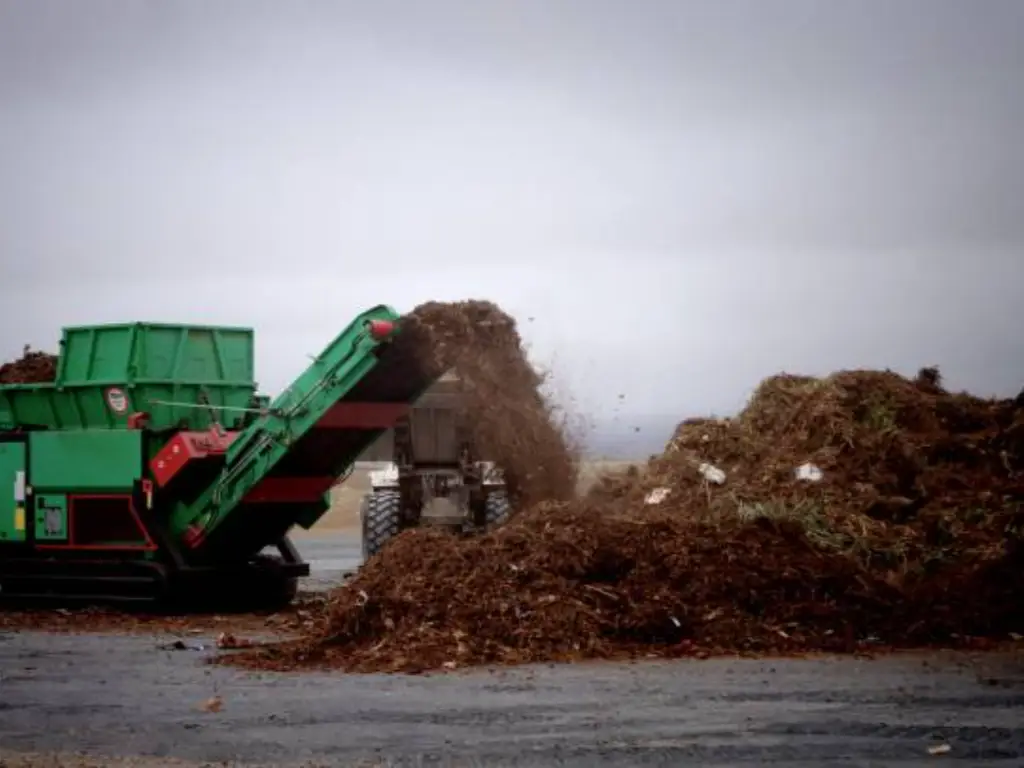
Um es ganz klar zu sagen: "Biobasiert" und "Abbaubar" bedeuten nicht "Wirf es irgendwo hin". Um die PLA-Polymerketten richtig abzubauen, benötigt das Material die aggressive Umgebung eines Industrielle Kompostieranlage. Die physikalische und chemische Zersetzung von PLA wird nur dann ausgelöst, wenn drei kompromisslose Bedingungen gleichzeitig erfüllt sind:
- Anhaltend hohe Temperatur: Der Komposthaufen muss eine Temperatur von 58°C bis 60°C (136°F - 140°F) erreichen und aufrechterhalten, damit die Glasübergangstemperatur der PLA überschritten wird und Wasser in die Polymermatrix eindringen kann.
- Hohe Luftfeuchtigkeit und Sauerstoff: Eine reichhaltige, belüftete Umgebung ist notwendig, damit die Hydrolyse mit dem Aufbrechen der Esterbindungen beginnen kann.
- Spezifische mikrobielle Wirkung: Spezialisierte thermophile Bakterien verzehren das fragmentierte Polymer und wandeln es vollständig in Wasser, Kohlendioxid und nährstoffreiche Biomasse um. 90 bis 180 Tage.
Wenn Sie einen PLA-Becher in der kalten Erde eines Hinterhofs vergraben, kann er jahrelang intakt bleiben. Das Verständnis dieser industriellen Realität ist der erste Schritt zu einer ehrlichen Nachhaltigkeitsberichterstattung von Unternehmen.
Globale Zertifizierungsstandards, die Sie einfordern müssen
Da bei einer Sichtprüfung nicht zwischen PE und PLA unterschieden werden kann, müssen sich professionelle Einkäufer auf strenge Papierwege verlassen. Wenn Ihnen ein Lieferant ein selbst erstelltes Zertifikat mit der Aufschrift "100% Eco-Friendly" aushändigt, sollten Sie den Beschaffungsprozess sofort stoppen. Ohne international anerkannte Laborzertifikate von Drittanbietern haben Sie keinerlei rechtlichen Schutz vor Greenwashing-Klagen.
Internationale Ketten der Spitzenklasse - wie Burger King und Tim Hortons-nicht mit ungeprüften Materialien spielen. Bei der Überprüfung von Lieferketten verlangen sie die zugrunde liegenden Laborwerte. Wir sind ein strategischer Verpackungspartner dieser globalen Giganten, YoonPak stellt sicher, dass jede Rolle PLA-beschichtetes Papier und jeder fertige Becher die Autorität einer doppelten Hemisphäre besitzt: die BPI-Zertifizierung (amerikanische Norm ASTM D6400) und die DIN CERTCO (Europäische Norm EN 13432).
Die Beschaffung von zertifizierten Materialien von YoonPak bedeutet, dass Ihre Verpackungen sofort für die am strengsten regulierten Märkte in Europa, Nordamerika und dem Nahen Osten vorzertifiziert sind. Sie eliminieren das Risiko von Zollbeschlagnahmungen, umgehen die lokale Umweltbesteuerung und bieten Ihrem Rechtsteam einen undurchdringlichen Schutzschild gegen falsche Werbeansprüche.
Die Realität der Lieferkette: Anpassung Ihrer Fertigung an PLA
Wenn Sie ein nachgeschalteter Verarbeiter, Vertreiber oder eine Marke sind, die ihre eigenen Becherformungsanlagen betreibt, ist die Umstellung von PE-Papierrollen auf PLA-Rollen kein einfacher "Plug-and-Play"-Vorgang. Das thermodynamische Profil von PLA muss in der Fabrik beachtet werden. Wenn Sie diese Einschränkungen bei der Herstellung nicht verstehen, führt dies zu massiven Ausschussraten, verbrannten Beschichtungen und letztendlich zu undichten Bechern.
Produktionsoptimierung: Enge Versiegelungsfenster & CPM Trade-offs
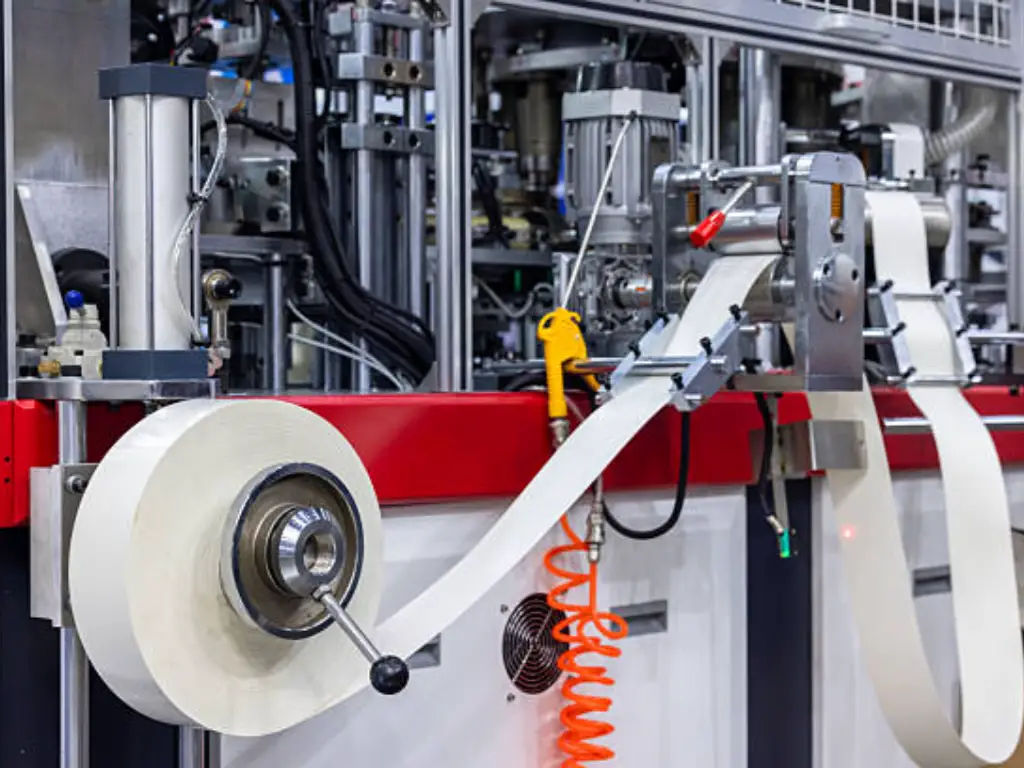
Aufgrund der geringeren Schmelzviskosität und der ausgeprägten Fließdynamik von PLA im Vergleich zu Polyethylen ist das thermische Betriebsfenster einer Hochgeschwindigkeits-Bechermaschine deutlich schmaler. Wenn ein Produktionslauf mit PLA-beschichtetem Papier gestartet wird, müssen die Techniker in der Regel die Heißluft- oder Ultraschall-Siegeltemperaturen an der Seitennaht um 20°C bis 30°C. Bei herkömmlichen PE-Temperaturen wird die PLA-Folie versengt, wodurch sie Blasen wirft, verdampft oder an den Werkzeugen klebt.
Darüber hinaus müssen wir in Bezug auf die Produktionskapazität brutal ehrlich sein: Während der anfänglichen Einrichtungs- und Kalibrierungsphase sollte die Maschinengeschwindigkeit - gemessen in Tassen pro Minute (CPM) - in der Regel bei 0,5 % liegen, um eine wasserdichte Versiegelung zu gewährleisten. von 10% auf 20% reduziert. Der Versuch, PLA mit maximaler PE-Geschwindigkeit zu verarbeiten, bevor die Temperaturprofile perfekt eingestellt sind, ist ein Rezept für Mikrolecks. Sobald sich die thermodynamischen Parameter stabilisiert haben und die Bediener sich an das Material gewöhnt haben, können die Geschwindigkeiten schrittweise wieder in Richtung der Basiswerte optimiert werden.
Die verborgene Einschränkung: Haltbarkeit und Lagerbedingungen
Es gibt eine kritische Schwachstelle in der Lieferkette, die von den meisten Materialhändlern nicht offengelegt wird: PLA ist ein sehr wärmeempfindliches Material. Eine Rolle mit PE-beschichtetem Papier kann zwei Jahre lang in einem schwülen Lagerhaus liegen, ohne dass es zu einem minimalen Abbau kommt. PLA kann das nicht. Wenn PLA-beschichtete Papierrollen oder fertige Becher über einen längeren Zeitraum großer Hitze und hoher Luftfeuchtigkeit ausgesetzt sind - wie z. B. beim Backen in einem Transportcontainer, der den Äquator überquert, oder in einem unbelüfteten tropischen Lagerhaus -, beginnt das Polymer vorzeitig zu hydrolysieren. Die Beschichtung wird spröde, verliert ihre Barriereeigenschaften und zerbricht beim Eintritt in die Becherformmaschine.
Um sich gegen diese physische Einschränkung abzusichern, entwickeln Spitzenhersteller logistische Puffer. Für unsere internationalen B2B-Partner, YoonPak nutzt seine riesige 16.000 Quadratmeter große Anlage, um bis zu 1 Monat kostenlose, klimatisierte Lagerhaltung. Auf diese Weise können sich die Käufer Großmengenpreise sichern, ihren Cashflow stabilisieren und Teillieferungen arrangieren. So wird sichergestellt, dass das PLA-Material frisch und perfekt biegsam für die Produktion ankommt und die Risiken einer Zersetzung durch die Meereswärme vollständig umgangen werden.
Perfekte Beschaffung: Der Null-Fehler-Beschaffungsrahmen
Letztlich erfordert der Übergang zu PLA-beschichteten Verpackungen einen Paradigmenwechsel bei der Bewertung von Lieferanten. Die physische Anfälligkeit biologisch abbaubarer Polymere bedeutet, dass es bei der Gleichmäßigkeit der Beschichtung und der Versiegelung der Becher keinen Spielraum für Fehler gibt. Die Beschaffung bei einer mittelgroßen Fabrik, um den Bruchteil eines Cents zu sparen, wird unweigerlich zu katastrophalen Kundenbeschwerden führen, wenn heißer Kaffee auf den Schoß eines Pendlers ausläuft.
Bei echter B2B-Beschaffung geht es um Kaufsicherheit. Mit mehr als 24 Jahren tief verwurzelter Erfahrung im Bereich der Lebensmittelverpackung, YoonPak hat ein Produktionssystem entwickelt, das darauf ausgelegt ist, Risiken für unsere globalen Partner zu eliminieren. Unser Qualitätskontrollprotokoll arbeitet nach einem rücksichtslosen "Null-Fehler"-Rahmen. In der Produktionslinie werden stündlich Qualitätskontrollen durchgeführt. Wenn ein einziger Mikrofehler entdeckt wird, jedes einzelne Produkt, das seit dem letzten erfolgreichen stündlichen Test hergestellt wurde, wird sofort verschrottet.
Diese extreme Nachvollziehbarkeit wird durch die forensische Rückverfolgbarkeit gestützt. Jeder Becher, der unser Werk verlässt, ist mit einem individuellen Bodenstempel versehen, der das genaue Produktionsdatum, die Uhrzeit und die laufende Nummer angibt. In Kombination mit unserer kolossalen Produktionskapazität von 16 Milliarden Einheiten pro Jahr liefern wir Standardaufträge innerhalb von 3 bis 6 Wochen-um ganze 7 Tage schneller als der Branchendurchschnitt.
Ganz gleich, ob Sie ein Importeur sind, der hochwertige PLA-beschichtete Papierrollen sucht, oder eine globale Lebensmittelkette, die vollständig individualisierte, mit 300 dpi im Offsetdruck bedruckte Heißgetränkebecher benötigt (mit einer flexiblen Mindestbestellmenge ab 50.000 Stück), lassen Sie nicht zu, dass minderwertige Verpackungen Ihr hochwertiges Produkt gefährden.
Sind Sie bereit, Ihre Verpackungsvorschriften zu verbessern und die Angst vor Leckagen zu beseitigen? Wenden Sie sich noch heute an das Ingenieurteam von YoonPak. Wir bieten eine kostenloser Digital Proof innerhalb von 1 Arbeitstagoder versenden innerhalb von 48 Stunden kostenlose, FDA/LFGB-zertifizierte Muster direkt an Ihren Firmensitz.

 English
  German
  Spanish
  Italian
  Dutch
Dutch  French
  Portuguese
  Russian
  Arabic
  Korean