

Wie man ein Fast Food Restaurant eröffnet: Wahre Kosten, Ideen & Schritte
Die Gründung eines Fast-Food-Restaurants wird oft sehr romantisch dargestellt. Viele angehende Unternehmer stehen in ihren heimischen Küchen, perfektionieren eine geheime Burgersoße oder ein Familienrezept für Brathähnchen und gehen davon aus, dass großartiger Geschmack die ultimative Garantie für kommerziellen Erfolg ist. Die Realität der Quick Service Restaurant (QSR)-Branche ist jedoch eine brutale Landschaft mit hohen Einsätzen, in der kulinarische Leidenschaft kalter, harter Mathematik weichen muss. Historischen Daten der National Restaurant Association zufolge blutet ein erheblicher Prozentsatz unabhängiger Betreiber ihr Anfangskapital aus und steht innerhalb der ersten 12 bis 18 Monate des Betriebs vor der Insolvenz.
Wie kommt es dazu? Das Scheitern liegt selten an den Lebensmitteln selbst. Fast immer liegt es an kritischen Fehlkalkulationen in der Gründungsphase: Unterzeichnung eines Mietvertrags für einen Raum mit fatalen HVAC-Beschränkungen, Ersticken des Betriebskapitals mit aufgeblähten Mindestbestellmengen für kundenspezifische Verpackungen oder Entwerfen einer ausufernden Speisekarte, die den Küchenbetrieb lähmt und die Lebensmittelverschwendung in die Höhe treibt. Ein erfolgreicher Fast-Food-Betrieb ist nicht einfach nur eine Küche, in der Lebensmittel verkauft werden, sondern eine hochgradig kalibrierte, hochfrequente Produktionsanlage, die darauf ausgelegt ist, Rohzutaten mit unerbittlicher Geschwindigkeit und Beständigkeit in Umsatz zu verwandeln.
Wenn Sie die allgemeinen Ratschläge satt haben, die Ihnen nur sagen: "Schreiben Sie einen Geschäftsplan und nehmen Sie einen Kredit auf", dann sind Sie hier richtig. In diesem umfassenden Leitfaden werden die Finanzmodelle der Branche, die versteckten Fallen der physischen Infrastruktur und die strategischen Geheimnisse der Lieferkette der weltweit führenden Franchiseunternehmen offengelegt. Von der Validierung konsensfeindlicher Mikrokonzepte bis hin zum perfekten Soft-Opening - dies ist Ihr kompletter, schrittweiser Meisterkurs zum Aufbau eines undurchdringlichen, skalierbaren und hochprofitablen Fast-Food-Unternehmens.
Mehr als nur ein Burger: Validierung Ihres Fast-Food-Konzepts und Markttauglichkeit
Die gefährlichste Falle für einen Neuling im Gastgewerbe ist der Trugschluss: "Wenn du es baust, werden sie kommen". Ihre persönliche Vorliebe für eine bestimmte Küche ist nicht automatisch gleichbedeutend mit einem tragfähigen Geschäftsmodell. Bevor Sie auch nur einen einzigen Dollar für Ausrüstung oder Anwaltskosten ausgeben, müssen Sie Ihre grundlegende "Idee" schonungslos mit dem gesamten adressierbaren Markt (Total Addressable Market, TAM) und der unbarmherzigen Realität von Gewerbeimmobilien abgleichen. Sie verkaufen nicht nur eine Mahlzeit, sondern auch Bequemlichkeit, Schnelligkeit und Zuverlässigkeit innerhalb eines bestimmten geografischen Radius.
Validierung des TAM (Total Addressable Market) und der Tageszeiträume
Bei der Entwicklung Ihres Konzepts müssen Sie Ihre Idee objektiv entweder in eine Red-Ocean- oder eine Blue-Ocean-Strategie einordnen. Eine traditionelle Burger- und Pommesbude ist ein Roter Ozean. Sie betreten eine Arena, die von milliardenschweren Giganten mit hyperoptimierten Lieferketten und riesigen Marketingbudgets beherrscht wird. Um hier zu überleben, bedarf es erheblichen Kapitals, einer außergewöhnlichen Markendifferenzierung und einer tadellosen operativen Geschwindigkeit.
Um die Risikoprofile vollständig zu verstehen, müssen wir die Unterschiede zwischen den Standardkonzepten von Red Ocean und den speziellen Micro-Concepts quantifizieren:
| Konzept Typ | Anfangskapitalanforderung | Komplexität der Lieferkette | Operative Fehlermarge |
|---|---|---|---|
| Roter Ozean (z. B. traditionelle Burger, Pizza) | $250.000 - $500.000+ | Extrem hoch (Erfordert breite Lieferantennetze) | Niedrig (intensiver lokaler Preiswettbewerb) |
| Blauer Ozean / Mikro-Konzept (z. B. Nischen-Veganer, spezialisierte Geisterküche) | $30.000 - $85.000 | Gering bis mäßig (weniger Zutaten erforderlich) | Moderat (höhere Preissetzungsmacht aufgrund der Einzigartigkeit) |
Ebenso entscheidend für das TAM ist die Durchführung eines Analyse des Tagesablaufs. Miete, Versicherung und Abschreibung der Geräte fallen 24 Stunden am Tag, 7 Tage die Woche an. Wenn Sie ein spezialisiertes Konzept für einen "Büro-Lunch-Salat" entwickeln, ist Ihr Umsatzfenster strikt auf 11:30 Uhr bis 13:30 Uhr an fünf Tagen in der Woche begrenzt. Ihr Umsatz pro Quadratmeter wird fast nie die kontinuierliche Verbrennungsrate der Immobilie decken. Ein widerstandsfähiges Fast-Food-Konzept muss tagesübergreifend attraktiv sein. Denken Sie an den klassischen Misserfolg des "20-Flavor Hotdog Stand". Der Inhaber ging davon aus, dass eine maximale Vielfalt ein maximales Publikum anziehen würde. Stattdessen verursachte die Vorbereitungszeit für 20 verschiedene Garnituren einen enormen Arbeitsaufwand, die nicht verwendeten verderblichen Zutaten zerstörten die Kostenmargen für die Lebensmittel und die Komplexität verlangsamte die Verkaufszeiten, was letztlich das Aus für das Geschäft bedeutete.
High-ROI-Fast-Food-Ideen: 3 Anti-Konsens-Mikro-Konzepte
Um handlungsorientierte Anregungen zu geben, müssen wir über ein vages Brainstorming hinausgehen. Wenn Sie nur über ein begrenztes Startkapital verfügen (z. B. weniger als $50.000), müssen Sie den Traum von einem riesigen Restaurant mit 2.500 Quadratmetern aufgeben und sich auf hocheffiziente Modelle mit geringen Betriebskosten konzentrieren. Hier sind drei finanziell geprüfte, gegen den Konsens gerichtete Mikrokonzepte, die für eine maximale Kapitalrendite (ROI) ausgelegt sind:
- Idee 1: Die Geisterküche der Nachtschicht. Anstatt einen neuen Hauptmietvertrag zu unterzeichnen, mieten Sie die Küche eines bestehenden Cafés oder einer Bäckerei für die Zeit von 20:00 bis 3:00 Uhr unter. Indem Sie sich ausschließlich auf kalorienreiche, spätabendliche Lieferdienste konzentrieren (wie z. B. Pommes frites oder gegrillten Käse), umgehen Sie die harte Konkurrenz zum Mittag- und Abendessen. Ihre Gemeinkosten werden drastisch reduziert, da der Hauptmieter bereits den Großteil der Miete und der Nebenkosten übernimmt.
- Idee 2: Das Hyper-Nischen-Einzelartikelkonzept. Bei diesem Modell geht es darum, eine Sache besser zu machen als alle anderen in der Stadt, z. B. ein lokales "Spicy Fried Chicken Sandwich"-Geschäft. Durch die Beschränkung der Speisekarte auf ein einziges Protein und ein paar Variationen von Saucen und Brötchen werden die Zutaten bis zu 100 % quer verwendet. Auf diese Weise können Sie auf kleinstem Raum (weniger als 400 Quadratmeter) arbeiten, da Sie keine riesigen Kühleinheiten benötigen, um die verschiedenen Waren zu lagern.
- Idee 3: Der Kiosk für die gesunde Zubereitung von Mahlzeiten. Dieses Konzept, das auf vielbeschäftigte städtische Berufstätige abzielt, basiert vollständig auf einer zentralen Vorbereitungsküche (die sich in einem billigen Industriegebiet befinden kann), die vorverpackte, makrokalkulierte Mahlzeiten an einen kleinen, rein kaltgeführten Einzelhandelskiosk liefert. Da in der Verkaufsstelle nicht aktiv gekocht, gebraten oder gegrillt wird, entfällt die Notwendigkeit einer $50.000 teuren kommerziellen HLK-Anlage und eines Typ-1-Haubensystems, was die Einstiegshürde drastisch senkt.
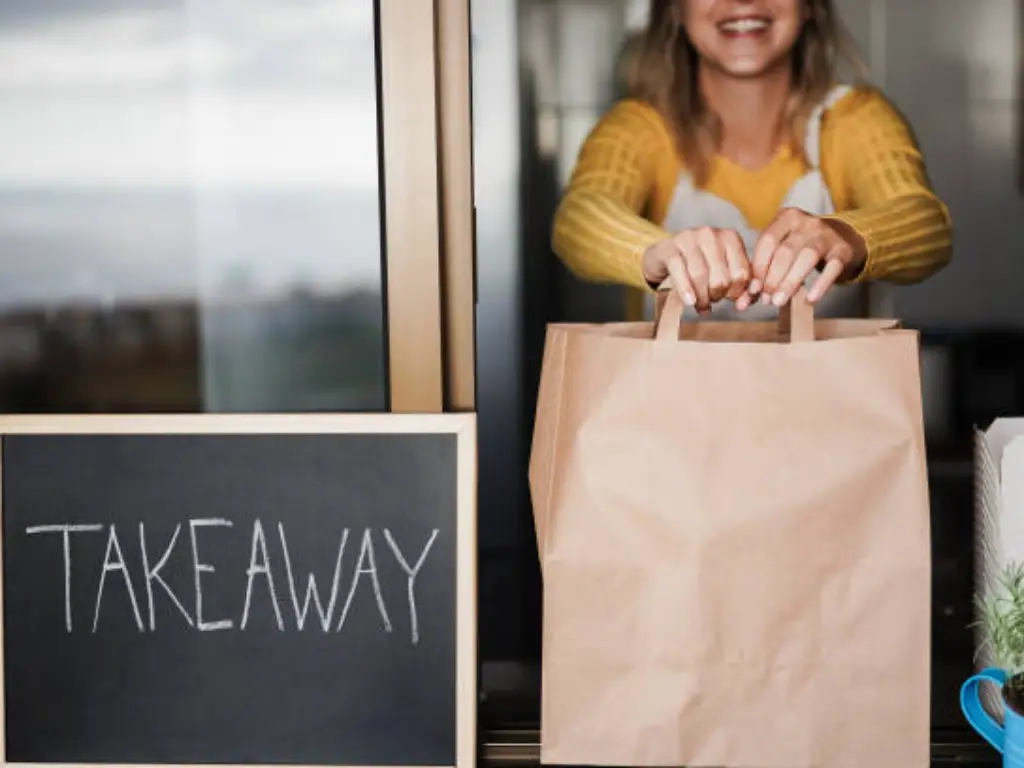
Menü-Technik: Die Psychologie und Mathematik der SKU-Optimierung
Eines der tiefgreifendsten physikalischen Gesetze des Gaststättengewerbes lautet wie folgt: Ihre Speisekarte bestimmt Ihren Immobilienbestand, nicht umgekehrt. Neulinge suchen oft zuerst nach einem schönen Geschäftsraum, unterschreiben den Mietvertrag und beschließen dann, Brathähnchen zu verkaufen. Sie stellen schnell fest, dass ihr schönes Schaufenster nicht die erforderliche C-2-Zone für starke Fettemissionen hat und dass die Nachrüstung der Belüftung sie vor dem Eröffnungstag in den Ruin treiben würde. Die Speisekarte (SKU-Struktur) ist der absolut erste Baustein. Sie bestimmt den Bedarf an Geräten, die elektrische Belastung, die Abluftanforderungen und schließlich die Verpackung.
Beim Menu Engineering geht es nicht um grafische Gestaltung, sondern um die rücksichtslose mathematische Optimierung von Rentabilität und Betriebsgeschwindigkeit. Sie müssen Ihr Angebot mit Hilfe der klassischen Menütechnik-Matrix strukturieren, die jeden Artikel auf der Grundlage seiner Gewinnspanne und seines Umsatzvolumens kategorisiert:
- Stars (hoher Gewinn, hohes Volumen): Dies sind Ihre unverwechselbaren Produkte. Sie sollten auf Ihren digitalen Speisekarten visuell hervorgehoben und niemals abgewertet werden.
- Pflugpferde (geringer Gewinn, hohes Volumen): Dies sind die Grundnahrungsmittel, die die Menschen erwarten (wie ein einfacher Cheeseburger). Sie müssen die Portionen dieser Produkte sorgfältig kontrollieren und hart mit den Lieferanten verhandeln, um ihre Gewinnspannen langsam zu verbessern, ohne die Qualität zu beeinträchtigen.
- Puzzles (hoher Gewinn, geringes Volumen): Mit diesen Produkten lässt sich viel Geld verdienen, aber sie verkaufen sich nicht gut. Die Lösung besteht darin, sie neu zu positionieren - sie umzubenennen, sie an eine prominentere Stelle auf der Speisekarte zu setzen oder sie zu bündeln.
- Hunde (geringer Gewinn, geringes Volumen): Sie sind das Krebsgeschwür der Speisekarte. Sie verlangsamen die Vorbereitungszeit, binden Inventarkapital und bringen nichts ein. Schaffen Sie sie sofort ab, egal, ob ein paar Stammkunden sie lieben.
Außerdem arbeitet ein professionelles QSR nach dem Prinzip der Querverwendung. Ein Weltklasse-Menü zeichnet sich durch eine Zutatenüberschneidung von 80 % oder mehr aus. So kann beispielsweise gegrilltes Hähnchenfleisch in einem Sandwich, in Scheiben geschnitten auf einem Salat und eingewickelt in einer Tortilla verwendet werden. Indem Sie die Anzahl der Lagerhaltungseinheiten (SKUs) auf ein Minimum reduzieren, gewinnen Sie eine enorme Kaufkraft, vereinfachen die Mitarbeiterschulung und vermeiden praktisch den Verderb. Dies ist auch das Geheimnis der Combo Economics: Die Kombination eines Burgers mit einer Gewinnspanne von 60 Prozent mit einer Limonade und Pommes frites mit einer Gewinnspanne von 90 Prozent treibt den durchschnittlichen Verkaufswert künstlich in die Höhe, während die Gesamtkosten der verkauften Waren auf ein hochprofitables Verhältnis reduziert werden.
Die finanzielle Blaupause: Entschlüsselung der Stückkosten und der wahren Gründungskosten
Mit einem validierten Konzept und einer optimierten Speisekarte müssen Sie nun eine undurchdringliche finanzielle Firewall errichten. Die häufigste Ursache für den Tod von QSR-Betrieben ist die Unterkapitalisierung, d. h., dass dem Unternehmen genau dann das Geld ausgeht, wenn es zu wachsen beginnt. Sie müssen Ihre "harten Anlaufkosten" kühl von Ihrem "nachhaltigen Betriebskapital" trennen.
Direkte Aufschlüsselung der Anlaufkosten: Anlagevermögen vs. variables Kapital
Schauen wir uns einen realistischen finanziellen Rahmen für einen Standard-Fastfood-Standort mit einer Fläche von 1.500 Quadratmetern in einer Stadt an, der hauptsächlich auf Lieferung und Mitnahme ausgerichtet ist. Diese Zahlen repräsentieren die ungeschminkte Realität der Eröffnung einer seriösen kommerziellen Lebensmittelfiliale:
| Ausgabenkategorie | Industrie-Benchmark &Percnt; | Geschätzte Kapitalspanne | Risikoeinstufung & Hinweise |
|---|---|---|---|
| Ausbau & Mietereinbauten | 35% - 45% | $80.000 - $150.000+ | Hohes Risiko (versunkene Kosten). Versuchen Sie, mit dem Vermieter einen Zuschuss für Mieterausbauten auszuhandeln, um die Baukosten auszugleichen. |
| Küchenausstattung & POS-Technologie | 25% - 30% | $50.000 - $90.000 | Mittleres Risiko. Denken Sie daran, dass es sich bei POS-Software und Digital Signage häufig um wiederkehrende SaaS-Gebühren und nicht um einmalige Hardwarekäufe handelt. |
| Lizenzen, Genehmigungen und gesetzliche Gebühren | 5% - 10% | $5.000 - $15.000 | Geringes Risiko, aber hohe Reibung. Verzögerungen in diesem Bereich verzögern Ihre Eröffnung und belasten Ihr Betriebskapital durch vorzeitige Mietzahlungen. |
| Betriebsmittelreserve (The Lifeline) | 20% - 30% | $40.000 - $80.000 | Kritisch. Sie MÜSSEN 6 bis 9 Monatsmieten und Gehaltszahlungen zurücklegen. In den ersten 120 Tagen werden Sie wahrscheinlich Geld verlieren. Dies ist Ihr Überlebensfonds. |
Wenn Sie diese Zahlen verstehen, können Sie Ihre ultimative Kennzahl berechnen: die Break-Even-Punkt. Wenn Ihre fixen monatlichen Gemeinkosten (Miete, Versicherung, Basisarbeitskräfte, Kreditzahlungen) $15.000 betragen und Ihr durchschnittlicher Bruttogewinn pro Mahlzeit $5, müssen Sie genau 3.000 Mahlzeiten pro Monat (100 Mahlzeiten pro Tag) verkaufen, nur um die Lichter am Leuchten zu halten, ohne sich selbst ein Gehalt zu zahlen. Die Kenntnis dieses Tagesziels bestimmt jede Marketing- und Betriebsentscheidung, die Sie treffen.
Beherrschung der Selbstkosten: Die Lebensader der QSR-Rentabilität
Sobald die Türen geöffnet sind, hängt Ihr Überleben ganz davon ab, dass Sie Ihre Selbstkosten im Griff haben. Die Gestehungskosten sind die Summe aus den Kosten der verkauften Waren und den Arbeitskosten. Im Gaststättengewerbe gilt das eiserne Gesetz des Überlebens, dass Ihre Selbstkosten dürfen nie mehr als 60 % Ihrer gesamten Bruttoeinnahmen betragen..
Im Idealfall sollten Sie Ihr Geschäft so gestalten, dass die Selbstkosten zwischen 28 und 30 Prozent liegen und die Arbeitskosten 20 bis 25 Prozent ausmachen. Wenn Ihre Selbstkosten auf 65 oder 70 Prozent steigen, bezahlen Sie Ihre Kunden effektiv dafür, dass sie Ihr Essen essen, nachdem Sie Miete, Nebenkosten und Marketing berücksichtigt haben. Um dies durchzusetzen, beschäftigt sich die Elite der Betreiber wie besessen mit der "Abweichung zwischen theoretischen und tatsächlichen Lebensmittelkosten". Wenn Ihr Kassensystem angibt, dass Sie 500 Burger verkauft haben, sollte Ihr Bestand genau 500 fehlende Patties und Brötchen ausweisen. Wenn die tatsächlichen Kosten um 3 % höher sind als die theoretischen Kosten, entgeht Ihrer Küche Gewinn durch Diebstahl von Mitarbeitern, Überportionierung oder verbrannte Lebensmittel.
Denken Sie an die mikroskopische Verschwendung: Wenn ein Fließbandkoch seine Pommes frites pro Bestellung nachlässig um nur 10 Gramm überportioniert und Sie 200 Bestellungen pro Tag verkaufen, entspricht das täglich 2 Kilogramm verschwendetem Produkt. Über ein Betriebsjahr von 350 Tagen frisst diese einzige, scheinbar harmlose Angewohnheit buchstäblich die Kosten für eine brandneue, hochwertige Fritteuse aus Ihrem Nettogewinn heraus.
Strategische Standortanalyse: Zoneneinteilung, Sichtbarkeit und Lieferradius
Amateurunternehmer glauben, dass die Maximierung der Kundenfrequenz die einzige Variable ist, die bei Immobilien zählt. In der modernen Omnichannel-Fastfood-Ära erfordert die Standortstrategie ein viel tieferes Verständnis der physischen Erreichbarkeit und der kommunalen Bebauungsvorschriften. Es geht nicht nur darum, ein Ladenlokal zu sichern, sondern auch darum, ein logistisches Zentrum für den umliegenden Lieferradius zu schaffen.
Die gefährlichste Falle bei Gewerbeimmobilien ist die Illusion des jährlichen durchschnittlichen täglichen Verkehrsaufkommens (AADT). Ein Makler zeigt Ihnen vielleicht einen Standort an einer Bundesstraße mit einem AADT von 80.000 Fahrzeugen und lässt ihn wie eine Goldgrube erscheinen. Wenn diese Immobilie jedoch nicht über eine angemessene Ein- und Austritt (Bewegungsfreiheit)-Wenn es sich beispielsweise um einen "Right-in/Right-out"-Parkplatz handelt, der durch einen betonierten Mittelstreifen versperrt ist, werden die Autofahrer auf der gegenüberliegenden Seite der Autobahn niemals einen gefährlichen U-Turn für einen schnellen Burger machen. Ein hohes Verkehrsaufkommen in Verbindung mit einer schlechten Zugänglichkeit bedeutet, dass der Umsatz gleich Null ist.
Außerdem müssen Sie die "unsichtbare Infrastruktur" prüfen. Die Anmietung eines billigen, unscheinbaren Gebäudes, das früher ein Bekleidungsgeschäft war, ist in der Regel ein katastrophaler finanzieller Fehler. Fast Food erfordert eine intensive Fettverarbeitung. Wenn der Standort nicht über eine C-2/C-3-Zonengenehmigung für die Gastronomie verfügt, kann die Installation eines vorgeschriebenen unterirdischen Fettabscheiders mit einer Kapazität von 1.500 Gallonen und die Installation einer schwarz-eisernen Typ-1-Lüftungshaube durch das Dach nach außen leicht unerwartete Kosten von $50.000 bis $80.000 zu Ihren Ausbaukosten hinzufügen. Bevorzugen Sie immer "2nd Generation Restaurant Spaces" (Standorte, die zuvor ein Restaurant beherbergten), wo die schwere Sanitär- und HLK-Infrastruktur bereits rechtlich etabliert ist, auch wenn die Grundmiete etwas höher ist. Dies ist ein massiver Schutz für Ihren Cashflow im Vorfeld.
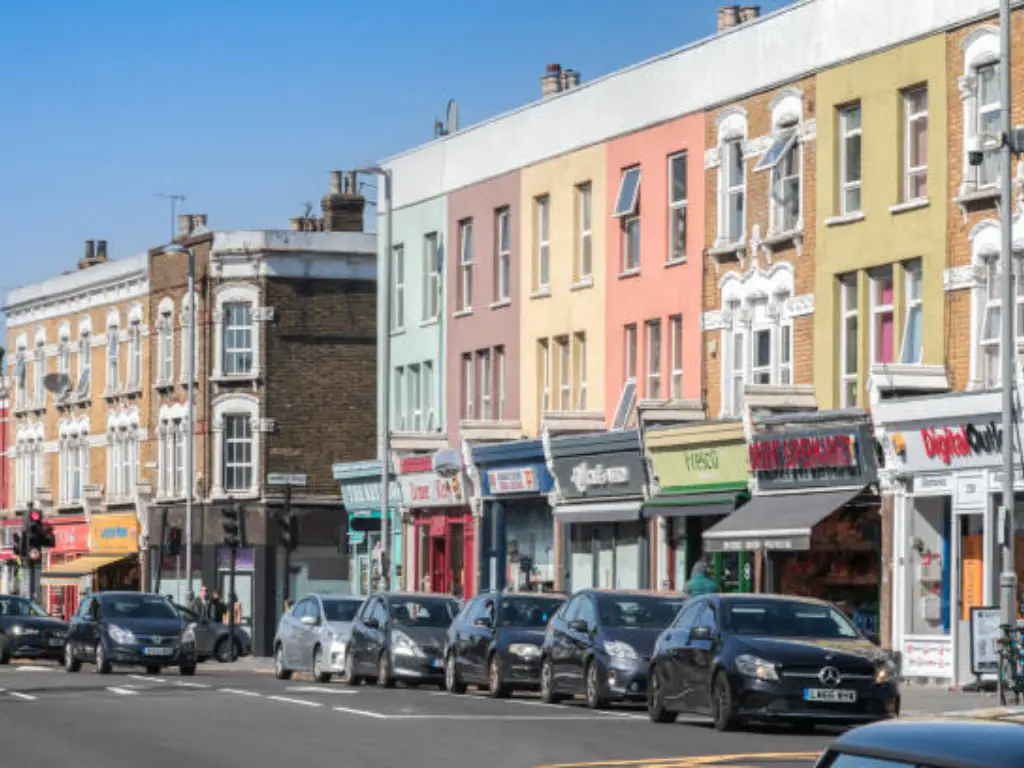
Einhaltung von Rechtsvorschriften und der Fahrplan für die Regulierung
Die Navigation durch das bürokratische Labyrinth der Gaststättengenehmigung ist sehr entmutigend, aber sie muss als ein Schutzwall um Ihr Unternehmen herum betrachtet werden. Die Nichteinhaltung von Auflagen bedeutet nicht nur eine Geldstrafe, sondern eine sofortige Schließung. Warten Sie nicht, bis Ihr Pachtvertrag unterzeichnet ist, um mit diesem Prozess zu beginnen. Sie müssen einen strengen 120-Tage-Countdown für die Einhaltung der Vorschriften einhalten.
- 120 Tage vorher: Rechtsträger und EIN. Gründen Sie Ihre LLC oder Corporation, um Ihr persönliches Vermögen zu schützen, und sichern Sie sich Ihre Employer Identification Number für Steuerzwecke.
- 90 Tage vorher: Überprüfung durch das Architektur- und Gesundheitsamt. Das örtliche Gesundheitsamt muss den Grundriss Ihrer Küche überprüfen, um die ordnungsgemäße Platzierung von 3-Kammer-Waschbecken, Handwaschstationen und abwaschbaren Oberflächenmaterialien sicherzustellen. Allein diese Überprüfung kann 4 bis 8 Wochen in Anspruch nehmen.
- 60 Tage im Voraus: Brandwache und Sicherheitssysteme. Wenn Sie braten oder grillen, ist der Brandschutzbeauftragte Ihr oberster Wächter. Ihr Ansul-System (automatische Feuerunterdrückung) muss strenge Tests bestehen.
- 30 Tage raus: ADA-Konformität und das CO. Sie können Ihre Türen nicht legal öffnen, bevor Sie das Certificate of Occupancy (CO) erhalten haben. Ein tragischer, aber häufiger Fehler ist die Fertigstellung eines schönen Gebäudes, nur um dann die Baugenehmigung verweigert zu bekommen, weil die Türöffnungen im Badezimmer nicht den Mindestbreiten des Americans with Disabilities Act (ADA) entsprechen, was zu einem teuren Abriss in letzter Minute führt.
Küchentechnik: Entwerfen für Geschwindigkeit, Fluss und Skalierbarkeit
Ihre Küche ist der Maschinenraum. In einer QSR-Umgebung bestimmt der Durchsatz - die maximale Anzahl der korrekten Bestellungen, die Sie pro Stunde bearbeiten können - Ihre Umsatzgrenze in Spitzenzeiten. Daher muss die Küchenplanung mit der Präzision eines F1-Boxenstopps angegangen werden. Jeder Schritt, den ein Mitarbeiter macht, wird in verlorenen Sekunden und sinkenden Gewinnspannen gemessen.
Die goldene Regel der Küchentechnik ist der absolute, unidirektionale Fluss: Vorbereiten → Kochen → Halten/Zusammenstellen → Verpacken → Abgeben. Diese Stationen müssen so konzipiert sein, dass sich die Rohstoffe in Richtung des Kunden bewegen, ohne dass sich die Wege der Mitarbeiter kreuzen oder sie physisch aneinander stoßen. Wenn Ihre Pommes-Station drei Schritte vom Burger-Fließband entfernt ist, muss ein Mitarbeiter pro Stunde möglicherweise 150 Schritte mehr gehen. In der Mittagspause bedeuten diese zusätzlichen Schritte eine Verzögerung von 15 Sekunden pro Bestellung, was zu kaltem Essen, aufgeregten Lieferfahrern und letztendlich zu einer dauerhaften Kundenabwanderung führt.
Außerdem müssen Sie für eine redundante Ausstattung sorgen. Kaufen Sie keine Haushaltsgeräte oder Geräte für leichte Aufgaben, um Geld zu sparen. Für einen Betrieb mit hohem Volumen sind kommerzielle Arbeitspferde mit UL- und NSF-Zertifizierungen erforderlich (auf die Gesundheitsinspektoren besonders achten). Die Investition in fortschrittliche Geräte, wie z. B. einen hocheffizienten Frymaster mit integrierter Ölfiltration, mag zwar im Vorfeld teurer sein, verdoppelt aber die Lebensdauer Ihres Speiseöls und senkt damit einen großen Teil der wiederkehrenden variablen Kosten aus Ihrer Kostenrechnung.
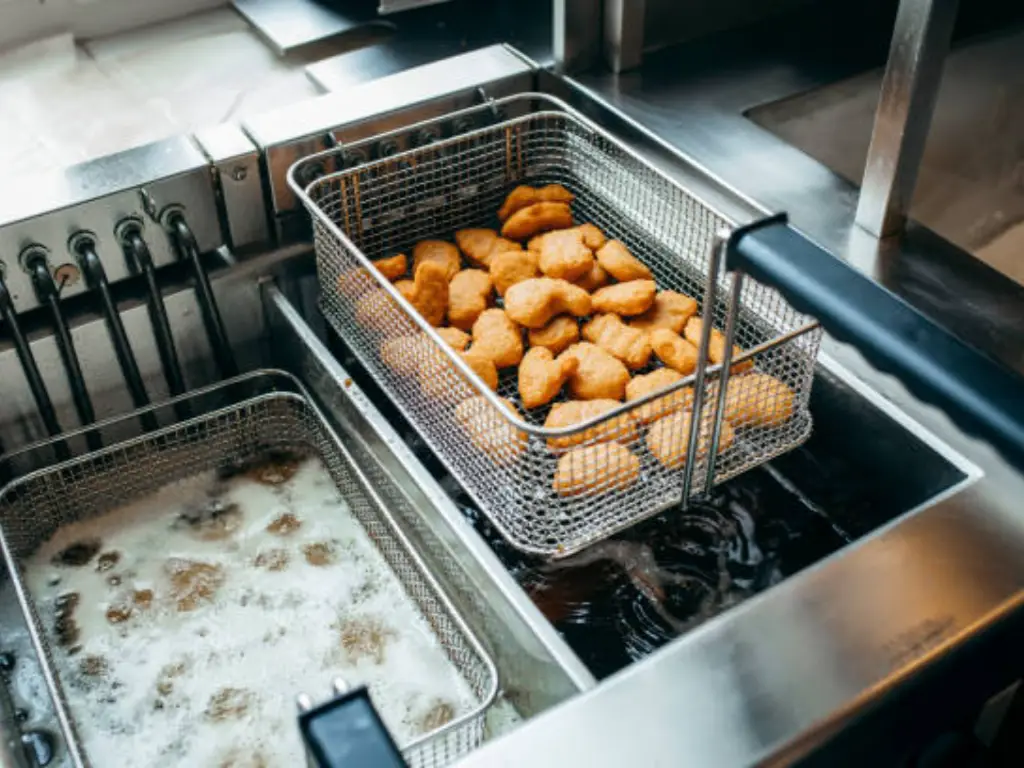
Der Plan für strategische Verpackungen: Ihr stiller Verkäufer und Produktschützer
In der Vergangenheit betrachteten Restaurantneulinge Verpackungen als notwendiges Übel - ein billiges Wegwerfprodukt, das zu einem möglichst niedrigen Preis eingekauft werden musste. In der heutigen Landschaft, in der die Außer-Haus-Verpflegung und die Lieferung durch Dritte oft 60 bis 80 Prozent der Einnahmen eines QSR ausmachen, ist diese Denkweise ein tödlicher blinder Fleck. Sobald das Essen die Theke verlässt, ist die Verpackung der einzige Schutz für die Integrität Ihres Produkts und der einzige physische Berührungspunkt zwischen Ihrer Marke und dem Verbraucher.
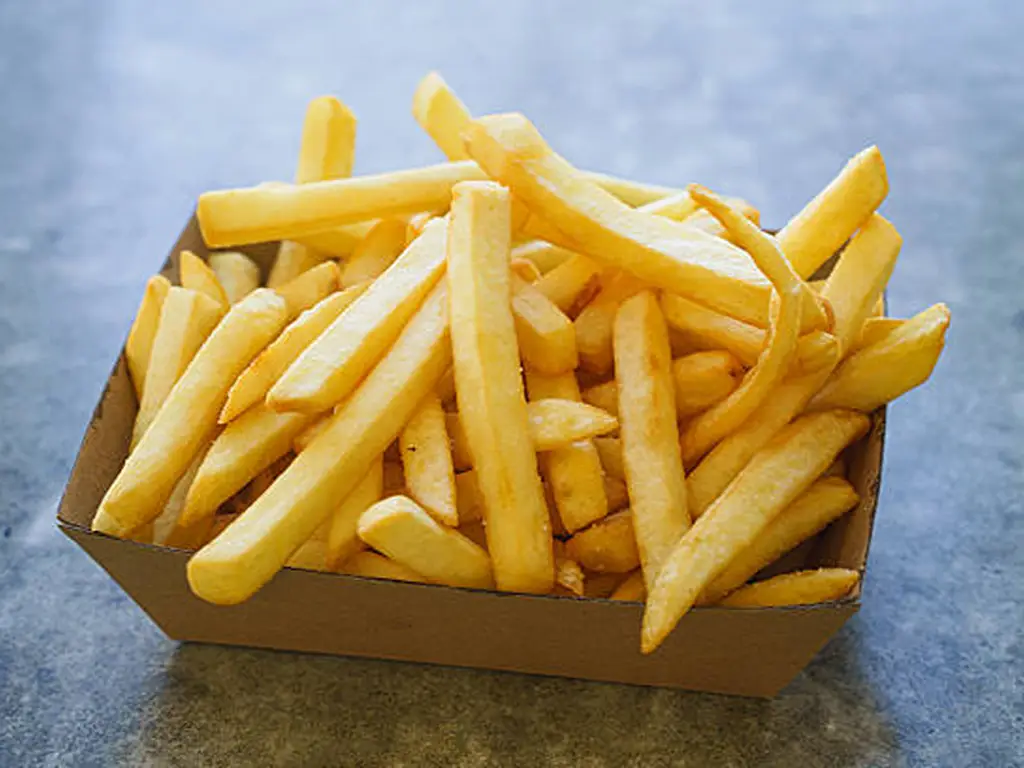
Denken Sie an die Physik einer heißen Pommes frites. Wenn Sie frische Pommes frites in einen vollständig versiegelten Behälter aus billigem Plastik oder schwerem EPS-Schaumstoff legen, kommt es innerhalb von Minuten zur Katastrophe. Die eingeschlossene Wärme führt zu massiver Kondensation und verändert die Wasserdampfdurchlässigkeit (MVTR). Bis der Lieferwagenfahrer eintrifft, haben sich Ihre perfekt knusprigen Pommes frites in ein matschiges, unappetitliches Durcheinander verwandelt, was eine 1-Stern-Bewertung und einen verlorenen Kunden garantiert. Fast-Food-Verpackungen erfordern Präzisionstechnik: strategisch platzierte Belüftungslöcher für frittierte Produkte, PLA (Polymilchsäure) als Innenbeschichtung, um das Durchsickern von Fett auf den Burgern zu verhindern, und eine stabile Struktur, die die chaotische Reise in der Thermotasche eines Fahrradkuriers übersteht.
Allerdings tappen Neulinge oft in eine verheerende finanzielle Falle, wenn sie versuchen, ihre Marke aufzuwerten. Sie glauben, dass sie vollständig individuell bedruckte Schachteln benötigen, um wie McDonald's oder Wendy's auszusehen. Sie wenden sich an einen Hersteller und werden mit Mindestbestellmengen (MOQs) von 50.000 bis 100.000 Stück pro SKU konfrontiert. Plötzlich ist ein Startup mit einer empfindlichen Betriebskapitalreserve gezwungen, $15.000 in Pappe zu investieren, die dann auf sechs riesigen Paletten ankommt und den winzigen Standort von 1.500 Quadratmetern völlig überfordert.
Die Lösung: Die Strategie "Downgrade & Premium Supply". Während der entscheidenden ersten 90 Tage müssen Sie Ihren Cashflow und Ihren Küchenplatz schützen. Die ultimative Übergangsstrategie besteht darin, mit einem erstklassigen globalen Hersteller zusammenzuarbeiten - insbesondere mit Fabriken, die BRC- und FDA-Zertifizierungen besitzen und aktiv für Giganten wie Burger King oder Tim Hortons produzieren. Indem Sie sich direkt an Weltklasse-Lieferanten wie Yoonpakkann ein unabhängiges Start-up-Unternehmen hochwertige, unbedruckte (weiße oder Kraft-) Verpackungen kaufen, die genau dieselbe fortschrittliche Ultraschallversiegelung und 100% auslaufsichere Technologie aufweisen, die von globalen Ketten verwendet wird.
Sie sichern sich die physische Leistung einer milliardenschweren Marke, aber zu unglaublich niedrigen Einstiegskosten. Um den Branding-Effekt ohne die Belastung durch die Mindestbestellmenge zu erzielen, bringen Sie einfach hochwertige, individuell bedruckte Rollenaufkleber auf diesen Premium-Generikboxen an. Diese Strategie garantiert, dass Ihre Speisen heiß, knusprig und auslaufsicher ankommen und dabei absolute Professionalität ausstrahlen. Sobald Sie das anfängliche "Tal des Todes" überstanden haben und Ihr tägliches Volumen stabil ist, können Sie die fortschrittlichen CMYK-Offset- und Flexodruckfähigkeiten von Yoonpak'nutzen, um nahtlos zu vollständig kundenspezifischen, migrationsarmen Sojatintenverpackungen überzugehen und Ihre Markenidentität zu skalieren, ohne jemals Ihre vertraute Lieferkette zu ändern.

Die digitale Infrastruktur: KDS, POS und das Eigentum an den Daten der ersten Partei
Modernes Fast Food ist im Wesentlichen ein Datengeschäft. Wenn man sich ausschließlich auf Drittanbieter (wie UberEats oder DoorDash) verlässt, entsteht eine gefährliche Illusion von Erfolg. Sie bieten zwar eine hervorragende Ausgangsbasis, aber ihre exorbitanten Provisionssätze von 25 bis 30 Prozent werden Ihre Nettomargen systematisch ausbluten lassen. Um einen dauerhaften Unternehmenswert zu schaffen, müssen Sie eine autonome digitale Infrastruktur aufbauen, die auf die Erfassung von Daten aus erster Hand ausgelegt ist.
Ihr technischer Stack sollte drei Komponenten nahtlos integrieren: den Front-of-House-Bereich (Ihr POS, die Selbstbedienungs-Kioske und die native mobile App), die Middleware (API-Aggregatoren wie Deliverect) und den Back-of-House-Bereich (Kitchen Display Systems - KDS). Wenn Sie keinen API-Aggregator verwenden, sind Ihre Mitarbeiter gezwungen, eingehende Tablet-Bestellungen manuell in Ihr POS-System einzugeben - ein Prozess, der immense Arbeitsstunden vergeudet und in Stoßzeiten zu katastrophalen menschlichen Fehlern führen kann.
Ein ausgeklügeltes KDS ersetzt die chaotische, altmodische Ticketschiene aus Papier. Es leitet die digitalen Auftragskomponenten automatisch an die richtigen Stationen weiter; so erscheinen beispielsweise die Änderungen für die Burger ausschließlich auf dem Bildschirm des Grillmeisters, während die Zeiten für die Bratenspeisung auf dem Bildschirm der Bratstation erscheinen. Diese digitale Synchronisierung reduziert die Ticketzeiten, senkt den Stress und sorgt für absolute Auftragsgenauigkeit, was die Grundvoraussetzung für die Kundenbindung ist.
Skalierbare Ausführung: Mechanismen der sanften Eröffnung und Beibehaltung
Der Eröffnungstag sollte nie wie eine Theaterpremiere behandelt werden; er muss als kontrollierter Stresstest angegangen werden. Ein "Grand Opening", das am ersten Tag stark beworben wird, endet in der Regel in einer Katastrophe: Das Personal ist nicht geschult, die Geräte sind nicht getestet, die Küche stürzt ab, und Hunderte von Einheimischen verlassen das Lokal mit einem schrecklichen ersten Eindruck, den sie in den sozialen Medien ausgiebig teilen werden.
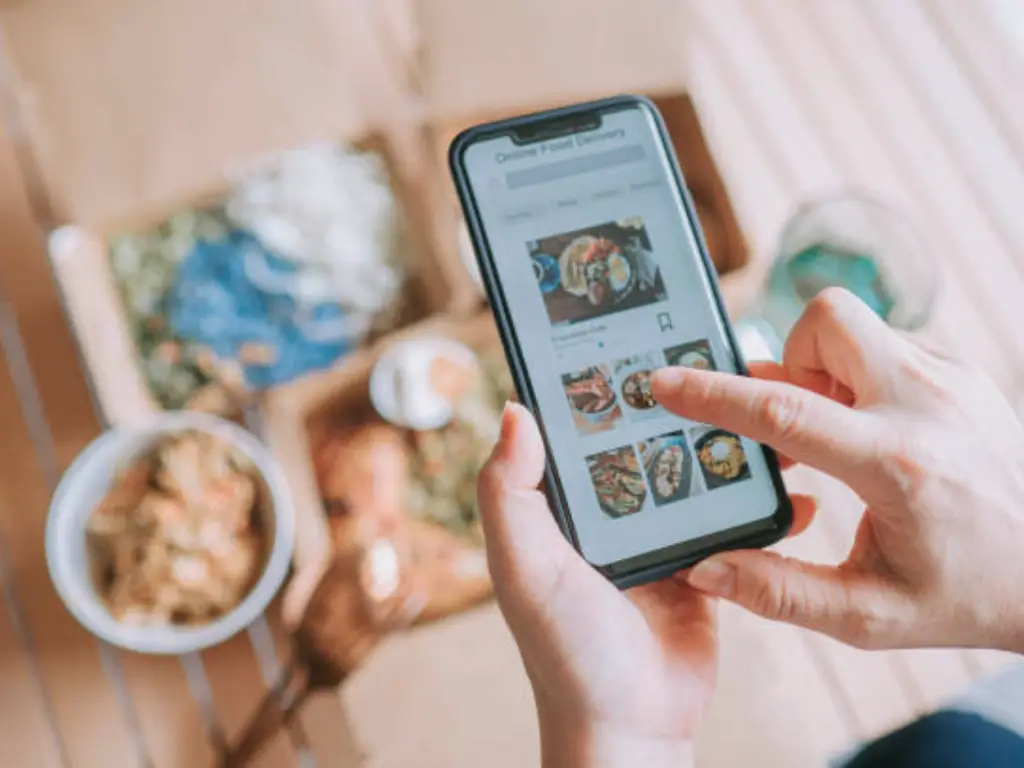
Die sanfte Eröffnung: Stresstest für Ihre Betriebsmaschine
Mindestens zwei Wochen vor der öffentlichen Vermarktung müssen Sie eine "sanfte Eröffnung" durchführen. Laden Sie Freunde, Familie und benachbarte Geschäftsinhaber ein. Hier geht es nicht darum, Gewinne zu erzielen, sondern darum, Ihre Systeme in einer sicheren Umgebung bewusst zu testen. Sie verfolgen eine kritische Kennzahl: die Ticket Time (die Zeitspanne von der Bestellung bis zum Eintreffen des Essens beim Kunden). In der QSR-Welt müssen sich die Drive-Thru- oder Quick-Takeout-Zeiten zwischen 3 und 4 Minuten einpendeln, während die Standard-Dine-In-Zeit 5 bis 7 Minuten nicht überschreiten sollte.
Während dieser Simulationen unter hohem Druck werden die schwächsten Glieder Ihres Betriebs schnell aufgedeckt. Abgesehen von Kassenabstürzen ist die häufigste Schwachstelle die Back-of-House-Logistik, d. h. wenn Ihnen die Verpackungen ausgehen oder wenn Sie feststellen, dass Ihre Köche nicht auf die Kartons zugreifen können, weil die sperrigen Kartons schlecht gelagert sind. Platz ist Ihr teuerstes Gut.
Bei der Auswahl Ihrer grundlegenden Lieferkettenpartner müssen Sie Bedingungen verlangen, die Ihre räumlichen Grenzen respektieren. Sie können es sich nicht leisten, dass zweitklassige Händler einen Jahresvorrat an Kartons in Ihrem Esszimmer abladen. Schließen Sie sich mit agilen Herstellern zusammen, die mit der Flexibilität eines Start-ups, aber der Kapazität eines Giganten arbeiten. Vergleichen Sie zum Beispiel mit Yoonpak's operativen Standards zeigt genau, was Sie erwarten können: Sie bieten digitale Korrekturabzüge innerhalb von 48 Stunden, eine Liefergeschwindigkeit, die den Branchendurchschnitt um eine ganze Woche übertrifft, und vor allem ein revolutionäres 1-monatige kostenlose Lagerhaltung. Indem sie Ihr Inventar aufbewahren und Ihnen erlauben, bei Bedarf Vorräte abzurufen, übernehmen sie effektiv die Kosten für die Lagerung. Bei $40 pro Quadratmeter Gewerbemiete spült ein Lieferant, der Ihren Lagerraum freimacht, direkt Geld in Ihren Gewinn. In Verbindung mit einer problemlosen, videobestätigten Austauschpolitik für defekte Artikel wird Ihr Betriebsrisiko vollständig neutralisiert.
Der Loyalitätskreislauf: Der Übergang von Laufkundschaft zu treuen Kunden
Mit dem Übergang zum Vollbetrieb muss sich Ihr Marketingschwerpunkt von der Akquisition auf die Kundenbindung verlagern. Die Rechnung ist unbestreitbar: Die Kundenakquisitionskosten (CAC) sind in der Gastronomie außergewöhnlich hoch. Wenn es Sie $5 an Marketing- oder Plattformrabatten kostet, einen neuen Kunden zu gewinnen, und dieser $15 ausgibt, um einen Nettogewinn von $3 zu erzielen, haben Sie Geld verloren. Die Wirtschaftlichkeit pro Einheit wird nur dann positiv, wenn Sie einen hohen Lifetime Value (LTV) erzwingen. Sie müssen Systeme entwickeln, die den Kunden dazu zwingen, innerhalb der ersten 90 Tage drei-, vier- oder fünfmal wiederzukommen.
Die effektivste Strategie, um sich vom Monopol der Drittanbieter zu befreien, ist die Technik des "Trojanischen Pferdes". In jede makellose, temperaturkontrollierte Lieferbox, die Ihr Geschäft verlässt, legen Sie eine hochwertige physische Beilage ein - ein Rückholangebot. Sie enthält einen scannbaren QR-Code, der einen Rabatt von 20 % auf die nächste Bestellung verspricht, vorausgesetzt, sie bestellen direkt über Ihre native Website oder App. Durch die Nutzung des physischen Unboxing-Erlebnisses - geschützt durch eine Premium-Verpackung - wandeln Sie nahtlos teuren, anonymen Drittanbieter-Traffic in hochprofitable, loyale Erstanbieter-Daten um. So wird aus dem reinen Verkauf von Fast Food ein belastbares, hochprofitables Handelsunternehmen.




 English
  German
  Spanish
  Italian
  Dutch
Dutch  French
  Portuguese
  Russian
  Arabic
  Korean