

Verpackungen für die Auslieferung von kaltem Kaffee: Becher, die den Transport überstehen und Ihre Marke ins Rampenlicht rücken
Kalten Kaffee im Café zu servieren ist ganz einfach: Der Becher landet auf der Theke, und der Kunde nimmt ihn mit. Aber der Lieferservice verändert alles. Sobald Ihr Eiskaffee das Café verlässt, steht ihm eine zwanzigminütige Reise bevor – voller klappernder Thermotaschen, sich bildendem Kondenswasser und winzigen Stößen. Die meisten Verpackungsempfehlungen ignorieren diese harte Realität und behandeln den Lieferservice wie eine einfache Erweiterung des Café-Service. In Wahrheit verlieren herkömmliche Becher bei Feuchtigkeit an Festigkeit, und es besteht die Gefahr, dass die Deckel undicht werden – was Ihr Getränk zu einem unangenehmen Erlebnis vor der Haustür macht. Dieser Leitfaden erläutert die spezifischen Materialien, Deckelsysteme und Branding-Strategien, die erforderlich sind, um sicherzustellen, dass Ihr kalter Kaffee den Transport übersteht und aktiv für Ihre Marke wirbt.
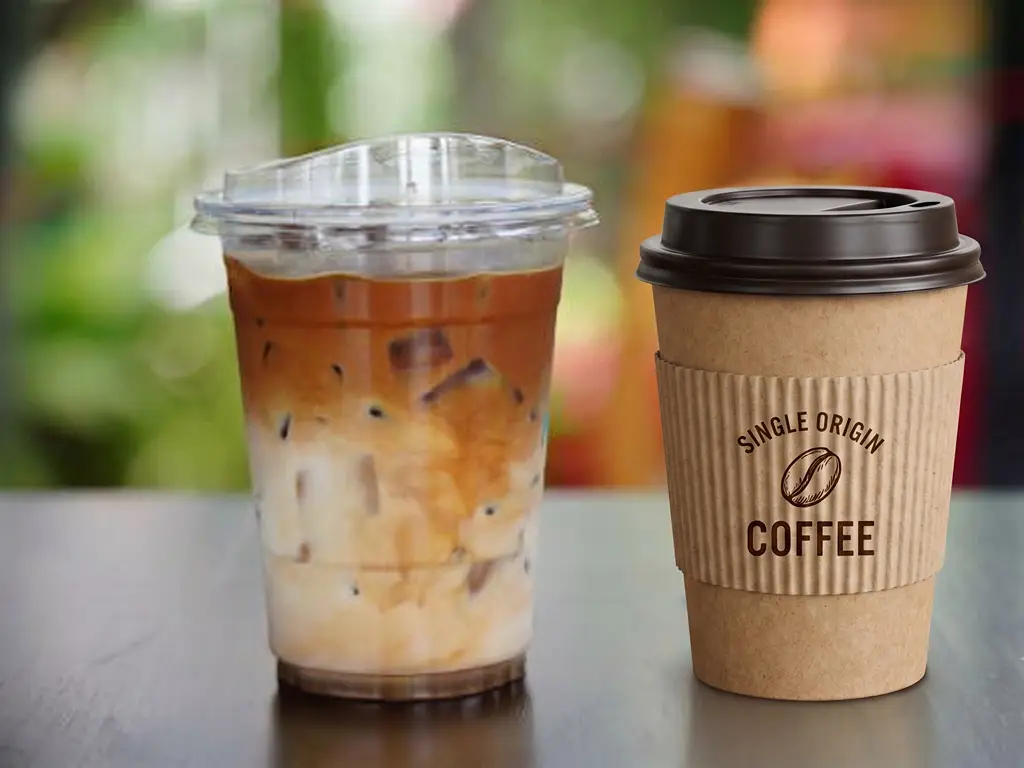
Warum Lieferverpackungen nichts mit dem Service im Ladengeschäft zu tun haben
Hier ist eine Situation, die jeder Cafébesitzer kennt – die aber nur wenige mit ihren Entscheidungen bezüglich der Verpackung in Verbindung bringen.
Ein Kunde bestellt einen Iced Latte. In deinem Café steht der Becher dreißig Sekunden lang auf der Theke, bevor der Kunde ihn in die Hand nimmt. Das Kondenswasser ist kein Problem. Dein Barista überprüft kurz, ob der Deckel fest sitzt. Sollte etwas schiefgehen, ersetzt du den Becher sofort und mit einem Lächeln.
Stellen Sie sich nun vor, derselbe Becher wird auf einer zwanzigminütigen Lieferfahrt transportiert. Er klappert in einer Kühltasche herum. An der Außenwand bildet sich Kondenswasser. Der Deckel wird bei jeder Kurve und jedem Schlagloch durch winzige Stöße beansprucht. Wenn er ankommt – nass, verschmiert, möglicherweise undicht –, hat Ihre Marke bereits versagt. Der Kunde öffnet seine Liefer-App und hinterlässt eine Bewertung, noch bevor er den Kaffee überhaupt probiert hat.
Genau diese Lücke wird in den meisten Ratgebern zum Thema Verpackungen übersehen. Im Internet gibt es unzählige Artikel, in denen PP- und PET-Becher verglichen, verschiedene Deckelarten aufgelistet oder Druckoptionen erläutert werden. Doch fast keiner davon geht von der Frage aus, auf die es eigentlich ankommt: Was passiert mit Ihrem Becher auf dem Weg von Ihrer Theke bis zur Haustür Ihres Kunden?
Drei lieferungsspezifische Probleme machen generische Becher zu einem Risiko für die Marke. Erstens schwächt Kondenswasser die Struktur des Bechers – ein Papierbecher, der zwanzig Minuten lang dem Kondenswasser kalter Flüssigkeiten ausgesetzt ist, kann laut einer Studie der LUT-Universität einen messbaren Teil seiner Druckfestigkeit einbüßen, da Feuchtigkeit in die Fasermatrix eindringt (Richtig, 2024). Zweitens sind defekte Deckel während des Transports die häufigste Ursache für Beschwerden bei der Lieferung in der Getränkebranche. Drittens vermittelt ein schlichter weißer Becher, der vor der Haustür ankommt, absolut nichts über Ihre Marke – und das gerade in dem Moment, in dem der erste Eindruck am wichtigsten ist.
Für jedes dieser Probleme gibt es eine Lösung. Im weiteren Verlauf dieses Leitfadens werden diese Probleme Material für Material und Komponente für Komponente behandelt, damit Sie vom ersten Tag an Verpackungsentscheidungen treffen können, die für den Versand optimiert sind.
Bechermaterialien, die den Transport von kaltem Kaffee tatsächlich überstehen
Bevor Sie sich mit den einzelnen Materialien befassen, beantworten Sie bitte drei Fragen zu Ihrem Unternehmen. Dadurch werden die Empfehlungen in diesem Abschnitt zu einer Wahlmöglichkeit und nicht zu einer Belehrung.
Erstens: Wie lange dauert die durchschnittliche Ausgabezeit? Unter fünfzehn Minuten, fünfzehn bis dreißig Minuten oder länger? Die Dauer bestimmt, wie stark Ihr Becher durch Kondenswasserbelastung beansprucht wird. Zweitens: Wo positioniert sich Ihre Marke – preisbewusst, Premium-Spezialitäten oder umweltorientiert? Ihre Materialwahl sollte Ihre Markenbotschaft widerspiegeln. Drittens: Servieren Sie ausschließlich kalte Getränke oder sowohl heiße als auch kalte? Gemischte Speisekarten erfordern ein einheitliches Bechersystem und keine geteilte Lösung.
Behalten Sie diese Antworten im Hinterkopf, während Sie sich die vier unten aufgeführten Materialoptionen durchlesen.
PP-Becher – das Arbeitstier für die Auslieferung von rein gekühlten Getränken
Becher aus Polypropylen sind die praktischste Wahl für den Vertrieb großer Mengen von kaltem Kaffee. Sie sind kondensationsbeständig, ohne dabei weich zu werden, halten den Erschütterungen und gelegentlichen Stürzen während des Transports stand und sind bei großen Stückzahlen kostengünstiger als jede andere Alternative.
Die materialwissenschaftlichen Grundlagen dieser Zuverlässigkeit sind einfach. PP hat eine Wärmeformbeständigkeitstemperatur von etwa 100 °C, was bedeutet, dass kalte Getränke mit einer Temperatur von 0–4 °C keinerlei strukturelles Risiko darstellen. Das Material bleibt auch dann formstabil, wenn die Außenseite des Bechers durch Kondenswasser glitschig ist. Mit Kosten von $0,02–0,06 pro Becher für eine Standardgröße von 12–16 oz vor dem Bedrucken ist PP die kostengünstige Option, die sich dennoch hochwertig anfühlt.
Der Nachteil liegt in der Druckqualität. PP weist eine geringe Oberflächenenergie auf – etwa 29–31 Dyn pro Zentimeter –, was bedeutet, dass die Tinte ohne eine Korona-Vorbehandlung, die den Wert auf über 38 Dyn erhöht, nicht gut haftet. Planen Sie die Kosten für diesen Schritt in Ihren Druckkosten ein oder finden Sie sich damit ab, dass komplexe, fotorealistische Designs auf unbehandeltem PP nicht sauber wiedergegeben werden. Für die meisten auf den Versand ausgerichteten Druckereien, die einfache Logos und ein- oder zweifarbige Designs drucken, bietet behandeltes PP eine zuverlässige Markenpräsentation zu den niedrigsten Stückkosten.
PP-Becher sind der Toyota Corolla unter den Versandverpackungen: Sie werden zwar keine Designpreise gewinnen, lassen einen aber niemals am Straßenrand im Stich.
PET-Becher – Wenn Ihr Getränk das Aushängeschild ist
Wenn Ihr Cold Brew mehrere Schichten aufweist – Espresso, der auf der Milch schwimmt, ein Farbverlauf von dunkler Röstung bis hin zu Creme –, möchten Sie, dass der Kunde dies sieht, bevor er das Getränk probiert. PET-Becher sind die einzige Option, bei der das Getränk selbst Teil des Markenerlebnisses wird.
PET ist kristallklar, leicht und lässt sich hervorragend fotografieren. Das ist wichtig, denn kalter Kaffee gehört zu den Getränkekategorien, die am häufigsten auf Instagram gepostet werden. Ein transparenter Becher macht jede Lieferung zu einer potenziellen Gelegenheit für User-Generated-Content: Der Kunde macht ein Foto, veröffentlicht es, und Ihr Becher – mit Ihrem Logo, das klar und deutlich auf transparentem Hintergrund aufgedruckt ist – erreicht ein Publikum, für das Sie nichts bezahlt haben.
Bei PET ist die Temperaturempfindlichkeit zu beachten. Bei Temperaturen nahe dem Gefrierpunkt wird PET spröder. Wenn Sie im Winter in nördlichen Regionen ausliefern, kann ein PET-Becher, der den Transport im Sommer unbeschadet überstanden hat, zerbrechen, wenn die Tasche des Fahrers mit der eisigen Luft in Berührung kommt und die Straße uneben ist. Das ist zwar kein Ausschlusskriterium – täglich werden Millionen von Cold-Brew-Bechern aus PET versandt –, aber es ist ein Faktor, den Sie unter Ihren tatsächlichen Lieferbedingungen testen sollten, bevor Sie sich zu einer Großbestellung entschließen.
Was die Nachhaltigkeit angeht, hat herkömmliches PET ein Imageproblem in Bezug auf die Umwelt, das bei neuem PP nicht besteht. Die Alternative ist rPET – recyceltes PET –, für dessen Verwendung in Lebensmittelkontaktanwendungen eine Unbedenklichkeitsbescheinigung der FDA erforderlich ist. rPET ist teurer, in der Regel $0,05–0,10 pro Becher, und die Verfügbarkeit variiert je nach Hersteller. Wenn Nachhaltigkeit für Ihre Marke von zentraler Bedeutung ist, Sie aber die Klarheit von PET wünschen, ist rPET der richtige Weg – vergewissern Sie sich lediglich, dass Ihr Lieferant über die erforderliche FDA-Zulassung verfügt.
Pappbecher – die umweltfreundliche erste Wahl, die zusätzliche technische Lösungen erfordert
Papierbecher sind die Standardwahl für heißen Kaffee. Für die Auslieferung von kaltem Kaffee benötigen sie jedoch eine grundlegend andere Konstruktion. Diesen Unterschied zu übersehen, ist der häufigste Verpackungsfehler, den neue Marken im Bereich der Kaltgetränke-Lieferung begehen.
Ein herkömmlicher Pappbecher für Heißgetränke ist mit einer dünnen Polyethylen-Beschichtung versehen, um ein Durchsickern der Flüssigkeit zu verhindern. Bei Heißgetränken funktioniert dies, da der Temperaturunterschied die Feuchtigkeit nach außen, weg vom Papier, treibt. Bei kalten Getränken kehrt sich die Richtung um: Die äußere Kondensfeuchtigkeit dringt nach innen und sättigt die äußere Papierschicht. Innerhalb von zwanzig bis dreißig Minuten nach Kontakt mit Kälte kann ein einwandiger, mit PE beschichteter Becher erheblich an Festigkeit verlieren. Die Außenfläche wird weich, aufgedruckte Logos verschwimmen, und der Becher fühlt sich in der Hand des Kunden instabil an.
Drei Beschichtungstechnologien bieten hierfür Lösungen, die jeweils unterschiedliche Vor- und Nachteile mit sich bringen. Die herkömmliche PE-Beschichtung ist die kostengünstigste und am weitesten verbreitete Variante, jedoch weder biologisch abbaubar noch über die üblichen kommunalen Abfallströme recycelbar. PLA-Beschichtungen – hergestellt aus Maisstärke oder Zuckerrohr – sind gemäß den Normen EN 13432 oder ASTM D6400 industriell kompostierbar, kosten jedoch mehr und erfordern den Zugang zu kommerziellen Kompostieranlagen, über die viele Städte noch nicht verfügen. Beschichtungen auf Wasserbasis sind die am schnellsten wachsende Kategorie in den Jahren 2025–2026: Sie sind wiederverwertbar, im normalen Papierstrom recycelbar und FSC-konform, werden jedoch noch nicht von jedem Hersteller angeboten.
Neben der Beschichtung spielt auch die Struktur eine Rolle. Ein doppelwandiger oder geriffelter Pappbecher schafft einen 1–2 mm breiten Luftspalt zwischen der inneren und der äußeren Schicht. Diese Luftkammer wirkt als thermische Trennung – an der kalten Innenwand bildet sich Kondenswasser, während die Außenwand trocken und formstabil bleibt, wodurch die Druckqualität während des gesamten Lieferprozesses erhalten bleibt. Der Mehrpreis für doppelwandige Becher liegt bei etwa 30–50% gegenüber einwandigen Bechern, doch die Verbesserung des Kundenerlebnisses bei der Zustellung ist unmittelbar spürbar und sichtbar.
Die Wahl zwischen braunem Kraftpapier und gebleichtem weißem Karton ist eine Frage der Markenpositionierung und keine technische Entscheidung. Kraftpapier vermittelt einen rustikalen, handwerklichen und umweltbewussten Eindruck. Weißer Karton wirkt sauber, modern und nüchtern. Keines der beiden Materialien ist „besser“ – aber egal, wofür Sie sich entscheiden: Passen Sie es an den Markenton an, den Ihre Kunden bereits von Ihrem Kaffee erwarten.
PLA- und kompostierbare Becher – Das ehrgeizige Nachhaltigkeitsziel
PLA-Becher befinden sich an der Schnittstelle zwischen Idealismus und Realität. Sie werden aus Pflanzen und nicht aus Erdöl hergestellt. Sie sind unter den richtigen Bedingungen als kompostierbar zertifiziert. Und sie kosten 80–200% mehr als vergleichbare PP-Produkte, erfordern dabei jedoch eine Infrastruktur, die in den meisten Märkten noch nicht vorhanden ist.
PLA ist eine sinnvolle Wahl für eine bestimmte Art von Marke: eine Marke, die ihre gesamte Identität auf Nachhaltigkeit ausgerichtet hat, deren Kunden aktiv nach kompostierbaren Verpackungen suchen und die in Regionen tätig ist, in denen industrielle Kompostieranlagen zur Verfügung stehen. Für alle anderen – insbesondere für Marken, die ihr Liefermodell erst noch unter Beweis stellen müssen – ist PLA ein Zukunftsziel, keine gegenwärtige Notwendigkeit.
Die technische Einschränkung ist unerbittlich: PLA wird bereits bei 50–60 °C weich, was bedeutet, dass es ausschließlich für Kaltgetränke geeignet ist. Wenn Ihre Speisekarte sowohl heißen als auch kalten Kaffee umfasst, benötigen Sie zwei verschiedene Bechermaterialien, was die Lagerhaltung und die Bestellung erschwert. Das Versprechen der Kompostierbarkeit erfordert zudem eine Aufklärung der Verbraucher – die meisten Kunden kennen den Unterschied zwischen industrieller Kompostierung und Kompostierung im eigenen Garten nicht, und ein PLA-Becher, der in den Müll geworfen wird, ist auf derselben Deponie nicht umweltfreundlicher als PP.
Wenn PLA zu Ihrer Marke und Ihrem Markt passt, achten Sie auf die BPI-Zertifizierung (Nordamerika) oder das DIN CERTCO-Sämling-Logo (Europa) im Produktdatenblatt Ihres Herstellers. Ohne diese Kennzeichnungen ist „kompostierbar“ lediglich ein Marketingbegriff und keine nachprüfbare Angabe.
Das „Lid-Leak“-System: Was die Kühllieferung tatsächlich erfordert
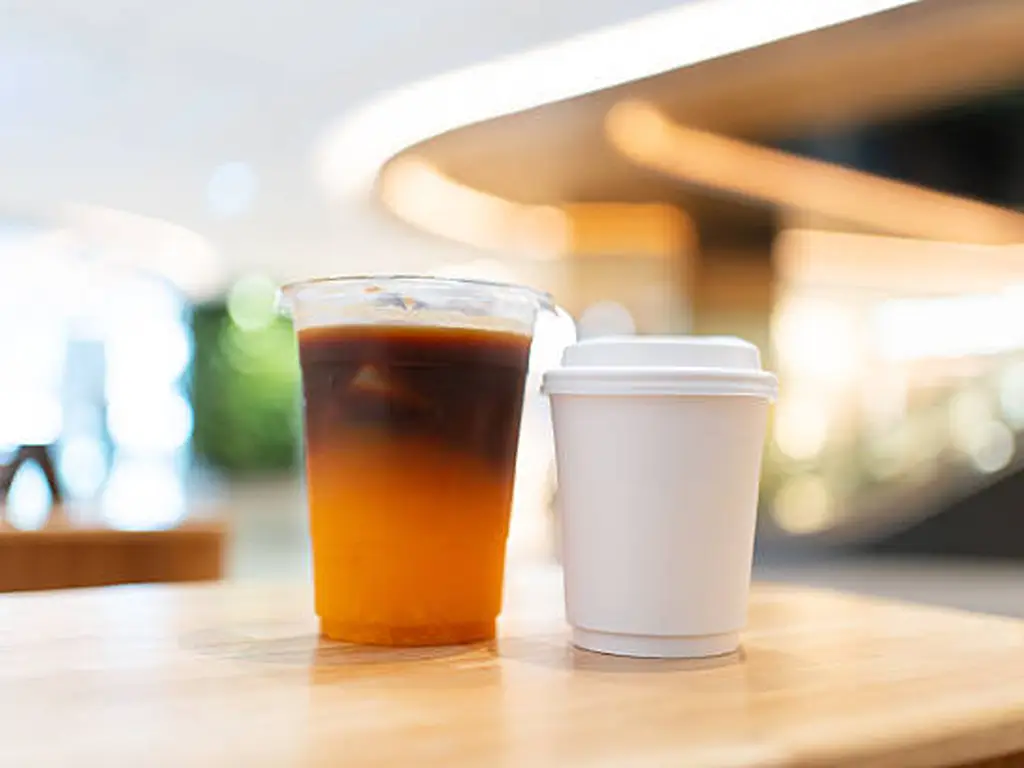
Ein guter Becher mit einem schlechten Deckel sorgt für ein schlechtes Liefererlebnis. Der Konsens in der Branche ist eindeutig: Defekte an den Deckeln sind die Hauptursache für Beschwerden im Bereich der Getränkelieferung. Bei der Wahl des richtigen Deckels geht es nicht darum, abstrakt den „besten“ Deckel-Typ auszuwählen – vielmehr geht es darum, den Deckel mit technischer Präzision und ohne Spekulationen genau auf den Becher, das Getränk und die Lieferentfernung abzustimmen.
Stellen Sie sich das als ein Drei-Punkte-System vor. Alle drei Punkte müssen erfüllt sein, damit eine leckagefreie Lieferung gewährleistet ist.
Deckelarten, die beim Versand tatsächlich dicht halten
Vier Verschlussformate dominieren den Markt für Kaltgetränke, und jedes löst ein anderes Problem.
Flache Deckel sind die einfachste und gängigste Variante. Sie werden durch Reibung auf den Becherrand aufgedrückt und funktionieren zuverlässig, wenn die Toleranz des Bechermunddurchmessers eng ist – ±0,3 mm ist der Branchenstandard; ±0,15 mm entspricht einer Präzision der Spitzenklasse, die das Risiko des Abspringens praktisch ausschließt. Für normalen Eiskaffee und Cold Brew ohne Toppings reicht ein gut passender flacher Deckel völlig aus.
Kuppelförmige Deckel bieten zusätzlichen Platz für Schlagsahne, Kaltschaum oder Eis, das über den Rand hinausragt. Der Nachteil liegt in der Konstruktion: Die Kuppelform erzeugt eine Hebelwirkung. Bei einem seitlichen Aufprall in einer Lieferverpackung wirkt ein höheres Drehmoment auf den Halt des Deckels am Rand. Kuppelförmige Deckel erfordern ein besonders sicheres Randprofil – achten Sie auf eine ausgeprägte Hinterschneidung statt auf eine flache Wulst.
Trinkdeckel mit wiederverschließbarer Lasche sind der aufstrebende Star im Bereich der Kaltgetränkelieferung. Sie machen einen separaten Strohhalm überflüssig, verringern das Auslaufrisiko, das durch das Einstecken eines Strohhalms entsteht, und die Lasche sorgt dafür, dass das Getränk während des Transports zwischen den Schlucken dicht verschlossen bleibt. Die Neugestaltung der Kaltgetränkedeckel durch Starbucks im Jahr 2018 hat dieses Format populär gemacht, und seitdem hat die Akzeptanz bei den Herstellern rasant zugenommen.
Versiegelungsfolie – die von Bubble-Tea-Läden verwendete, heißversiegelte Membran – bietet die höchste Auslaufsicherheit aller Varianten, da sie eine durchgehende, verschweißte Barriere bildet und nicht auf einer mechanischen Reibungsverbindung beruht. Der Nachteil ist, dass am Abfüllort eine Versiegelungsmaschine erforderlich ist, was Ihren Arbeitsablauf um einen Schritt verlängert. Für Betriebe mit hohem Lieferaufkommen, die ausschließlich auf den Lieferservice setzen, kann sich der zusätzliche Arbeitsaufwand angesichts der nahezu nullprozentigen Auslaufrate lohnen.
Unabhängig vom Format gilt eine Regel unbedingt: Kaufen Sie Becher und Deckel vom selben Hersteller als aufeinander abgestimmtes System. Die Kombination von Bechern der Marke A mit Deckeln der Marke B – selbst wenn beide angeblich denselben Durchmesser haben – ist die Hauptursache für die meisten Probleme mit den Deckeln. Polypropylen und PET weisen unterschiedliche Wärmeausdehnungskoeffizienten auf (die sich um etwa den Faktor zwei unterscheiden), was bedeutet, dass sich ein für PP-Becher konzipierter Deckel auf einem PET-Becher lockern kann, da sich beide während des Transports erwärmen und abkühlen. Lernen Sie diese Lektion nicht erst aus Kundenbeschwerden.
Die einzige zuverlässige Prüfmethode ist der Schütteltest: Füllen Sie einen Becher bis zur 80%-Markierung mit kaltem Wasser, verschließen Sie den Deckel, legen Sie ihn in Ihre eigentliche Lieferverpackung und schütteln Sie diese 30 Sekunden lang kräftig. Jede Undichtigkeit – selbst wenn es nur ein paar Tropfen sind – bedeutet, dass das System den Test nicht besteht. Kein Datenblatt kann diesen Test ersetzen.
Schutz vor Kondenswasserbildung bei Druck und Struktur
Kondensation ist nicht nur ein Komfortproblem – sie ist ein Mechanismus, der Druckerzeugnisse zerstört und bei jeder Ausgabe unbemerkt wirkt.
Wenn ein kalter Becher auf warme Umgebungsluft trifft, kondensiert Wasserdampf an der Außenfläche. Diese Feuchtigkeit greift gedruckte Grafiken auf vier Arten an: Herkömmliche Offsetdruckfarben lösen sich auf und verschmieren; das Papiersubstrat quillt auf und bildet Blasen; Klebeetiketten lösen sich ab; und farbstoffbasierte Druckfarben wandern, wodurch scharfe Logos zu verschwommenen Geisterbildern werden. In kontrollierten Tests zeigten herkömmliche Offsetfarben auf unbeschichteten Pappbechern bereits nach nur dreißig Minuten Einwirkung von Feuchtigkeit eine Farbverschiebung von mehr als ΔE 5 – ein Unterschied, der mit bloßem Auge schon vom anderen Ende des Raums aus sichtbar ist.
Es gibt drei Schutzmaßnahmen. UV-gehärtete Druckfarben sind am widerstandsfähigsten – sie vernetzen sich zu einem festen Polymerfilm, der feuchtigkeitsbeständig ist und die Farbverschiebung nach der Belichtung unter ΔE 1,5 hält, was im Wesentlichen nicht wahrnehmbar ist. Wasserbasierte Überzugslacke bilden eine transparente, wasserfeste Barriere über herkömmlichen Druckfarben; sie sind kostengünstiger als eine vollständige UV-Härtung, aber bei längerer Einwirkung weniger beständig. Der konstruktive Schutz – eine Doppelwand- oder Rippenwandkonstruktion – umgeht das Problem gänzlich, indem die bedruckte Außenwand thermisch von der kalten Innenwand getrennt wird, sodass Kondenswasser gar nicht erst an die Druckoberfläche gelangen kann.
Wenn Ihre Marke individuell bedruckte Becher verwendet und Ihre durchschnittliche Lieferzeit mehr als fünfzehn Minuten beträgt, sollten Sie nicht auf herkömmliche Offsetdruckfarben ohne Feuchtigkeitsschutz setzen. Die Rechnung ist einfach: UV-Druck oder eine wasserbasierte Beschichtung kosten nur Bruchteile eines Cent pro Becher. Ein Kunde, der einen Becher erhält, auf dem Ihr Logo so verschmiert ist, dass es unleserlich ist, kostet Sie Folgeaufträge.
Ihr Becher mit Markenlogo ist eine unbezahlte Lieferflotte
Die meisten Cafébesitzer planen ihre Ausgaben für Tassen, indem sie die Stückpreise vergleichen. Diese Rechnung ist einfach – und falsch.
Eine schlichte weiße Tasse kostet pro Stück etwa $0,03–0,05 weniger als eine individuell bedruckte. Multipliziert man dies mit fünftausend Tassen pro Monat, belaufen sich die Einsparungen auf $150–250. Die meisten Betreiber belassen es dabei und bestellen die Standardvariante.
Betrachten wir nun die andere Seite der Medaille. Jeder Lieferbecher wandert von Ihrem Geschäft durch die Stadt, in ein Büro oder eine Wohnung und landet auf einem Schreibtisch oder einer Küchentheke. Konservativ geschätzt sehen ihn drei Personen – der Kunde, ein Kollege oder Familienmitglied sowie jemand im Aufzug oder auf der Straße. Fünftausend Becher bedeuten fünfzehntausend Markeneindrücke pro Monat. Bei $150 an zusätzlichen Druckkosten betragen Ihre Kosten pro tausend Impressionen $10. Instagram-Werbung in der Kategorie Kaffee und Lebensmittel kostet in der Regel $10–20 CPM – und dabei handelt es sich um passive Impressionen, an denen die Nutzer vorbeiscrollen, da sie darauf trainiert sind, Werbung zu ignorieren. Ihr Becher ist ein physischer Gegenstand in der Hand einer Person, der aufmerksam betrachtet und mit einer positiven Erfahrung verbunden wird: gutem Kaffee.
Die Daten zu Wiederholungskäufen untermauern dies. Eine Verbraucherumfrage von Macfarlane Packaging aus dem Jahr 2024 ergab, dass 56% der Verbraucher angeben, dass Markenverpackungen sie zu Wiederholungskäufen animieren, und 52% lassen sich speziell durch hochwertige Verpackungen zu Nachbestellungen veranlassen (Macfarlane Group, 2024). Unabhängig davon berichtete Dotcom Distribution, dass 40% der Verbraucher eher dazu neigen, erneut bei Marken zu kaufen, die hochwertige Verpackungen verwenden. Der Becher ist kein Verpackungskostenfaktor – er ist ein Instrument zur Kundenbindung und ein Medienkanal, vereint in einem einzigen Artikel, den Sie ohnehin schon gekauft haben.
| Abmessung | Weißer Becher (Standard) | Becher mit individuellem Aufdruck |
|---|---|---|
| Stückkosten (12–16 oz) | ein Drittel eines Viertels eines Tenpence | ein- bis viermal 0,05–0,12 |
| Monatliche Markeneinprägungen (5.000 Tassen) | 0 | ~15,000 |
| Kosten pro tausend Impressionen (CPM) | K.A. | eins, zwei, vier, sieben, neunzehn |
| Förderung von Wiederholungskäufen | 0% | 52–56% Verbraucher |
| Das Potenzial von nutzergenerierten Inhalten in sozialen Medien | Minimal | Hoch (Markenbecher auf jedem Foto) |
| Kundenwahrnehmung | Rohstofflieferant | Premium-Marke |
Nicht jedes Geschäft benötigt individuell bedruckte Becher. Wenn Sie den Posten „Becher“ jedoch lediglich als Kostenfaktor betrachten, den es zu minimieren gilt, lassen Sie den kostengünstigsten Kanal zur Markenbildung in Ihrem Unternehmen ungenutzt. Für eine Marke, bei der der Lieferservice im Vordergrund steht – und bei der der Becher der einzige physische Kontaktpunkt ist, den der Kunde jemals hat –, lässt sich der Verzicht auf eine individuelle Bedruckung kaum rechtfertigen.
Zertifizierungen, die bei Verpackungen für Kaltgetränke wirklich zählen
Wenn Sie beginnen, Kontakt zu Becherherstellern aufzunehmen, werden in jedem Gespräch Zertifizierungsangaben zur Sprache kommen. Einige davon sind für den legalen Marktzugang unverzichtbar. Andere sind Glaubwürdigkeitssignale, die Ihre eigene Markengeschichte stärken. Wieder andere sind für die Verpackung von kaltem Kaffee irrelevant und dienen lediglich dazu, die Marketingunterlagen des Herstellers aufzublähen. Den Unterschied zu kennen, spart Zeit und schützt Sie vor Compliance-Lücken.
| Zertifizierung | Vollständiger Name | Was es regelt | Obligatorisch? | Primärmärkte |
|---|---|---|---|---|
| FDA 21 CFR 176.170/180 | Behörde für Lebensmittel und Arzneimittel | Sicherheit von Papier im Kontakt mit Lebensmitteln | ✅ Ja | Vereinigte Staaten |
| LFGB / EU 1935/2004 | EU-Rahmenverordnung | Sicherheit von Materialien, die mit Lebensmitteln in Berührung kommen | ✅ Ja | Europäische Union |
| FSC | Forest Stewardship Council | Nachhaltige Waldbewirtschaftung | Empfohlen | Weltweit |
| ISO 9001 | Qualitätsmanagementsysteme | Prozesskonsistenz | Empfohlen | Weltweit |
| ISO 14001 | Umweltmanagement | Umgebungsbedingungen | Empfohlen | Weltweit |
| BRC GS | British Retail Consortium | Sicherheitsmanagement im Verpackungsbereich | Große Ketten | Weltweit (Einzelhandel in Großbritannien/der EU) |
| BPI | Institut für biologisch abbaubare Produkte | Kompostierbarkeit (ASTM D6400) | Nur PLA | Nord-Amerika |
| DIN CERTCO / EN 13432 | DIN — industrielle Kompostierbarkeit | Kompostierbarkeit (EN 13432) | Nur PLA | Europäische Union |
Eine praktische Faustregel: FDA plus LFGB bilden Ihre rechtliche Mindestanforderung – ohne beides dürfen Ihre Becher rechtlich nicht auf die beiden größten Märkte für Eiskaffee gelangen. FSC ist ein Markenverstärker, der alle Nachhaltigkeitsversprechen untermauert, die Sie Ihren Kunden geben. ISO 9001 und ISO 14001 signalisieren gemeinsam, dass ein Hersteller einen professionellen, auditierten Betrieb führt und kein Handelsunternehmen mit undurchsichtiger Beschaffung ist. Die BRC-Zertifizierung ist die Grundvoraussetzung für die Belieferung großer Ketten – wenn Ihr Wachstumsplan Großkunden umfasst, sollten Sie von Anfang an auf BRC-Zertifizierung achten. BPI und DIN spielen nur dann eine Rolle, wenn Sie sich für PLA-Becher entscheiden, und selbst dann nur, wenn Ihre Kunden Zugang zu industriellen Kompostieranlagen haben.
So beurteilen Sie einen Becherhersteller – jenseits der Verkaufsargumente
Sie kennen die Materialoptionen, Deckelkonfigurationen, die Wirtschaftlichkeit der Markenpräsentation und die Zertifizierungsanforderungen. Setzen Sie dieses Wissen nun in einen Lieferantenauswahlprozess um, der die häufigsten Fehler von Erstkäufern berücksichtigt.
Bevor Sie sich auf einen einzelnen Auftrag festlegen, sollte ein guter Hersteller bereitwillig vier Dinge bereitstellen. Wenn ein Lieferant zögert, ausweicht oder für eines dieser Dinge Gebühren verlangt – betrachten Sie dies als Warnsignal. Das ist für sich genommen zwar kein Ausschlusskriterium, sollte aber bei Ihrer Bewertung berücksichtigt werden.
Flexibilität bei der Mindestbestellmenge – Der erste Ehrlichkeitstest
Die Mindestbestellmenge ist nicht nur eine Zahl. Sie gibt Aufschluss darüber, auf welche Art von Kunden die Fabrik ausgerichtet ist.
Die Hersteller lassen sich grob in drei Kategorien einteilen. Betriebe mit Mindestbestellmengen im Bereich von 1.000 bis 5.000 Stück pro Design sind auf kleine Marken, Start-ups und limitierte Auflagen ausgerichtet. Diejenigen mit Mindestbestellmengen von 10.000 bis 50.000 Stück bedienen mittelgroße Ketten und regionale Distributoren. Ab 100.000 Stück befindet man sich im Unternehmensbereich – nationale Schnellrestaurantketten und globale Marken.
Ihr Ziel ist es nicht, die niedrigste Mindestbestellmenge zu finden. Vielmehr geht es darum, einen Hersteller zu finden, dessen Mindestbestellmengenbereich zu Ihrem aktuellen Auftragsvolumen passt. Wenn Sie bei einer Fabrik einkaufen, deren typische Produktionsmenge das Zehnfache Ihrer Menge beträgt, bedeutet dies, dass Ihr Auftrag nur eine Nebenaufgabe mit geringer Priorität ist – die Lieferzeiten verlängern sich, die Kommunikation ist spärlich, und die Qualität spiegelt Ihren Anteil am Umsatz des Herstellers wider. Umgekehrt gilt: Wenn Sie monatlich fünfzigtausend Tassen bestellen, verfügt eine Fabrik mit einer Mindestbestellmenge von eintausend möglicherweise nicht über die Produktionskapazität, um mit Ihrem Wachstum Schritt zu halten.
Drei Fragen, die Sie über die in der Überschrift genannte Mindestbestellmenge hinaus stellen sollten: Gilt die Mindestbestellmenge pro Design oder kann ich sie auf verschiedene Größen aufteilen? Gelten Farbvarianten als separate Artikelnummern mit eigenen Mindestbestellmengen? Wie groß ist der Preisunterschied pro Stück zwischen einer Bestellung von 5.000 Stück und einer Bestellung von 20.000 Stück – und lohnt sich der Mengenrabatt angesichts des zusätzlichen Lagerbestands?
Probenahme – Überspringen Sie nicht die 48-Stunden-Realitätsprüfung
Die Website eines Herstellers, Zertifizierungen und Fallstudien dienen dazu, Ihr Vertrauen zu gewinnen. Muster dienen dazu, dieses Vertrauen zu bestätigen.
Fordern Sie ein Musterkit an, bevor Sie eine finanzielle Verpflichtung eingehen. Wenn es eintrifft, führen Sie vier Tests durch. Zunächst den Klebebandtest: Drücken Sie einen Streifen 3M 610-Klebeband auf den bedruckten Bereich, streichen Sie ihn fest an und ziehen Sie ihn ruckartig ab – ein Farbverlust von weniger als 5% ist akzeptabel. Zweitens die Kondensationssimulation: Füllen Sie den Becher mit 4 °C warmem Wasser, stellen Sie ihn in einen Raum mit 25 °C und 60% Luftfeuchtigkeit und überprüfen Sie nach dreißig Minuten die Druckqualität und die strukturelle Festigkeit. Drittens der zuvor beschriebene Schütteltest – befüllen, verschließen und 30 Sekunden lang in Ihrer tatsächlichen Lieferverpackung schütteln. Viertens der Stapeltest: Stapeln Sie die befüllten, verschlossenen Becher so, wie Sie es in einer Lieferverpackung tun würden, und prüfen Sie nach zehn Minuten auf Verformungen.
Die Geschwindigkeit, mit der Muster eintreffen, ist an sich schon ein Indikator. Wenn ein Hersteller eine Woche braucht, um Ihren Entwurf zu bestätigen, nachdem Sie die Druckvorlage eingereicht haben, wird die Kommunikation im Produktionsprozess später genauso lange dauern. 48 Stunden von der Entwurfsfreigabe bis zum Versand der Muster gelten als Maßstab für einen reaktionsschnellen und gut organisierten Betriebsablauf.
Die Realität der Vorlaufzeiten – Was 25 Tage tatsächlich bedeuten
Eine Bestellung von individuell bedruckten Bechern lässt sich nicht innerhalb eines Tages produzieren. Wenn man den Zeitrahmen kennt, vermeidet man die Panik, dass mitten in der Saison der Vorrat ausgeht.
Der häufigste Engpass ist nicht die Produktion, sondern die Freigabe des Designs. Jeder Überarbeitungszyklus – „Könnt ihr das Logo 10% größer machen?“ → zwei Tage Wartezeit auf einen neuen Korrekturabzug → „Eigentlich hätte 5% gereicht“ – verlängert die Vorlaufzeit um mehrere Tage. Reicht ihr am ersten Tag druckfertige Vektorgrafiken (Adobe Illustrator .ai oder .pdf mit umrissenen Schriftarten und CMYK-Farbraum) ein, eliminiert ihr damit den größten Unsicherheitsfaktor aus dem Zeitplan.
Klischeegebühren – die einmaligen Kosten für die Herstellung der Druckzylinder oder Siebe, mit denen Ihr Motiv übertragen wird – belaufen sich in der Regel auf $100–500 pro Motiv. Hierbei handelt es sich um Einrichtungskosten, nicht um wiederkehrende Gebühren. Klären Sie mit Ihrem Hersteller ab, ob die Klischees für Nachbestellungen aufbewahrt werden; Sie sollten die Klischeegebühr für dasselbe Motiv nicht zweimal bezahlen.
Design-Unterstützung – Der kostenlose Service, der gute von hervorragenden Lieferanten unterscheidet
Die meisten Kunden, die zum ersten Mal individuell gestaltete Becher kaufen, haben keinen Verpackungsdesigner im Team. Sie verfügen über eine Logodatei – vielleicht ein PNG von ihrer Website, vielleicht eine Vektordatei, wenn sie der Zeit voraus sind – und eine Vorstellung davon, wie ihr Becher aussehen soll. In der Lücke zwischen diesem Ausgangspunkt und einer druckfertigen Datei zeigen gute Hersteller, was sie wert sind.
Ein kompetenter Anbieter sollte ohne Aufpreis Folgendes bereitstellen: Beratung zum Design-Layout, bei der Ihre Markenelemente in ein für den Becher geeignetes Format umgesetzt werden; einen digitalen Proof, der genau zeigt, wie sich der Druck um den Becherumfang legt; eine Stanzvorlage, falls Ihr eigener Designer an der Datei arbeiten soll; sowie konkrete Empfehlungen zum Druckverfahren – Flexodruck für einfache Designs und große Auflagen, Offsetdruck für fotografische Qualität und mittlere Auflagen. Die Bereitstellung dieser Dienstleistungen kostet den Hersteller fast nichts; werden sie dennoch in Rechnung gestellt, handelt es sich entweder um eine Margenoptimierung oder um ein Anzeichen dafür, dass der Lieferant nicht über eigene Designkapazitäten verfügt.
Achten Sie auf versteckte Kosten. Manche Hersteller werben mit kostenloser Designunterstützung, berechnen jedoch Gebühren für Überarbeitungen, die über die zweite Runde hinausgehen. Andere bieten die Schnittvorlage zwar mit an, stellen die Druckplatte jedoch separat in Rechnung. Fragen Sie ausdrücklich nach: „Was ist in Ihrer Designunterstützung enthalten, und ab wann fallen Kosten an?“ Eine transparente Antwort ist ein verlässliches Zeichen. Eine vage Antwort hingegen nicht.
Ein Hersteller, der eine kostenlose Designberatung mit digitalen Druckvoransichten anbietet, über acht internationale Zertifizierungen in den Bereichen Lebensmittelsicherheit und Umweltmanagement verfügt und Muster innerhalb von 48 Stunden versenden kann – dieses Profil erfüllt alle in diesem Leitfaden genannten Kriterien. Wenn Sie bereit sind, von der Recherche zur Musteranforderung überzugehen, Yoonpak Das Unternehmen bietet kostenlose Unterstützung bei der Gestaltung, digitale Druckabzüge vor der Produktion sowie einen Katalog mit Bechern aus PP, PET, Papier und PLA, die über die im vorigen Abschnitt genannten Zertifizierungen verfügen. Die Lieferzeit für Muster beträgt 48 Stunden ab Freigabe des Entwurfs – schnell genug, um Ihren Zeitplan für die Bewertung einzuhalten.
Wenn Sie die Spezifikationen der Becher oder Preise vergleichen oder Muster anfordern möchten, stehen Ihnen der Produktkatalog und das Kontaktformular von Yoonpak auf der Website des Unternehmens zur Verfügung. Dank 25 Jahren Erfahrung in der Herstellung für globale Kaffeemarken wurden Ihre Fragen bereits zuvor beantwortet – und zwar ehrlich.
Referenzen
- Tamang, R. „Einfluss von Feuchtigkeit auf die mechanischen Eigenschaften von Pappbechern.“ Masterarbeit an der LUT-Universität, 2024. https://lutpub.lut.fi/handle/10024/169102
- Macfarlane Group. „Unboxing-Umfrage 2024: Verpackungspräferenzen der Verbraucher.“ 2024. https://www.macfarlanepackaging.com
- FDA. „Verpackungen und Lebensmittelkontaktstoffe (FCS)“. fda.gov
- Forest Stewardship Council. „FSC-Zertifizierung.“ Forest Stewardship Council
- Yoonpak. „Maßgeschneiderte Verpackungslösungen.“ yoonpak.com
- Yoonpak. „Über Yoonpak.“ yoonpak.com
- Yoonpak. „Hersteller von Pappbechern.“ yoonpak.com
- Yoonpak. Startseite. yoonpak.com
- Yoonpak. Kontakt. yoonpak.com

 English
  German
  Spanish
  Italian
  Dutch
Dutch  French
  Portuguese
  Russian
  Arabic
  Korean