

أنواع مقابض الأكياس الورقية: أيها الأكثر متانة فعليًّا؟
إذا تعرضت حقيبة ورقية للتلف، فمن شبه المؤكد أن المقبض كان أول ما انقطع. وهذا ليس سوء حظ — بل هو قانون فيزيائي. فجسم الحقيبة يظل ثابتًا تحت وزن ما تحمله، بينما تضع يدك قوة الرفع بأكملها على شريط ورقي ضيق واحد. فكل غرام من الحمولة يتركز عند المقبض، وكل كيلوغرام من قوة الشد يتركز عند النقطتين اللتين يلتقي فيهما المقبض بالحقيبة.
وهذا هو المكان الذي يحدث فيه التمزق أيضًا. يصف المتسوقون الأمر بدقة: أكياس «تمزق بمجرد رفعها»، ومقابض تتميز بما وصفه أحد متسوقي البقالة بـ«معدل تمزق 50%»، وكيس من متجر «Whole Foods» ينفصل إلى أجزاء أثناء ركوب مترو الأنفاق. القاسم المشترك هو أن العطل لا يكمن أبدًا تقريبًا في جدار الكيس — بل في نقطة الوصل، تلك المنطقة الصغيرة التي يتم فيها تثبيت المقبض أو قصه. إذا فهمت نقطة الوصل هذه، فستفهم كل مقبض كيس ورقي في السوق.
هناك عاملان يتسببان في تلف الوصلة بشكل أسرع مما ينبغي. فالورق المبلل يفقد معظم متانته، لذا فإن الكيس المشبع بالتكثيف المائي من الممر البارد يتلف عند حمل وزن يمثل جزءًا ضئيلًا من سعته عندما يكون جافًا. كما أن الشد السريع بزاوية (الشدة التي تستخدمها عندما تكون يدك الأخرى مشغولة) يركز الضغط على جانب واحد من الوصلة بدلاً من توزيعه على كلا الجانبين. (إذا كنت قد أتيت إلى هنا بحثًا عن دروس في فن الأوريغامي، فتوقف عن القراءة: فـ«التعامل» مع الكيس هو مشروع حرفي، وليس قرار الشراء الذي يتناوله هذا الدليل.)
أنواع المقابض الخمسة، ومصدر قوة كل منها
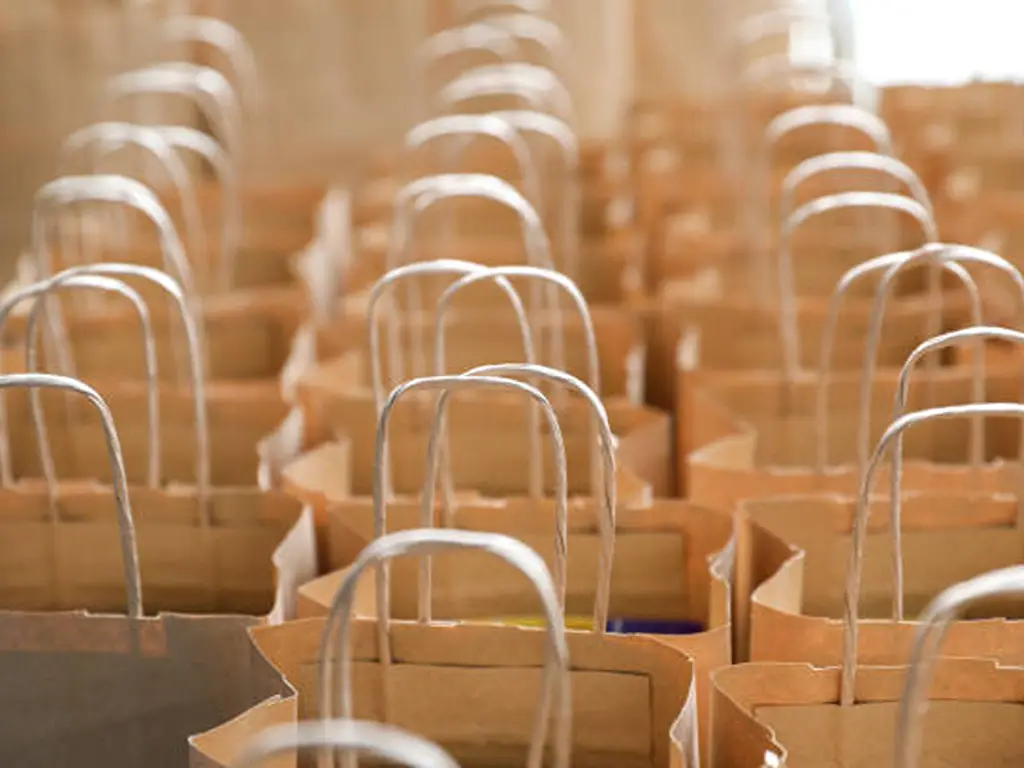
تنتمي كل مقبض متوفر في السوق إلى إحدى المجموعات الهيكلية الخمس. ويشير الاسم إلى شكل المقبض، بينما يوضح الهيكل مدى متانته الفعلية.
مقابض ورقية ملتوية. شريطان من ورق الكرافت ملفوفان معًا، وأحيانًا حول قلب تقويي. ويُعد هذا الالتواء إنجازًا هندسيًّا حقيقيًّا — فهو يوزع الشد على خيوطين متشابكتين بدلاً من شريط مسطح واحد — ولهذا السبب يُعد الخيار الافتراضي لأكياس البقالة والتجزئة في جميع أنحاء العالم.
مقابض ورقية مسطحة. شريط من الورق المطوي والملصق عبر الجزء العلوي. وتكمن متانته في الطية التي تجمع بين عدة طبقات من الورق. ويتم إنتاجه على خطوط إنتاج آلية بالكامل، مما يجعله أرخص مقبض من حيث التكلفة، وهو الأكثر استخدامًا في أكياس الوجبات الجاهزة والمخابز.
مقابض مقطوعة بالقالب. لا توجد أي مادة إضافية على الإطلاق — حيث يتم ثقب فتحة مباشرة في الجزء العلوي من الكيس. لا يوجد ما يتم تثبيته ولا ما يمكن أن ينفك، لكن الحمولة بأكملها تتحملها الورقة التي اخترتها. فالكيس الرقيق المزود بمقبض مقطوع بالقالب له سعة الكيس الرقيق؛ أما الأكياس المقواة المقطوعة بالقالب فتعتمد على لوح مقوى داخل منطقة المقبض.
مقابض من الحبل. حبل من القطن أو البوليستر، يُربط عبر ثقوب مثقوبة أو يُثبت باستخدام مشابك أحذية. وتستمد قوة الحقيبة من مادة الحبل نفسه، وليس من الحقيبة نفسها. هذه هي الفئة الفاخرة — متاجر التجزئة الفاخرة، والهدايا، وخدمات الطلبات الخارجية الراقية.
مقابض شريطية. شريط من الساتان أو الغروغرين أو النايلون، يُخيط عادةً في الجزء العلوي المطوي أو يُزوَّد بأبازيم. وتكمن نقطة الضعف في نقطة التثبيت، ولهذا السبب يتم دائمًا خياطة الشريط بشكل جيد — حيث يعمل التماس على توزيع الحمل على الحافة العلوية بأكملها.
| النوع | المواد | نطاق الحمولة | الأفضل لـ | يحدث الفشل أولاً عندما | التكلفة النسبية |
|---|---|---|---|---|---|
| ورق ملتوي | ورق (يمكن أن يكون مجوفًا) | خفيف إلى متوسط | البقالة، البيع بالتجزئة، البضائع | الورق مبلل أو كثافة الورق منخفضة | الأدنى |
| ورق مسطح | ورقة مطوية | الضوء | الوجبات الجاهزة، المخبوزات، الوجبات السريعة | ينفصل المقبض عن الجزء العلوي الملصق بالغراء | الأدنى |
| القطع بالقالب | أكياس ورقية فقط | يعتمد على شبكة GSM | التجزئة، الترويج | الورق رقيق أو محمل أكثر من اللازم | الأدنى |
| حبل | حبل من القطن أو البوليستر | متوسطة إلى ثقيلة | التجزئة الفاخرة، الهدايا | يتم سحب العقدة عبر الثقب المثقوب | متوسطة إلى عالية |
| الشريط | الساتان، الغروغرين، النايلون | خفيفة إلى متوسطة (مخيطة) | الهدايا، مستحضرات التجميل، البوتيك | فشل في التماس المخيط أو الإبزيم | مرتفع |
تنبيه صادق قبل أن تختار: لا يوجد معيار عالمي لتقدير الحمولة بالنسبة لمقابض الأكياس الورقية. وتتراوح قيم الحمولة المذكورة أعلاه وفقًا للممارسات المتبعة في القطاع، وليست مواصفات معتمدة — وهذا بالضبط هو سبب أهمية القسمين التاليين.
السؤالان اللذان لا تجيب عليهما أي مقالة: هل منتج «Twisted» أقوى حقًّا؟ ولماذا تتخلى المتاجر عن المقابض؟
جدل المقبض الملتوي: نفس المقبض، أحكام متضاربة
ابحث عن عبارة «مقابض الأكياس الورقية» وستجد، في صفحات متجاورة من نفس نتائج البحث أحيانًا، أوصافًا للمقابض الملتوية باعتبارها الخيار الأكثر متانة، وأخرى تصفها بأنها بالكاد قادرة على تحمل «أكثر من بضعة أرطال». إن الشكل الهندسي الملتوي يعزز متانة المقبض فعليًّا: حيث يتشارك خيطان متشابكان في تحمل الحمل ويقاومان التمزق عند نقطة التثبيت. فلماذا إذن هذا التناقض؟
Because the handle type is only one variable. The deciding variables are the paper’s grammage, the number of strands and whether the rope is cored, and how the ends are attached. Manufacturer-measured figures show exactly how much this matters: a 100 gsm bag has a handle breaking point of about 120 N, a 120 gsm bag 185 N, and a 150 gsm bag 260 N — more than double from the bottom of the range to the top. A “weak twisted handle” is usually a low-gsm bag wearing the name of a strong one.
The Twisted-Handle Debate, by the Numbers
100 gsm bag
≈ 120 N breaking point
120 gsm bag
≈ 185 N breaking point
150 gsm bag
≈ 260 N breaking point
The type name tells you the geometry — the grammage tells you the strength.
Why some stores stopped putting handles on paper bags
It is not a supply shortage — it is a deliberate product decision, and it has three drivers. Cost: a handle is the most expensive single component of a bag after the paper itself, and removing it removes materials and assembly steps at once. Recycling: a fully paper bag goes straight into the paper stream, while mixed-material handles (polyester, nylon, or polypropylene cord) have to be separated — some bag buyers are simplifying their recycling story by dropping handles entirely. And quality backlash: with handle-failure complaints piling up, at least one national chain has decided that no handle beats a handle that rips, telling shoppers in effect, “this way you carry it differently.”
Read it as a signal, not a verdict: the handle is going from a default feature to a deliberate option. That makes choosing well more valuable, not less — and it starts with what you specify.
What to Specify: Construction, Cost, and the Parameters That Matter
Construction: the other half of the strength
Here is the fact most buyers never hear: the handle carries half the load, and the bag’s top construction carries the other half. A double-fold top spreads tension across the entire edge instead of one glued spot. A reinforced board inside the handle area (400 gsm on heavy-duty die-cut bags) turns a punch hole into a load-bearing point. An eyelet protects the hole itself from tearing. And the attachment method decides how force is delivered: a knotted rope concentrates pull at a single hole, while a sewn-in handle distributes it along the whole seam. Specify the top construction, and you are specifying the failure mode.
The Other Half of the Strength
The handle carries half the load. The bag’s top construction — double fold, reinforcement board, eyelet, seam — carries the other half.
What each handle actually costs
Nobody in the SERP gives you numbers here, but the structure is simple. The cheapest handles are the ones with no additional material: die-cut openings and twisted paper rope. The cost then climbs with the material — paper below cotton below polyester and satin below nylon — and with the assembly step: flat paper handles run on automatic lines, while sewn ribbon handles are hand-assembled at some stage. A reasonable rule of thumb: handle cost moves in the same order as the table above, from lowest (twisted, flat, die-cut) to highest (rope, ribbon).
The spec sheet you can send a supplier
Before you order, ask for these in writing
- Paper grammage (gsm) and the bag size it applies to
- Handle material, strand count or diameter, and core (cored vs. uncored)
- Attachment method: knotted, buckled, or sewn — and where the stress concentrates
- Top construction: single fold, double fold, reinforcement board, eyelets
- Load test: what was measured, and how (there is no universal standard — ask for their method)
- MOQ and lead time, split between stock and custom-printed
- Recycling story: fully paper, or mixed materials with separation instructions
If a supplier can answer all seven points with specifics, you can compare them with confidence. If they answer with “very strong,” they have not tested it.
Where Handles Come From: What a Manufacturer Actually Controls
Everything in the spec sheet above is decided before your bag is made. Paper source sets the grammage and the fiber quality; the bag line sets the fold and reinforcement construction; the assembly step sets the attachment; the QC pass decides whether 100 of your 10,000 bags ship with a weak junction. Buyers choose specifications — manufacturers choose physics. The practical consequence: the same spec sheet that helps you choose a handle also helps you choose who makes it.
This is also where the industry’s honesty gap sits. Because there is no universal load standard, no manufacturer can hand you a certified “guaranteed” number — but any manufacturer who has actually tested will have a method and a data sheet, not an adjective. That is the difference worth paying attention to.
Before You Order: How to Verify a Supplier’s Handle (3 Questions)
When a bag fails, read the break before you blame the bag. A tear at the attachment point means a weak junction — construction or paper. A snapped cord means a material problem. A wet, overloaded, or yanked bag is a usage problem: even the best handle “breaks” when it is carrying three times its design load, and store staff will tell you that how a bag is snapped open — not the bag itself — is often what starts the tear.
Verify Before You Order
What is the attachment construction — knot, buckle, sewn, reinforced board?
What load was it tested at, and with what method? Reject “very strong” as an answer.
What is the recycling story — fully paper, or mixed materials that need separation?
Finish with a physical test: load the bag with your actual product at your actual weight, carry it with a normal sway, keep a sample for comparison.
The Business View: Handles Are a Product Decision, Not a Trim Decision
For a distributor or brand buying bags by the container, the handle is the cheapest component and the most expensive failure point. Eight out of eight failure stories you will find online are handle stories; the market has zero published load data; and the “no-handle” trend is quietly rewriting what customers expect. That combination is an information gap, and the gap is the margin: the supplier who can hand you a tested spec sheet is selling certainty, and certainty carries a premium no catalog price can match.
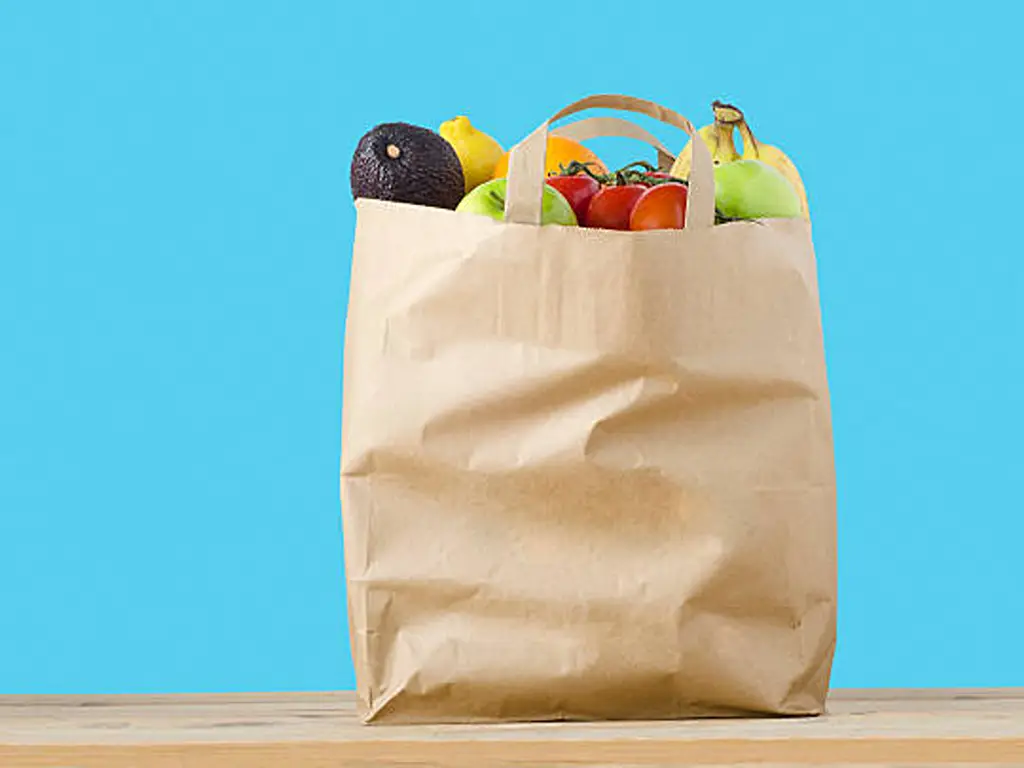
Turn the load ranges from this article into a three-tier product line: light (under 2 kg — flat or twisted paper), medium (2–5 kg — twisted with core, or polyester rope), heavy (5 kg+ — cotton rope, sewn ribbon, or die-cut with reinforcement). Offer the tiers to your customers by what they actually put in the bag — a bakery, a cosmetics seller, and a takeout chain are buying three different products. And given the no-handle trend, hedge your stock: fully paper no-handle bags, mid-duty twisted, and heavy-duty reinforced — not a single bet.
At YoonPak, paper bags are a core line rather than an afterthought: we build all five handle types in-house — flat, twisted, die-cut, rope, and ribbon — hold flexible MOQs from 500 pieces up, and quote custom printing in 3–5 weeks from artwork approval, so the seven-point spec sheet above is something we sign off on with every order. Browse our custom paper bag line (our custom paper bag line) and the kraft handle-bag spec (our kraft bag with handle spec) for the numbers.
Spec Your Bags With Numbers, Not Adjectives
أخبرنا بما ستحمله — الوزن، الحجم، طريقة التثبيت — وسنختار لك نوع المقبض، وتصميمه، والحد الأدنى للطلب وفقًا لذلك. مسطح، ملتوي، مقطوع بالقالب، حبلي، أو شريطي؛ الحد الأدنى للطلب 500 قطعة؛ طباعة مخصصة في غضون 3–5 أسابيع من تاريخ الموافقة على التصميم.
اطلب مواصفات الأكياس وعيناتهاالمراجع
- أكياس ورقية «جيت». «دليل لأنواع مقابض الأكياس الورقية». 2024. https://jetpaperbags.com/blogs/paper-bag-blogs/a-guide-to-paper-bag-handle-types
- CNLIPACK. «أنواع مقابض الأكياس الورقية: مقارنة بين 5 خيارات». 2024. https://cnlipack.com/guide-on-paper-bag-handle-types/
- YoonPak. «أكياس ورقية مخصصة». 2026. https://www.yoonpak.com/product-category/custom-paper-bags/
- YoonPak. «كيس ورق كرافت قابل للتخصيص للاستخدام مرة واحدة مزود بمقبض». 2026. https://www.yoonpak.com/product-item/customizable-disposable-kraft-paper-bag-with-handle/
- YoonPak. «أحجام الأكياس الورقية». 2026. https://www.yoonpak.com/paper-bag-sizes/
- YoonPak. الصفحة الرئيسية. 2026. https://www.yoonpak.com/

 English
  German
  Spanish
  Italian
  Dutch
Dutch  French
  Portuguese
  Russian
  Arabic
  Korean