

Introducción
En el momento en que el pan sale del horno, empieza a cambiar su miga blanda y aireada por otra seca y poco apetitosa. Para cualquier persona que se preocupe por la calidad de su horneado, el almacenamiento es una batalla contra la pérdida de humedad y el enranciamiento químico. El debate suele dividirse en dos bandos: la tradicional caja de pan y la versátil bolsa de pan. Aunque ambos pretenden aumentar la vida útil, se basan en principios diferentes de control de la humedad y ciencia de los materiales. En este artículo se examinan los efectos de estos dos enfoques sobre la integridad de la corteza y la retención de la humedad, para que usted pueda determinar cuál es la solución de almacenamiento más adecuada en su entorno para congelar eficazmente el reloj de la frescura.
El factor frescura: Experimento de la caja frente a la bolsa
La pregunta más importante y básica en este caso es: ¿cuál de los dos métodos tiene más éxito a la hora de preservar las cualidades más valiosas de una barra de pan? Para ayudar a responderla, recordaremos que hay tres factores fundamentales que contribuyen al enranciamiento del pan. Hay que tener en cuenta la pérdida de humedad, la alteración de la estructura del almidón y el crecimiento de moho.
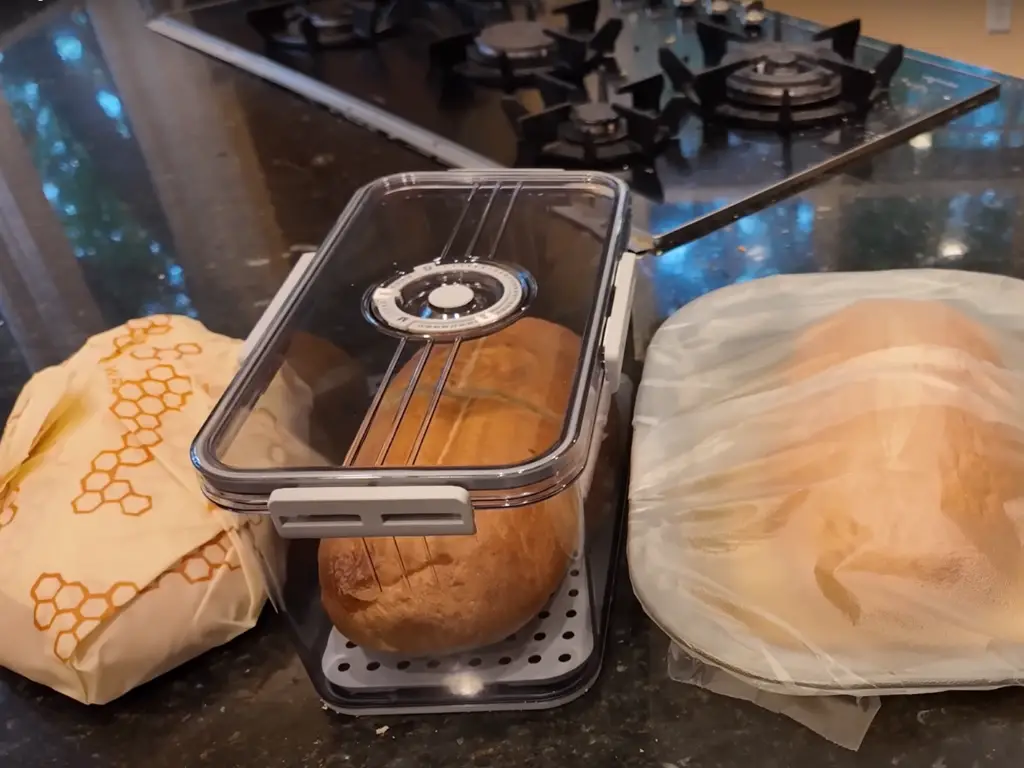
Retención de humedad: ¿Qué recipiente gana?
El pan sigue poniéndose rancio debido a la continua pérdida de humedad. Cuando se saca una barra de pan del horno, el agua del pan empieza a deshidratarse, saliendo del interior, dirigiéndose al exterior y evaporándose después. Al deshidratarse, la miga se endurece y pierde su textura. Es crucial que el panero conserve el ingrediente más importante, que es el agua.
Lo bueno del diseño de una panera (o panera) es que sirve de recipiente mucho más cerrado que una bolsa de pan. Ayuda a atrapar la humedad que emite el pan, lo que permite la formación de un microclima localizado. El aumento de la humedad en el microclima reduce la presión de vapor del aire y retrasa la evaporación de la humedad de la panera, lo que a su vez contribuye a retener la humedad del pan. No obstante, factores como el material de la caja y la estanqueidad del cierre de la tapa influyen en la retención del agua. Las cajas poco herméticas permiten un mayor intercambio de aire, lo que conlleva una mayor pérdida de humedad en comparación con una caja firmemente sellada.
Por otro lado, la bolsa en la que viene una barra de pan, normalmente de tela o plástico, está mucho menos controlada. Aunque ofrece cierta resistencia al aire libre, es mucho más porosa que una caja de pan. Las bolsas de tela, aunque transpirables, también pueden evaporar la humedad de forma mucho más eficaz. Si las bolsas de plástico se cierran herméticamente, capturan la humedad. Sin embargo, esto crea un resultado menos que favorable, al que llegaremos en un momento, y es que la corteza se vuelve blanda.
Para ir más allá de la teoría, hicimos una prueba de 7 días con las mismas rebanadas de masa madre en una panera tradicional, una bolsa de lino transpirable y una bolsa de plástico no transpirable. Al tercer día, los resultados indicaban una evidente compensación entre humedad y textura. La caja de pan era la más equilibrada, con un 14% más de peso de humedad que la bolsa de lino. La bolsa de lino, por el contrario, admitía una mejor aireación, pero producía una miga mucho más firme y seca. La bolsa de plástico, aunque funcionaba bien atrapando toda la humedad, perdía toda la integridad de la corteza.
Mantener la corteza perfecta: ¿En caja o en bolsa?
Los aficionados al pan artesano prestan la misma atención a la corteza que al interior. La corteza perfecta es la que está crujiente y se rompe, mientras que el interior es suave. Aquí es donde los detalles sutiles relativos al almacenamiento adquieren una importancia adicional. Muchas personas ignoran a veces estos factores.
Si bien es cierto que una bolsa sellada es sin duda eficaz para mantener la humedad, también lo es para arruinar la corteza. La humedad desmenuzada está vaporizando la corteza, lo que hace que pierda su deseable capacidad de crujir y en su lugar se vuelva chiclosa o incluso empapada. Cuando se supone que el pan debe tener una corteza crujiente, este resultado es triste.
El diseño de la panera proporciona cierto grado de ventilación, lo que permite que salga el aire húmedo y evita que la corteza del pan se ablande demasiado. Al garantizar que la superficie no se humedece en exceso, se consigue mantener cierta textura crujiente. La parte pastosa del pan se mantiene húmeda mientras que la corteza tiene la oportunidad de respirar. Este tipo de ventilación se denomina controlada, y es necesario que haya una cantidad suficiente de flujo de aire para evitar que toda la barra se seque, al tiempo que se asegura de que no haya demasiado flujo de aire que cree los mismos problemas que una bolsa de plástico.
Una bolsa de tela facilita mucho la salida de la humedad, lo que facilita el mantenimiento de la corteza en ambientes húmedos. Este tipo de tejidos son útiles para permitir que la corteza se mantenga dura sin ablandarse demasiado. Sin embargo, si el ambiente es muy seco, la corteza tiene más posibilidades de endurecerse y perder su suavidad masticable.
Protección contra el moho: Un factor crucial
Además de la preocupación por el envejecimiento y la degradación de la textura, la aparición de moho es otro problema relacionado con el almacenamiento del pan. Las esporas de moho están por todas partes, incluso en el aire que respiramos. Si se dan las condiciones adecuadas, calor y humedad, es probable que estos diminutos organismos se apoderen de una barra de pan haciéndola no apta para el consumo y peligrosa para la salud debido a las micotoxinas que puede producir.
Las cajas de pan evitan el exceso de moho porque tienen la humedad necesaria para ayudar al crecimiento del moho. El ambiente controlado dentro de la caja, más un poco de evaporación, ayuda a prevenir el exceso de humedad. La parte crucial es asegurarse de que la caja esté seca antes de almacenar el pan en ella. Si no se lava con regularidad, una caja de pan puede acumular migas que ayuden al crecimiento de moho y se descontrolen. El moho contenido puede hacer que el pan que se almacene en su interior se contamine y sufra de moho.
Las bolsas de plástico selladas ilustran un escenario curioso en lo que respecta a la prevención del moho. Hacen un trabajo fantástico reteniendo la humedad, lo que ayuda a evitar que el pan se ponga rancio. Sin embargo, la humedad también queda atrapada dentro de las bolsas, lo que crea un entorno cálido y húmedo en el que las esporas de moho pueden germinar y crecer. Sellar una barra de pan, especialmente si está ligeramente caliente, junto con algo de humedad residual en una bolsa de plástico aumenta enormemente las posibilidades de que el moho se desarrolle a un ritmo acelerado.
Las bolsas de tela pueden ayudar a regular el nivel de humedad del pan porque son transpirables. Sin embargo, si no se limpian con frecuencia, estas bolsas también pueden absorber humedad, creando un entorno propicio para que prosperen las esporas de moho.
Para demostrar los antecedentes detallados del factor de frescura, volveremos a examinar y revisar nuestra tabla comparativa:
| Característica | Panera | Saco de pan (tela) | Bolsa de pan (plástico, sellada) |
| Retención de humedad | Generalmente bueno; crea un microclima húmedo que ralentiza el ritmo de pérdida de humedad de la miga. | Menos eficaz que una panera; permite una mayor evaporación de la humedad, lo que puede acelerar el secado. | Puede retener la humedad de forma muy eficaz, lo que a veces provoca una costra más blanda debido a la humedad atrapada. |
| Crujiente de la corteza | Ayuda a mantener debido a la ventilación controlada, a menudo ligera, que evita la acumulación excesiva de humedad en la superficie. | Puede mantenerse en ambientes con humedad moderada gracias a su transpirabilidad; puede provocar una costra más dura en condiciones muy secas. | A menudo se produce un reblandecimiento significativo o incluso un empapamiento de la corteza debido al atrapamiento de la humedad que vaporiza la superficie. |
| Prevención del moho | Generalmente es bueno cuando la caja se mantiene limpia y seca; la atmósfera controlada y el flujo de aire directo limitado dificultan la proliferación de esporas. | Mejor que el plástico sellado debido a su transpirabilidad, que evita la acumulación excesiva de humedad; requiere un lavado regular para evitar albergar esporas de moho. | Puede aumentar significativamente el riesgo de crecimiento de moho debido a la creación de un ambiente cálido y húmedo, especialmente con una circulación de aire inadecuada. |
| Frescura general | A menudo ofrece el mejor equilibrio entre la retención de humedad para una miga blanda y la circulación controlada de aire para mantener la integridad de la corteza. | Más adecuado para periodos de almacenamiento más cortos y para panes en los que no es primordial mantener una corteza muy crujiente. | Más adecuado para el almacenamiento a muy corto plazo cuando la textura de la corteza no es una preocupación primordial, o específicamente para la congelación de pan para evitar quemaduras por congelación. |
Material y diseño: Cómo afectan a la frescura
Las paneras y las bolsas para el pan también son eficaces para conservar el pan y su utilidad depende en gran medida del material con el que están fabricadas y de su diseño.
Cajas de pan: Del metal a la madera, Design Insights
Cada material tiene sus ventajas y deficiencias metalúrgicas. Por ejemplo, las cajas metálicas (sobre todo de acero inoxidable) son relativamente fáciles de limpiar y más duraderas. Algunos creen que son tan buenas como cualquier otra para mantener a raya los factores externos. Las paneras de madera no sólo dan un toque rústico, sino que también añaden encanto a la cocina y proporcionan cierto grado de aislamiento. También hay paneras de cerámica y esmalte, que suelen valorarse por su atractivo decorativo. Por último, pero no por ello menos importante, las paneras de plástico son conocidas por ser las más rentables, aunque es probable que difieran en el mantenimiento del contenido de humedad.
Hay detalles que importan. Algunas paneras están diseñadas con orificios o huecos de ventilación que favorecen la circulación del aire y evitan la acumulación excesiva de humedad. Otras tienen tapas que cierran herméticamente para impedir la entrada de aire. Otro aspecto del diseño tiene que ver con las proporciones: una panera debe ser lo bastante espaciosa como para contener el pan sin apretarlo, y permitir al mismo tiempo que circule un poco de aire alrededor de la barra.
Sacos de pan: Algodón, lino y más
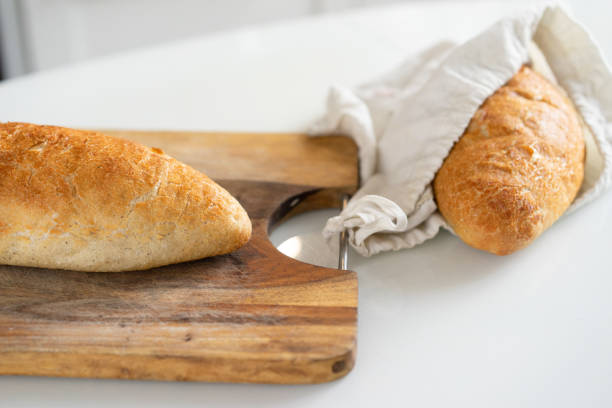
Como cualquier otro producto, las bolsas de pan también están disponibles en distintos materiales. Las más utilizadas son las bolsas de algodón y lino porque son muy transpirables y están hechas de fibras naturales. Además, estas bolsas suelen ser reutilizables y fáciles de lavar, por lo que son muy respetuosas con el medio ambiente. No obstante, como ya se ha señalado, su transpirabilidad puede no ser favorable en regiones extremadamente secas.
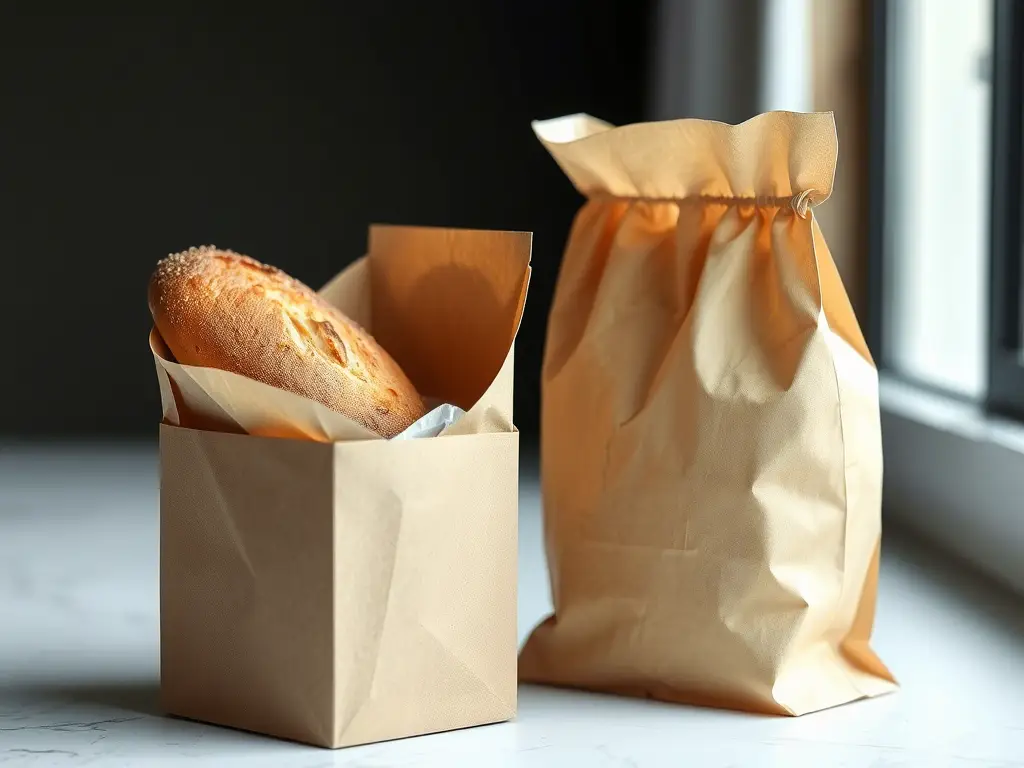
Para mayor comodidad, las panaderías suelen elegir entre tipos de bolsas de papel que protegen a corto plazo de factores externos como la humedad y las bacterias. Aunque las bolsas de papel estándar son transpirables, suelen ser inadecuadas para conservar el pan durante largos periodos de tiempo. Aunque atrapar la humedad es más fácil en las bolsas de pan de plástico, ya sea el envase original o una bolsa resellable, es difícil controlar la blandura de la corteza y la aparición de moho si no se tiene cuidado. Algunas bolsas de pan modernas se fabrican con materiales especializados que intentan escapar al compromiso entre retención de humedad y transpirabilidad.
Ventajas e inconvenientes: caja de pan frente a bolsa de pan de un vistazo
Para facilitarle un poco la elección, en el siguiente cuadro se resumen las principales ventajas e inconvenientes de cada opción:
| Característica | Panera | Bolsa de pan |
| Pros | - Mejor retención de la humedad (en general) | - Más portátil y ligero |
| - Ayuda a mantener la corteza crujiente | - Ocupa menos espacio cuando no se utiliza | |
| - Protege mejor los panes delicados | - Puede ser más asequible | |
| - Puede mejorar la estética de la cocina | - Apto para almacenamiento a corto plazo y congelación | |
| Contras | - Puede ser voluminoso y ocupar espacio en el mostrador | - Menos eficaz para retener la humedad a largo plazo |
| - Generalmente más caro | - Puede que no proteja tan bien la corteza | |
| - Requiere limpieza | - Las bolsas de tela deben lavarse con regularidad | |
| Lo mejor para | Uso doméstico diario y panes artesanales. Ideal para panes de masa madre o crujientes en los que es prioritario mantener el equilibrio entre un interior suave y un exterior crujiente. Ideal para cocinas con espacio en la encimera. | Cocinas pequeñas y necesidades a corto plazo. Perfecto para quienes disponen de poco espacio, para regalar pan recién horneado o para congelar pan. Ideal para pan más blando o pan que se vaya a consumir en 1-2 días. |
La ventaja de Yoonpak: Bolsas de papel sostenibles para pan para una frescura y una marca óptimas
Tanto si se trata de la seguridad estructural de una caja de pan como de la comodidad de transporte de una bolsa de pan, la cuestión es mantener ese sabor a pan recién horneado y promocionar su marca. Como uno de los líderes del sector fabricantes de bolsas de papel kraftEn Yoonpak llevamos 25 años perfeccionando este equilibrio para líderes mundiales como Burger King y Tim Hortons.
Nuestras soluciones de envasado son la solución entre el alto rendimiento y la sostenibilidad. Nuestras bolsas y cajas están fabricadas con materiales renovables 100%, como PLA de origen vegetal y caña de azúcar, y cuentan con revestimientos 100% a prueba de fugas, y se imprimen con tintas ecológicas a base de soja. Nuestras certificaciones incluyen BRC y FSC, FDA y LFGB, para que sus envases cumplan las normas más estrictas del mundo en materia de seguridad alimentaria.
Además de frescura, hacemos de su envase un anuncio móvil. Con una personalización magistral, su pan será una herramienta de marketing que sacará su logotipo de la panadería a la calle. Con una garantía de calidad de 1 año, asistencia profesional 24 horas al día, 7 días a la semana y muestras gratuitas, Yoonpak le ofrece la seguridad en la que puede confiar para que su marca sea tan fresca como el pan que hornea.
Cómo encontrar el almacenamiento adecuado para su tipo de pan
El truco de la frescura consiste en mantener unas condiciones de almacenamiento acordes con la biología especial de su pan.
En el caso de los panes artesanos y de masa madre, que tienen cortezas gruesas y agrietadas, el objetivo es garantizar un delicado equilibrio entre la humedad y el flujo de aire. La mejor opción en este caso es una bolsa de papel transpirable o una caja de pan de calidad. Estas técnicas permiten un intercambio gaseoso suficiente para mantener húmeda la miga interior sin una absorción excesiva de humedad por la corteza. Es un error guardar estos panes en plástico porque mantendrá la humedad en la superficie y, en poco tiempo, la corteza dura se transformará en una cáscara gomosa y poco atractiva.
Una bolsa de papel o una caja de madera para pan es el estándar de oro cuando se trata de pan casero, aunque el recipiente de envasado no es tan importante como el momento del envasado. Los panes caseros son muy susceptibles a la condensación, ya que no contienen estabilizadores industriales. La hogaza debe dejarse enfriar sobre una rejilla al menos dos o tres horas antes de envasarla. Si se envasa incluso un poco caliente, el vapor atrapado en su interior formará un efecto invernadero, lo que dará como resultado una textura blanda y el hábitat ideal del moho.
El pan de molde comprado en la tienda, por el contrario, se mantiene bien en el mismo entorno que destruye los panes artesanos. Estos panes se elaboran utilizando emulsionantes y conservantes que garantizan que el almidón se mantenga blando en un entorno hermético. El envase de plástico original es, de hecho, su mayor protección contra la desecación, ya que no tienen una corteza dura protectora. La ventilación que ofrece una caja de pan en este caso concreto tiene poco valor y, de hecho, puede hacer que las rebanadas se pongan rancias más rápidamente. Un frigorífico o un congelador son mucho más eficaces que una panera para el almacenamiento a largo plazo, ya que se utiliza la baja temperatura (congelación) o el ambiente cerrado (refrigeración) para almacenar el pan, y se aprovecha la química del pan para inhibir su deterioro.
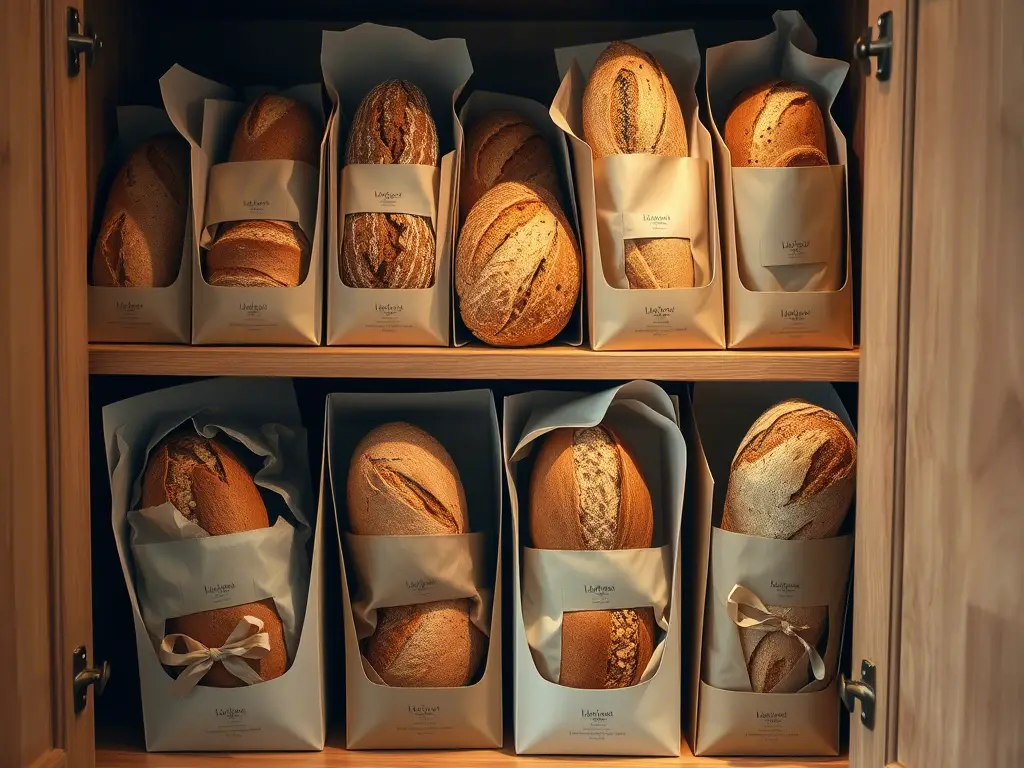
¿Cómo cambia el clima local el juego del almacenamiento?
El entorno de su cocina es un factor importante en el rendimiento de una panera o una bolsa. Para evitar disgustos, debes modificar tu plan de almacenamiento en función de las condiciones atmosféricas de tu zona.
- Zonas húmedas: Una panera puede ser un lastre en las zonas costeras o durante las épocas de monzones o lluvias torrenciales. Sin una circulación de aire adecuada, puede convertirse en un caldo de cultivo de mohos. Si se encuentra en un lugar húmedo, busque una panera con orificios que puedan ajustarse a la ventilación. En cambio, una bolsa de tela transpirable podría ser una mejor opción, ya que no permitirá que la humedad se acumule alrededor de la hogaza.
- Regiones secas: Cuando te encuentres en regiones del interior o utilices una calefacción interior que elimine la humedad del aire, tu pan se convertirá en una roca de la noche a la mañana. Una panera es lo mejor en tales circunstancias. Uno de los trucos que una abuela utilizaría prácticamente en un entorno así es poner media manzana o una rama pequeña de apio en la panera. La humedad que desprende el producto será absorbida poco a poco por el pan, y éste durará entre 24 y 48 horas más sin que se le añada humedad hasta el punto de desarrollar moho.
Secretos de higiene: Mantenga su almacén libre de moho
También es importante mantener estéril el entorno de almacenamiento para garantizar que el pan dure más tiempo, e incluso el recipiente más eficaz no puede impedir el desarrollo de mohos en caso de que contenga algunos contaminantes ocultos. La principal fuente de esporas de moho son las migas viejas, que retienen la humedad y sirven de alimento al crecimiento de los hongos. Limpiarlas cada semana ayudará a evitar la contaminación cruzada de su pan fresco.
El vinagre blanco diluido se utiliza para mantener la esterilidad de su panera. Se trata de un desinfectante natural apto para uso alimentario que mata las esporas sin dejar residuos químicos ni olores que el pan capta con facilidad. El entorno quedará estéril con una limpieza rápida al menos una vez a la semana. Si utiliza bolsas de tela, no las lave nunca con detergente perfumado. El pan es muy poroso y, por tanto, absorberá muy fácilmente los aromas florales o jabonosos de la tela. Por último, asegúrese de que la bolsa esté completamente seca antes de volver a utilizarla, porque cualquier resto de humedad en las fibras es una invitación abierta al moho para que se instale en su próximo pan.
Más allá del almacenamiento: Otros consejos para conservar el pan fresco más tiempo
Independientemente de si opta por una caja de pan o una bolsa de pan, hay muchas consideraciones y métodos importantes que pueden afectar en gran medida a la duración de la frescura del pan.
- Dejar enfriar completamente antes de guardar: Ésta es una regla fundamental. Asegúrese siempre de que el pan se enfría hasta alcanzar la temperatura ambiente antes de introducirlo en cualquier recipiente. Si el pan se almacena caliente, liberará humedad que, al condensarse en el interior de la caja o bolsa, podría convertirse en un entorno propicio para el moho, además de acelerar el proceso de endurecimiento.
- Los panes enteros se mantienen frescos: Las barras de pan cortadas enteras parecen mantenerse más frescas durante más tiempo que el pan precortado. La barra, con la corteza entera, actúa como una barrera protectora que impide que la miga interior se seque. Si compra o hornea pan de molde, procure que los bordes cortados estén lo más juntos posible.
- La temperatura ambiente suele ser la mejor: En la mayoría de los casos, el pan debe conservarse a temperatura ambiente, a menos que se indique lo contrario para determinados tipos de pan, o si el tiempo es excesivamente caluroso y húmedo. Puede parecer ilógico, pero refrigerar el pan en realidad acelera la velocidad a la que el almidón abandona el estado de gelatinización, haciendo que el pan se ponga rancio más rápidamente.
- Evite la luz solar directa y el calor: Para mantener la frescura de su pan, guárdelo en un lugar fresco y seco, asegurándose de que los hornos tostadores o la luz del sol no estén directamente cerca. Cuando el pan está expuesto al calor y a la luz solar, puede secarse rápidamente y perder su calidad.
- Congelación para almacenamiento prolongado: Si sabes que no vas a utilizar el pan hasta dentro de unos días, congelarlo es una solución estupenda para mantenerlo fresco durante más tiempo. Para congelar el pan, envuélvelo bien en una envoltura de plástico o papel de aluminio para evitar que se queme y colócalo en la bolsa de congelación o en un recipiente hermético. Cuando quiera utilizar el pan, simplemente sáquelo y déjelo descongelar a temperatura ambiente o en el horno.
- Limpie su almacén con regularidad: Tanto si te decides por una panera como si prefieres las bolsas de pan, debes limpiar ambas opciones con regularidad. En el caso de la panera, limpia su interior para eliminar las migas de pan y cualquier posible bacteria. En cuanto a las bolsas de tela reutilizables, lávalas lo más a menudo posible con agua caliente y jabón para eliminar cualquier posible vapor.
- Considere el tipo de pan: No todos los panes son iguales en lo que se refiere a caducidad y necesidades de almacenamiento. El pan de masa madre tiene sin duda una vida útil más larga que el pan blanco enriquecido, ya que su acidez es mayor. Es mucho más fácil saber cuál es la mejor manera de conservar el pan si se conocen sus características.
Conclusión
Tanto si se trata de una panera como de una bolsa, todo depende de las preferencias personales de cada uno, de sus necesidades y del tipo de pan que consuma normalmente. Una panera sería muy apropiada para usted en caso de que lo que desee sea la estética de la encimera de su cocina, el almacenamiento a largo plazo y la conservación de la corteza de los panes artesanos. Pero cuando se trata de practicidad a corto plazo, ahorro de espacio y portabilidad, entonces una bolsa de pan sería una mejor opción.
Yoonpak ofrece bolsas y cajas de papel para pan ideales para empresas del sector alimentario que requieren soluciones de envasado fiables y respetuosas con el medio ambiente. Nuestro enfoque en la calidad, la personalización y la conciencia medioambiental los convierte en un socio excelente en términos de entrega de sus productos de pan a los clientes frescos, así como, de mejora de la imagen de marca. Teniendo en cuenta estos factores y sus circunstancias personales, podrá elegir el almacenamiento de pan más adecuado que le permitirá disfrutar del pan fresco durante más tiempo y con mayor facilidad.
PREGUNTAS FRECUENTES
P: ¿Qué es mejor, bolsa de pan o panera?
A: Depende del tipo de pan: una panera es mejor para mantener el pan con su textura crujiente intacta, mientras que las bolsas transpirables (como las bolsas de papel de lino o Yoonpak) son una opción que ahorra espacio, es higiénica y ecológica para usar a diario.
P: ¿Se conserva mejor el pan en una panera?
A: Sí, ya que una caja de pan forma un microclima que no es ni demasiado húmedo ni demasiado seco, el interior de la caja permanece blando, pero hay suficiente circulación de aire para evitar que la corteza de la caja se ablande o se enmohezca.
P: ¿Cuál es el recipiente más adecuado para guardar el pan?
A: El pan casero o artesano debe guardarse en una caja de madera ventilada o en una buena bolsa de papel, que proporciona la mejor circulación de aire; el pan de molde blando comprado en la tienda debe guardarse en una bolsa de plástico sellada para conservar toda la humedad posible.
P: ¿Cómo se conserva el pan de la forma más saludable?
A: El enfoque más saludable se basa en la prevención de mohos y la seguridad química: una bolsa de papel transpirable apto para uso alimentario o una caja de pan limpia evitarán la formación de humedad, y el pan no debe guardarse nunca en el frigorífico, que hará que se ponga rancio más rápidamente debido a la retrogradación del almidón.

 English
  German
  Spanish
  Italian
  Dutch
Dutch  French
  Portuguese
  Russian
  Arabic
  Korean