

Ideas y tipos de envases para comida rápida: La guía B2B definitiva
En el competitivo y cambiante sector de la comida rápida, la experiencia gastronómica ya no termina en el mostrador o en la ventanilla de autoservicio. Con el crecimiento exponencial y permanente de las aplicaciones de entrega a domicilio de terceros y la comida para llevar móvil, el momento en que un cliente abre su comida en la mesa de su cocina o en su coche se ha convertido en el momento definitivo de la verdad. El envase de la comida rápida ya no es solo un recipiente desechable para transportar calorías; funciona como el embajador silencioso de su marca, la defensa de primera línea contra el deterioro físico y la salvaguarda definitiva de sus estrechos márgenes de beneficio. Navegar por la miríada de ideas y tipos de materiales de envasado para comida rápida puede ser una tarea muy técnica y abrumadora, especialmente cuando un solo error de cálculo en la ciencia de los materiales puede provocar una devastadora cascada de críticas negativas en Internet, pedidos reembolsados automáticamente y una pérdida irrevocable de la lealtad de los clientes. Esta exhaustiva clase magistral B2B va más allá de la estética visual básica para explorar en profundidad la ciencia de los materiales, la física térmica y la economía fundamental que hay detrás de las soluciones de envasado más eficaces del sector. Tanto si es el director de compras de una franquicia global de restaurantes de servicio rápido como si es el fundador de una cadena regional emergente, comprender estas leyes mecánicas subyacentes es la clave definitiva para transformar sus envases de un pasivo financiero oculto en una ventaja competitiva impenetrable.
Más allá de la estética: Por qué el envasado de comida rápida es un juego de supervivencia para su menú
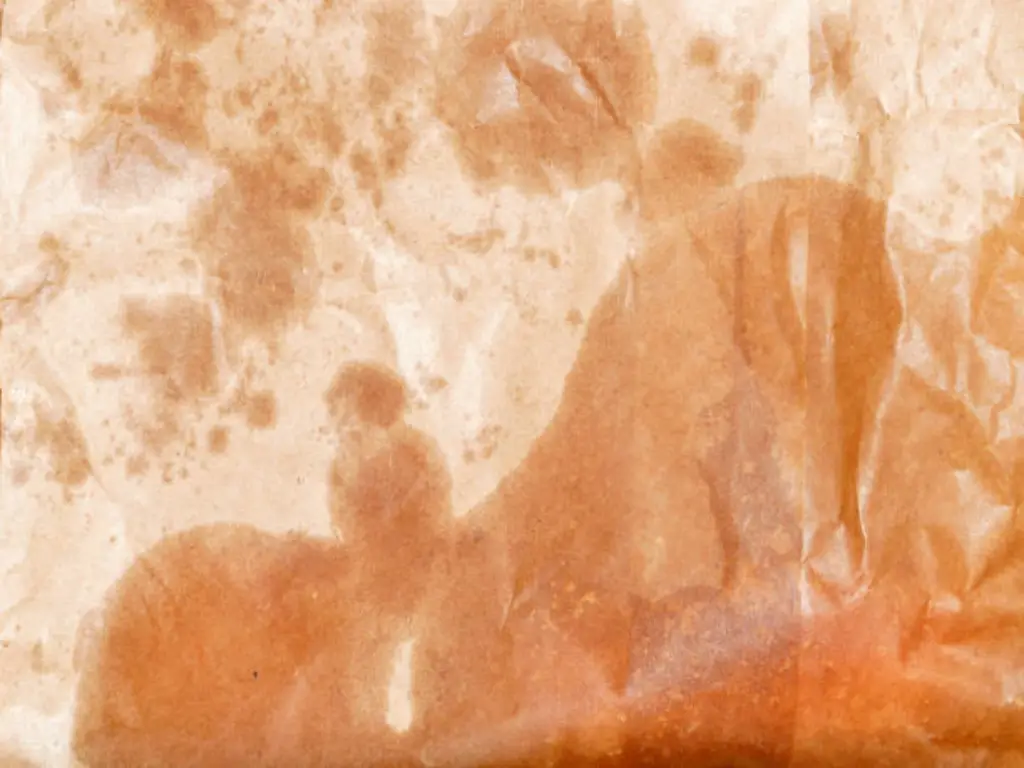
Imagine este escenario devastador, pero increíblemente común: Un cliente hambriento espera con impaciencia 45 minutos para recibir el pollo frito crujiente y la hamburguesa doble con queso artesana característicos de su marca. Por fin llega el repartidor, pero en lugar de la apetitosa comida estructuralmente perfecta que había imaginado, el cliente se encuentra con una pesadilla. La bolsa de papel está empapada de grasa traslúcida, el panecillo de la hamburguesa se ha deshecho hasta convertirse en una pasta empapada y las patatas fritas, antes crujientes, parecen esponjas húmedas y poco apetitosas. No se trata de un fallo de su equipo culinario; es un fallo catastrófico de su "segunda cocina": su envase.
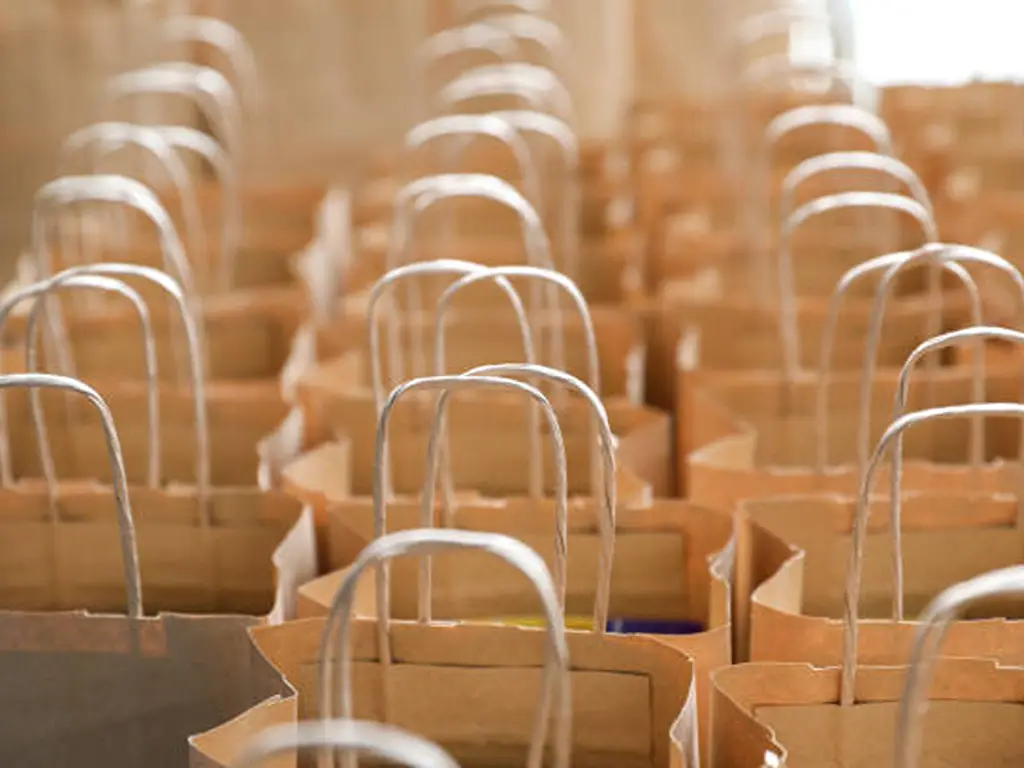
A la hora de buscar ideas para el envasado de comida rápida, demasiados propietarios de restaurantes y equipos de marketing caen en la trampa letal de dar prioridad a un bonito diseño gráfico y una estética digna de Instagram por encima de la ingeniería funcional pura y dura. Sin embargo, en el brutal panorama B2B de las operaciones de restauración, el envasado es fundamentalmente un juego de supervivencia para su menú. Para ganar, debemos cambiar por completo la conversación del mero diseño gráfico al coste total de propiedad (CTP). Además, una caja de hamburguesa visualmente llamativa pierde su impacto si se entrega al cliente en un soporte endeble y genérico. Mejorar su servicio de comida para llevar con cajas duraderas y de marca bolsas de papel personalizadas no sólo asegura la comida durante el transporte, sino que también convierte a cada repartidor en una valla publicitaria ambulante de su restaurante.
Hagamos los cálculos brutales que quitan el sueño a los directores financieros: Puedes negociar agresivamente con un proveedor de bajo nivel para ahorrar apenas $0,05 en una caja de papel kraft más barata y sin forro. Pero cuando esa caja de calidad inferior inevitablemente no logra contener la humedad y la grasa internas durante un tránsito de 30 minutos, lo que resulta en un cliente insatisfecho que exige un reembolso automático de $15 en UberEats o DoorDash, su supuesto "ahorro" de $0,05 queda instantáneamente obliterado. Se necesitarían cientos de comidas perfectamente vendidas solo para recuperar la pérdida de esa única entrega fallida.
Peor aún es el asesino invisible y silencioso de la escalabilidad de los restaurantes: la pérdida de clientes. Un comensal que recibe una comida fría, agujereada y estructuralmente estropeada rara vez se toma la molestia de llamar al restaurante para quejarse; simplemente deja una crítica mordaz de una estrella, le borra de su lista de favoritos y no vuelve a pedir en su establecimiento. El verdadero coste de un envase de calidad inferior no es el precio del papel, sino la pérdida total del valor de vida de ese cliente, que puede ascender a miles de dólares anuales. Por lo tanto, seleccionar los tipos de envases adecuados para comida rápida requiere equilibrar variables físicas cruciales como la tasa de transmisión de vapor húmedo (MVTR) y la retención térmica. Una caja no es sólo una caja; debe actuar como un microclima diseñado, preservando la temperatura exacta, la textura y la integridad estructural de los alimentos desde el momento en que salen de la línea de exposición hasta que llegan a la mesa del cliente.
La física de la comida rápida: Cómo evitar las patatas fritas blandas y las hamburguesas agujereadas
Para dominar realmente el envasado de comida rápida y dejar de perder dinero en devoluciones, primero hay que entender la implacable física que actúa sobre la comida caliente en un espacio cerrado. Según la estricta Normas de la FDA sobre materiales en contacto con alimentos y las leyes de la dinámica térmica, en cuanto un trozo de pollo frito recién cocinado a 180°C se sella dentro de un envase, comienza inmediatamente una violenta batalla física entre el calor, la humedad y el sustrato del envase.
Los dos mayores enemigos absolutos de la calidad de la comida rápida son la penetración de la grasa y la acumulación de condensación. Consideremos el pollo frito a 180°C: mientras reposa en la caja, libera cantidades masivas de vapor a alta temperatura. Si este vapor entra en contacto con las paredes interiores más frías de un recipiente herméticamente cerrado y no transpirable (con un MVTR bajo), se condensa inmediatamente en pesadas gotas de agua. Estas gotas caen sobre el alimento, destruyendo instantáneamente el exterior crujiente y convirtiendo el empanado en un desastre empapado. Por el contrario, si se utilizan materiales muy porosos para dejar escapar perfectamente el vapor, se permite una rápida pérdida de calor y se ofrece una resistencia nula a la grasa caliente, lo que provoca el colapso estructural del propio envase. Se trata de un equilibrio delicado y arriesgado.
Un error generalizado y peligroso en el sector de la compra de envases gira en torno a la "prueba Kit" (TAPPI T559), que mide la resistencia de un papel al aceite y la grasa. Muchos compradores inexpertos asumen que un valor Kit alto (por ejemplo, Kit 12) significa que el papel es universalmente invencible a todos los líquidos. Esto es un error fatal. La prueba Kit sólo mide la resistencia a aceites puros y secos (como el escurrimiento de lípidos puros de un alevín seco). Es totalmente ineficaz contra el agua o la humedad. Si intenta envolver un taco salseado y con mucha humedad o una hamburguesa muy aliñada en papel Kit 12 estándar sin un recubrimiento acuoso adecuado o un revestimiento de polímero, el vapor de agua -medido por una métrica totalmente diferente llamada valor Cobb- penetrará rápidamente, romperá los enlaces de celulosa y desintegrará el papel en cuestión de minutos.
| Enemigo del embalaje | Física Causa | Impacto negativo en la alimentación | Solución de ingeniería |
|---|---|---|---|
| Condensación (humedad) | Vapor caliente atrapado golpeando paredes frías; MVTR excesivamente bajo. | Empanado blando, texturas crujientes arruinadas, patatas fritas blandas. | Orificios de ventilación calculados, transpirabilidad de fibra moldeada, ventilación de microcanales. |
| Penetración de grasa | Moléculas de lípidos puros filtrándose a través de fibras de celulosa desprotegidas. | Bolsas manchadas, manejo resbaladizo, desgarros estructurales, asientos de coche estropeados. | Revestimientos sin fluoroquímicos (sin PFAS), revestimientos acuosos, revestimientos de PE/PLA. |
| Pérdida rápida de calor | Alta conductividad térmica; paredes del contenedor sin aislar, excesivamente finas. | Comidas frías y poco apetitosas que incumplen la normativa sobre temperatura segura de los alimentos. | Envoltorios compuestos de papel de aluminio, aislamiento de aire de doble pared, bandejas de C-PET. |
| Fugas de salsa/líquidos | Emulsión de agua+aceite que rompe las juntas y uniones débiles del papel. | Unboxing desordenado, ropa estropeada, enormes responsabilidades de seguridad y tasas de reembolso. | Soldadura ultrasónica o técnicas avanzadas de sellado térmico de costuras laterales. |
Tipos de envases para comida rápida: La ciencia de los materiales
Al evaluar distintos tipos de envases para comida rápida, la primera regla es aceptar que no existe un único material "santo grial" que sirva para todo. Cada sustrato ofrece un conjunto muy distinto de propiedades físicas que deben ajustarse perfectamente a sus menús específicos y a sus limitaciones presupuestarias. He aquí un desglose definitivo, MECE (Mutually Exclusive, Collectively Exhaustive) de los materiales dominantes utilizados en la cadena de suministro global B2B.
Envases de papel y cartón: Los clásicos transpirables
Las opciones basadas en papel -desde el papel Kraft estándar sin blanquear hasta el cartón plegable (FBB) y el cartón ondulado- son la columna vertebral histórica e indiscutible de la industria de la comida rápida. Su principal ventaja física radica en su transpirabilidad natural (alto MVTR), lo que los hace ideales para alimentos en los que la evacuación de la humedad es fundamental para mantener la textura.
Sin embargo, ha llegado el momento de pinchar la burbuja del marketing medioambiental: la celulosa en bruto es muy vulnerable a los líquidos. Para combatir la grasa y el agua, casi todos los envases de papel para comida rápida eficaces deben incorporar una capa de barrera oculta. Suele tratarse de un revestimiento de polietileno (PE), un revestimiento de ácido poliláctico (PLA) compostable o revestimientos de última generación a base de agua (acuosos). La elección específica de este revestimiento dicta no sólo la resistencia a la grasa, sino también si el envase es apto para microondas.
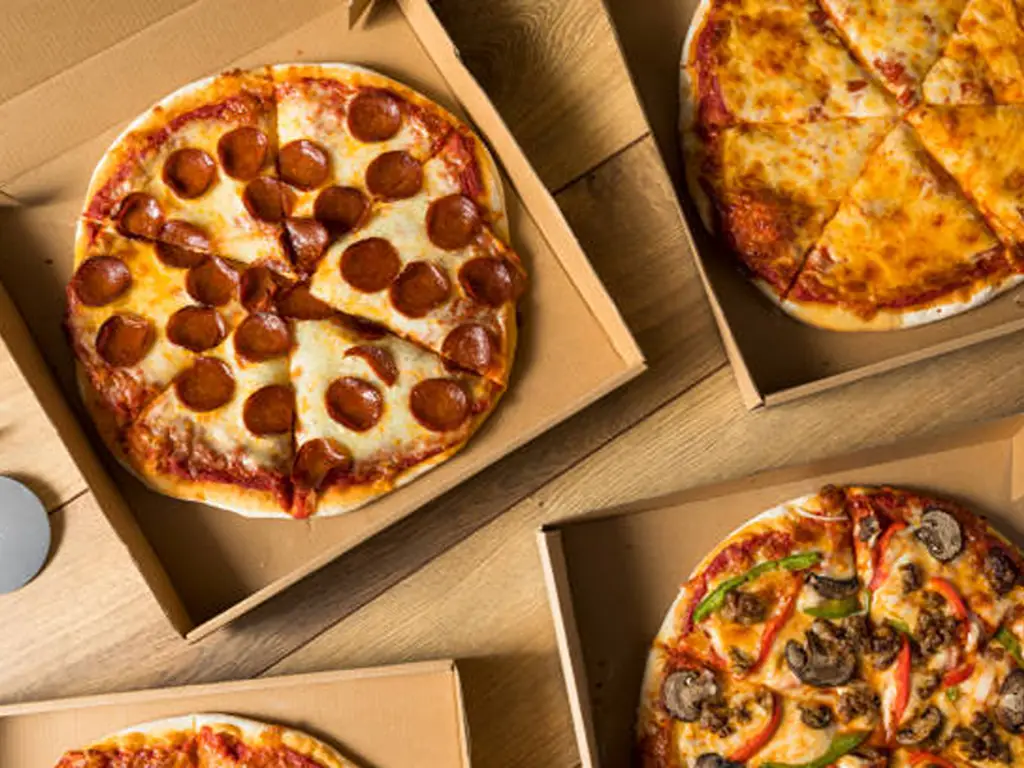
Considere las diferencias estructurales que requieren los distintos alimentos: Una bolsa de papel antigrasa de una sola capa es perfectamente adecuada para entregar brevemente un pastel seco y caliente en el mostrador a un transeúnte. Pero para una pizza pesada, humeante y grasienta, ese papel fino se desintegraría. En su lugar, se necesita la resistencia arquitectónica de una caja microondulada, que utiliza inteligentemente una capa de aire atrapado entre las ranuras para proporcionar un aislamiento térmico excepcional y resistencia al aplastamiento, garantizando que el queso no se pegue a la tapa.
Alternativas de plástico y EPS: Los escudos a prueba de fugas
A pesar del intenso escrutinio medioambiental mundial, los plásticos siguen siendo absolutamente vitales para los escenarios que exigen una prevención de fugas absoluta y sin concesiones. En este caso, el criterio de compra fundamental es conocer los límites térmicos. Un error común entre los aficionados es tratar todos los plásticos por igual. El PET amorfo estándar (A-PET), por ejemplo, ofrece una visibilidad cristalina, lo que lo hace perfecto para ensaladas frías, sushi fresco o postres refrigerados. Sin embargo, se deforma, se funde y puede degradarse si se expone a temperaturas superiores a 70°C.
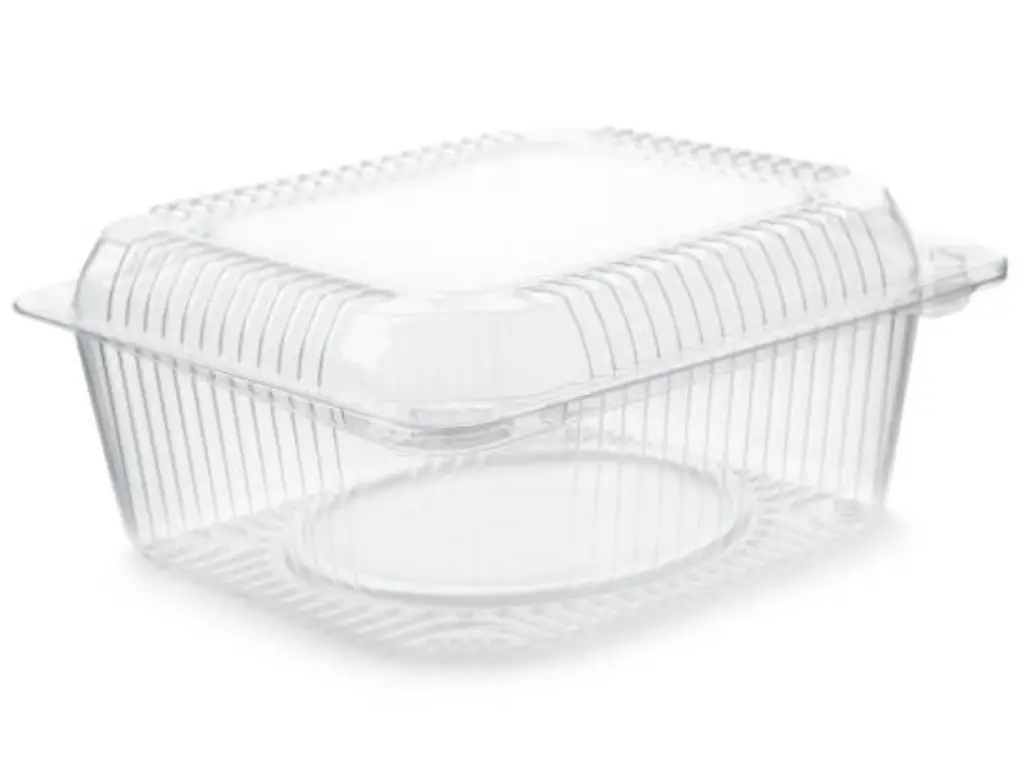
Si su menú incluye sopas chinas hirvientes para llevar, currys muy condimentados o comidas que el consumidor debe recalentar en casa en el microondas, el A-PET estándar es un riesgo. Debe pasarse a los envases moldeados por inyección de polipropileno (PP), que son increíblemente duraderos y soportan cómodamente temperaturas de hasta 120 °C en el microondas. Para situaciones extremas, como comidas de primera calidad listas para calentar que deben introducirse en un horno convencional, se requiere PET cristalizado (C-PET), ya que puede soportar temperaturas superiores a 200°C. El poliestireno expandido (EPS, o espuma) ha ofrecido históricamente un aislamiento inigualable por una fracción de céntimo, aunque las amplias prohibiciones legislativas lo están expulsando rápidamente del mercado moderno.
Papel de aluminio y envoltorios metálicos: Los reflectores de calor radiante
El papel de aluminio y los envoltorios compuestos metalizados, que a menudo se pasan por alto en los resúmenes básicos de materiales, son absolutamente dominantes cuando el objetivo final es la retención del calor a largo plazo. A diferencia del papel o el bagazo, el papel de aluminio posee "transpirabilidad cero" y funciona puramente según el principio físico de la reflexión del calor radiante.
Utilicemos un ejemplo de caja de arena cognitiva: Un burrito mexicano pesado y repleto de ingredientes o un sándwich caliente a la plancha de primera calidad. Si envolvemos este artículo caliente y densamente calórico únicamente en papel, perderá su calor rápidamente en el aire circundante. Utilizando un envoltorio de papel compuesto -que consiste en una capa interior de papel resistente a la grasa para absorber el exceso de aceite y evitar que la tortilla se pegue, unida firmemente a una capa exterior de papel de aluminio- el envoltorio actúa como un espejo térmico. Refleja activamente el calor radiante del burrito sobre sí mismo. De este modo se crea una envoltura térmica sellada de gran eficacia, que garantiza que el producto se mantenga caliente, suave y delicioso incluso después de un agotador trayecto de 40 minutos en climas fríos.
Fibra moldeada y bagazo: Los pesos pesados ecológicos
Impulsados por las enormes exigencias de sostenibilidad de los consumidores y los objetivos ESG de las empresas, el bagazo (residuos de pulpa de caña de azúcar) y la fibra moldeada se han convertido en los pesos pesados del mercado ecológico. Ofrecen una sensación táctil muy deseable, terrosa y de alta gama, y poseen una transpirabilidad natural, lo que las hace perfectas para marcas ecológicas de primera calidad.
Sin embargo, los responsables de compras deben sortear oscuros escollos del sector. El bagazo sin tratar es muy susceptible de adherirse a almidones húmedos como el arroz caliente. Y lo que es más importante, si se somete a un calor extremo y a aceites pesados, el bagazo crudo se reblandece y gotea casi de inmediato. Es imperativo abastecerse de fibra moldeada que haya sido rigurosamente tratada con repelentes de aceite de alta calidad y sin PFAS (fluoroquímicos). Esto garantiza que el envase funcione en las exigentes condiciones de la comida rápida comercial sin infringir las nuevas y estrictas normativas sanitarias y medioambientales.
Igualar el menú: Qué utilizar para determinadas categorías de comida rápida
La aplicación de la ciencia abstracta de los materiales a los menús de los restaurantes del mundo real es el punto exacto en el que las estrategias de aprovisionamiento triunfan de forma brillante o fracasan de forma catastrófica. Sus opciones de envasado deben actuar como una matriz de defensa específica, neutralizando directamente las amenazas físicas concretas que plantean las distintas categorías de alimentos. Debemos abordar exhaustivamente las tres zonas más mortíferas de la comida rápida.
La matriz de los alimentos fritos: Equilibrio entre retención del calor y textura crujiente
El pollo frito, las patatas fritas y los aros de cebolla presentan un nivel de "dificultad de pesadilla" para los ingenieros de envasado. El objetivo es aparentemente una paradoja termodinámica: hay que mantener los alimentos bien calientes y, al mismo tiempo, ventilar la humedad para evitar que se empapen.
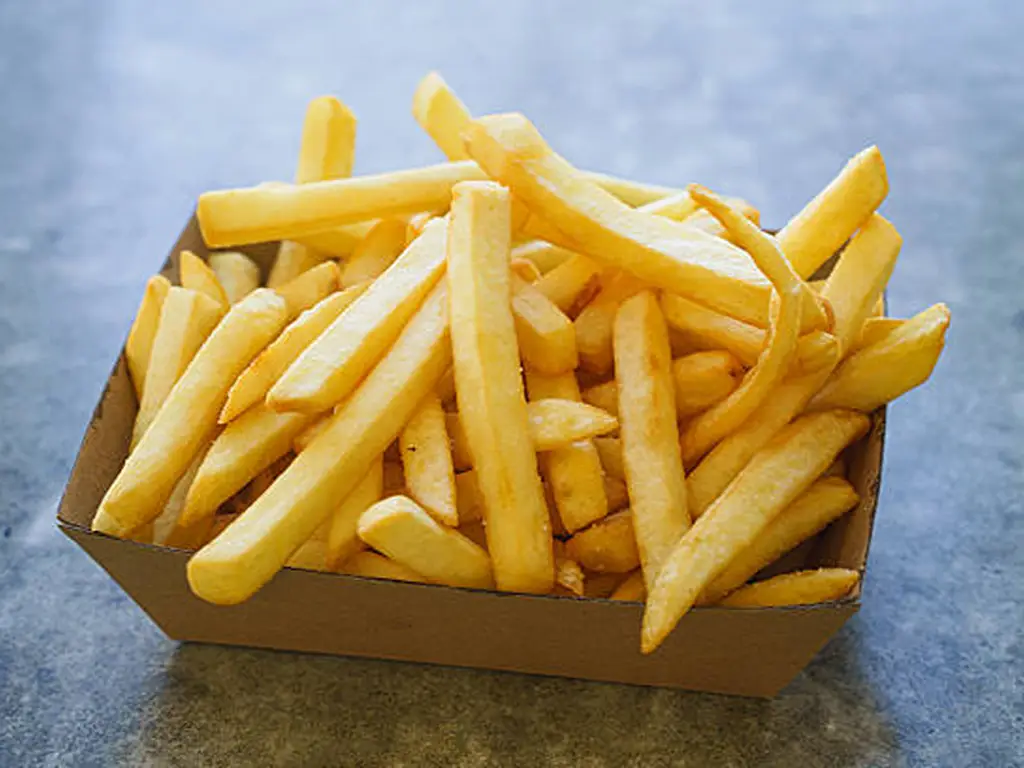
El secreto de ingeniería reside en la relación de ventilación. Si se hacen pocos agujeros en una caja de reparto, la comida se hace papilla. Si se hacen demasiados, el calor se escapa por completo y la comida llega helada. Pensemos en el genial diseño de la emblemática caja de patatas fritas de McDonald's. No sólo está plegada así por estética, sino que es una maravilla aerodinámica. Presenta un labio frontal drásticamente más bajo para permitir la salida inmediata y masiva del vapor lejos de las patatas fritas, mientras que la parte trasera más alta retiene el calor del núcleo. El fondo radicalmente cónico impide físicamente que las patatas se apelmacen, permitiendo que el aire circule entre ellas. Para la entrega de productos fritos, la utilización de cajas plegables microperforadas o bivalvas ventiladas especializadas -donde los orificios de ventilación están científicamente calculados- es estrictamente innegociable para mantener ese crujido esencial.
El dilema de lo grasiento y lo salado: hamburguesas, tacos y alimentos húmedos
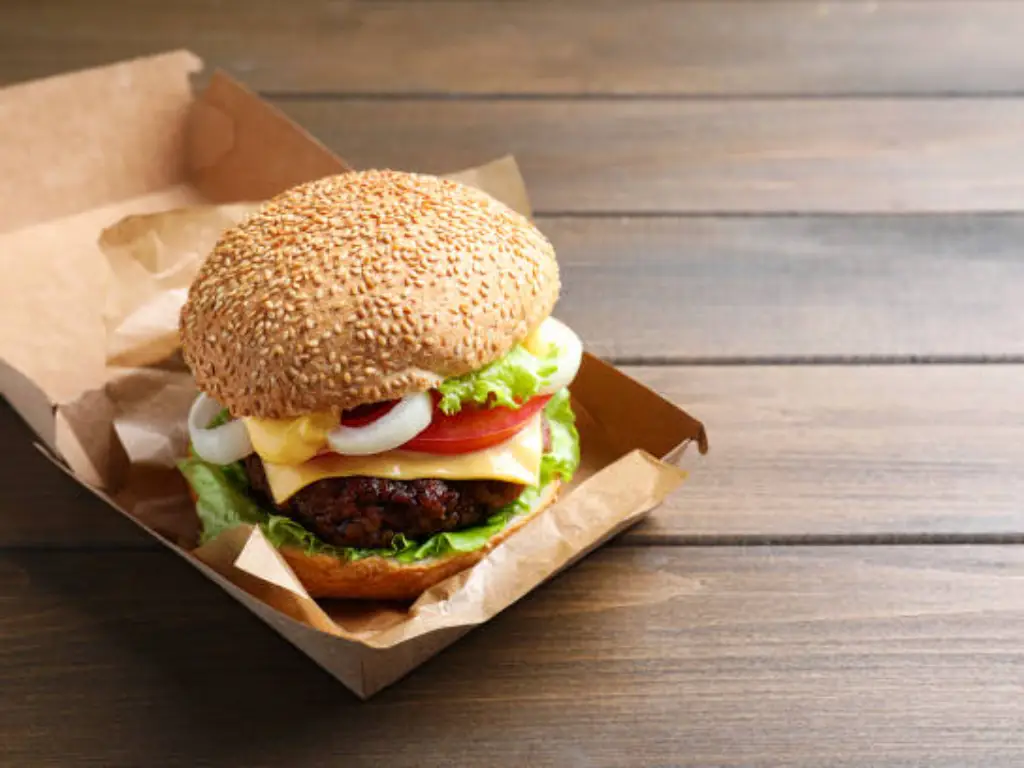
Una jugosa smashburger de doble empanada cargada de salsa de autor, queso fundido y tomates mojados presenta un desafío completamente diferente y mucho más destructivo. En este caso, el principal enemigo no es el aceite puro, sino una emulsión de "agua + aceite" altamente destructiva. El papel seco de alta calidad fracasará completamente contra esta mezcla; se necesita una barrera física absoluta.
La matriz de defensa óptima implica un enfoque de varias capas: en primer lugar, envolver la hamburguesa herméticamente en un papel antigrasa forrado de PE o compuesto de papel de aluminio. Esto mantiene unida la compleja estructura, impide que los ingredientes se deslicen y mantiene impecablemente limpios los dedos del cliente. En segundo lugar, se coloca la hamburguesa envuelta en una resistente caja de cartón ondulado para evitar aplastamientos o deformaciones físicas durante el caótico proceso de transporte.
Sin embargo, cuando se trata de alimentos extremadamente húmedos, pesados y salsosos -como nachos cargados o salchichas con chile- la integridad física de las costuras del contenedor de papel se convierte en la última línea de defensa contra las fugas desastrosas. Esta es exactamente la razón por la que gigantes mundiales de la restauración rápida como Burger King y Tim Hortons, que mueven millones de unidades al día, confían en fabricantes de primer nivel con décadas de experiencia especializada, como Yoonpak. Más allá del mero abastecimiento de materiales de alta barrera certificados por la FDA, la lógica subyacente es una ingeniería de fabricación superior. Yoonpak utiliza una avanzada tecnología de sellado térmico con costura lateral, que prácticamente suelda el papel, junto con una matriz de garantía de calidad implacablemente paranoica. Mediante rigurosas inspecciones mecánicas cada hora y la implantación de un exclusivo sistema de trazabilidad con número de serie impreso en la parte inferior de cada uno de los vasos y envases, se aseguran de que, si se detecta un defecto, se deseche todo el lote desde la última prueba realizada con éxito. Este protocolo extremo garantiza un estándar de entrega 100% a prueba de fugas y "cero defectos", asegurando que las salsas picantes y los zumos permanezcan dentro del envase, donde deben estar.
Temperaturas extremas: Líquidos calientes y ensaladas frescas frías
Los líquidos a temperaturas extremas requieren una estabilidad estructural sin concesiones. En el caso de líquidos calientes como el café de alta calidad o las sopas hirviendo, el envase debe tener en cuenta la física de la expansión térmica: la tendencia de un vaso de papel a ablandarse ligeramente con el calor, y la de una tapa de plástico a expandirse, pudiendo saltar violentamente durante un viaje en coche lleno de baches. Este peligro hace necesario el uso del los mejores vasos de café desechables-específicamente las opciones aisladas de doble pared diseñadas con una curvatura del borde impecablemente precisa, que garantiza que la tapa mantenga un cierre hermético y mecánico independientemente de la temperatura. En el extremo opuesto del espectro, las aplicaciones frías, como las verduras orgánicas frescas o los fruteros, se enfrentan al problema de la condensación que empaña instantáneamente el recipiente y arruina el atractivo visual. El uso de cuencos de A-PET de alta claridad equipados con revestimientos antivaho especializados y aptos para alimentos garantiza que los alimentos sigan siendo visualmente apetitosos, vibrantes y de primera calidad desde el momento del envasado hasta el momento de desembalar.
Ideas de envasado para comida rápida: Unboxing y Brand Premium
Una vez dominada la brutal física del calor y la grasa, por fin podemos abordar las "ideas" visuales. En la era hipervisual de Instagram, TikTok y las reseñas gastronómicas de influencers, la experiencia unboxing es un motor de marketing gratuito increíblemente potente. Sin embargo, los compradores B2B y los propietarios de marcas deben filtrar implacablemente el arte 3D irreal y conceptual y centrarse exclusivamente en el diseño ejecutable y rentable que se escala.
La psicología del color desempeña un papel importante y documentado en la comida rápida: los rojos y amarillos vibrantes desencadenan biológicamente el apetito, la excitación y la urgencia, mientras que los verdes mate y marrones terrosos comunican frescura orgánica, salud y sostenibilidad. Sin embargo, un escollo común y muy costoso para las marcas de alimentación emergentes es diseñar gráficos muy complejos, a todo color y con mucho degradado, sin comprender las limitaciones mecánicas de la impresión flexográfica en papel kraft crudo sin blanquear. Dado que el papel kraft es muy absorbente y oscuro por naturaleza, imprimir colores brillantes en él suele dar como resultado tonos apagados y turbios y un registro desalineado, lo que hace que la marca parezca barata en lugar de de primera calidad.
Veamos un ejemplo de caja de arena cognitiva inteligente: Una nueva marca de hamburguesas para llevar con presupuesto limitado pero ambiciosa. En lugar de pagar un enorme sobreprecio por la impresión a todo color sobre un costoso cartón blanco blanqueado, utilizan envoltorios de cartón corrugado sin imprimir (muy baratos). Consiguen su impacto visual forrando el interior con un papel antigrasa increíblemente brillante, impreso a medida (más barato de imprimir), y sellando el exterior de la caja con una pegatina a prueba de manipulaciones muy estilizada y de colores brillantes. Consiguen un aspecto de primera calidad por una fracción del coste.

Las ideas de envasado de comida rápida más inteligentes no se basan en diseños estructurales excesivamente complicados o caros; se basan en encontrar una cadena de suministro capaz y complaciente que salve las distancias entre su idea ideal de envasado de comida rápida y sus necesidades. diseño de envases para comida rápida y la realidad de la fabricación. Muchas marcas medianas se enfrentan a un grave y frustrante cuello de botella cuando las fábricas tradicionales exigen cantidades mínimas de pedido (MOQ) imposiblemente altas, de 500.000 unidades, o no consiguen reproducir con precisión los colores de la marca. Para resolver exactamente este problema, los fabricantes totalmente integrados como Yoonpak ofrecen a las marcas una pasarela de alta velocidad. Ofrecen soporte de diseño estructural totalmente gratuito y entregan pruebas digitales en un solo día laborable. Y lo que es más importante, sus avanzadas líneas de producción admiten una precisa igualación de colores CMYK y Pantone (PMS) utilizando tintas de soja y al agua inodoras y aptas para uso alimentario, lo que garantiza que los colores de su marca resalten a la perfección con total seguridad. Dado que Yoonpak combina la enorme capacidad de un gran fabricante mundial con la flexibilidad de un socio boutique, ofrece unos MOQ increíblemente asequibles a partir de sólo 50.000 unidades (y, sorprendentemente, tan bajos como 10.000 unidades para los clientes dispuestos a cubrir los gastos de envío). Esto permite a las cadenas medianas y a las nuevas empresas ambiciosas desplegar experiencias de unboxing de primera clase a costes financieros directos de fábrica, lo que les permite superar a competidores mucho mayores.
Navegando por el futuro: Tendencias ecológicas, conformidad y la regla de costes 3-5%
El futuro de los envases de comida rápida ya no sólo depende de las preferencias de los consumidores, sino que está siendo dictado de forma agresiva y legal por la legislación internacional. Directivas como la prohibición de los plásticos de un solo uso (SUP) de la Unión Europea, junto con las amplias y agresivas normativas de varios estados de EE.UU. que prohíben los PFAS (productos químicos para siempre) en todos los envases alimentarios, están forzando cambios inmediatos y obligatorios en la cadena de suministro. Abastecerse de papel con certificación FSC (que garantiza una silvicultura sostenible) y utilizar materiales compostables auténticamente certificados ya no es una bonita táctica de marketing de nicho; es un requisito legal fundamental para mantener las puertas abiertas. Además, los compradores deben ser muy conscientes del "lavado verde", por ejemplo, sabiendo que muchos plásticos PLA requieren instalaciones industriales especializadas de compostaje a 60 °C para descomponerse, y no se biodegradan simplemente si se tiran en un vertedero normal.
Sin embargo, en medio de esta costosa eco-revolución, los compradores B2B deben atenerse estrictamente a la métrica más despiadada e implacable del negocio de la restauración: el umbral de coste de envasado. Como norma de supervivencia universalmente aceptada en el sector, el coste total por unidad de envasado debe oscilar estrictamente entre los siguientes valores 3% y 5% del precio total del menú en los establecimientos de comida rápida y de restauración rápida.
- Por debajo de 3%: Si gasta menos de 3%, es casi seguro que está comprando materiales peligrosamente baratos, sin forro y que no cumplen la normativa. Las fugas de salsa resultantes, las quejas por comida fría y las solicitudes de reembolso de los clientes aniquilarán sus márgenes operativos y destruirán la reputación de su marca más rápido de lo que usted puede ahorrar céntimos.
- Por encima de 5% (La Zona de Peligro): Si sus costes de envasado ascienden a 7% u 8% -una proporción normalmente reservada sólo a los conceptos de comida rápida o comida para llevar de alta gama- está sobredimensionando gravemente su envasado o pagando primas innecesarias por materiales modernos pero poco prácticos. En el mundo de la comida rápida, de gran volumen y escaso margen, un coste de envasado de 8% desangrará lenta y silenciosamente su rentabilidad operativa.
La estrategia definitiva de envasado B2B consiste en alcanzar un equilibrio perfecto y calculado: utilizar materiales sostenibles que cumplan la legislación, emplear técnicas de impresión inteligentes y minimalistas para ahorrar dinero e insistir en una ingeniería estructural impecable para evitar fugas y pérdidas de calor.
¿Está preparado para optimizar el retorno de la inversión en envases y dejar de perder dinero en devoluciones? Si actualmente está evaluando los requisitos de resistencia a la grasa para la introducción de un nuevo menú, o busca reducir sus costes de envasado dentro del estricto umbral 3-5% sin sacrificar un ápice de calidad, necesita la intervención de un experto. Póngase en contacto con el equipo de ingeniería de Yoonpak hoy mismo para solicitar muestras estándar gratuitas y descubrir soluciones integrales para la cadena de suministro -incluido hasta un mes de almacenamiento gratuito- diseñadas para proteger de forma agresiva sus alimentos, la reputación de su marca y su cuenta de resultados.

 English
  German
  Spanish
  Italian
  Dutch
Dutch  French
  Portuguese
  Russian
  Arabic
  Korean