

Ideas geniales para heladerías (y un secreto de envasado que ahorra miles de euros)
Bienvenido al dinámico, visualmente impresionante y a menudo despiadadamente competitivo mundo del negocio de los helados. Si está leyendo esto, es probable que se encuentre en las primeras fases de planificación de su empresa. Puede que esté soñando con la paleta de colores perfecta para su escaparate, confeccionando una lista de combinaciones de sabores alocadas e imaginativas o imaginando colas de clientes felices que dan la vuelta a la manzana en una calurosa tarde de julio. Estas chispas creativas son la savia de cualquier nueva marca, pero la creatividad por sí sola no mantendrá los congeladores en funcionamiento. En esta guía exhaustiva, vamos a sumergirnos profundamente bajo la superficie de unos mood boards estéticamente agradables. Desglosaremos sistemáticamente la mecánica básica de lo que realmente hace que un negocio de helados sobreviva y prospere en el exigente mercado actual. Desde la disección de los costes operativos ocultos de los carritos móviles hasta la revelación de las especificaciones exactas de iluminación necesarias para que su helado tenga un aspecto irresistible, esto no es sólo otra lista de conceptos bonitos. Se trata de un plan de acción contundente y de eficacia probada para los aspirantes a empresarios que quieran crear un modelo de negocio a prueba de balas. Coge un bloc de notas, porque estamos a punto de fusionar tu pasión por los postres helados con las realidades inflexibles de la rentabilidad comercial.
La realidad de las ideas para heladerías: Concepto y beneficio
Abordemos primero el aspecto creativo, porque un concepto sólido es sin duda su gancho inicial. En la actualidad, el mercado registra tasas de conversión masivas a partir de tres marcos conceptuales específicos. El primero es el concepto ecológico "de la granja al hueso", que se centra en gran medida en el abastecimiento de productos lácteos hiperlocales, la integración de frutas de temporada y una imagen de marca rústica y transparente. El segundo es el ambiente "arcade nostálgico de los 80", que aprovecha la iluminación de neón, la tipografía retro y un diseño experiencial que anima a los clientes a quedarse, jugar y comer. El tercero es el enfoque "botánico minimalista", caracterizado por líneas blancas y limpias, abundante vegetación interior y un enfoque en sabores artesanales superpremium de pequeños lotes. Todas estas ideas son brillantes y muy comercializables.
Pero he aquí la cruda e innegable verdad: todos estos bellos conceptos, si no se construyen sobre una base que produzca un margen bruto de 70%, acabarán fracasando. La industria del helado es famosa por sus márgenes brutos increíblemente altos, que a menudo oscilan entre 70% y 80%. Producir una bola de helado cuesta relativamente poco comparado con lo que cuesta venderla. Sin embargo, ese margen bruto es una medida engañosa. Si se tienen en cuenta los asombrosos costes de la electricidad trifásica comercial para mantener los congeladores funcionando 24 horas al día, 7 días a la semana, la rápida depreciación de los equipos de refrigeración especializados, los desorbitados desperdicios derivados de un control inadecuado de las porciones y la devastadora sequía de liquidez de los meses de invierno, el beneficio neto real puede reducirse a un solo dígito o, peor aún, caer en números rojos.
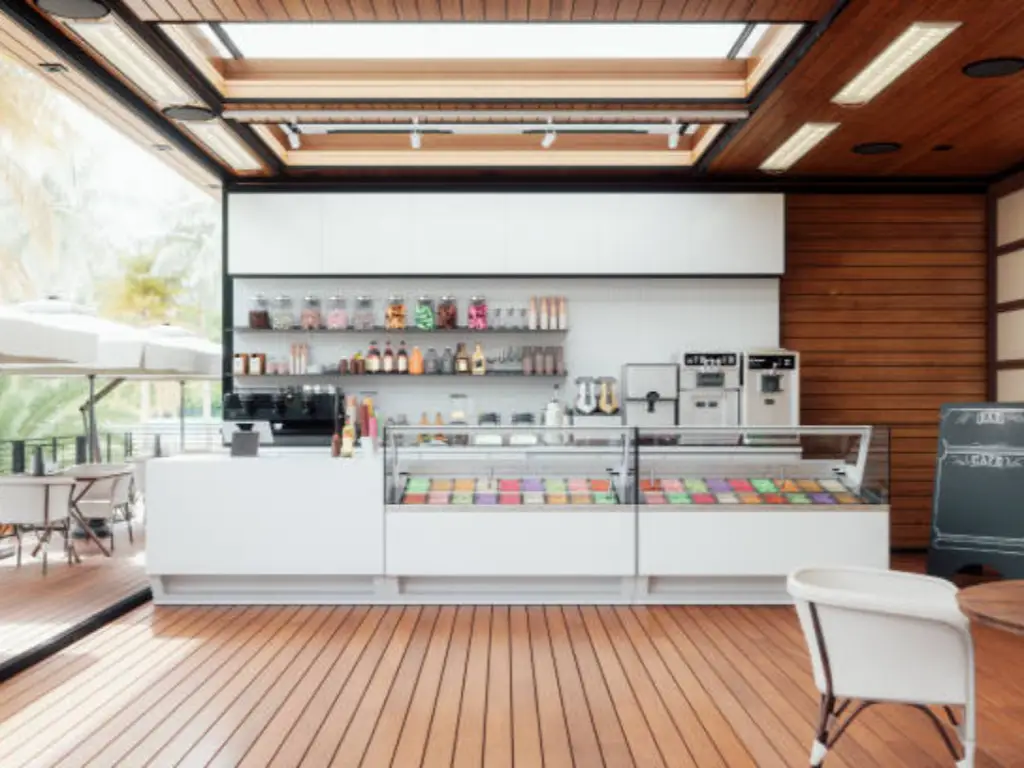
Esta realidad nos obliga a plantearnos una pregunta crucial: ¿Por qué el aparentemente ordinario carrito de helados sin marca de una concurrida esquina genera a menudo más beneficios netos reales que la lujosa y bellamente diseñada tienda de ladrillo y mortero del centro con la pared de flores de neón? La respuesta no está en el sabor del helado, sino en la brutal eficacia del modelo de negocio. La pasión te pone en marcha, pero las matemáticas operativas te mantienen en el negocio.
Modelos de negocio rentables: Más allá del ladrillo y el mortero
Cuando la mayoría de la gente piensa en montar un negocio de helados, inmediatamente piensa en firmar un contrato de arrendamiento comercial de cinco años por un gran local. Este suele ser el primer y más fatal error que puede cometer un aspirante a empresario. El panorama moderno de la alimentación y las bebidas ha evolucionado, y algunos de los modelos con mayor retorno de la inversión son los que minimizan el gasto de capital inicial al tiempo que maximizan la movilidad y el rendimiento.
La flota móvil: Camiones y carritos de helados
Antes de comprometerse con una ubicación fija, debe evaluar seriamente el modelo de flota móvil. Esto lo abarca todo, desde furgonetas escalonadas de tamaño completo y reequipadas hasta carritos de empuje muy ágiles. Estos modelos le permiten seguir la demanda en lugar de esperar a que la demanda venga a usted.
| Modelo de negocio | Inversión inicial (estimada) | Movilidad y flexibilidad | Límites operativos y retos | El mejor caso de uso |
|---|---|---|---|---|
| Carro de empuje (placas frías) | $3.000 - $8.000 | Extremadamente alta (puede instalarse en interiores/exteriores) | Requiere una carga nocturna de 10-12 horas; límite de 6-8 horas | Mercados agrícolas, bodas, eventos corporativos privados |
| Camión de helados | $40.000 - $90.000 | Alta (legal en la calle, amplia zona de itinerancia) | Ruido del generador, averías mecánicas, costes de combustible | Rutas de barrio, grandes festivales de música al aire libre |
Aunque la barrera de entrada para un carro de empuje parece increíblemente baja, existen graves limitaciones operativas ocultas que los novatos pasan por alto. Un carro empujador comercial de primera calidad no funciona por arte de magia, sino que se basa en la tecnología de "placas frías". Las placas frías son pesadas unidades metálicas selladas llenas de un fluido eutéctico especializado. Para que se enfríen lo suficiente como para mantener el helado de forma segura bajo el sol del verano, deben enchufarse a un circuito eléctrico de alta resistencia durante 10 o 12 horas a la noche. Esto significa que no puedes comprar un carrito y aparcarlo en el salón de tu piso. Tiene que conseguir una cocina comercial o un almacén especializado con la infraestructura eléctrica adecuada, lo que añade un coste mensual fijo de alquiler a su negocio móvil "barato".
Además, las limitaciones físicas de las placas frías dictan su ventana de ventas. En un día de verano a 90 grados, un carro de placas frías completamente cargado sólo mantendrá temperaturas seguras durante unas 6 u 8 horas. Si trabaja en un festival de música de varios días, no puede dejar el carro allí sin más; debe transportarlo de vuelta a su centro de carga cada noche. Debe calcular rigurosamente estos costes logísticos ocultos, las horas de trabajo y los requisitos de carga antes de comprometerse con la ruta móvil.
La microtienda y los quioscos pop-up
Si la logística de las flotas móviles le parece agotadora, pero el alquiler de un restaurante masivo le aterra desde el punto de vista financiero, la "microtienda" es la solución intermedia definitiva. Definimos una microtienda como un espacio comercial de menos de 500 pies cuadrados, que a menudo funciona únicamente como un escaparate (o un quiosco en una isla de un centro comercial) sin ningún asiento interior para los clientes.
El genio financiero de la microtienda reside en una métrica llamada "Índice de rotación" o, más exactamente en este contexto, "Rendimiento". Cuando hay mesas y sillas, los clientes se quedan. Una familia de cuatro miembros puede comprar un helado por valor de $20 y ocupar una mesa durante 45 minutos, ocupando una valiosa superficie climatizada. En una microtienda, la ecuación de los asientos desaparece por completo. La experiencia del cliente se condensa: se acerca al escaparate, realiza una transacción, recibe su producto en un vaso de papel bien diseñado y se marcha inmediatamente a disfrutarlo en otro lugar.
Esto permite que un pequeño mostrador de 300 metros cuadrados procese un volumen asombroso de transacciones. Imagínese un caluroso viernes por la noche en un concurrido distrito del centro de la ciudad: con una distribución optimizada en la que el sistema de punto de venta está perfectamente alineado con las vitrinas de salsas, dos camareros altamente cualificados pueden procesar fácilmente 300 pedidos en dos horas de ajetreo. Se paga una fracción del alquiler de un restaurante tradicional, pero se obtienen ingresos de nivel empresarial durante las horas punta. Es el ejercicio definitivo para maximizar los ingresos por metro cuadrado.
Innovación en los menús: Crear una estrategia de sabores con márgenes elevados
Su menú es el corazón palpitante de su marca. Sin embargo, la elaboración de un menú no consiste solo en una lluvia de ideas de sabores divertidos; es un ejercicio de gestión de la cadena de suministro, análisis demográfico de objetivos y riguroso control de costes.
La Fundación del Formato: Hard Scoop vs. Soft Serve
Antes de pensar siquiera en los sabores, debe decidir el formato, porque esta decisión dicta la pieza más cara del equipo que comprará. Las dos opciones principales son el Hard Scoop tradicional (elaborado en un congelador por lotes) y el Soft Serve.
Un congelador por lotes es una máquina de gran potencia que convierte la base líquida en helado congelado en lotes discretos (por ejemplo, de 2 a 5 galones cada vez). Este formato ofrece una libertad creativa ilimitada. Puede hacer una rotación interminable de sabores, añadir trozos enormes de brownies, remolinos de cintas gruesas de caramelo y exponerlos con orgullo en una vitrina de cristal. Sin embargo, la preparación en masa requiere mucho trabajo manual, grandes congeladores y mucho espacio de almacenamiento para todas las tarrinas.
Por el contrario, el helado cremoso requiere una máquina completamente diferente, normalmente un sistema de doble tolva que congela el producto a medida que se tira de la palanca. Las máquinas de helados cremosos le limitan a dos sabores básicos (normalmente chocolate y vainilla) y un "twist". Aunque se pierde variedad de sabores, se gana una increíble eficacia operativa. La mano de obra es mínima, el servicio es rapidísimo y los márgenes de beneficio son astronómicos. Para una microtienda, comprar una máquina de helados cremosos de gama alta y crear variedad recubriendo los conos con docenas de diferentes ingredientes de primera calidad (cereales, galletas trituradas, siropes personalizados) suele ser un camino mucho más rápido hacia la rentabilidad que invertir mucho en equipos de congelación por lotes.
Catering para el voto de veto (vegano, ceto y sin lácteos)
En el panorama culinario actual, ofrecer alternativas dietéticas ya no es una opción de moda; es un requisito básico defensivo. En el sector de la hostelería, existe un poderoso concepto conocido como "Voto de Veto". Imagínese una familia de cinco miembros o un grupo de seis amigos decidiendo dónde tomar el postre. Si una sola persona de ese grupo tiene intolerancia a la lactosa, es estrictamente vegana o sigue una dieta ceto, y su establecimiento no ofrece nada que puedan comer, esa persona ejercerá su "voto de veto". Todo el grupo pasará de tu tienda y se irá a la de la competencia. No sólo ha perdido una venta de $5 scoop; ha perdido una transacción de grupo de $30.
Sin embargo, la producción de estas alternativas conlleva importantes obstáculos técnicos. Las leches alternativas de origen vegetal (como la de avena, almendra o coco) carecen de las estructuras grasas y proteínas específicas de la leche láctea. Como resultado, son muy susceptibles de formar cristales de hielo poco apetecibles, lo que da lugar a una textura helada y quebradiza en lugar de cremosa. Para contrarrestarlo, hay que invertir en estabilizantes y emulsionantes especializados de mayor calidad. En consecuencia, el coste alimentario de un helado vegano de calidad superior suele ser al menos 20% superior al de una base láctea estándar. La estrategia en este caso no consiste en orientar todo el negocio hacia el veganismo (a menos que sea su nicho específico), sino en asignar rigurosamente entre 15% y 20% de su menú a estas alternativas. Se absorbe el coste ligeramente superior de los alimentos en esos productos específicos para proteger y asegurar las transacciones de grupos más grandes.
Formatos virales y fusiones exóticas
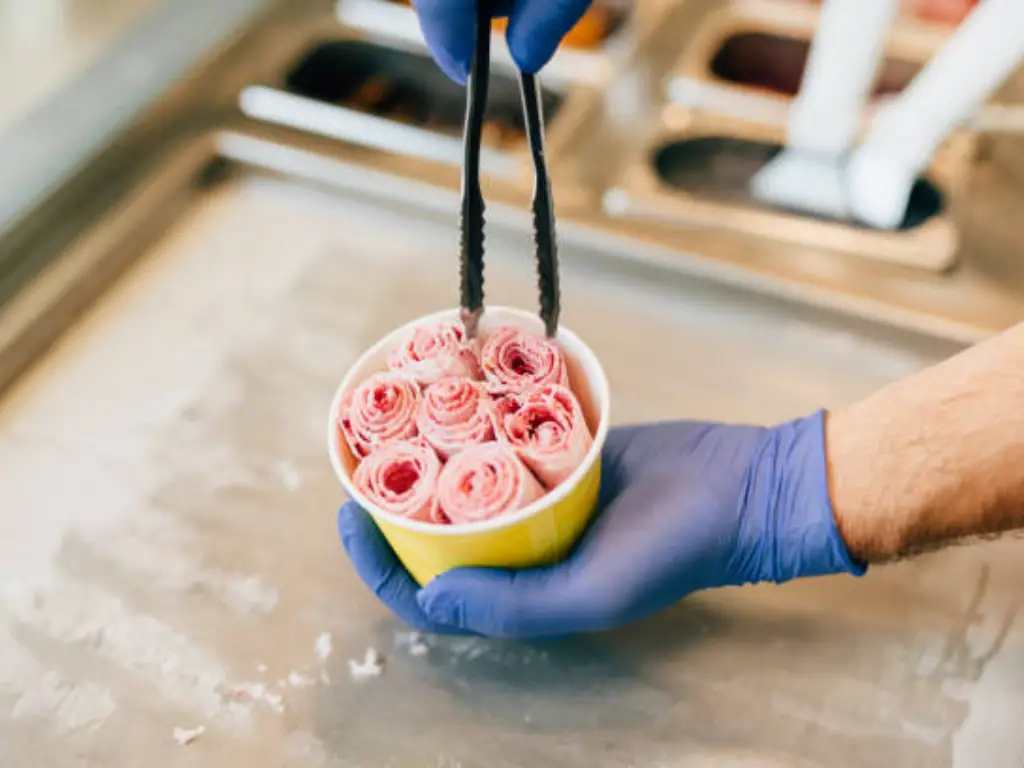
Las redes sociales han creado categorías completamente nuevas de postres helados diseñados principalmente para el espectáculo visual. Son increíblemente populares los helados enrollados (en los que la base líquida se vierte en una bandeja de congelación y se raspa hasta formar cilindros apretados), los helados de nitrógeno líquido (congelados al instante en medio de espectaculares columnas de vapor) y los helados con alcohol.
Aunque estos formatos permiten cobrar un sobreprecio enorme -a menudo de $8 a $12 por ración-, esconden costes ocultos brutales. El nitrógeno líquido requiere entregas continuas de materiales peligrosos y la instalación de costosísimos sistemas de ventilación y extracción de calidad comercial para evitar riesgos de asfixia en la cocina. El helado en rollo es notoriamente lento; un solo pedido puede tardar hasta tres minutos en elaborarse, lo que destruirá por completo su rendimiento durante un ajetreado fin de semana. Y si quieres servir helados con alcohol, prepárate para el laberíntico proceso legal de obtención de la Licencia de Licores, que puede llevar más de seis meses y miles de dólares en honorarios legales, agotando tu capital inicial incluso antes de abrir las puertas.
La lección definitiva sobre la estrategia de menús es la siguiente: mantén en la carta unos cuantos platos exóticos y salvajemente únicos. Un sorbete de mango y jalapeño picante o un espectáculo de nitrógeno líquido sirven para que la gente se haga fotos, etiquete el local y actúe como motor de marketing. Pero recuerde siempre que la vainilla y el chocolate clásicos, de alta calidad y perfectamente ejecutados, son las innegables vacas lecheras que realmente pagarán su alquiler y sus nóminas.
La estrategia del "vaso de papel": El envase como vendedor silencioso
Hemos llegado a la brecha estratégica más crítica, y a la vez más frecuentemente ignorada, de todo el negocio de los helados: el envasado. La mayoría de los nuevos propietarios consideran que los vasos y las cucharas de papel no son más que gastos operativos molestos y necesarios, un "centro de costes" que hay que minimizar buscando en Internet las opciones a granel más baratas posibles. Se trata de un malentendido catastrófico de la psicología del consumidor y la economía de marca. El envase debe dejar de ser un consumible básico para convertirse en un activo fundamental de marketing y un mecanismo primordial de control de beneficios.
Hablemos de la física de la percepción de las porciones y de un fenómeno psicológico que denominamos estrategia "Muffin Top". Si su procedimiento operativo estándar es servir una generosa bola de helado de 4 onzas, poner esa bola de 4 onzas en una taza de 8 onzas es un error fatal. Para el cliente, la copa parece medio vacía. Se siente defraudado, independientemente del peso real. Para compensar este déficit visual, sus empleados añadirán inconscientemente (o conscientemente, debido a las quejas de los clientes) otra media cucharada para que parezca "lleno". En el transcurso de un verano ajetreado, esa media cucharada extra sin pesar que se regala en cada pedido erosionará miles de dólares de puro beneficio neto.
La solución es la ingeniería precisa del envase. Debe servir exactamente la misma bola de 4 onzas en una copa personalizada de 5 onzas bien ajustada. El helado sobresaldrá naturalmente por encima del borde, creando un efecto visual de abundancia y desbordamiento. El cliente tiene la sensación de estar recibiendo un gran valor, el control de las porciones sigue siendo matemáticamente impecable y el coste de los alimentos se mantiene estrictamente dentro de la zona de seguridad de 15% a 20%.
Más allá del control de las raciones, su vaso de papel es su herramienta de captación de clientes más poderosa y de coste cero. Cuando un cliente sale de su establecimiento con un vaso con un logotipo vibrante y distintivo impreso, se convierte en una valla publicitaria andante. En una concurrida zona comercial al aire libre o en un soleado paseo marítimo, un vaso muy visible y con un bonito diseño en manos de un cliente satisfecho es infinitamente más eficaz que cualquier anuncio digital.
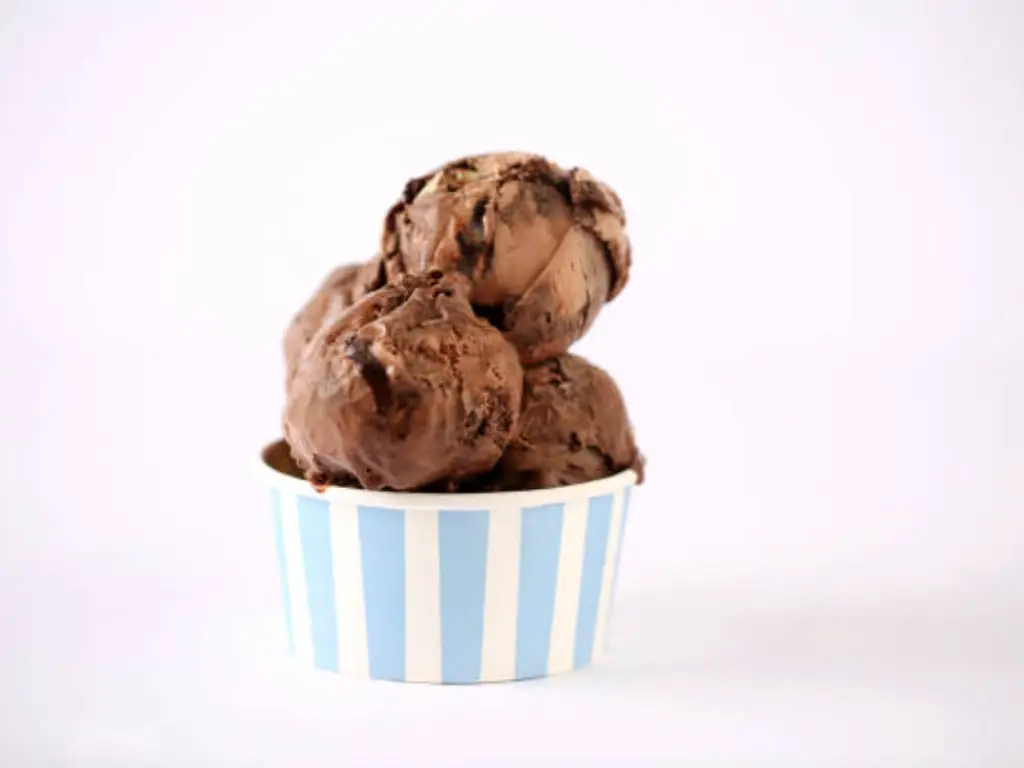
Pero la ejecución de esta estrategia de envasado personalizado revela un enorme punto débil para los operadores independientes. Las imprentas tradicionales a gran escala exigen cantidades mínimas de 250.000 a 500.000 unidades. Una nueva empresa no puede inmovilizar tanto flujo de caja en un almacén lleno de papel. Por otro lado, si se recurre a intermediarios extranjeros baratos y no verificados que ofrecen tiradas mínimas, se corre el riesgo de sufrir problemas de calidad catastróficos. Una taza barata con una costura lateral mal sellada derramará helado derretido por toda la ropa cara de un cliente, creando una pesadilla de relaciones públicas y perdiendo definitivamente a ese cliente.
Precisamente por este dilema, los empresarios de helados más inteligentes y con visión de futuro se asocian con expertos en fabricación como Yoonpak. Yoonpak cubre perfectamente este vacío, ofreciendo la fiabilidad a prueba de balas de un gran fabricante junto con la agilidad que requieren las pequeñas y medianas empresas.
Con 24 años de arraigada experiencia en el sector, Yoonpak es la fuerza silenciosa detrás de algunos de los gigantes de la alimentación y las bebidas más exigentes del mundo, como Burger King, Tim Hortons e ILLY. Aportan ingeniería de primera clase, como el robusto aislamiento de doble pared para mantener el helado frío y las manos del cliente calientes, y revestimientos de PLA (de origen vegetal) o PE estándar respetuosos con el medio ambiente que garantizan una experiencia 100% a prueba de fugas. Su control de calidad es obsesivo; las copas se inspeccionan cada hora y cada una lleva un número de serie impreso en la parte inferior para una trazabilidad total.
Aquí es donde la barrera financiera se rompe por completo para el propietario de una tienda independiente: Yoonpak ha democratizado el acceso a embalajes de nivel empresarial. Ofrecen tiradas impresas a medida con un MOQ increíblemente bajo de tan solo 1,5 millones de euros. 10.000 piezas (siempre que el comprador se haga cargo de la logística específica del transporte).
Si le preocupa que 10.000 tazas sigan siendo demasiado inventario, hagamos cuentas para eliminar ese temor. Incluso si tiene un carrito pequeño y vende 150 tazas al día, una cifra muy conservadora, 10.000 tazas representan apenas dos meses de inventario operativo. Por una inversión aproximadamente equivalente a una reparación menor del equipo, puede lanzar su negocio el primer día con exactamente la misma calidad de envasado, integridad estructural y marca de alta definición que un conglomerado multinacional de café o helados. Protegerá sus márgenes, eliminará el riesgo de fugas y convertirá a cada cliente en un embajador de su marca.
Interiorismo y vibración: diseñar para fluir
Si opta por una tienda física, su diseño interior debe tratarse como una máquina optimizada para procesar el tráfico de personas, no como un simple lienzo para su expresión artística. El elemento más importante del plano es el "flujo", es decir, el recorrido físico exacto que sigue un cliente desde que cruza el umbral hasta que sale.
Una disposición desastrosa, aunque habitual, consiste en colocar la caja registradora justo al lado de la entrada, con las vitrinas de inmersión muy al fondo y la zona de recogida solapada con la entrada. Esto crea un cuello de botella caótico en el que las personas que intentan entrar chocan con las que esperan su comida, lo que aumenta instantáneamente el tiempo de espera percibido y provoca que no se pueda entrar. El flujo óptimo es secuencial y psicológico. El cliente debe entrar y ser recibido inmediatamente por un menú claro y muy legible. A medida que avanza, se ve forzado a caminar junto a las vitrinas de salsas, muy iluminadas: es la fase de "seducción visual", en la que se siente atraído por la belleza del producto. Hacen el pedido, avanzan linealmente hasta un punto de venta específico para pagar y, por último, pasan a una zona de recogida aislada cerca de la salida.
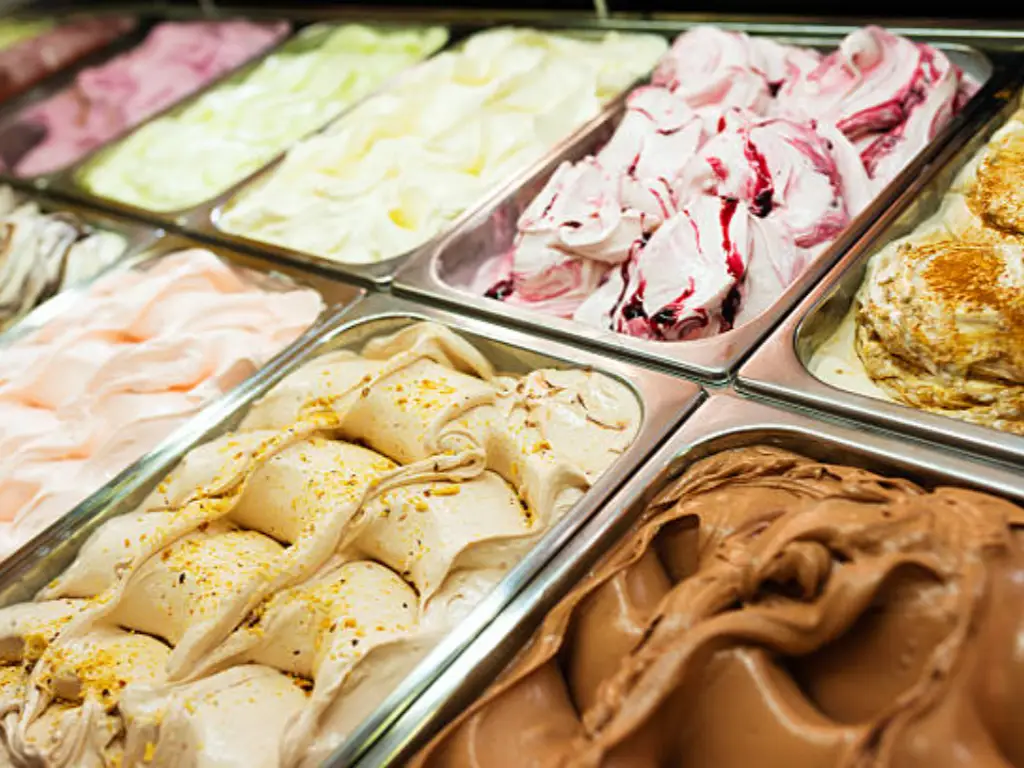
Igual de importante que la distribución física es la iluminación comercial, sobre todo en el interior y la parte superior de los armarios de inmersión. Este es un campo en el que los aficionados fracasan estrepitosamente. No se pueden utilizar bombillas halógenas de tonos cálidos cerca de helados; la radiación infrarroja acelerará literalmente la fusión superficial (meltdown) del producto, arruinando la textura y provocando un encogimiento masivo.
Sin embargo, también debe evitar absolutamente las luces LED estándar "blanco frío" (cualquier luz superior a 5000K). La luz blanca fría carece del espectro rojo; si la proyecta sobre productos lácteos, convertirá la nata en un apetitoso y enfermizo azul pálido, dando a su vitrina el aspecto estéril y muerto de la morgue de un hospital. Acabará instantáneamente con el "atractivo del apetito". La norma industrial estricta para iluminar helados y gelatos es el uso de Iluminación LED blanco natural neutro (3500K a 4000K) con un índice de reproducción cromática muy alto (CRI > 90). Esta especificación óptica específica no produce calor y resalta a la perfección el rojo vibrante y natural del sorbete de fresa y los tonos ricos, cálidos y acogedores de la vaina de vainilla.
Vencer el bajón invernal: Ideas para fuera de temporada
Por muy brillante que sea su imagen de marca o por muy impecable que sea su flujo de ventas, la industria del helado se ve acechada por un enemigo implacable: el invierno. En muchos climas, los ingresos pueden caer entre 60% y 80% entre noviembre y marzo. Confiar únicamente en las reservas de efectivo de verano para sacar a flote el negocio durante los meses oscuros es una estrategia muy estresante y arriesgada. Se necesitan productos proactivos que aumenten los márgenes.
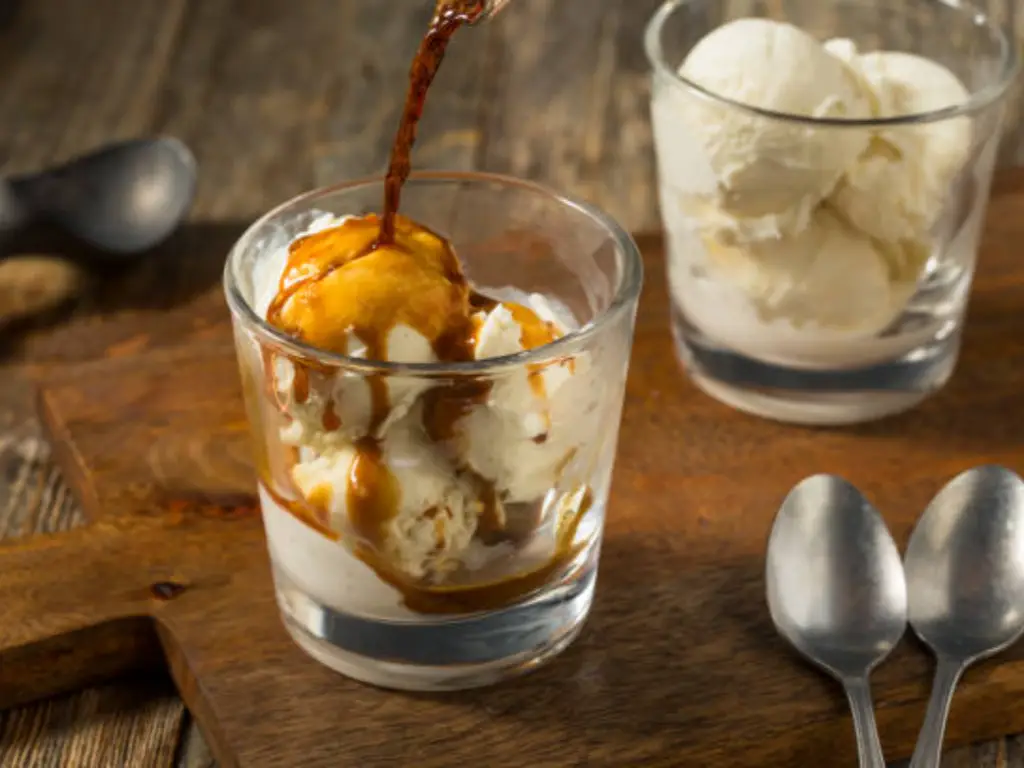
El secreto para sobrevivir al invierno consiste en introducir artículos de alto precio que aprovechen el inventario de helados existente y, al mismo tiempo, eleven el valor percibido hasta convertirlo en una reconfortante experiencia invernal. El campeón indiscutible de esta estrategia es el Affogato. Con un simple trago de espresso caliente de alta calidad y vertiéndolo sobre una bola estándar de helado de vainilla, se transforma una delicia veraniega $4 en una experiencia de postre italiano premium $8.
Del mismo modo, introducir productos calientes recién horneados, como gofres belgas o crepes franceses, crea un contraste sensorial irresistible. El olor de la masa horneada en la fría calle atrae a los clientes al interior. No se está abandonando el helado, sino que se está utilizando el gofre como un vehículo caliente de alto margen para vender más helado.
Además, invertir en una máquina de café espresso comercial y servir un café adecuado, de nivel de barista, supone un profundo cambio para su modelo de negocio. Las heladerías no suelen tener tráfico real hasta las 13:00 o 14:00 horas. Al ofrecer un café matutino excepcional junto con bollería fresca, adelantas de forma agresiva tu horario de apertura a las 7:00 u 8:00 de la mañana. De este modo, intercepta el tráfico de viajeros matutinos y crea una fuente de ingresos totalmente nueva y muy habitual que le ayuda a pagar el alquiler cuando cae la nieve.
El verdadero coste: Equipos, mantenimiento y trampas de cumplimiento
A medida que nos acercamos al final de este plan, debemos realizar una auditoría despiadada de las trampas ocultas que llevan a la bancarrota a los fundadores no preparados. Por lo general, estas trampas se dividen en dos categorías distintas: infraestructura de hardware y cumplimiento administrativo. Equivocarse en cualquiera de ellas agotará por completo el capital de su empresa antes de que atienda a un solo cliente.
Trampas de hardware y mantenimiento
Es fácil presupuestar el espacio físico de una vitrina de helados, pero los operadores noveles rara vez presupuestan la infraestructura eléctrica necesaria para mantenerla viva. Las vitrinas de helado italiano auténtico de gama alta son magníficas piezas de ingeniería, pero presentan "ciclos de descongelación" increíblemente agresivos. Como el helado se apila sobre el recipiente refrigerado, la vitrina debe bombear periódicamente aire caliente para evitar la condensación y la formación de escarcha, manteniendo el producto perfectamente congelado. Estos compresores de gran potencia consumen una enorme cantidad de energía.
Si alquila un local comercial antiguo, es posible que descubra demasiado tarde que el edificio sólo dispone de electricidad residencial monofásica estándar. Los congeladores de lotes comerciales, las vitrinas de gran tamaño y los congeladores walk-in casi siempre requieren Alimentación trifásica. Modernizar la red eléctrica de un edificio antiguo para adaptarla a la corriente trifásica, lo que incluye instalar nuevas líneas desde la calle y actualizar los cuadros de distribución, puede suponer fácilmente una factura inesperada de entre 1.000 y 1.430.000 euros. Es necesario que un electricista comercial audite el local antes de firmar el contrato de alquiler.
Trampas administrativas y de concesión de licencias
Los obstáculos administrativos pueden ser tan costosos como los fallos de hardware. Si ha optado por el modelo de camión móvil de comida, prepárese para un laberinto de burocracia. Las normativas del Departamento de Sanidad están muy localizadas. Si su camión cruza la frontera de un condado para asistir a un lucrativo festival de fin de semana, el permiso sanitario de su condado primario no suele ser válido. Es posible que tenga que pagar, programar y pasar una inspección sanitaria completamente nueva en la jurisdicción vecina, además de obtener un permiso de venta ambulante por separado.
Además, si ha seguido el consejo de la sección de innovación de menús y ha decidido dedicarse a los "helados con alcohol", ya no es sólo una heladería a los ojos de la ley: es un bar. En muchos municipios, la obtención de una licencia para vender bebidas alcohólicas implica la comprobación de antecedentes, audiencias públicas, aprobaciones por parte de la junta municipal y variaciones de zonificación. Este proceso puede alargarse fácilmente de seis a nueve meses. Si ya has firmado el contrato de arrendamiento, estarás pagando miles de dólares de alquiler cada mes por un local vacío mientras esperas un papel del ayuntamiento.
Su próximo paso: Deje de adivinar y empiece a crear prototipos
Poner en marcha un negocio de helados es una empresa abrumadora. En estos momentos se enfrenta a negociaciones de arrendamiento, compras de congeladores por valor de $15.000 lotes y complejas solicitudes de permisos. Es fácil sucumbir a la parálisis por análisis y dejar que su sueño se estanque. El secreto para superar esta presión abrumadora es dar un pequeño paso adelante, muy tangible y completamente libre de riesgos, para coger impulso.
Antes de invertir decenas de miles de dólares en maquinaria pesada, el estímulo psicológico más poderoso que puede darse a sí mismo -y a sus inversores- es ver cómo su marca cobra vida físicamente. Sostener una taza de alta calidad, bellamente impresa con su logotipo, transforma instantáneamente su "idea" en una realidad tangible.
No dejes que la falta de experiencia en diseño gráfico te frene. Yoonpak cuenta con un equipo interno de desarrolladores y diseñadores de productos profesionales dispuestos a ofrecerle 100% asistencia gratuita para el diseño de envases. Tanto si tiene un logotipo vectorial completamente renderizado como un boceto en una servilleta, su equipo le dará vida.
Ya puede dejar de adivinar qué aspecto tendrá su marca. Simplemente comparta su visión y Yoonpak le proporcionará una prueba digital impecable en el plazo de un día laborable. Una vez que la apruebe, le enviaremos una muestra física en 48 horas. Además, Yoonpak respalda firmemente su ingeniería: ofrecen una garantía completa de 1 año en todos los productos. En el caso increíblemente raro de que se produzca un defecto o una fuga, no hay ningún proceso de devolución frustrante. Basta con enviar una foto o un vídeo, y ellos tramitarán una reclamación para rehacer el producto en un plazo de 30 días. Es la red de seguridad definitiva para la reputación de su marca.
Solicite hoy mismo una muestra y un diseño de taza personalizados gratuitos
🔒 No se requiere tarjeta de crédito para la prueba digital. Envío en 48 horas. Da el primer paso real en la construcción de tu marca.


 English
  German
  Spanish
  Italian
  Dutch
Dutch  French
  Portuguese
  Russian
  Arabic
  Korean