

¿Qué es un restaurante pop-up? La guía definitiva sobre costes, permisos y retorno de la inversión
El sector de la restauración tradicional está experimentando un cambio radical. Durante décadas, la barrera de entrada en el mundo culinario se definía por unos costes a fondo perdido devastadoramente elevados: firmar un implacable contrato de arrendamiento comercial de diez años, invertir cientos de miles de dólares en la construcción de cocinas a medida y rezar para que el tráfico de clientes se ajustara a las promesas del agente. Hoy en día, el empresario culinario moderno -y los inversores experimentados por igual- rechazan esta apuesta arriesgada. Ahora existe el restaurante pop-up.
Si se pregunta "¿qué es un restaurante pop-up?", es posible que se imagine un pintoresco puesto de tacos o una venta de pasteles de fin de semana. Destierre ese pensamiento. En el sector de la hostelería contemporánea, un pop-up es un marco empresarial muy calculado y ajustado. Es el equivalente culinario de la metodología ágil de Silicon Valley. Permite a chefs ambiciosos, grupos hosteleros consolidados e incluso marcas mundiales de tecnología alimentaria probar conceptos, menús y viabilidad de mercado con una exposición financiera mínima. No se trata de venta ambulante, sino de aprovechar espacios físicos temporales para crear un enorme valor de marca.
Tanto si eres un chef con estrella Michelin que quiere poner a prueba un concepto informal, un restaurador experimentado que se expande a una nueva ciudad o un operador novel que intenta conseguir capital riesgo, entender la mecánica de una pop-up ya no es opcional. Esta completa guía prescinde de la palabrería superficial y se sumerge de lleno en las verdades más duras: los cálculos financieros, los complejos campos de minas legales, los inflexibles requisitos físicos del hardware y los trucos operativos que separan las empresas rentables de los costosos desastres.
Descifrando el modelo de restaurante pop-up
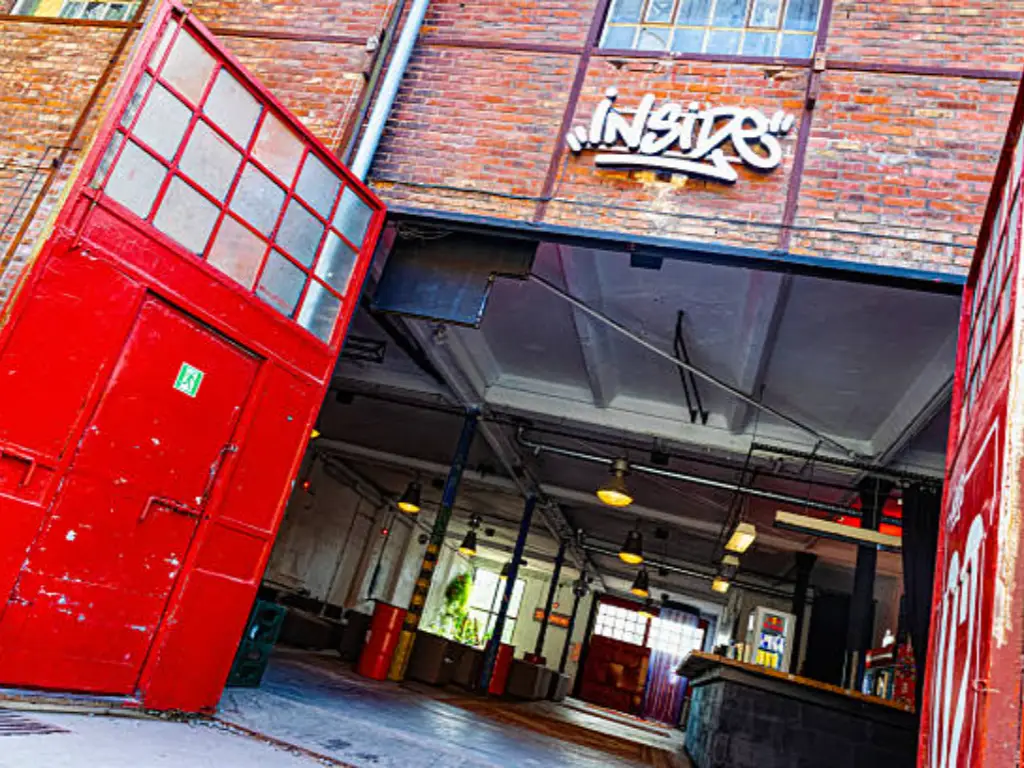
Para comprender realmente el poder de este modelo, primero debemos ir más allá de la naturaleza temporal del espacio físico. Un restaurante pop-up se define como un evento gastronómico temporal que opera en una variedad de espacios, desde restaurantes operativos existentes hasta lugares completamente no tradicionales como galerías de arte, azoteas o almacenes abandonados. Históricamente, empezaron como "clubes de cena" clandestinos que pretendían eludir las estrictas leyes municipales de zonificación y ofrecer experiencias gastronómicas exclusivas y de boca en boca.
Hoy, sin embargo, el pop-up ha evolucionado hasta convertirse en una sofisticada incubadora comercial. Es una herramienta estratégica diseñada para Prueba de concepto (POC). En el mundo B2B y de la inversión, nadie quiere financiar una "buena idea". Quieren financiar un modelo de ingresos probado. Un pop-up proporciona exactamente eso.
La caja de arena mental: No vea un pop-up como un picnic o una cafetería a escala reducida. Véalo como un Trailer de la película. Está produciendo un teaser de gran impacto y de corta duración para comprobar si el público está dispuesto a pagar el precio completo por el producto final. Largometraje (tu futuro local). Si el tráiler fracasa, simplemente reescribes el guión sin haber llevado al estudio a la quiebra.
Esta agilidad permite a los operadores probar cambios radicales en el menú, evaluar la demografía del barrio y perfeccionar su flujo de trabajo operativo. En lugar de encerrarse en un modelo de negocio estático durante una década, los operadores de pop-ups pivotan dinámicamente en función de los datos de consumo en tiempo real. Si un barrio concreto rechaza un concepto de sushi de alta gama pero pide comida callejera japonesa de lujo, el operador puede adaptarse de la noche a la mañana. Este nivel de hiperflexibilidad es la característica definitoria del modelo pop-up moderno, que lo convierte en la herramienta definitiva de mitigación de riesgos en un sector por lo demás peligroso.
Las matemáticas detrás de la magia: costes hundidos frente a retorno de la inversión en Pop-Up
La estadística más aterradora para cualquier empresario hostelero es la tasa de fracaso. Según datos históricos de la Asociación Nacional de Restaurantes y varios economistas especializados en hostelería, un porcentaje alarmante de restaurantes independientes fracasan en su primer año, y casi 60% fracasan en tres años. La causa de esta tasa de mortalidad rara vez es la mala comida, sino la deuda catastrófica y la mala gestión de la tesorería derivada de unos gastos de capital iniciales desorbitados.
Veamos los fríos y duros cálculos. Abrir un restaurante tradicional de 1.500 metros cuadrados en una ciudad estadounidense de nivel medio requiere actualmente una inyección de capital inicial que oscila entre los 250.000 y los 500.000 euros. Esto cubre la fianza, el primer y el último mes de alquiler, los planos arquitectónicos, la instalación de calefacción, ventilación y aire acondicionado, las campanas extractoras, los colectores de grasa y el mobiliario de la fachada. Una vez gastado ese dinero, se convierte en un "coste hundido". Si el concepto no cala en el mercado local en el tercer mes, no podrás volver a vender tus paneles de yeso a medida o tus trampas de grasa usadas por su valor íntegro. Estás atrapado.
Por el contrario, una operación pop-up sencilla puede ponerse en marcha por entre $3.000 y $10.000. El capital se destina estrictamente a costes variables de alto impacto: ingredientes de primera calidad, permisos temporales, marketing y marca desechable de alta calidad. El capital se destina estrictamente a costes variables de alto impacto: ingredientes de primera calidad, permisos temporales, marketing y marca desechable de alta calidad. Para ilustrar este abismo en la exposición financiera, revisemos la siguiente matriz de riesgos:
| Dimensión estratégica | Ladrillo y mortero tradicional | El modelo Pop-Up |
|---|---|---|
| Capital inicial (costes a fondo perdido) | $250,000 – $500,000+ | $3,000 – $10,000 |
| Duración del compromiso | Arrendamiento comercial de 5 a 10 años | De 1 día a 3 meses (Muy flexible) |
| Complejidad de los permisos | 6-12 meses de aprobaciones estructurales y de zonificación | 2-4 semanas (Permisos temporales de sanidad y eventos) |
| Sanción por incumplimiento | Quiebra, pérdida de bienes personales, batallas legales | Pérdida de unos pocos miles de dólares; obtención de valiosos datos de mercado |
Búsqueda de sedes y asociación con cocinas anfitrionas
Si las matemáticas tienen sentido, la siguiente pregunta inmediata es la ejecución. ¿Dónde va a operar exactamente? Un grave error que cometen los principiantes es conseguir los permisos antes de confirmar la realidad física de su local. En el sector culinario, el material físico del local dicta todo lo demás. Primero hay que conseguir el local.
Por lo general, los operadores de pop-up con éxito se centran en tres tipos de asociaciones de acogida, cada una de las cuales ofrece ventajas distintas en términos de tráfico peatonal e infraestructura:
- Restaurantes existentes (Días oscuros): Muchos restaurantes de éxito cierran los lunes o martes para dar un respiro a su personal. Este "día negro" representa una pérdida de ingresos para el propietario. Puedes alquilar su cocina comercial, totalmente equipada y que cumple todas las normas, por una tarifa plana o un acuerdo de ingresos compartidos. Esta es la opción más segura y llave en mano para un principiante.
- Cervecerías y bodegas: Las cervecerías artesanales destacan en la elaboración de cerveza, pero las leyes municipales a menudo les obligan a servir comida, o sus clientes simplemente se marchan cuando tienen hambre. Las cervecerías están desesperadas por rotar los conceptos de comida, pero detestan la idea de gestionar una cocina. Es una mina de oro simbiótica.
- Espacios no tradicionales: Los almacenes, las galerías de arte y las azoteas ofrecen un increíble atractivo estético y crean un enorme miedo a perderse algo. Sin embargo, conllevan grandes retos logísticos.
La última regla dura: El requisito de la cocina del economato
Si eliges un espacio no tradicional (como una galería o una tienda), carecerá de un sistema de campana extractora comercial, un colector de grasas y un fregadero de tres compartimentos. En este entorno no se puede preparar legalmente carne cruda ni comidas complejas. Para operar legalmente, los departamentos de salud obligan a tener un contrato de arrendamiento o un Acuerdo sobre el economato con una cocina de economato comercial autorizada (cocina compartida). Toda la preparación de alimentos crudos, el lavado y la manipulación de alimentos de alto riesgo DEBEN realizarse en el economato. La galería es estrictamente para el almacenamiento seguro, el montaje final y el servicio. Si ignora esta norma, estará llevando a cabo una operación ilegal que será clausurada al instante.
Navegar por el campo de minas legal de los comedores temporales
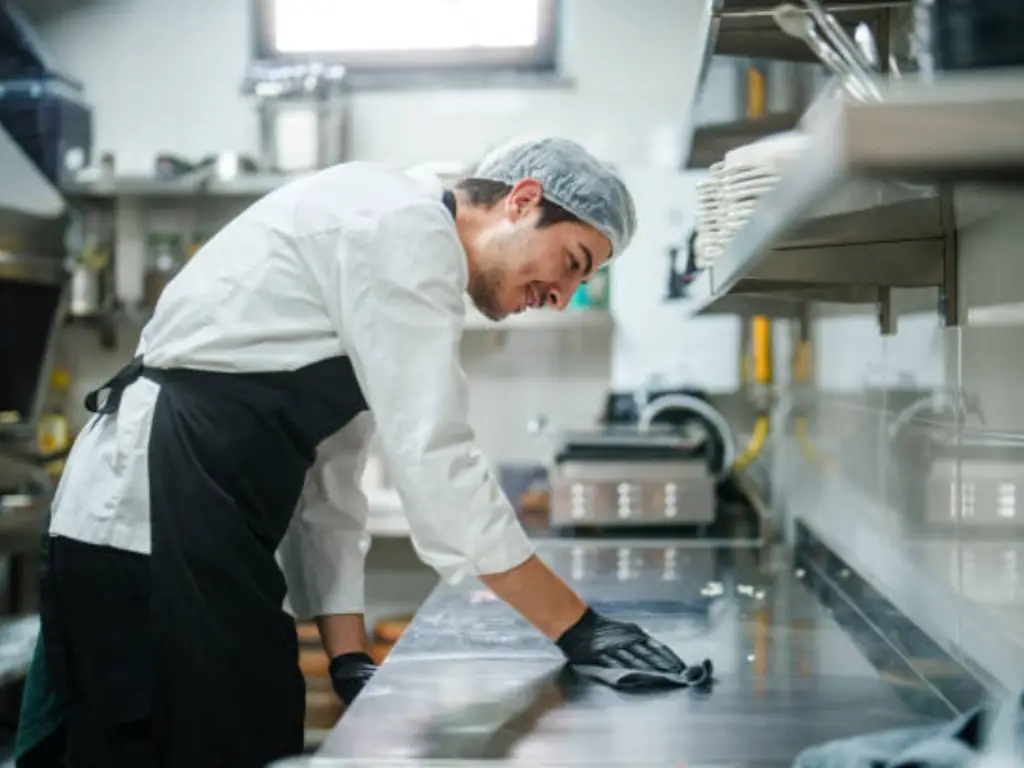
Una vez asegurado el local y firmado el contrato de la cocina del economato, ahora debe enfrentarse al adversario definitivo del emprendedor entusiasta: el departamento de sanidad local. La pasión y un gran número de seguidores en Instagram no pueden salvarte si un inspector pone una etiqueta roja a tu negocio. La ilusión de que los pop-ups operan "bajo el radar" es un mito peligroso.
Debe adquirir sistemáticamente las siguientes protecciones legales:
1. El Permiso de Establecimiento Alimentario Temporal (TFF): Es tu licencia para existir. Dependiendo de su municipio, para obtener una TFF es necesario presentar un plano detallado de su pop-up, una lista completa del equipo y su menú. El departamento de sanidad necesita saber exactamente cómo va a mantener calientes los alimentos calientes (por encima de 135 °F) y fríos los alimentos fríos (por debajo de 41 °F) en un establecimiento temporal. Analizarán minuciosamente los lavamanos: si no dispone de agua caliente, deberá instalar un lavamanos alimentado por gravedad que cumpla la normativa.
2. Licencias de bebidas alcohólicas para eventos especiales: El alcohol es el sector con mayores márgenes de beneficio, pero también el más regulado. Si el local anfitrión (por ejemplo, una galería) aún no tiene licencia para vender bebidas alcohólicas, no puede limitarse a traer botellas de vino y cobrarlas. Hay que solicitar una licencia temporal para eventos con meses de antelación. Una de las situaciones más habituales es la de un operador que vende $150 entradas para cenas en las que se marida comida y vino, y que dos horas antes del servicio la autoridad estatal de bebidas alcohólicas clausura todo el evento porque el alcohol no tenía licencia.
3. Seguro de responsabilidad civil general: Nunca opere únicamente con el seguro del local anfitrión. Si un cliente tropieza con un alargador de la placa de inducción o sufre una enfermedad transmitida por los alimentos, necesita una póliza de Responsabilidad Civil General sólida y adaptada específicamente para vendedores ambulantes de comida o servicios de catering. Así protegerás tus bienes personales y darás tranquilidad al propietario que te alquila el local.
Plan para lanzar su primer concepto pop-up
Una vez conseguido el local y sentados los cimientos legales, el sueño conceptual debe sobrevivir a la fricción de la ejecución física. La gestión de un pop-up es fundamentalmente diferente de la de un restaurante tradicional. En una cocina comercial estándar, se dispone de redundancias espaciales: múltiples freidoras, cámaras frigoríficas y amplias mesas de preparación. En un entorno pop-up, se opera en un microecosistema muy restringido y de alto estrés. El éxito no depende por completo de su brillantez culinaria, sino de la tolerancia a fallos de su sistema. Para sobrevivir, debe dominar tres pilares operativos: ingeniería de menús, resistencia tecnológica y empaquetado de materiales.
Ingeniería de menús para cocinas limitadas
El error fatal más común que comete un operador de pop-ups por primera vez es intentar replicar un menú completo de ladrillo y mortero. Intentar ejecutar un menú A la carta menú en dos quemadores de inducción portátiles y un horno de convección alquilado es un suicidio operativo. En un pop-up, hay que diseñar el menú sin piedad para que sea rápido y se pueda utilizar de forma cruzada.
El procedimiento operativo estándar para las ventanas emergentes de gama alta es el Menú Prix Fixe (Precio fijo). Al limitar la oferta a un menú de 3 o 5 platos, se elimina por completo el cansancio del comensal a la hora de tomar decisiones y se agiliza el flujo de trabajo de preparación. Cada ingrediente debe tener múltiples puntos de contacto. Si está asando pato, los huesos deben convertirse en la base del caldo de ramen de mañana, y la grasa debe utilizarse para confitar las hortalizas de raíz. Esta "utilización cruzada de ingredientes" garantiza que se aproveche al máximo el espacio de refrigeración extremadamente limitado y se mantenga un flujo de trabajo impecable e ininterrumpido (del ticket al plato) durante las horas punta.
Pila tecnológica y capacidades offline
Su visión culinaria se convertirá instantáneamente en una pesadilla si no puede procesar los pagos. Los entornos pop-up -especialmente los mercados al aire libre, los sótanos o los edificios históricos de paredes gruesas- son famosos por las zonas muertas de telefonía móvil y las redes Wi-Fi sobrecargadas. Los voluminosos sistemas de punto de venta tradicionales son inútiles en estos casos.
Imagínese este escenario desolador: son las 19:00 de un sábado, la hora punta de su pop-up de fin de semana. Hay cincuenta personas en la cola. De repente, el router del local se cae. Si su sistema de punto de venta basado en tableta depende por completo de una conexión constante a la nube, su negocio se paraliza al instante. Perderá hasta 40% de sus ingresos previstos para esa noche simplemente porque no puede pasar una tarjeta. Por lo tanto, la selección de una pila de hardware POS móvil que cuenta con un robusto Modo sin conexión es un requisito innegociable. Además, la implementación de un sistema KDS (Kitchen Display System) ligero y basado en la nube que se sincronice mediante Bluetooth local puede evitar la caótica pérdida de tickets en papel en una instalación exterior con poco espacio y mucho viento.
El envasado inteligente como último truco operativo
El último obstáculo operativo, y quizá el más olvidado, es cómo servir la comida. Recuerde las limitaciones físicas de los locales temporales: la mayoría de las galerías de arte, azoteas y aparcamientos de cervecerías no disponen de un lavavajillas comercial. Por ello, los códigos sanitarios municipales casi siempre obligan a utilizar "artículos de un solo uso" para evitar la contaminación cruzada. Esto crea un grave dilema psicológico para los chefs ambiciosos: ¿Cómo sirvo un rollito de langosta $50 de primera calidad o un delicado café pour-over sin que parezca comida callejera barata?
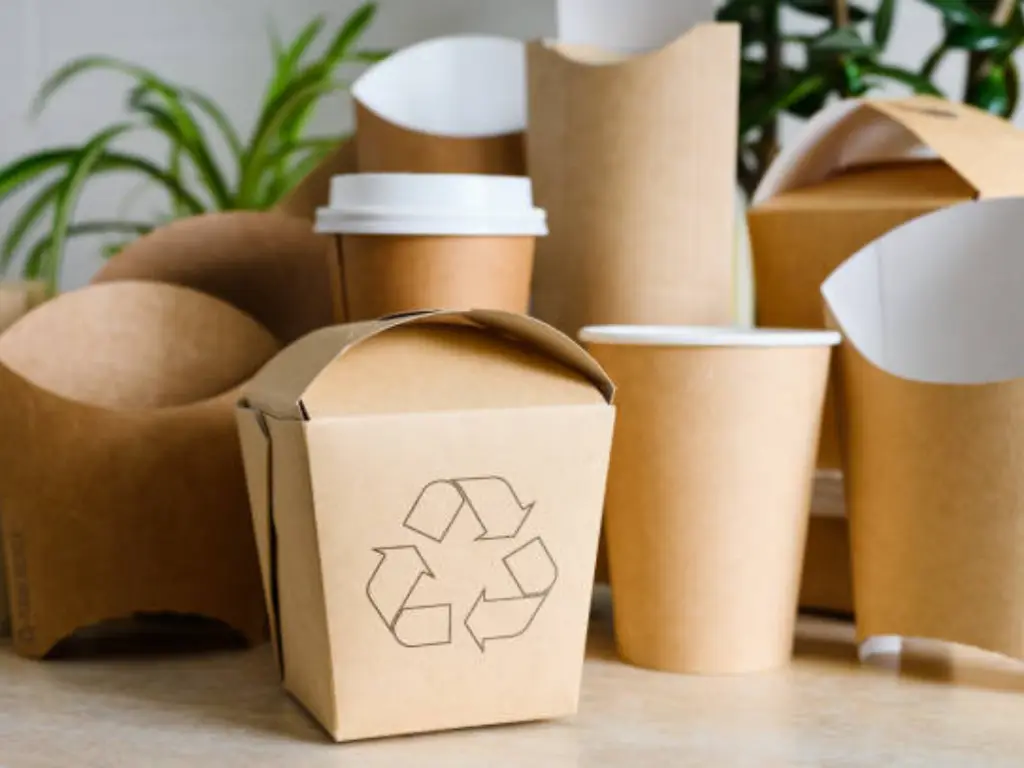
Las cajas de papel genéricas y endebles pierden grasa, se colapsan con el calor y destruyen instantáneamente el valor percibido de su creación culinaria. En un entorno pop-up, un envase de primera calidad no es solo un contenedor; es una herramienta de cumplimiento fundamental y la valla publicitaria móvil más poderosa para su marca.
Aquí es donde socios estratégicos de la cadena de suministro como Yoonpak cambiar el cálculo operativo. Durante más de dos décadas, Yoonpak ha sido el motor silencioso de gigantes mundiales como Burger King y Tim Hortons. Para los operadores de pop-ups, aprovechar esta cadena de suministro de nivel empresarial ofrece una estrategia escalonada y sin riesgos para resolver el dilema del envasado:
- Fase 1: Lanzamiento sin riesgo (acción estándar): Si está probando su concepto para un único fin de semana de 3 días, no necesita sobreapalancar su flujo de caja. Yoonpak ofrece artículos estándar de primera calidad, sin marca, sin cantidades mínimas de pedido. El uso de sus vasos forrados de PLA (ácido poliáctico) y contenedores de bagazo de caña de azúcar certificados por la FDA y la LFGB garantiza un rendimiento 100% a prueba de fugas. Resolverá al instante el mandato de un solo uso del departamento de sanidad y eliminará las quejas de los clientes por fugas de grasa, utilizando materiales sostenibles que se alinean con los valores del consumidor moderno.
- Fase 2: Escalado de la marca (personalización de baja barrera): Una vez que su modelo pop-up está probado y se asegura una residencia más larga, es el momento de elevar el valor de la marca. En lugar de imponer un inventario masivo a las pequeñas empresas, Yoonpak ofrece una agilidad operativa extrema con una cantidad mínima de pedido (MOQ) drásticamente reducida de tan solo 10.000 unidades para impresiones personalizadas. A las 24 horas de realizar un pedido, recibes una prueba digital. En un plazo de 3 a 6 semanas, dispondrá de vasos isotérmicos de doble pared y cajas para alimentos de alta calidad con logotipos vectoriales impresos con tinta de soja de alta fidelidad.
El ROI de la presentación personalizada: Imagine a un cliente comprando su bebida estrella. Abandonan el local con un vaso de bonito diseño y estructura sólida con el logotipo exacto de tu empresa. Hacen una foto y etiquetan su ubicación en Instagram. Esos 10 000 artículos impresos a medida no son meras herramientas de cumplimiento; son 10 000 anuncios físicos hiperdirigidos que circulan por el vecindario objetivo. Además, la fabricación "Cero Defectos" de Yoonpak -en la que cada fondo de taza se imprime con una marca de tiempo y un número de serie rastreables- garantiza que la reputación de su marca nunca se vea comprometida por un lote defectuoso.
Ingeniería FOMO: Marketing de un evento culinario fugaz
Una vez dominada la logística, la última pieza del rompecabezas del pop-up es la generación de ingresos. Para sobrevivir, un restaurante tradicional depende de la optimización de motores de búsqueda (SEO), la creación de marca a largo plazo y el tráfico constante de clientes. Un pop-up no puede permitirse el lujo del tiempo. No puede esperar a que los clientes le descubran poco a poco; debe crear una demanda inmediata y explosiva.
Toda la estrategia de marketing de una ventana emergente depende de un único desencadenante psicológico: Escasez (FOMO - Fear Of Missing Out). Como su evento es temporal, el consumidor sabe que si no actúa ahora, la oportunidad desaparece para siempre. Para rentabilizar esta psicología, hay que abandonar el modelo tradicional de "esperar y ver" y adoptar el modelo de "esperar y ver". Modelo de venta de entradas.
Utilizando plataformas como Tock, Resy o Eventbrite, obligas a los clientes a pagar por adelantado su experiencia gastronómica con semanas de antelación. Este enfoque ofrece dos ventajas comerciales monumentales por las que los restaurantes tradicionales matarían:
- Flujo de caja inicial: Se asegura el capital de explotación antes de comprar un solo ingrediente. Ya no financias el evento de tu bolsillo, sino que lo financian los clientes.
- Desperdicio cero de alimentos: El desperdicio de comida es el asesino silencioso de los márgenes de beneficio de los restaurantes. Con un sistema de tickets de prepago, sabes exactamente a cuántos comensales vas a servir cada noche. Si vendes exactamente 150 tickets, preparas exactamente 150 raciones (más un pequeño margen de 5% por si ocurre algún accidente). Esta precisión en la compra elimina el desperdicio e infla artificialmente su margen de beneficio neto muy por encima de la media del sector.
Un restaurante pop-up no es un compromiso; es un arma calculada. Es la forma más inteligente de validar un menú, poner a prueba un barrio y crear un culto de seguidores sin poner en peligro tu vida financiera. Al controlar los costes irrecuperables, dominar el cumplimiento de las normas sanitarias locales, desplegar una pila tecnológica resistente y asociarse con proveedores de primera calidad para mejorar la presentación física, se transforma un puesto temporal en un legado de marca permanente. La única pregunta que queda es: ¿qué vas a probar primero?

 English
  German
  Spanish
  Italian
  Dutch
Dutch  French
  Portuguese
  Russian
  Arabic
  Korean