

Coût réel de la machine à fabriquer des gobelets en papier : ne vous faites plus d'illusions sur vos marges bénéficiaires
Se lancer dans l'industrie de l'emballage en papier jetable ou développer sa ligne de production actuelle commence souvent par une seule question, apparemment simple : "Quel est le coût de la machine à fabriquer des gobelets en papier ?" Malheureusement, cette simple question est un dangereux piège financier. Des milliers d'entrepreneurs, de distributeurs régionaux et de responsables des achats recherchent des devis pour des machines de base, dans le but de construire un modèle financier complet sur la base d'une seule étiquette de prix provenant d'un annuaire B2B. Ils comparent une machine d'entrée de gamme de $15 000 avec une machine automatisée de $35 000 et calculent instinctivement leur seuil de rentabilité sur la base de la production théorique maximale indiquée dans la brochure. Ce raisonnement linéaire et exagérément optimiste est exactement la raison pour laquelle tant de nouveaux projets de fabrication de gobelets en papier perdent de l'argent, sont confrontés à de graves perturbations de la chaîne d'approvisionnement et finissent par échouer au cours des six à douze premiers mois d'exploitation.
L'écosystème de la fabrication d'emballages industriels est incroyablement impitoyable. Le prix initial d'une machine n'est que le ticket d'entrée dans une arène commerciale extrêmement complexe et rapide. Si vous ne tenez pas compte des variables cachées et cumulatives - telles que le pourcentage exact de gaspillage des matières premières, les coûts financiers catastrophiques des micro-fuites, les temps d'arrêt coûteux nécessaires au changement de moule, l'infrastructure physique requise pour abriter l'équipement et les fluctuations constantes des prix mondiaux du papier couché PE ou PLA - vos marges bénéficiaires projetées s'évaporeront avant même que votre premier lot ne soit expédié. Vous n'achetez pas simplement une machine ; vous investissez dans une capacité de production à long terme qui doit produire de manière fiable des millions d'unités sans défaillance dévastatrice du contrôle de la qualité ni rappel préjudiciable à la marque.
Dans ce guide complet, basé sur des données, nous nous débarrasserons de l'aspect marketing et nous plongerons dans les réalités financières de la fabrication des gobelets en papier. Nous décomposons le véritable coût total de possession (TCO), disséquons le coût de fabrication exact par pièce (de la pâte de bois vierge brute aux tarifs de l'électricité industrielle) et révélons les coûts cachés et les exigences en matière d'infrastructure que les fournisseurs d'équipement révèlent rarement pendant la phase de lune de miel de la vente. Plus important encore, nous présenterons un cadre financier rigoureux de type "fabriquer ou acheter" pour vous aider à déterminer si l'achat d'une machine est vraiment la stratégie la plus rentable pour votre modèle d'entreprise spécifique, ou si un partenariat avec un fabricant OEM massif offre une voie plus sûre et plus lucrative pour dominer le marché.
Le coût réel de la machine à fabriquer des gobelets en papier : Au-delà du prix initial
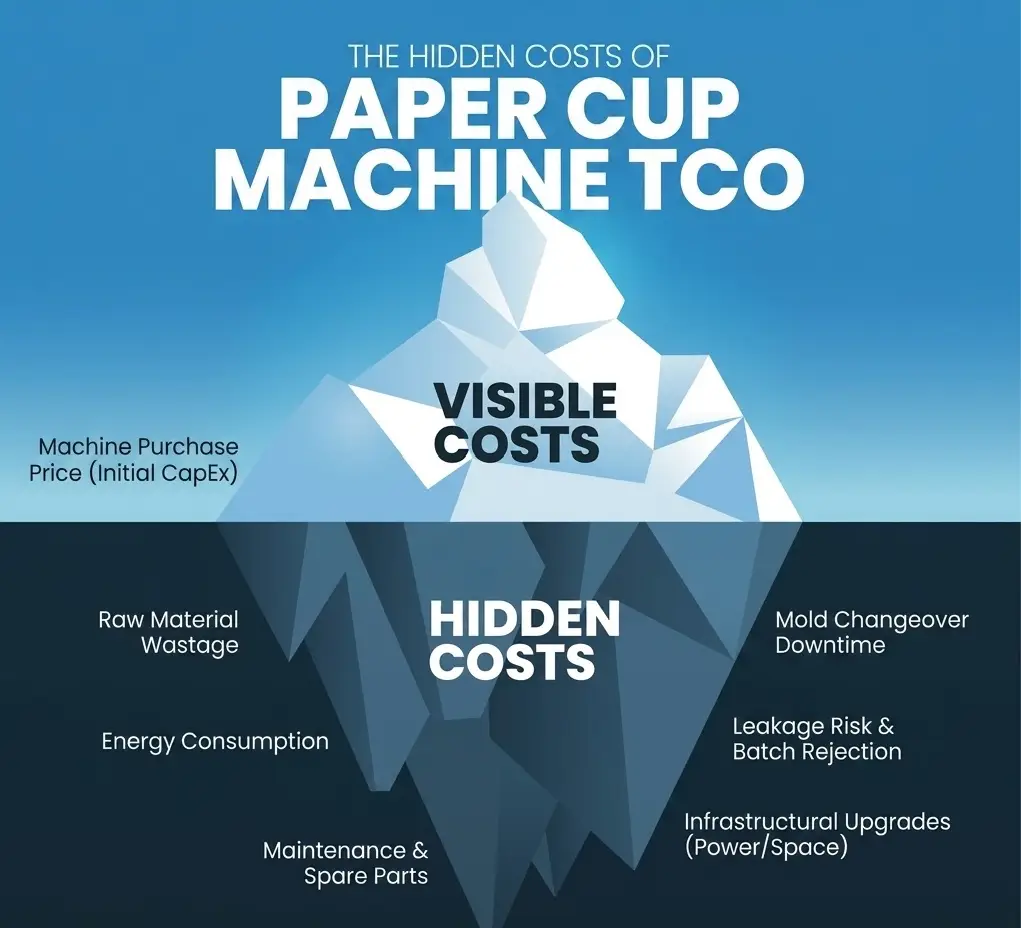
Pour bien comprendre l'économie de la fabrication de conteneurs en papier, il faut immédiatement adopter le "modèle de l'iceberg" de l'investissement dans les machines lourdes. La facture initiale que vous payez au fabricant de l'équipement ne représente que la partie visible de l'iceberg. Sous la surface se cache une structure massive et dangereuse de dépenses opérationnelles permanentes, d'exigences de maintenance et de frais généraux d'infrastructure qui dicteront en fin de compte la survie et la rentabilité de votre entreprise au cours de la prochaine décennie.
Selon des études industrielles à long terme et des normes sur le coût total de possession (TCO) des machines d'emballage publiées par des organismes faisant autorité comme Smithers Pira, les dépenses d'investissement initiales (CapEx) pour une machine de formage standard ne représentent généralement que 15% à 20% de son empreinte financière totale au cours d'un cycle de vie de cinq ans. Les 80% à 85% restants sont consommés par les dépenses opérationnelles (OpEx) : matières premières, consommation d'énergie industrielle, maintenance préventive, pièces de rechange (comme les cornets à ultrasons et les cames de synchronisation), main-d'œuvre qualifiée et, plus important encore, le coût cumulé des produits défectueux et des temps d'arrêt mécaniques.
Imaginez que vous achetiez une flotte de camions de transport commercial. Si vous ne tenez compte que de l'acompte du concessionnaire (le prix de la machine) mais ignorez complètement le rendement énergétique (consommation d'énergie), la fréquence des révisions du moteur (entretien) et la capacité de charge utile (rendement utilisable), vous ne gérez pas une entreprise de logistique ; vous jouez avec votre capital. Une machine moins chère dotée d'un système d'entraînement par chaîne rudimentaire peut vous faire économiser $10 000 au départ, mais si elle fonctionne à un taux de rebut de 3%, elle dévorera silencieusement des milliers de dollars de pulpe de bois de qualité supérieure et de revêtement PE gaspillés chaque mois. Pour protéger vos marges bénéficiaires, vous devez passer d'une analyse superficielle du "prix d'achat" à une analyse très précise du "coût pour mille gobelets viables et étanches".
Fourchette de prix moyenne en fonction de l'automatisation et de la vitesse de production
Le marché mondial des machines de formage de gobelets en papier est très fragmenté. Il propose aussi bien des installations mécaniques rudimentaires que des mastodontes industriels entièrement informatisés et inspectés par vision. Pour naviguer dans ce paysage sans être surestimé ou sous-équipé, nous devons classer les équipements en fonction des niveaux d'automatisation, des systèmes d'entraînement et des vitesses de production réalistes et durables (et pas seulement des maxima théoriques). Voici une répartition réaliste des trois principaux niveaux de machines disponibles pour les acheteurs aujourd'hui.
Machines semi-automatiques à faible vitesse pour les entreprises en phase de démarrage
Pour les micro-entrepreneurs opérant sur les marchés émergents, dont le capital est très limité et qui ont accès à une main-d'œuvre exceptionnellement bon marché, les machines à faible vitesse constituent la norme d'entrée de gamme. La fourchette de prix de ces machines se situe généralement entre $8,000 et $15,000. Bien qu'attrayantes sur une feuille de calcul, les réalités techniques sont peu reluisantes.
Techniquement, ces machines fonctionnent à une vitesse de 40 à 50 pièces par minute. L'architecture fondamentale repose sur un système traditionnel d'entraînement par chaîne et sur des tubes chauffants en cuivre standard pour le scellement du fond. Comme l'indexation mécanique repose sur des chaînes physiques, la synchronisation est sujette à des étirements, des décalages et des ruptures au fil du temps, ce qui nécessite un réglage manuel constant par un mécanicien sur site. En outre, ces machines utilisent un système de lubrification manuel ouvert. Cela signifie que les opérateurs doivent huiler physiquement les pièces mobiles à l'aide d'une brosse ou d'un bidon, ce qui crée un risque extrêmement élevé d'écoulement de lubrifiant industriel sur les gobelets en papier - un défaut fatal qui entraînera instantanément l'échec des audits d'emballage de qualité alimentaire de la FDA ou de la LFGB.
Si le coût d'investissement initial est indéniablement faible, l'équation du coût total de possession est très précaire. Ces machines ne sont rentables que de loin si vous fabriquez des gobelets de boissons froides à revêtement PE unique bas de gamme, pour lesquels les normes de qualité sont peu strictes et les marges très faibles. Le taux de rebut est nettement plus élevé (il oscille souvent entre 21 et 51 TTP3T), et ces machines n'ont pas la précision de chauffe requise pour le papier couché double PE épais et résistant nécessaire pour les boissons chaudes ou glacées de qualité supérieure.
Machines entièrement automatiques à vitesse moyenne (The Sweet Spot)
Cette catégorie représente la "zone de confort" pour environ 80% de fabricants indépendants de gobelets en papier, de fournisseurs régionaux d'emballages et de marques de restauration de taille moyenne. L'investissement requis va de $18,000 à $35,000Le système de contrôle de la qualité de la machine est très fiable, avec un rendement de 70 à 90 pièces par minute et un contrôle de la qualité nettement supérieur.
Le saut technologique critique dans cette catégorie est la transition complète d'un entraînement par chaîne peu précis à un système de came ouvert de précision (ou, dans certains modèles avancés, une boîte de vitesses à bain d'huile entièrement fermée) intégré à un système de lubrification automatique. Le système à cames offre des mouvements mécaniques précis et imbriqués qui réduisent considérablement les vibrations, l'usure et les erreurs de synchronisation. Cela signifie que la machine reste parfaitement synchronisée pendant les opérations continues de 24 heures, ce qui réduit considérablement le taux de rebut à des niveaux gérables et rentables (généralement bien inférieurs à 1%).
Exécutons un scénario cognitif rapide en bac à sable pour prouver le retour sur investissement : Vous payez une prime de $15 000 pour passer d'une machine à chaîne à faible vitesse à une machine à came à vitesse moyenne. La machine à vitesse moyenne produit en toute sécurité 30 tasses de plus par minute. Sur un poste de travail industriel standard de 10 heures, cela représente un chiffre d'affaires supplémentaire de 18 000 tasses par jour. Plus important encore, la lubrification automatique et la synchronisation stable des cames réduisent la nécessité d'une intervention humaine constante. Un technicien qualifié peut aisément surveiller trois machines à vitesse moyenne simultanément, alors qu'une machine à faible vitesse nécessite un gardiennage quasi permanent et frustrant. Grâce à d'importantes économies de main-d'œuvre et à une réduction massive du gaspillage de matériaux, la prime initiale de $15 000 est souvent amortie au cours des 6 à 8 premiers mois de fonctionnement.
Machines de formage intelligentes à grande vitesse pour l'industrie
Lorsque votre entreprise décroche d'importants contrats d'approvisionnement avec des chaînes mondiales de restauration rapide, des franchises internationales de café ou des distributeurs alimentaires en gros à grande échelle, la fiabilité de l'équipement transcende la mécanique de base et devient une question de survie de l'entreprise. Les machines de formage intelligentes à grande vitesse coûtent très cher, de l'ordre de De $50.000 à bien plus de $100.000Les machines d'emballage sont conçues pour être utilisées à des vitesses de 120 à plus de 150 pièces par minute.
Ces machines sont des chefs-d'œuvre absolus d'ingénierie industrielle. Elles abandonnent en grande partie les liaisons purement mécaniques au profit d'une commande indépendante des servomoteurs PLC sur toutes les stations, ce qui permet d'effectuer des ajustements numériques au micromillimètre pendant le fonctionnement en direct, sans arrêter la machine. En outre, elles sont universellement équipées de systèmes avancés d'inspection en ligne par vision CCD. Au lieu qu'un être humain tente la tâche impossible de repérer un micro-défaut sur un gobelet qui passe à une vitesse de près de trois gobelets par seconde, des caméras industrielles à grande vitesse photographient la paroi intérieure, la courbure du bord et le joint du fond de chaque gobelet en temps réel, éjectant automatiquement toute unité qui ne respecte pas les tolérances strictes en matière de dimensions ou de joints d'étanchéité.
Pourquoi les fabricants sous contrat de géants tels que McDonald's, Starbucks ou Burger King utilisent-ils exclusivement ce type de machines ? Parce qu'avec un volume de production de 20 millions de gobelets par mois, même un taux de défaut microscopique de 0,01% équivaut à 2 000 gobelets qui fuient. Dans le secteur B2B haut de gamme, 2 000 gobelets qui fuient ne signifient pas seulement une perte de quelques dollars ; cela entraîne des pénalités financières massives, des rejets complets de lots, des rappels forcés de produits et la perte définitive de contrats d'une valeur de plusieurs millions de dollars. Le coût astronomique de la machine est mathématiquement justifié par sa capacité à garantir absolument une production de masse sans défaut et à protéger la responsabilité de la marque.
Coût de la machine à fabriquer du verre en papier ou des assiettes en papier : Comprendre le chevauchement des équipements
La distinction technique entre une "machine à fabriquer du verre en papier" et une "machine à fabriquer des assiettes en papier" est un point de confusion fréquent pour les nouveaux arrivants, en particulier sur les marchés d'Asie du Sud, d'Inde et du Moyen-Orient. De nombreux acheteurs optimistes pensent qu'une seule machine universelle peut fabriquer toute la gamme de la vaisselle jetable en remplaçant simplement un moule bon marché. Il s'agit d'une idée fausse très coûteuse, née d'une incompréhension fondamentale de la mécanique et de la physique du formage.
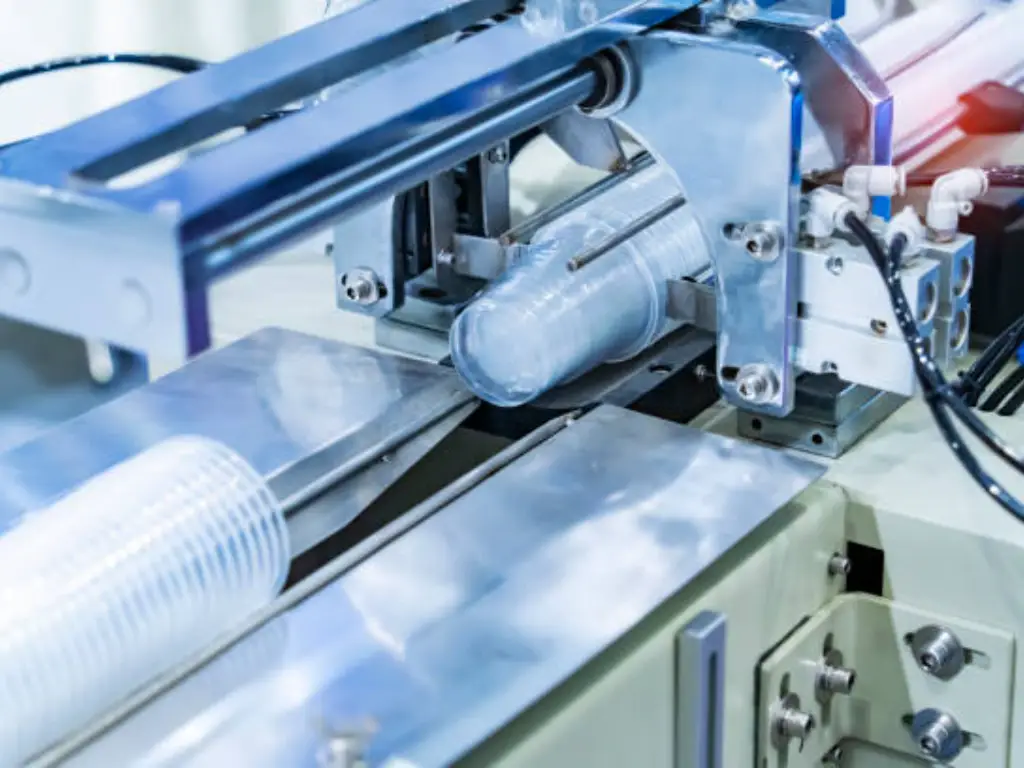
Pour clarifier la terminologie : un "verre en papier" est simplement la terminologie locale et régionale d'un gobelet en papier standard. Il nécessite une machine hautement spécialisée qui alimente un morceau de papier plat en forme d'éventail, l'enroule autour d'un moule conique en acier (mandrin), scelle le joint latéral vertical, perfore et insère un disque inférieur, molette le bord inférieur pour le verrouiller, et enfin courbe la lèvre supérieure avec de l'huile de silicone pour plus de rigidité. À l'inverse, les assiettes, les bols et les plateaux-repas en papier sont fabriqués à l'aide d'un processus physique complètement différent, impliquant un pressage pneumatique ou hydraulique, où une feuille plate est violemment estampée en une forme 3D sous une chaleur et une pression intenses.
| Type d'équipement | Mécanisme de formation des noyaux | Coût moyen du capital | Interchangeabilité des moules |
|---|---|---|---|
| Machine à gobelets en papier / "verre en papier | Roulage longitudinal, enroulement, moletage inférieur, enroulement supérieur et scellement latéral (ultrasons ou chauffage au cuivre). | $18,000 - $35,000 (vitesse moyenne) | Les moules ne peuvent être échangés que pour des tailles de gobelets différentes (par exemple, de 8oz à 12oz). Ne peut pas faire des assiettes plates ou des plateaux pressés. |
| Machine à assiettes en papier | Pressage pneumatique ou hydraulique (estampage de papier plat et résistant pour lui donner une forme rigide à l'aide de moules chauffés). | $3,000 - $10,000 (Standard à Haute Vitesse) | Possibilité d'intervertir les moules pour obtenir différents diamètres de plaques, compartiments et profondeurs. Ne peut pas préparer des coupes pour retenir le liquide. |
L'élément commercial essentiel à retenir ici est l'allocation stratégique du capital. Si votre plan d'entreprise prévoit la fourniture d'un ensemble complet de vaisselle (tasses à café de marque et assiettes) à des entreprises de restauration locales ou à des compagnies aériennes, vous devez préparer deux budgets d'équipement entièrement distincts. En outre, vous devez allouer suffisamment d'espace au sol, de capacité de compresseur d'air et de personnel technique pour deux lignes de production distinctes et incompatibles. Vous ne pouvez pas modifier une machine à fabriquer des gobelets pour en faire des assiettes.
Calculer le coût de fabrication par pièce : L'ultime critère de rentabilité
Nous entrons à présent dans les eaux financières profondes de la viabilité de l'entreprise. La véritable marque d'un fabricant professionnel d'emballages B2B n'est pas de savoir combien coûte la machine à repasser, mais de savoir exactement, à la troisième décimale près, combien coûte la production d'un seul gobelet viable. Décomposons la nomenclature et les frais généraux d'exploitation à l'aide d'une référence industrielle réaliste : Une tasse à boisson chaude standard de 250 ml (8 oz).
Coûts des matières premières : Papier, revêtement PE/PLA et encre
La part du lion de vos dépenses courantes sera définitivement bloquée dans les matières premières. Pour un gobelet chaud de 8 oz de haute qualité qui ne brûlera pas la main du client, vous ne pouvez pas utiliser du papier recyclé fragile (qui viole également les réglementations de la FDA en matière de contact direct avec les aliments). Notre calcul de base suppose l'utilisation d'un papier de 280 g/m² (grammes par mètre carré) à base de pâte de bois vierge, recouvert d'une couche intérieure de 18 g de polyéthylène simple pour résister aux liquides à haute température sans ramollissement structurel.
D'après une récente analyse comparative des produits de base, les rouleaux de papier couché PE de qualité supérieure provenant d'usines réputées fluctuent entre 1 000 et 1 200 TTP par tonne métrique. Établissons les bases mathématiques : Une tonne métrique (1 000 kg) de ce papier spécifique de 280 g/m² permet de produire environ 160 000 à 180 000 ébauches de gobelets (la paroi imprimée en forme d'éventail) et de disques de fond, en fonction de l'efficacité du découpage et du logiciel d'imbrication utilisés.
Si nous prenons le rendement prudent de 160 000 gobelets par tonne pour un coût brut de $1 100/tonne, le coût de base du papier est précisément de $0,0068 par gobelet. Il faut ensuite ajouter le coût des encres d'impression flexo ou offset de qualité alimentaire et à faible migration (à base de soja ou d'eau), ce qui ajoute généralement $0,0015 à $0,0025 par gobelet en fonction de la complexité de la couverture du dessin CMJN ou Pantone (PMS). Enfin, il faut tenir compte de l'emballage secondaire (pochettes hygiéniques intérieures en plastique et cartons d'expédition extérieurs en carton ondulé résistant). En combinant ces éléments, vous obtenez un coût de nomenclature strict pour un gobelet de 8 oz, qui s'élève à environ $0.011 à $0.013 par pièce.
Frais généraux d'exploitation : Électricité, main-d'œuvre et taux de rebut
Les matériaux ne se transforment pas miraculeusement en gobelets. La machine nécessite une puissance industrielle importante, une supervision humaine et une marge d'erreur physique réaliste. C'est précisément là que les machines bon marché d'entrée de gamme révèlent leur véritable et horrible coût opérationnel.
- Électricité industrielle : Une machine standard à vitesse moyenne a une puissance nominale d'environ 5 à 8 kW. Le fonctionnement d'une équipe standard de 10 heures consomme environ 50 à 80 kWh. En fonction des tarifs industriels locaux (par exemple, $0,12/kWh), l'énergie n'ajoute qu'une fraction microscopique d'un centime par tasse, mais elle s'échelonne massivement sur une année, en particulier si l'on tient compte de la consommation massive des compresseurs d'air auxiliaires.
- Main-d'œuvre qualifiée : Un opérateur hautement qualifié gagnant $18/heure et gérant trois machines automatiques à came produisant 80 gobelets/min se traduit par un coût de main-d'œuvre très efficace et réparti. Toutefois, s'il est contraint de gérer une machine à chaîne à faible vitesse qui se bloque constamment et nécessite une lubrification manuelle, le coût de la main-d'œuvre par pièce monte en flèche, détruisant votre compétitivité par rapport aux grandes usines.
- Le facteur de taux de rebut (le tueur de profit) : Il s'agit d'un véritable gouffre à profits dans l'industrie manufacturière. Supposons que votre usine produise 100 000 gobelets par jour. Une machine haut de gamme avec un taux de rebut strict de 0,5% gaspille 500 gobelets (soit une perte d'environ $6 en matériaux directs). Une machine bon marché avec un taux de rebut de 3% gaspille 3 000 gobelets (soit une perte de $36). Cela représente 1 430 T par jour, 1 900 T par mois et près de 11 000 T par an, littéralement jetés à la poubelle - uniquement en termes de coûts de matières premières, sans compter le temps perdu par la machine, l'énergie gaspillée ou le coût de l'enlèvement des ordures. Sur une durée de vie de deux ans, la machine "bon marché" vous coûte mathématiquement plus cher que l'achat du modèle haut de gamme.
Si l'on additionne les matériaux, l'énergie, la main-d'œuvre et les pertes réalistes, le coût total de fabrication par pièce (CPP) d'une tasse chaude de 8 oz se situera vraisemblablement entre $0.014 et $0.018. Chaque fraction de centime en dessous de votre prix de vente en gros est votre marge de survie. Gardez-la farouchement.
Les coûts cachés à fonds perdus que la plupart des fabricants ne vous diront pas
Au-delà des calculs opérationnels quotidiens, il existe des pièges structurels dans le secteur des gobelets en papier que les vendeurs d'équipement agressifs omettent commodément lors de la phase de négociation. Ces coûts cachés à fonds perdus peuvent rapidement paralyser votre trésorerie, engorger votre production et détruire les relations avec vos clients.
Personnalisation des moules et fréquence de remplacement
Une machine à gobelets n'est pas une imprimante 3D magique ; la forme et le volume de sa production sont strictement régis par ses moules physiques en acier. Lorsque vous achetez une machine, elle est équipée d'un moule spécifique (par exemple, pour un gobelet standard de 12 oz). Que se passe-t-il lorsqu'une grande entreprise cliente demande un gobelet de 8 oz ou un gobelet de 16 oz ?
Il ne suffit pas d'appuyer sur un bouton numérique. Vous devez acheter un jeu entièrement nouveau de moules en acier de haute précision fraisés par CNC, qui coûtent entre $1 500 et $3 000 par jeu en fonction de la complexité de la machine. Le temps de changement est encore pire. Sur les machines à budget, le démontage de l'ancien moule, l'installation du nouveau et le recalibrage des engrenages de synchronisation constituent un processus mécanique éreintant qui peut prendre à un ingénieur senior 2 à 3 jours entiers. Cela représente trois jours de production nulle, de revenus nuls et de frais généraux continus. Si votre modèle d'entreprise repose sur des commandes personnalisées "en petites séries et en plusieurs tailles" pour des cafés locaux, l'utilisation d'une seule machine d'entrée de gamme vous conduira à la faillite rien qu'en raison des temps d'arrêt. Vous passerez plus de temps à tourner des clés qu'à fabriquer des tasses.
Le tueur silencieux : Les systèmes d'étanchéité par ultrasons et les fuites
Dans ce secteur, il existe un défaut dont le pouvoir destructeur dépasse tous les autres : le gobelet qui fuit. Alors que les gobelets de café ou de soupe chauds utilisent généralement un revêtement simple PE (où seul l'intérieur est imperméabilisé) et peuvent être scellés à l'aide de résistances en cuivre standard, le véritable défi technique se pose avec les boissons glacées. Un papier épais à double revêtement PE est absolument nécessaire pour les boissons froides, car la condensation externe fait qu'un gobelet standard à simple revêtement PE absorbe l'eau de l'extérieur, se ramollit et s'affaisse dans la main du client.
Lorsqu'il s'agit de sceller du papier épais à double PE, les barres chauffantes en cuivre standard ne peuvent pas pénétrer efficacement et faire fondre simultanément les couches de plastique interne et externe sans brûler le papier. La norme industrielle impose l'utilisation d'une barre chauffante en cuivre. Système de scellement par ultrasons. Les systèmes à ultrasons utilisent des vibrations à haute fréquence pour générer une chaleur de friction intense et localisée à l'intérieur du papier, ce qui permet de fusionner parfaitement les couches de PE de l'intérieur.
Cependant, les machines bon marché utilisent des générateurs d'ultrasons sans marque et instables. Ces composants de qualité inférieure souffrent d'une dérive de fréquence, ce qui entraîne un "faux scellage" : le gobelet semble visuellement parfait dans l'atelier, mais au moment où le consommateur y verse une boisson, le joint se fend sous l'effet de la pression. Imaginez les retombées commerciales catastrophiques : Les vêtements d'un consommateur sont abîmés, votre client fait l'objet d'un procès et vous renvoie immédiatement la totalité du lot de 500 000 gobelets, en exigeant un dédommagement et en mettant fin à votre contrat. Pour survivre dans le secteur de l'emballage B2B, la résolution des problèmes de fuite n'est pas facultative, elle est obligatoire.
La référence ultime en matière de contrôle de la qualité : C'est précisément la raison pour laquelle les géants internationaux de la restauration, tels que Burger King, Tim Hortons et ILLY Coffee, imposent des audits impitoyables de leurs fournisseurs. Ils exigent une tolérance zéro en matière de défauts. Pour répondre à ces normes, les fournisseurs d'emballages de premier plan effectuent des contrôles de qualité rigoureux toutes les heures, en traçant chaque gobelet grâce à une numérotation séquentielle imprimée sur la base. Si un défaut est détecté, tous les produits fabriqués depuis le dernier test réussi sont immédiatement détruits. Votre nouvelle équipe interne d'assurance qualité peut-elle reproduire ce niveau de précision draconien ? Si ce n'est pas le cas, l'achat de vos propres machines vous expose à une responsabilité existentielle de la marque et à des coûts de retour paralysants.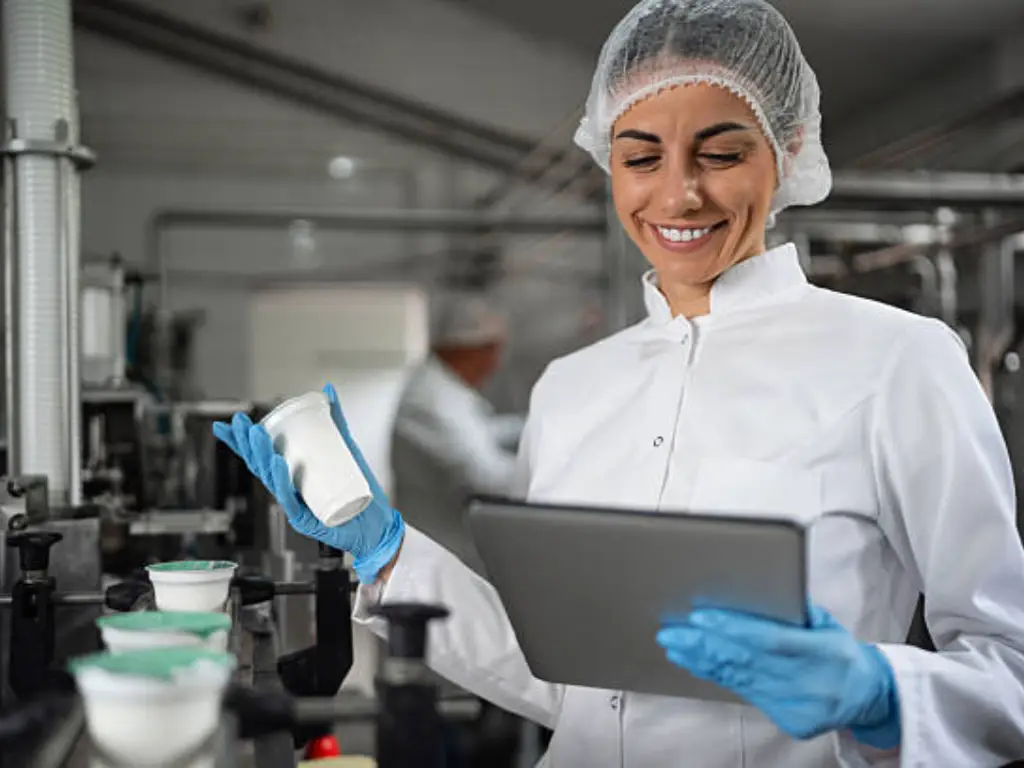
Investissement dans l'installation d'une usine complète : Un budget réaliste
L'achat de la machine de formage n'est que la troisième étape d'un processus industriel complexe qui en compte dix. Pour transformer un entrepôt vide en une usine de fabrication de gobelets en papier fonctionnelle et conforme, il faut une infrastructure physique globale. Voici la liste de contrôle sans fard de ce qu'une micro-usine (visant une production modeste de 100 000 unités/jour) exige réellement en termes de capital et de logistique :
- Empreinte de l'installation et contrôle de l'environnement : Une machine de formage de qualité commerciale, ainsi que des découpeuses, des stations d'emballage et un stockage massif de rouleaux de papier brut, nécessitent au minimum 200 à 300 mètres carrés d'espace au sol dédié et exempt de poussière. Les emballages de qualité alimentaire ne peuvent pas être fabriqués dans un garage sale ; ils nécessitent une lutte contre les parasites, un revêtement de sol en époxy et une ventilation adéquate pour répondre aux normes de base du département de la santé.
- Modernisation des réseaux électriques industriels : Vous ne pouvez pas brancher ces machines lourdes sur une prise murale commerciale standard. Vous avez besoin d'une alimentation électrique industrielle triphasée dédiée de 380 V. Votre installation doit avoir une capacité de charge totale supérieure à 100 kW pour gérer les pointes électriques massives des compresseurs d'air, des appareils de chauffage et des découpeuses qui fonctionnent simultanément sans déclencher les disjoncteurs.
- Préparateur frontal - Machine à découper ($10,000 - $20,000) : Il n'est pas possible d'introduire des rouleaux de papier géants d'une tonne directement dans une machine à gobelets. Vous devez d'abord imprimer le papier et utiliser un emporte-pièce robuste pour découper avec précision les formes de l'éventail. (Vous pouvez également acheter des éventails imprimés prédécoupés, ce qui nécessite $0 CapEx mais augmente considérablement le coût des matériaux par pièce et limite votre marge bénéficiaire).
- Production de base - Machine à former les gobelets en papier ($25,000 - $35,000) : Une unité à came ouverte fiable à vitesse moyenne avec des capacités ultrasoniques.
- Finition en amont - Machine à emballer/séparer les gobelets ($5,000 - $12,000) : Compter manuellement les gobelets et les mettre dans des pochettes en plastique n'est pas hygiénique, c'est lent et l'erreur humaine est fréquente. Les emballeuses pneumatiques automatisées garantissent un comptage hygiénique et précis pour les clients B2B.
- Alimentation auxiliaire - Compresseur d'air à haut rendement ($2.000 - $4.000) : Les machines à gobelets modernes, en particulier celles qui utilisent des pneumatiques pour l'éjection des gobelets, le transfert des tubes ou le poinçonnage du fond, nécessitent une alimentation massive et constante en air comprimé propre et sec.
- Fonds de roulement ($25.000 - $30.000) : Vous devez acheter à l'avance des tonnes de papier, payer le loyer de l'usine et couvrir les salaires pendant au moins trois mois avant que vos entreprises clientes ne paient leurs premières factures nettes à 30 ou 60 jours.
Budget total réaliste de référence : Pour lancer une micro-usine en toute sécurité, sans risquer l'insolvabilité immédiate lors du premier blocage de machine ou d'un retard de paiement de la part d'un client, vous devez disposer d'un trésor de guerre d'au moins $85 000. Toute somme inférieure relève du suicide financier.
Le dilemme "fabriquer ou acheter" : l'achat d'une machine est-il réellement votre meilleur investissement ?
La réalité du coût de la machine à fabriquer des gobelets en papier est désormais claire comme de l'eau de roche : il s'agit d'une activité à forte intensité de capital, profondément technique, qui comporte des risques de contrôle de la qualité, des exigences strictes en matière d'infrastructure et des coûts cachés liés aux temps d'arrêt. Cela nous amène à l'ultime carrefour stratégique pour les marques alimentaires modernes, les distributeurs régionaux, les importateurs d'emballages et les vendeurs en ligne. Votre principal objectif commercial est d'acquérir des emballages rentables et de haute qualité pour servir vos clients - et pas nécessairement de posséder des machines lourdes et de gérer des ouvriers d'usine.
Pour une grande majorité d'entreprises, la voie du meilleur retour sur investissement consiste à contourner complètement l'énorme barrière des $85.000+ CapEx et les maux de tête opérationnels en s'associant avec un fabricant OEM de classe mondiale. Examinons objectivement le contraste financier entre la construction de votre propre usine (en interne) et l'utilisation d'une puissance industrielle établie telle que Yoonpak (externalisation OEM) - un fabricant de premier plan, fort de 24 ans d'expérience, d'une usine de 16 000 mètres carrés, de plus de 100 machines professionnelles et d'une capacité annuelle stupéfiante de 16 milliards de gobelets.
| Mesure stratégique | Production interne (achat de machines) | Sous-traitance OEM (partenariat avec Yoonpak) |
|---|---|---|
| Investissement en capital (CapEx) | Minimum $85.000+ requis pour les machines, les mises à niveau de l'alimentation 380V, les compresseurs, les moules et le stock initial de papier. Lourde perte de trésorerie. | $0 Investissement dans la machine. Le capital est entièrement préservé pour le marketing, les ventes et l'expansion de la marque. |
| Délai de mise sur le marché | 3 à 6 mois (approvisionnement en machines, expédition, douanes, installation de l'usine, câblage électrique, formation des opérateurs). | 3 à 6 semaines. Les produits standard sont livrés 7 jours plus rapidement que la moyenne du secteur. Entrée immédiate sur le marché. |
| Risque et contrôle de la qualité | Vous absorbez 100% du coût des taux de rebut élevés, des gobelets qui fuient et des retours de clients mécontents. Courbe d'apprentissage abrupte. | Risque zéro. Certifié ISO, BRC, FDA, LFGB, FSC. Garantie d'un an. Réclamations vidéo sans problème, sans avoir à renvoyer les produits défectueux. |
| Flexibilité et agilité | Bloqué dans 1 ou 2 tailles de gobelets. Le changement de taille nécessite $2 000+ moules et des jours d'immobilisation de l'usine. | Des choix de conception infinis. Accès à 86 machines de formage. MOQ personnalisé à partir de 50 000 unités (ou 10 000 unités si l'acheteur prend en charge les frais d'expédition). 1 mois d'entreposage gratuit. |
Le calcul est inéluctable. Si vous êtes une chaîne de cafés à croissance rapide, un importateur d'emballages ou un détaillant Amazon, tenter de maîtriser l'ingénierie mécanique, s'approvisionner en papier solaire durable et gérer des protocoles de contrôle de qualité zéro défaut toutes les heures est une distraction massive par rapport à votre cœur de métier. En vous appuyant sur un site équipé de plus de 100 machines professionnelles et certifié par le FSC et la FDA, vous acquérez instantanément la force de production d'un géant mondial, ce qui vous permet d'étendre votre marque sans aucune friction liée à des actifs lourds.
Comment choisir la bonne machine pour votre calendrier de retour sur investissement ?
Nous restons attachés à une objectivité commerciale absolue. Sur la base des réalités financières et opérationnelles décrites ci-dessus, vous devez aligner votre stratégie d'exécution sur votre calendrier réaliste de retour sur investissement et sur les capacités de votre entreprise. Appuyez-vous sur cette matrice de décision à trois voies pour déterminer votre prochaine étape :
- Voie A : le jeu en volume à faible coût (en interne). Si votre marché cible est uniquement constitué de gobelets à usage unique bas de gamme, très sensibles au prix, et que vous avez accès à un espace industriel et à une main-d'œuvre très bon marché, optez pour la solution de la Machine semi-automatique à entraînement par chaîne. Votre stratégie doit s'appuyer sur un volume massif et incessant pour compenser les inévitables taux de rebut plus élevés et les temps d'arrêt de la maintenance. Prévoyez un délai de retour sur investissement de 12 à 18 mois.
- Voie B : Le fournisseur de marques de prestige (en interne). Si votre objectif est de fabriquer physiquement et de fournir des tasses chaudes imprimées sur mesure et à forte marge aux cafés spécialisés, avec une tolérance zéro pour les fuites, vous ne pouvez pas faire de compromis sur les machines. Vous devez investir dans une Machine à cames automatique à vitesse moyenne à élevée avec système de scellage par ultrasons ($30 000+). Le coût d'investissement initial est beaucoup plus élevé, mais votre capacité à pratiquer des prix élevés et à maintenir les contrats vous permettra de réduire votre délai de retour sur investissement à 8-12 mois.
- Voie C : Le constructeur de marques légères (externalisation de l'équipement d'origine). Si votre expertise principale est le marketing de marque, la distribution ou le commerce électronique, et que votre objectif est la conquête rapide et rentable du marché plutôt que l'ingénierie mécanique, passez complètement outre les dépenses d'investissement. Associez-vous à un géant établi comme Yoonpak. Vous tirez parti de l'infrastructure massive de leur usine, de leur conformité à la FDA et des matériaux durables (PLA/Bagasse) pour un coût initial nul. L'utilisation de leur faible MOQ et de leur livraison rapide vous permet de dominer votre marché local tout en restant financièrement agile.
En fin de compte, il n'y a pas de "meilleure" machine ; il n'y a que la solution qui correspond parfaitement à votre stratégie commerciale et à votre tolérance au risque. Lorsque vous vous adressez à des fournisseurs, ne vous contentez jamais de demander "Quel est le prix ?". Vous devez leur indiquer le grammage exact du papier (g/m²), votre objectif de production journalière, vos exigences en matière de couchage (Single-PE ou Double-PE) et vos contraintes locales en matière d'alimentation électrique.
Que vous soyez déterminé à construire votre propre ligne de production à partir de zéro et que vous ayez besoin d'évaluer les spécifications techniques, ou que vous reconnaissiez qu'une mise à l'échelle rapide et sans risque des OEM est la manœuvre financière la plus intelligente pour votre marque, prendre des mesures basées sur des données précises est le seul moyen de protéger vos marges bénéficiaires. Cessez de deviner vos coûts, évitez les pièges industriels cachés et commencez dès aujourd'hui à concevoir votre rentabilité.
Poste connexe : Le guide ultime de la fabrication de gobelets en papier : Les machines, les coûts et la prévention des fuites

 English
  German
  Spanish
  Italian
  Dutch
Dutch  French
  Portuguese
  Russian
  Arabic
  Korean