

Arrêtez de faire des remises : Idées de marketing pour les restaurants qui génèrent réellement des revenus
Si vous lisez ces lignes, c'est que vous êtes probablement épuisé par le cycle sans fin des remises promotionnelles. Vous lancez une promotion "Achetez-en un, recevez-en un", votre salle à manger se remplit de chasseurs de bonnes affaires, votre cuisine est débordée, et dès que la promotion prend fin, le trafic s'évanouit. Pendant ce temps, des applications de livraison tierces prélèvent des commissions massives sur chaque commande, ce qui vous laisse une marge minime, voire inexistante. La méthode traditionnelle de commercialisation des restaurants, qui consiste à investir de l'argent dans des publicités localisées et à baisser les prix, est fondamentalement défaillante.
Pour gérer un restaurant avec succès, il ne s'agit plus seulement de servir des plats incroyables, mais aussi de créer un parcours client prévisible et rentable. Vous avez besoin de stratégies marketing qui ne se contentent pas de gonfler vos indicateurs de vanité, mais qui génèrent des revenus tangibles et fidélisent vos clients sur le long terme. Ce guide complet contourne les conseils superficiels du type "postez plus de photos de vos plats" et se plonge dans la logique commerciale pure et dure de la croissance d'un restaurant moderne. Nous verrons comment intercepter le trafic numérique à fort potentiel, pourquoi votre emballage physique est le panneau d'affichage le plus sous-utilisé que vous possédiez, et comment construire un système de fidélisation basé sur les données qui fasse revenir les clients sans que vous ayez à les soudoyer avec des remises.
Les nouvelles règles du marketing dans la restauration en 2026
Abordons l'éléphant dans la pièce avec quelques données froides et dures : la marge bénéficiaire nette moyenne d'un restaurant indépendant oscille précairement entre 3% et 5%. Dans un secteur où les marges sont minces, l'exécution d'une campagne de marketing sans un chemin clair vers le retour sur investissement (ROI) n'est pas seulement inefficace, elle est financièrement dangereuse. L'époque où l'on dépensait aveuglément son budget dans de vastes campagnes de sensibilisation est révolue. La nouvelle règle est simple : si une stratégie ne permet pas de réduire le coût d'acquisition des clients (CAC) ou d'augmenter la valeur à vie des clients (LTV), elle ne doit pas être mise en œuvre.
Pour vous aider à y voir plus clair, nous avons élaboré un plan d'action. Matrice effort/impact. Au lieu de deviner par où commencer, utilisez l'index visuel suivant pour hiérarchiser votre exécution marketing en fonction de vos ressources actuelles. Ce guide vous guidera à travers une sélection de plus de 20 idées hautement exploitables, structurées selon les trois phases critiques du parcours client moderne. Entrons dans le vif du sujet.
| Quadrant stratégique | Effort | Impact | Tactiques clés incluses |
|---|---|---|---|
| Gains rapides | Faible | Haut | SEO local, Google Business Profile, Micro-Influenceurs locaux |
| Douves à long terme | Haut | Haut | Emballage personnalisé Unboxing (Yoonpak), Ingénierie des menus, Automatisation de la gestion de la relation client (CRM) |
| Les astuces pour un budget zéro | Faible | Moyen | Partenariats B2B, Menus secrets, Événements communautaires de base |
Dominer l'économie de proximité : Stratégies de référencement local
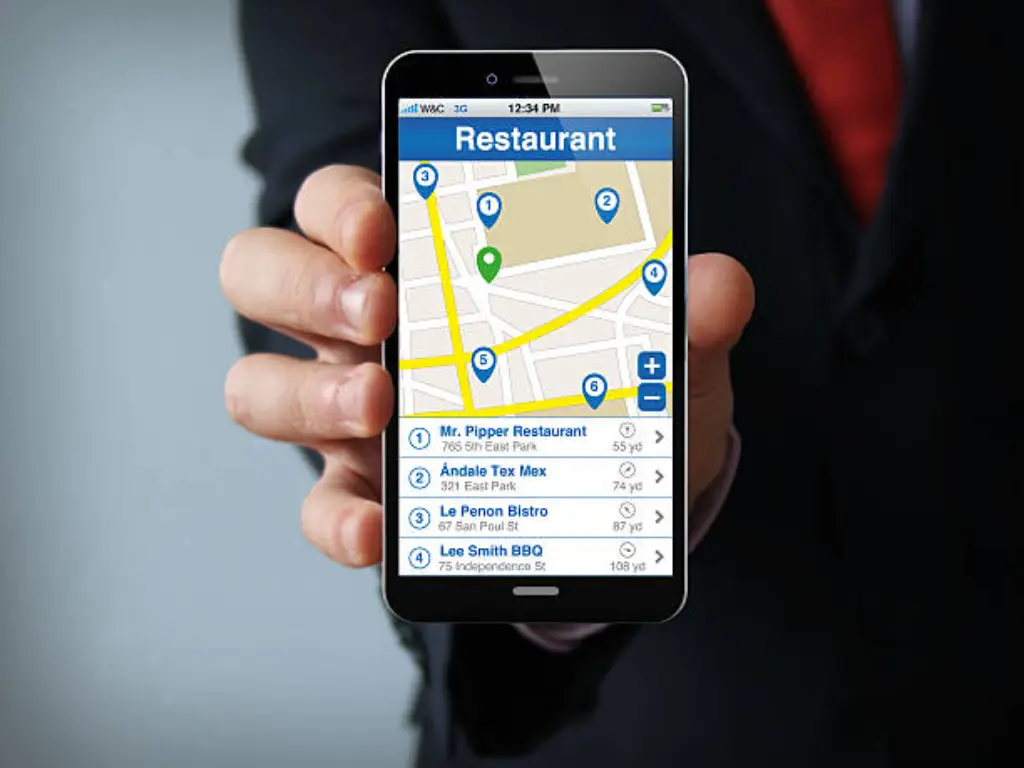
Avant même qu'un client ne goûte votre plat phare ou ne mette un pied dans votre salle à manger, il interagit avec votre vitrine numérique. Dans le secteur de la restauration, le trafic est fortement dicté par l'intention de localisation. Lorsque quelqu'un tape "meilleur plat italien près de chez moi" sur son smartphone, il n'est pas en train de naviguer par hasard ; il a une intention transactionnelle immédiate. Il a faim et a une carte de crédit en main.
Selon des données récentes de BrightLocal, plus de 70% des recherches mobiles locales "près de chez moi" aboutissent à une visite dans un magasin physique ou à un achat direct dans les 24 heures.
Si vous n'apparaissez pas dans les trois premiers emplacements du Google Local Pack (les résultats de la carte en haut de la page de recherche), vous êtes en fait invisible pour des milliers de locaux affamés qui passent devant votre immeuble. L'obtention de ces biens immobiliers numériques ne nécessite pas un budget publicitaire colossal, mais plutôt une précision algorithmique.
Optimiser votre profil professionnel Google en fonction de l'algorithme
Votre profil professionnel Google (GBP) est sans doute plus important que votre site web. L'algorithme de Google récompense les entreprises qui fournissent à leurs utilisateurs les informations les plus précises, les plus fréquemment mises à jour et les plus attrayantes. Voici la liste de contrôle opérationnelle que vous devez mettre en œuvre immédiatement pour surpasser vos concurrents locaux :
- Cohérence des données du PAN : Votre nom, votre adresse et votre numéro de téléphone doivent être formatés de manière identique sur l'ensemble de l'internet. Si Yelp dit "St.", Google "Street" et votre site web "Ste", l'algorithme s'embrouille et déclasse votre autorité de classement.
- Mises à jour visuelles à haute fréquence : Google aime le contenu frais. Ne vous contentez pas de télécharger votre logo et de l'oublier. Vous devez télécharger des photos de votre extérieur, de votre salle à manger à l'heure d'or et de plats fraîchement préparés au moins deux fois par semaine. Les photos générées par les utilisateurs sont excellentes, mais les photos de haute qualité, téléchargées par le propriétaire, ont un poids algorithmique important.
- Exploiter les billets de Google : Traitez votre GBP comme un flux de médias sociaux. Utilisez la fonction "Messages" pour annoncer vos plats secrets de la semaine, vos offres spéciales à l'heure de l'apéritif ou les nouveautés du chef. Ces messages apparaissent directement dans les résultats de recherche, ce qui vous permet de bénéficier d'un espace publicitaire gratuit et très visible avant même qu'un client ne clique sur votre lien.
- Intégration du menu : Ne téléchargez pas simplement un PDF de votre menu (Google ne peut pas facilement explorer le texte contenu dans un PDF). Utilisez l'éditeur de menu natif de GBP pour dresser la liste de vos plats, avec leur description et leur prix. Cela vous permet de vous classer dans les recherches d'articles à longue traîne comme "frites aux truffes" ou "hamburgers végétaliens" dans votre région.
Transformer les avis en moteur de génération de revenus
De nombreux restaurateurs considèrent les avis en ligne comme un mal nécessaire - un endroit où s'excuser pour les erreurs et remercier les gens pour les compliments. Il s'agit là d'une énorme opportunité manquée. Votre section d'avis est un moteur de référencement dynamique. Vous devez employer une stratégie connue dans le secteur sous le nom de "Keyword Echoing".
Lorsqu'un client laisse un commentaire cinq étoiles disant : "La nourriture était incroyable !", la plupart des propriétaires répondent : "Merci, content que vous ayez apprécié !". Cela n'apporte rien à votre référencement. Au contraire, votre réponse doit être très spécifique et contenir les mots-clés pour lesquels vous souhaitez vous classer. Une réponse appropriée ressemble à ceci : "Merci beaucoup pour vos aimables paroles ! Nous sommes ravis que vous ayez aimé notre authentique pizza Margherita cuite au feu de bois dans notre établissement du centre-ville de [nom de la ville]. Nous espérons vous revoir bientôt pour notre soirée vin du mardi !" Ce faisant, vous fournissez manuellement à l'algorithme de Google les termes de recherche exacts utilisés par vos futurs clients.
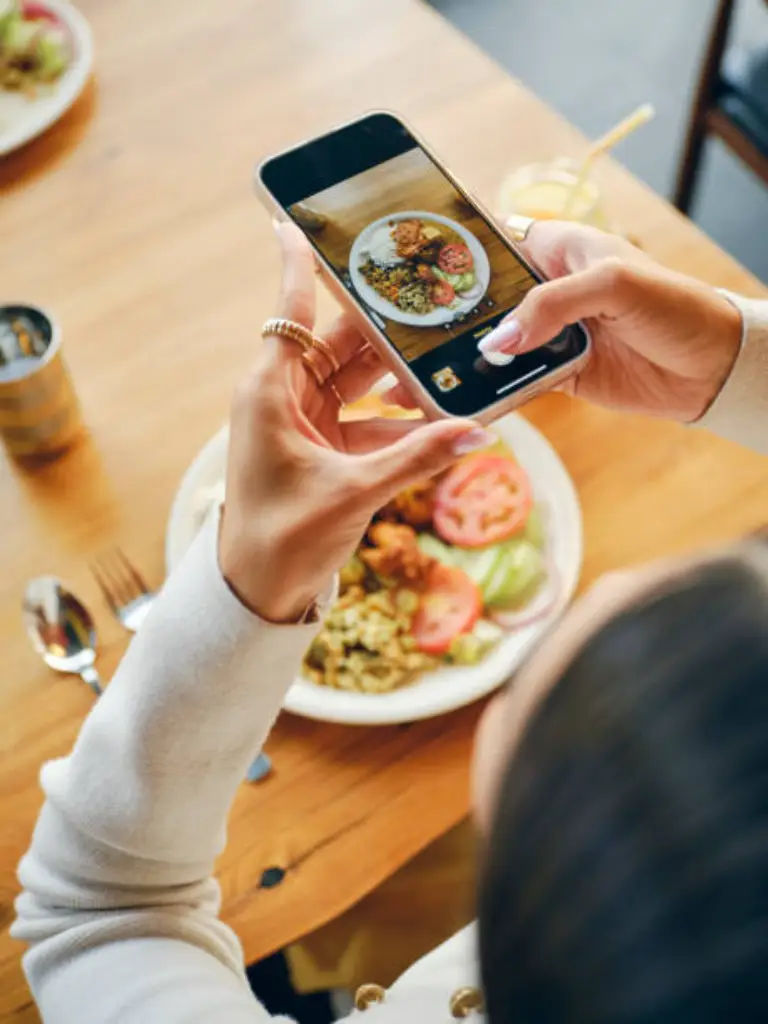
Les tactiques de médias sociaux qui convertissent les "Likes" en "Covers" (couvertures)
Dissipons un mythe répandu : avoir 50 000 followers sur Instagram ne garantit pas un restaurant plein, surtout si ces followers sont éparpillés dans tout le pays. Le marketing des restaurants est un jeu hyper-local. Vous n'avez pas besoin de devenir viral à l'échelle mondiale, mais dans un rayon de 10 miles autour de votre cuisine. Il est temps de passer des mesures de vanité (likes et vues générales) à des mesures exploitables (clics sur les liens, réservations et engagement localisé).
Arrêtez de payer des milliers de dollars à des influenceurs qui exigent des repas gratuits et des honoraires élevés, mais qui n'offrent aucun retour sur investissement traçable. Au lieu de cela, orientez votre stratégie vers des micro-influenceurs locaux. Trouvez des blogueurs culinaires dans votre ville qui ont entre 3 000 et 10 000 adeptes locaux très engagés. Invitez-les à une dégustation. Le calcul est incroyablement favorable : vous offrez un repas dont le coût est d'environ $30, et en échange, ils créent un TikTok ou un Reel Instagram de haute qualité qui est poussé directement sur les fils d'actualité de 5 000 locaux qui vivent assez près pour vous rendre visite. Il s'agit là d'un coût d'acquisition client imbattable.
En outre, veillez à ce que chacun de vos posts utilise strictement des hashtags géolocalisés et hyperlocaux. N'utilisez pas #FoodPorn, mais #[YourCity]Eats ou #[YourNeighborhood]Dining. Lorsque des clients potentiels font défiler les balises de localisation pour décider où manger ce soir, vous voulez que vos meilleurs plats dominent cette grille spécifique.
Concevoir un menu en ligne et hors ligne à fort taux de conversion
Votre menu n'est pas une simple liste de prix ; c'est la page d'atterrissage la plus critique pour la conversion que votre entreprise possède. Qu'un client soit assis à votre table ou qu'il fasse défiler votre site web, la façon dont vous présentez vos produits détermine votre marge bénéficiaire. C'est là que la science de l'ingénierie des menus entre en jeu.
Selon les principes de l'économie comportementale, l'œil humain est naturellement attiré par certaines parties d'un menu (généralement le coin supérieur droit d'un menu de deux pages). En utilisant les principes de la matrice du Boston Consulting Group, vous devez classer vos plats en "étoiles" (profit élevé, grande popularité) et en "chevaux de labour" (profit faible, grande popularité). Vous devez mettre en valeur vos étoiles de manière agressive en utilisant des indices visuels tels que des caractères gras, des encadrés subtils ou des espaces blancs descriptifs supplémentaires, afin d'attirer l'attention du client sur les plats à plus faible marge.
En outre, mettez en œuvre des méthodes psychologiques de fixation des prix. Supprimez les symboles monétaires ($ ou €) de vos menus. Des études montrent qu'un symbole monétaire déclenche inconsciemment la "douleur de payer" dans le cerveau du consommateur. Écrire "Pâtes aux truffes 24" au lieu de "Pâtes aux truffes - $24.00" atténue le choc financier. Vous pouvez également utiliser des prix leurres : placez un produit extrêmement cher et haut de gamme tout en haut du menu. Ainsi, le steak $35 semble être une bonne affaire par rapport à la tour de fruits de mer $95 qui se trouve à côté.
Le vendeur silencieux : Pourquoi un emballage personnalisé est votre meilleur panneau d'affichage
Passons maintenant du monde numérique au monde physique. Il s'agit là de l'angle mort le plus important pour la plupart des restaurateurs indépendants. Vous pouvez dépenser des milliers d'euros pour optimiser votre site web et diffuser des publicités sur Facebook, mais vous livrez vos plats méticuleusement préparés dans une boîte en polystyrène blanche, générique, fragile et sans marque. Il s'agit là d'une perte de profit catastrophique. À l'ère de la restauration hors foyer, l'optimisation de vos emballage pour la livraison de repas chauds est votre dernier point de contact physique avec le client. C'est un panneau d'affichage mobile, un ambassadeur de la marque et votre première ligne de défense contre les critiques négatives.
Voler la recette de l'Unboxing des "grandes chaînes" avec un budget local
Pourquoi des géants mondiaux comme Starbucks, Burger King et Tim Hortons jouissent-ils d'une telle fidélité à leur marque et d'un prix aussi élevé ? Ce n'est pas seulement la nourriture, c'est aussi la cohérence absolue de l'expérience de déballage. Lorsqu'un client se promène dans la rue avec un gobelet personnalisé et magnifiquement conçu, il devient une publicité ambulante. De nombreux exploitants indépendants croient à tort que l'accès à ce niveau d'emballage premium et personnalisé est un luxe réservé aux méga-corporations disposant d'énormes entrepôts. Ce n'est plus le cas aujourd'hui.
Pour mettre en œuvre une stratégie de marketing physique sans faille, vous avez besoin d'un partenaire de la chaîne d'approvisionnement capable de combler cette lacune. C'est précisément là qu'intervient le partenariat avec un fabricant spécialisé comme Yoonpak devient un avantage concurrentiel stratégique, et non plus seulement une dépense opérationnelle.
1. La stratégie défensive : Protéger sa réputation contre les fuites
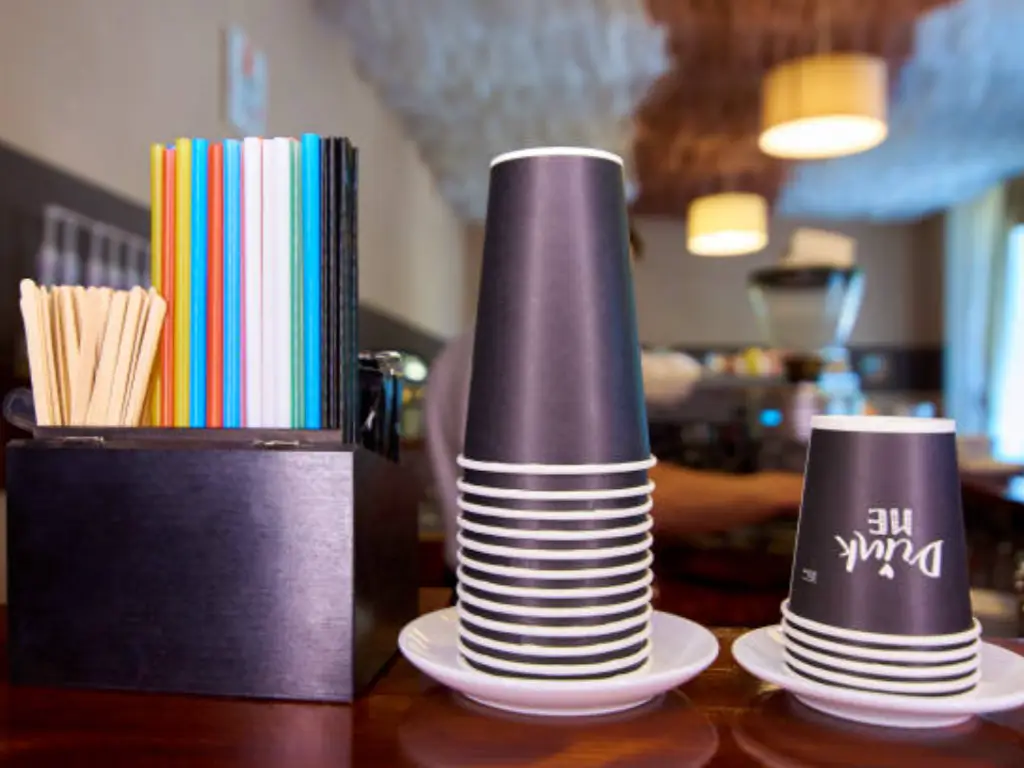
Le marketing ne sert à rien si votre produit échoue à la livraison. La mise en œuvre d'un idées d'emballage pour la restauration rapideL'utilisation stricte de bols étanches et de boîtes de livraison sécurisées, par exemple, permet d'éviter qu'une soupe ne coule sur le comptoir de cuisine d'un client et ne génère un avis 1 étoile, détruisant ainsi l'autorité SEO locale que vous avez travaillé si dur à construire. Yoonpak conçoit des emballages en utilisant des revêtements en PE de première qualité et durables ou en PLA respectueux de l'environnement, garantissant une expérience 100% à l'épreuve des fuites. Vous n'achetez pas des bols en papier, vous achetez une police d'assurance contre les critiques négatives qui détruisent votre réputation.
2. La stratégie offensive : L'ingénierie de la viralité sociale
En 2026, si votre emballage n'est pas " Instagrammable ", vous perdez du trafic gratuit. Grâce à la technologie d'impression flexographique et offset de Yoonpak (qui prend en charge les dessins vectoriels de 300 dpi et la correspondance précise des couleurs Pantone), vous pouvez transformer des emballages de haute qualité en des produits de qualité supérieure. gobelets en papier personnalisés en une œuvre d'art étonnante. Si un seul client sur 100 prend une photo de votre emballage personnalisé certifié FSC et la publie sur les médias sociaux, la portée organique générée dépasse de loin la fraction de centime que vous avez payée pour l'impression personnalisée. Votre emballage devient un canal d'acquisition autonome.
3. Le hack de l'espace et du cash-flow : la livraison fractionnée (Drip-Feeding)
La principale objection des restaurateurs à l'égard des emballages personnalisés est l'espace physique. "Je ne peux pas commander de gobelets personnalisés parce que mon arrière-boutique est minuscule ; je n'ai pas de place pour 10 000 gobelets. Yoonpak a spécialement conçu son modèle commercial pour les restaurants en pleine croissance en résolvant ce cauchemar logistique. Bien qu'elle propose une quantité minimale de commande (QMC) incroyablement accessible de 10 000 unités pour obtenir un prix direct, vous n'êtes pas obligé de les prendre tous en même temps. Grâce à Yoonpak's Programme de distribution fractionnée (goutte à goutte)Avec Yoonpak, vous pouvez bloquer le faible coût unitaire d'une série de 10 000 pièces, mais Yoonpak conservera le stock dans son entrepôt et ne livrera que 2 000 unités à votre restaurant chaque mois. Vous bénéficiez ainsi de l'image de marque d'une grande chaîne sans avoir à louer une unité de stockage ou à immobiliser des liquidités importantes.
Marketing de proximité et communautaire à budget zéro
Si vous disposez d'un budget marketing pratiquement nul, vous devez recourir à des tactiques de guérilla. La stratégie à coût nul la plus puissante est la pollinisation croisée par le biais de partenariats B2B hyperlocaux. Vous devez identifier les entreprises non concurrentes de votre quartier qui partagent exactement votre cible démographique et mettre en place un échange de trafic mutuel.
Le jeu en profondeur : l'échange de centres de remise en forme
Imaginez que vous dirigiez un concept de restauration rapide saine. Vous vous adressez à la salle de sport haut de gamme située en bas de la rue. Créez un programme dans le cadre duquel toute personne qui présente son porte-clés de membre de la salle de sport obtient un supplément hyperprotéiné gratuit avec tout achat de salade les mardis soirs. En contrepartie, la salle de sport accepte de placer vos cartes promotionnelles personnalisées à la réception. Vous ne dépensez pas d'argent en publicité ; vous héritez directement de leur clientèle fortunée et soucieuse de sa santé.
5 idées rapides à mettre en œuvre ce soir :
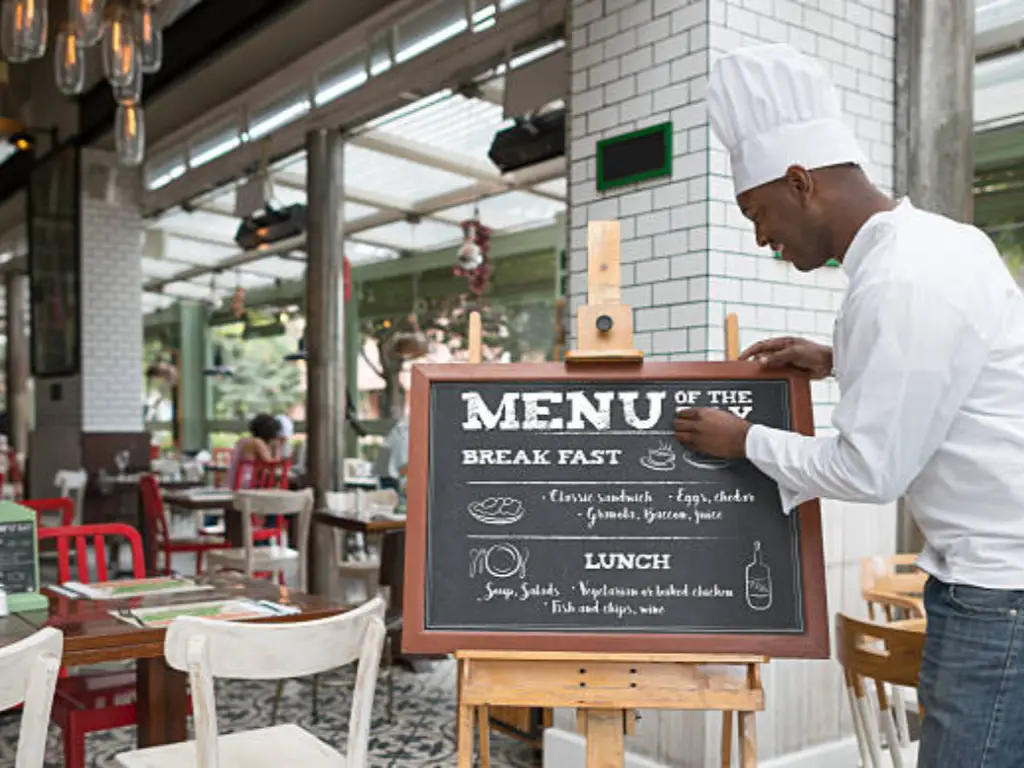
- Le tableau en A : Placez une blague pleine d'esprit et très facile à partager sur votre panneau de trottoir en forme de cadre A. Les gens s'arrêteront pour prendre des photos et les publieront en ligne. Les gens s'arrêteront, prendront des photos et les publieront en ligne.
- Le mot secret du menu : Annoncez sur votre story Instagram que toute personne qui chuchote le "mot secret" au barman obtient un apéritif gratuit. Cela crée une exclusivité immédiate.
- La remise du héros local : Offrez une remise permanente sur le 10% aux employés des hôpitaux locaux, aux pompiers et aux enseignants en uniforme. Le bouche-à-oreille dans les salles de pause est incroyablement rapide.
- Organisez une soirée communautaire : Consacrez un lundi soir calme à une association caritative locale ou à une petite équipe de ligue, en leur donnant 15% des recettes. Ils s'occuperont de tout le marketing pour que vous fassiez salle comble.
- Le rebond du ticket de caisse : Imprimez une offre au bas des tickets de caisse de ce soir : "Rapportez ce ticket dans les 7 jours pour un dessert gratuit". Cela oblige à une deuxième visite rapide.
Architecture d'un système de fidélisation de la clientèle basé sur les données
Acquérir un nouveau client coûte cher ; le fidéliser, c'est gagner de l'argent. Une étude de la Harvard Business Review prouve qu'en augmentant le taux de fidélisation de la clientèle de seulement 5%, on augmente les bénéfices de 25% à 95%. Cependant, les traditionnelles cartes de timbres en carton "Achetez-en 10, obtenez-en 1 gratuitement" sont mortes. Elles ne fournissent aucune donnée et offrent une expérience utilisateur désastreuse. Vous avez besoin d'un moteur de fidélisation numérique.
Capture de données et conformité : L'échange de valeurs
Avant de pouvoir faire du marketing auprès de vos clients, vous avez besoin de leurs coordonnées. Or, c'est à ce stade que de nombreux restaurateurs s'exposent à de graves risques juridiques. Vous ne devez en aucun cas collecter de force des numéros de téléphone et envoyer des messages publicitaires sans consentement explicite. En Amérique du Nord, la violation de la loi sur la protection des consommateurs par téléphone (TCPA) ou du GDPR peut entraîner des amendes paralysantes allant de $500 à $1 500 par message texte. Cela peut mettre en faillite un restaurant indépendant du jour au lendemain.
Au lieu de cela, vous devez utiliser le principe de "l'échange de valeur" en respectant strictement le principe du double consentement. Mettez en place un portail captif sur le réseau WiFi de vos clients. Lorsqu'un client tente de se connecter pour naviguer sur le web en attendant son repas, un écran de démarrage s'affiche : "Entrez votre numéro de téléphone pour accéder au WiFi et déverrouiller le menu secret du jour ! En dessous, il doit y avoir une case à cocher claire, conforme à la loi, où il accepte explicitement de recevoir des messages promotionnels à l'avenir. Vous leur donnez une valeur immédiate (WiFi + un avantage), et ils vous donnent un atout conforme à la loi (leurs données).
Sensibilisation automatisée : Email et SMS segmentés
Une fois que vous avez une base de données propre et conforme, ne la gâchez pas en envoyant des messages de spam génériques du type "20% off everything". Les systèmes modernes de gestion de la relation client s'appuient sur Segmentation et déclencheurs automatisés. Votre système devrait envoyer automatiquement à un client une offre alléchante (comme un dessert gratuit) exactement 7 jours avant son anniversaire. Vous pouvez également mettre en place un déclencheur de "reconquête" : si le système remarque qu'un client fidèle n'est pas venu depuis 45 jours, il lui envoie automatiquement un SMS hautement personnalisé : "Bonjour John, nous avons remarqué que cela faisait longtemps ! Nous venons d'ajouter une nouvelle bière artisanale saisonnière que nous savons que vous aimerez. Montrez ce texte pour obtenir un vol de dégustation gratuit cette semaine." La personnalisation permet d'obtenir des taux de remboursement sans précédent.
L'expérience VIP invisible
La forme ultime de fidélisation se fait hors écran. Utilisez les données de vos points de vente pour donner plus de pouvoir à votre personnel d'accueil. Imaginez un client qui vient pour la cinquième fois. Au lieu de lui demander sa carte de fidélité, l'hôtesse consulte son profil CRM, se dirige vers sa table et lui apporte le verre de pinot noir qu'il a commandé la dernière fois, en lui disant : "C'est une bonne chose, "Bienvenue, Sarah. Ce verre est offert par la maison pour vous remercier de votre soutien continu." Ce niveau d'hospitalité invisible, basé sur des données, crée un client à vie qui parlera de votre restaurant à dix de ses amis.
Suivre le retour sur investissement : Les seuls indicateurs marketing qui comptent
Nous avons couvert un large éventail de sujets, depuis les astuces algorithmiques de référencement jusqu'aux partenariats hyperlocaux et à la conformité automatisée des SMS. Mais comment savoir si vous êtes en train de gagner ? Jetez vos indicateurs de vanité et concentrez-vous sans relâche sur ces trois chiffres : Coût d'acquisition des clients (CAC) (combien vous avez dépensé pour qu'un client franchisse la porte), Valeur à vie du client (LTV) (combien l'invité dépense pendant les années où il reste fidèle), et votre Offre Taux de remboursement.
Si vous menez une campagne qui coûte $500 et rapporte 50 nouveaux clients, votre CAC est de $10. Si votre bénéfice moyen par table n'est que de $8, vous avez perdu de l'argent aujourd'hui. Mais si votre système automatisé de fidélisation et votre incroyable expérience interne transforment 10 de ces personnes en habitués qui viennent une fois par mois pendant un an, leur VLT grimpe en flèche pour atteindre des milliers. Ce $500 n'était pas une dépense ; c'était le meilleur investissement de toute l'année.
Passez à l'action dès aujourd'hui, sans aucun risque :
Parmi toutes les stratégies évoquées, l'amélioration de votre emballage physique est la plus rapide à mettre en œuvre, ne nécessite aucune courbe d'apprentissage numérique et augmente immédiatement la valeur perçue de votre marque sans avoir à rechercher un nouveau trafic. Ne laissez pas la peur des coûts de conception ou des besoins massifs d'entreposage vous empêcher de vous assurer le meilleur "vendeur silencieux".
Yoonpak fournit aux enseignes de restauration indépendantes et en croissance 100% Soutien gratuit à la structure et à la conception graphique. Une fois que vous aurez déposé une demande, vous recevrez une épreuve numérique dans un délai d'un jour ouvrable. Ne vous contentez plus de conteneurs génériques qui fuient et qui nuisent à votre réputation.
Demandez dès aujourd'hui un échantillon gratuit et personnalisé

 English
  German
  Spanish
  Italian
  Dutch
Dutch  French
  Portuguese
  Russian
  Arabic
  Korean