

Confezioni per la consegna del caffè caldo: come scegliere tazze che resistano al trasporto
Consegnare caffè caldo rappresenta una sfida completamente diversa rispetto a servirlo al bancone di un bar. Mentre i bicchieri standard a parete singola funzionano perfettamente all’interno del locale, le costanti vibrazioni, le inclinazioni e la pressione termica durante il trasporto ne mettono in luce i punti deboli strutturali, causando rapidamente lo strappo delle cuciture laterali, il distacco dei coperchi e bevande tiepide. Per tutelare sia l’esperienza del cliente che la reputazione del marchio, gli operatori devono ripensare la propria strategia di confezionamento. Questa guida analizza i meccanismi alla base di un imballaggio a prova di consegna, esplorando i vantaggi strategici dei bicchieri a doppia parete e a parete ondulata, la necessità di sistemi di coperchi perfettamente compatibili e le certificazioni essenziali dei fornitori richieste per garantire che il caffè arrivi a destinazione in perfette condizioni.
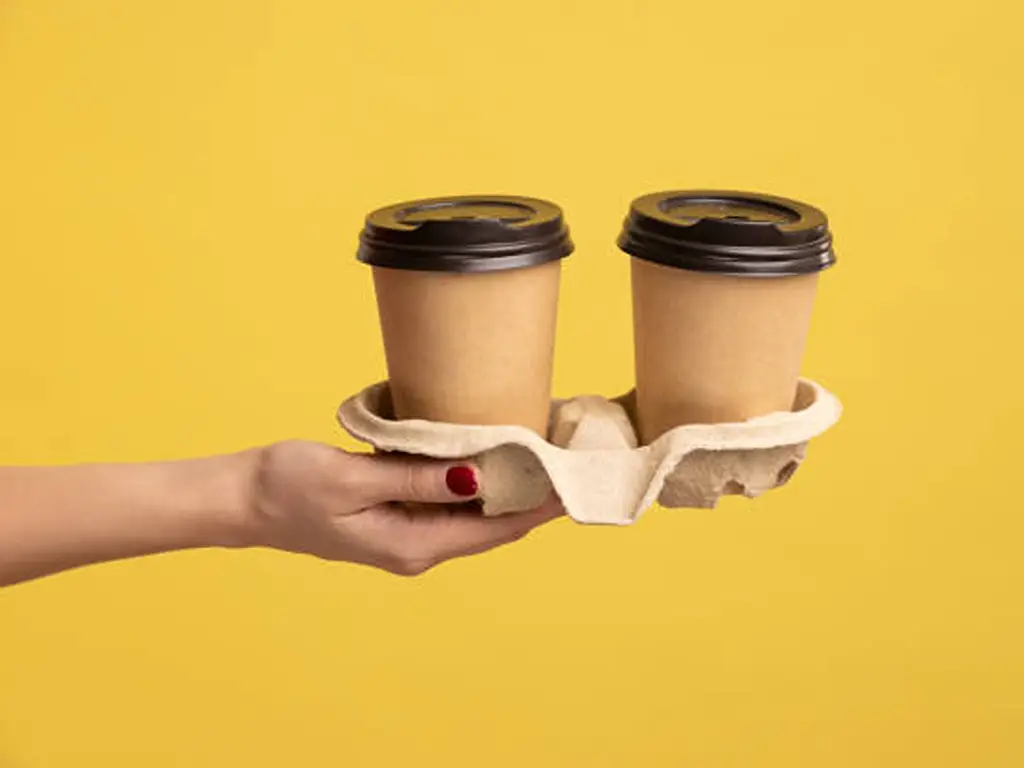
Perché la consegna di caffè caldo richiede un imballaggio diverso
Un bicchiere di carta appoggiato sul bancone di un bar ha una vita facile. Sta in piedi da solo. Viene svuotato nel giro di 15 minuti. Nessuno lo scuote, lo inclina o ci impila sopra tre ordinazioni pesanti.
Ora mettiamo quella stessa tazza sul retro di uno scooter da consegna. Viaggia con un’inclinazione di 30 gradi per 25 minuti. Ogni buca provoca un’onda d’urto lungo la giuntura laterale. La pressione del vapore aumenta sotto il coperchio. Altre tre tazze nel portabicchieri esercitano una pressione dall’alto. La tazza che ha funzionato perfettamente in negozio ora deve affrontare tre possibili guasti contemporaneamente: lo scoppio della giuntura laterale, l’espulsione del coperchio e il collasso termico.
Il divario tra le prestazioni in negozio e quelle relative alle consegne non è un problema di qualità, ma di progettazione. Un bicchiere progettato per un uso in posizione verticale e di breve durata non è mai stato concepito per resistere a un tragitto di 3 chilometri all’interno di una borsa per le consegne. Riconoscere questo divario è il primo passo per risolverlo.
Ecco le tre principali modalità di guasto che ogni addetto alle consegne dovrebbe conoscere:
- Rottura della cucitura laterale: Il liquido bollente, unito alle vibrazioni continue, indebolisce il legame adesivo lungo la giuntura verticale della tazza. Si tratta del guasto più comune nel processo di consegna. È anche il più difficile da individuare prima che si verifichi.
- Apertura automatica del coperchio: Durante il trasporto, all’interno di un contenitore sigillato si accumula pressione di vapore. Quando la forza di tenuta del coperchio scende al di sotto della soglia di pressione, il coperchio viene espulso. Tale espulsione spesso porta con sé anche la fiducia del cliente.
- Calo brusco della temperatura: Senza un adeguato isolamento, un caffè a 185°F (85°C) scende sotto i 140°F (60°C) entro 15-20 minuti di trasporto senza isolamento. È a quel punto che la maggior parte dei clienti lo considera “freddo”.
Il resto di questa guida illustra i tipi di tazze, i sistemi di coperchi, i contenitori e i criteri di selezione dei fornitori che consentono di risolvere ciascuno di questi punti critici.
Tipi di tazze che resistono davvero al viaggio
La scelta del bicchiere giusto per la consegna dipende da tre fattori: la distanza che l’ordine deve percorrere, la temperatura che la bevanda deve mantenere e l’esperienza che il marchio vuole trasmettere al cliente quando apre la busta. Le tre categorie riportate di seguito sono classificate dalla meno adatta alla consegna a quella più adatta.
Bicchieri a parete singola — Quando “abbastanza buono” costa più di quanto si pensi
I bicchieri a parete singola sono la scelta standard per il servizio in locale, e a ragione: rappresentano l’opzione più economica per unità. Sia nel contesto del servizio al tavolo che in quello da asporto, si dimostrano adeguati. La bevanda viene consumata rapidamente, il bicchiere rimane in piedi e i requisiti strutturali sono minimi.
I conti cambiano radicalmente in uno scenario di consegna a domicilio. Per rendere un bicchiere a parete singola pronto per la consegna, la maggior parte degli operatori finisce per aggiungere tre elementi extra: un involucro in cartone ondulato per la protezione dal calore, una striscia adesiva di sigillatura sul coperchio e, talvolta, uno strato di pellicola di plastica attorno all’intero bicchiere. Ogni singolo elemento aggiuntivo sembra trascurabile. Sommati insieme, il costo reale per bicchiere spesso supera quello di un’alternativa a doppia parete appositamente progettata. Un bicchiere a parete singola a $0,03 più un involucro a $0,02, una striscia sigillante a $0,01 e la manodopera necessaria per assemblarli a circa $0,01 portano il totale a $0,07 per bicchiere. Si tratta di un costo superiore a quello di un’opzione a doppia parete pronta all’uso che non richiede alcun elemento aggiuntivo.
A doppia parete, pronto all'uso = $0,06/tazza
Al di là dei costi, c'è un problema di coerenza. Ogni fase aggiuntiva del processo di assemblaggio rappresenta un punto in cui un addetto, sotto pressione, potrebbe saltare o eseguire in modo approssimativo la procedura durante un picco di consegne. Meno sono le fasi tra il momento in cui “viene versato il caffè” e quello in cui “viene sigillato il sacchetto”, minori sono i punti di errore.
Pareti doppie e pareti ondulate — I cavalli di battaglia delle consegne
I bicchieri a doppia parete e quelli con parete ondulata sono i due formati appositamente progettati per le condizioni imposte dal servizio di consegna. Condividono lo stesso vantaggio fondamentale — l’isolamento integrato che elimina la necessità di manicotti separati — ma differiscono per struttura e ambito di utilizzo ideale.
| Dimensione | Doppia parete | Parete ondulata |
|---|---|---|
| Metodo di isolamento | Spazio d'aria tra due strati di carta | Strato esterno ondulato con camere d'aria a 360° |
| Adezanoemc re fort | Sensazione di fluidità e professionalità | Strutturato, massima resistenza allo scivolamento |
| Qualità di stampa | Superficie esterna completamente liscia, ideale per la personalizzazione con il marchio | La superficie ondulata limita la stampa dei dettagli più fini |
| Resistenza alla compressione | Forte | Stronger — La struttura ondulata distribuisce la pressione in modo distribuito |
| Costo relativo | Linea di base | Da oùecue apuccm oiandneiqinnit o tnTPD |
I bicchieri a doppia parete offrono il miglior compromesso per gli operatori che utilizzano lo stesso bicchiere sia per il servizio in locale che per quello a domicilio. La parete esterna liscia consente una stampa CMYK a colori senza compromessi. Il tuo marchio apparirà identico sia che il cliente beva al tuo bancone sia che lo faccia alla propria scrivania 30 minuti dopo.
I contenitori con pareti ondulate dimostrano il loro valore aggiunto nelle attività di consegna a domicilio o in quelle che prevedono un uso intensivo di questo servizio. Le camere d’aria a 360 gradi dello strato esterno ondulato dissipano l’energia delle vibrazioni che altrimenti si concentrerebbe sulla giuntura laterale. Per le consegne in moto e in scooter, la struttura a pareti ondulate offre un vantaggio strutturale significativo. Le vibrazioni costanti a bassa ampiezza rappresentano lo stress dominante nelle consegne su due ruote — ed è proprio questo lo stress che le pareti ondulate gestiscono al meglio.
Se la tua attività si concentra prevalentemente sulle consegne a domicilio, opta per il formato a parete ondulata. Se invece la tua attività si divide equamente tra consumo in loco e consegne a domicilio, il formato a doppia parete ti consentirà di mantenere coerente l’immagine del tuo marchio senza compromettere le prestazioni nelle consegne.
Bicchieri ecologici rivestiti in carta Kraft e PLA — Sostenibilità senza compromessi
Il segmento in più rapida crescita nel settore degli imballaggi per le consegne a domicilio è quello dei bicchieri ecologici. L'elemento tecnologico fondamentale da comprendere è il rivestimento interno. I bicchieri di carta tradizionali utilizzano un rivestimento in polietilene (PE) derivato dal petrolio. Le alternative di origine vegetale utilizzano l'acido polilattico (PLA), una bioplastica ottenuta dalla fermentazione dell'amido di mais o della canna da zucchero.
Una preoccupazione comune riguardo ai bicchieri rivestiti in PLA riguarda la loro resistenza al calore. Tale preoccupazione trova fondamento nella scienza dei materiali: il PLA ha una temperatura di transizione vetrosa compresa tra 55 e 60 °C (131–140 °F), al di sopra della quale passa da uno stato rigido a uno flessibile. Tuttavia, il PLA non si scioglie alle temperature delle bevande. Il suo punto di fusione è di circa 170 °C. In una struttura composita del bicchiere, è il substrato di carta a sostenere il carico strutturale. Il rivestimento in PLA, applicato con uno spessore di 10–50 micron, deve solo garantire una barriera impermeabile continua. Il caffè caldo a 85 °C ammorbidirà lo strato di PLA, ma un bicchiere fabbricato correttamente con uno spessore adeguato del cartoncino mantiene il rivestimento al suo posto e il liquido al suo interno (Frey Paper Products).
In pratica, ciò significa che i bicchieri ecologici con rivestimento in PLA sono perfettamente adatti alla distribuzione di caffè caldo, purché provengano da produttori che progettano il rapporto tra lo spessore del cartoncino e quello del rivestimento in modo specifico per applicazioni con riempimento a caldo. I bicchieri che non superano il test sono in genere quelli in cui la riduzione dei costi ha comportato una diminuzione del peso del cartoncino, non quelli in cui il PLA era intrinsecamente inadatto.
Al di là della funzionalità, l’aspetto ecologico rappresenta un valore aggiunto per il marchio. La certificazione FSC sulla carta utilizzata. La certificazione di compostabilità BPI o DIN sul bicchiere finito. Un’etichetta chiara con la dicitura “compostabile commercialmente” sul bicchiere stesso. Questi elementi visivi comunicano valori al cliente finale senza bisogno di una sola parola di testo pubblicitario. Per i marchi di caffè che puntano sulla sostenibilità, un bicchiere ecologico con marchi di certificazione visibili trasforma ogni consegna in una dichiarazione di intenti del marchio.
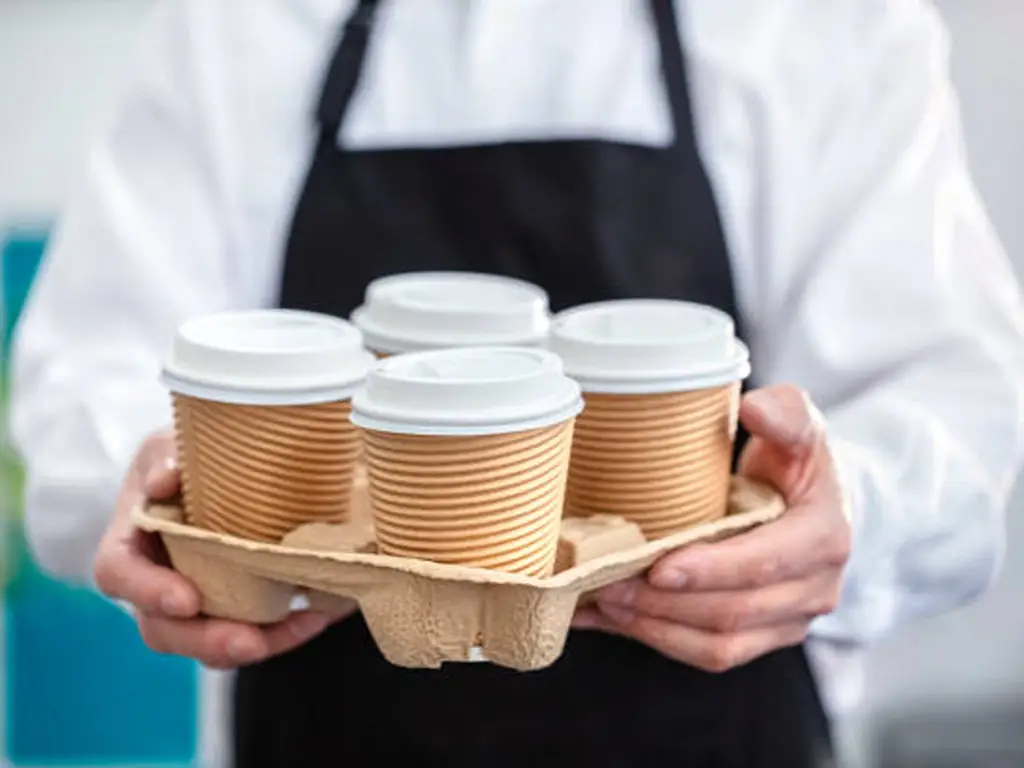
Il sistema “Lid-and-Leak” — Basta un anello debole per rovinare l’esperienza
I coperchi dei bicchieri sono il componente più sottovalutato negli imballaggi per le consegne a domicilio. Sono anche il principale punto di vulnerabilità. L’errore principale consiste nel considerare i bicchieri e i coperchi come articoli da acquistare separatamente. Si tratta invece di un sistema integrato. Uno scarto di soli 0,1 millimetri nel diametro del bordo è sufficiente a causare il distacco del coperchio durante il trasporto.
Tipi di coperchi e abbinamento delle tazze — Scegli il diametro giusto
Il settore dei bicchieri di carta si articola attorno a due diametri di bordo prevalenti: 80 mm per i bicchieri da 4–12 oz e 90 mm per quelli da 12–20 oz (Atpack Coffee). Una tazza da 12 oz di un determinato produttore potrebbe avere un bordo di 80 mm, mentre quella di un altro produttore potrebbe averne uno di 90 mm. Non dare mai per scontato il diametro del bordo basandosi esclusivamente sul volume. Verifica sempre il diametro effettivo del bordo.
Nella scelta del tipo di coperchio per la consegna, è opportuno privilegiare la forza di tenuta rispetto alla praticità di versamento:
- Coperchi piatti con fori per bere: Il formato più diffuso. Adatto alle consegne a breve distanza se abbinato a un bicchiere dello stesso produttore. Il foro per bere dovrebbe essere dotato di un tappo o di un fermo per il trasporto. I fori scoperti causano perdite ogni volta che il bicchiere viene inclinato.
- Coperchi a cupola: Offrono uno spazio libero aggiuntivo sopra il bordo, che consente alla schiuma (di cappuccini, latte macchiato) di rimanere senza entrare in contatto con il bordo. La forma a cupola crea un arco strutturale che resiste alla pressione verso il basso meglio rispetto ai coperchi piatti. Ciò risulta utile quando i bicchieri vengono impilati in una borsa da trasporto.
- Coperchi a chiusura ermetica con linguetta a strappo: La soluzione più sicura per la consegna. L’assenza di aperture pretagliate garantisce l’assenza totale di perdite durante il trasporto. Il cliente strappa la linguetta per bere al momento della consegna. Questi prodotti hanno un costo leggermente superiore, ma eliminano il reclamo più comune relativo alla consegna.
La regola imprescindibile: i contenitori e i coperchi devono provenire dallo stesso produttore. Anche quando due fornitori dichiarano lo stesso diametro del bordo, le tolleranze di produzione differiscono a tal punto che l’abbinamento tra prodotti di fornitori diversi è la causa principale dei guasti ai coperchi durante il trasporto. Lo spessore dell’arrotondamento del bordo, il profilo del bordo, la rigidità del materiale: ogni variabile varia da un produttore all’altro.
Il test di tenuta in 3 fasi che ogni operatore dovrebbe eseguire
Prima di scegliere una combinazione di tazza e coperchio per la consegna, esegui questi tre test su una serie di campioni. Ciascun test simula una specifica condizione di sollecitazione durante la consegna:
Test 1 — Periodo di inattività statica (simula il tempo di attesa): Riempire la tazza con acqua a 195°F (90°C), chiudere bene il coperchio e appoggiarla su un tovagliolo di carta asciutto. Controllare dopo 60 minuti. Il tovagliolo dovrebbe essere completamente asciutto. Eventuali tracce di umidità alla base indicano una perdita dalla giuntura laterale. L'umidità intorno al bordo indica che la tenuta del coperchio non è corretta.
Prova 2 — Inclinazione e scuotimento (simula le vibrazioni durante il trasporto): Riempire la tazza con acqua calda fino all'80% della sua capacità, chiudere bene il coperchio e inclinarla di 45 gradi. Agitarla energicamente per 30 secondi. Ciò corrisponde all'incirca all'intensità delle vibrazioni che si avvertono guidando uno scooter per le strade della città. Il coperchio deve rimanere ben saldo, senza alcuna fuoriuscita di liquido dall'apertura per bere.
Test 3 — Compressione a strati (simula il carico del mezzo di trasporto): Riempire tre tazze con acqua calda e impilarle verticalmente in un portatazze standard. Lasciarle riposare per 30 minuti. La tazza in fondo non dovrebbe presentare alcuna deformazione e tutti e tre i coperchi dovrebbero rimanere perfettamente sigillati. La tazza in fondo sostiene il peso di tutte quelle che si trovano sopra di essa. Se si deforma, la tenuta non è garantita su nessuna delle tre.
Se una combinazione di tazza e coperchio supera tutti e tre i test, è pronta per la consegna. Se non supera uno qualsiasi dei test, non ricorrere a espedienti come nastro adesivo o involucri. Si tratta di soluzioni provvisorie, non definitive. Procurati una combinazione diversa che superi i test di per sé.
Contenitori, sacchetti e lo “stack termico”: mantenere il calore durante il trasporto
La tazza contiene il caffè. Il supporto mantiene la tazza in posizione verticale. La borsa mantiene tutto caldo. Ogni strato risolve un problema diverso. Se si tralascia uno qualsiasi di essi, gli strati rimanenti sono costretti a svolgere un compito per cui non sono stati progettati.
Livello 1 — Il supporto (anti-ribaltamento): Un buon portabicchieri svolge una funzione più importante di ogni altra: impedisce ai bicchieri di ribaltarsi. Cercate portabicchieri con scanalature antiscivolo sulla base e alloggiamenti che avvolgano il corpo del bicchiere, anziché limitarsi a appoggiarlo in un foro poco stabile. Per le consegne in scooter con un solo ordine, un portabicchieri da 2 bicchieri garantisce un ingombro ridotto. Per le consegne in auto con più ordini, un portabicchieri da 4 bicchieri con maniglia centrale consente al conducente di trasportarlo con una sola mano. Ciò riduce il rischio che si ribalti durante il tragitto dall’auto alla porta.
Strato 2 — La sacca termica (trattenimento del calore): Una borsa termica foderata in foglio di alluminio prolunga notevolmente il tempo di mantenimento del calore. Senza una borsa termica, una tazza di caffè con doppia parete a 185°F (85°C) scende al di sotto della soglia di soddisfazione di 140°F (60°C) in circa 15-20 minuti. Lo stesso caffè, se contenuto in una borsa termica rivestita di foglio di alluminio, può rimanere al di sopra dei 140°F per 45 minuti o più. Per qualsiasi raggio di consegna superiore a 2 chilometri, la borsa termica non è un optional. È la differenza tra un cliente che riceve un caffè caldo e una tiepida delusione.
Livello 3 — La strategia di impilamento: I tre strati funzionano come un sistema unico, non in modo indipendente. Il bicchiere termico garantisce il mantenimento del calore a livello del contenitore. La custodia protegge da danni meccanici (ribaltamento e compressione) che potrebbero danneggiare il bicchiere o il coperchio. La borsa termica funge da barriera esterna contro le condizioni climatiche esterne, rendendo efficace l’isolamento del bicchiere nel tempo. Pensatelo come vestirsi per il freddo: ogni strato affronta una minaccia specifica. Tutti e tre sono necessari affinché il sistema funzioni.
Cosa cercare in un fornitore di bicchieri da asporto
La scelta del tipo di bicchiere e del sistema di coperchi più adatti risolve il problema operativo immediato. La scelta del fornitore giusto determina invece se tale soluzione rimarrà affidabile su larga scala. Due sono i criteri fondamentali: le certificazioni che attestano la conformità e le condizioni commerciali che stabiliscono se il fornitore è effettivamente in grado di soddisfare le esigenze della vostra azienda.
Certificazioni importanti per i contenitori da asporto
I bicchieri da asporto rimangono a contatto con liquidi caldi per 30 minuti o più. Si tratta di un tempo di gran lunga superiore ai pochi minuti a cui sono sottoposti i bicchieri utilizzati all’interno del locale. Un tempo di contatto prolungato aumenta i rischi per la sicurezza alimentare. Non tutte le certificazioni hanno lo stesso peso nel contesto delle consegne a domicilio.
| Livello | Certificazione | Cosa comprende | Verdetto |
|---|---|---|---|
| Essenziale | FDA 21 CFR 176.170 | Carta/cartoncino a contatto con alimenti in ambiente acquoso e oleoso | Non negoziabile |
| Essenziale | ISO 9001 | Gestione della qualità — uniformità dei lotti | Requisito di base |
| Avanzato | Standard globale BRC | Sicurezza alimentare lungo tutta la filiera | Obbligatorio per i marchi della catena |
| Avanzato | FSC | Carfsoisrv neonenatbtodtotei i p seoesediea rttgme nile | Elemento di differenziazione del marchio |
| Eco | BPI / DIN Certco | Verifica della compostabilità commerciale | Obbligatorio se “compostabile” |
| A sostegno di | ISO 14001 | Gestione ambientale | Sarebbe bello averlo |
Per i bar indipendenti che iniziano a offrire il servizio di consegna a domicilio, la conformità alle norme FDA e alla certificazione ISO 9001 rappresenta un requisito minimo ragionevole. Per le catene con più sedi, la certificazione BRC passa dall’essere un “plus” a un “requisito di approvvigionamento”. Molte richieste di offerta (RFP) delle catene escludono i fornitori che ne sono sprovvisti prima ancora di valutare qualsiasi altro criterio.
Quantità minima ordinabile (MOQ), tempi di consegna e le domande a cui il tuo fornitore dovrebbe rispondere
La maggior parte dei gestori di caffetterie che ordinano tazze per la prima volta non sa quali domande porre. I fornitori raramente forniscono spontaneamente informazioni che potrebbero rendere la loro offerta meno allettante. La lista di controllo riportata di seguito elenca le sei domande che distinguono i fornitori trasparenti da quelli che sperano che non le poniate.
| Domanda | Perché è importante | Intervallo di risposte ragionevole |
|---|---|---|
| Qual è la quantità minima ordinabile? | Stabilisce se è possibile provare il servizio prima di impegnarsi | Da 1.000 a 10.000 pezzi per tazze personalizzate |
| Qual è il vostro tempo di consegna standard? | Influisce sulla pianificazione delle scorte e sui cicli di riordino | 25–35 giorni per la produzione su misura |
| In quanto tempo potete spedire i campioni? | Fasrvu io idnlaipd p-ozrdaeceone | 48 ore |
| I bicchieri e i coperchi vengono prodotti sulla stessa linea di produzione? | Influisce direttamente sull'affidabilità dell'accoppiamento tra coperchio e coppa | “Sì” è l’unica risposta sicura |
| Potete fornire i documenti di certificazione originali? | Verifica della conformità | È necessario poter fornire i documenti originali |
| Qual è la quantità minima richiesta per la stampa personalizzata? | I bicchieri con marchio richiedono un quantitativo minimo d'ordine (MOQ) diverso rispetto a quelli neutri | da 1.000 a 30.000 pezzi |
Un'ultima nota sui termini commerciali: se importate, è importante comprendere la differenza tra FOB, CIF e DDP. FOB significa che il fornitore è responsabile fino a quando la merce non viene caricata sulla nave. CIF copre il costo, l’assicurazione e il nolo fino al vostro porto di destinazione. DDP significa che il fornitore si occupa di tutto, compresi i dazi all’importazione. FOB vi offre un maggiore controllo sui costi di spedizione. DDP vi garantisce una maggiore prevedibilità sul costo allo sbarco. Nessuna delle due opzioni è intrinsecamente migliore dell’altra. La scelta giusta dipende dal fatto che abbiate già uno spedizioniere di fiducia.
Un produttore che soddisfi tutti i requisiti di questo elenco — certificazioni FDA, BRC e FSC, quantità minima ordinabile (MOQ) scalabile da lotti di prova biodegradabili da 1.000 pezzi a ordini di grandi volumi, bicchieri e coperchi prodotti sulla stessa linea per garantire la perfetta compatibilità, e tempi di consegna dei campioni entro 48 ore — elimina le incertezze nell’approvvigionamento che costringono molti operatori ad accontentarsi di ciò che il distributore locale ha in magazzino. Yoonpak, un produttore di bicchieri di carta con oltre 25 anni di esperienza nella produzione e con la produzione interna di bicchieri e coperchi, è un esempio di fornitore che si basa su questo modello che soddisfa tutti i requisiti. Quando le capacità di un fornitore si allineano alle effettive esigenze di consegna della vostra attività, l’imballaggio passa dall’essere un problema ricorrente a un vantaggio competitivo.
Per gli operatori pronti ad andare oltre le opzioni limitate dai distributori: un fornitore che vanta una comprovata esperienza con grandi marchi del settore del caffè e della ristorazione veloce — avendo servito catene come Burger King, Tim Hortons, ILLY e Coffee Planet — è una garanzia di affidabilità e rigore nella conformità, requisiti fondamentali per le operazioni di consegna. È possibile contattare il team di Yoonpak tramite la pagina dei contatti per ricevere un’offerta personalizzata in base ai propri volumi e alle proprie specifiche.
Riferimenti
- Agenzia statunitense per gli alimenti e i medicinali (FDA). “21 CFR § 176.170.” Agenzia per gli alimenti e i medicinali
- YoonPak. "Domande frequenti." yoonpak.com
- YoonPak. “Produttore di bicchieri di carta.” yoonpak.com
- YoonPak. Homepage. yoonpak.com
- YoonPak. Contatti. yoonpak.com

 English
  German
  Spanish
  Italian
  Dutch
Dutch  French
  Portuguese
  Russian
  Arabic
  Korean