

커피숍 창업 방법: 수익성을 위한 8단계 청사진
커피숍을 여는 꿈은 부인할 수 없이 매혹적이다. 많은 이들에게 이는 매우 낭만적으로 비춰진다. 갓 볶은 에스프레소의 진한 향기를 맡으며 하루를 보내고, 완벽한 인디 음악 플레이리스트를 선별하며, 완벽하게 추출된 플랫 화이트를 한 모금 마시며 동네 단골손님들과 여유롭게 대화를 나누는 모습 말이다. 하지만 외식업계의 현실은 그토록 관대하지 않다. 미적으로 매력적인 노출 벽돌 벽과 값비싼 에스프레소 머신의 반짝임 뒤에는, 높은 위험을 수반하고 노동 집약적이며 자본 집약적인 상업 생태계가 숨어 있습니다.
이 글을 읽고 계신다면, 아마도 ‘꿈꾸는 단계’에서 ‘실행 단계’로 넘어가는 중이실 것입니다. “멋진 이름을 정하라”거나 “좋은 원두를 사라”는 식의 진부한 조언 목록은 더 이상 필요하지 않습니다. 여러분은 이제 오프라인 사업에 수만 달러, 어쩌면 수십만 달러를 투자하려 하고 있습니다. 현금 흐름, 피크 시간대 처리량, 공급망 탄력성 등 실제 운영 메커니즘을 다루는, 현실적이고 실전 감각이 살아있는 사업 청사진이 필요합니다. 이 포괄적인 8단계 가이드는 낭만적인 환상을 걷어내고 커피숍 개업의 냉혹한 현실을 하나하나 안내해 드릴 것이며, 여러분의 비즈니스 모델이 조기 폐업이 아닌 장기적인 수익성을 위해 설계되도록 보장해 드릴 것입니다.
1단계: 커피숍 개업의 냉정한 현실
임대차 계약을 체결하거나 장비를 단 한 대라도 구매하기 전에, 식음료 업계의 냉혹한 현실을 직시해야 합니다. 미국 전국식당협회(National Restaurant Association)의 자료에 따르면, 독립 카페와 식당 중 놀라울 정도로 높은 비율이 개업 첫해 안에 문을 닫습니다. 이러한 실패한 사업체들에 대한 주요 원인 분석 보고서에서 ‘커피 맛이 나쁘다’는 점을 꼽는 경우는 거의 없습니다. 오히려 치명적인 타격은 거의 항상 자본 부족, 재앙 수준인 공간 활용 및 동선 문제, 그리고 커피숍이 실제로 어떻게 수익을 창출하는지에 대한 근본적인 오해가 복합적으로 작용한 결과입니다.
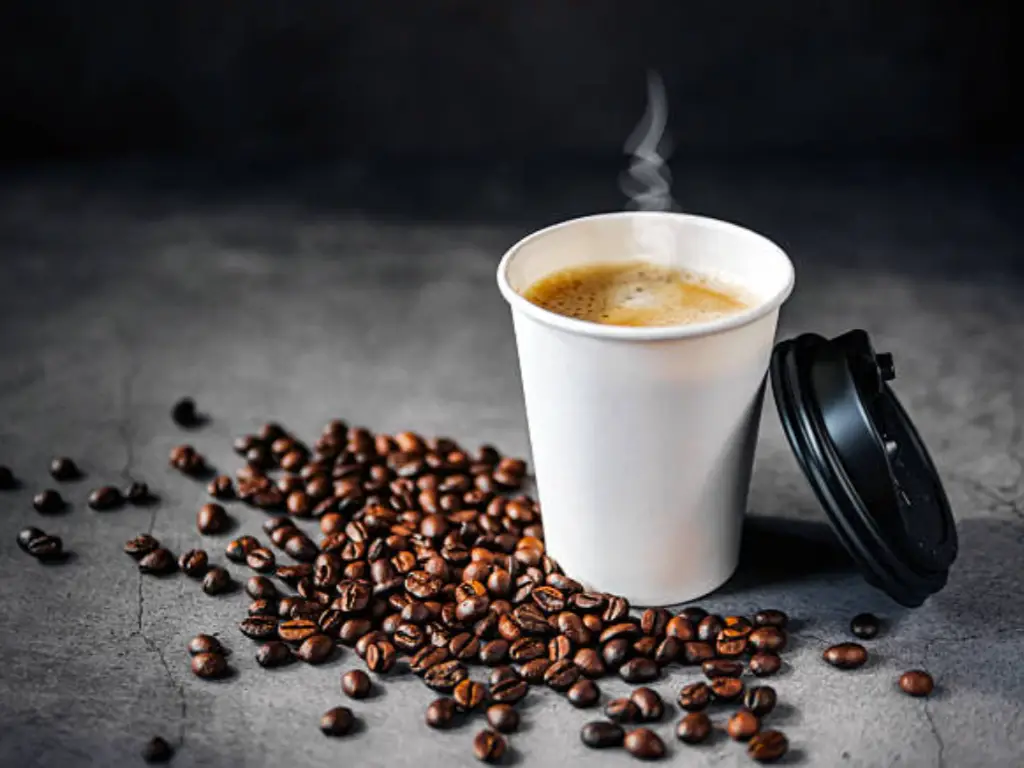
여러분이 당장 마음에 새겨야 할 핵심 진리는 바로 이것입니다. 성공적인 커피숍의 주된 상품은 커피가 아니라, 바로 효율성과 처리량. 여러분의 생존은 한산한 화요일 오후 2시에 어떤 라떼 아트를 그리느냐에 달려 있지 않습니다. 여러분의 생존은 전적으로 ‘골든 아워’—보통 오전 7시 30분부터 9시 30분까지의 출근 시간대—동안 바의 절대적인 처리 능력에 의해 좌우됩니다. 이 두 시간 동안, 타깃 고객층은 카페인을 듬뿍 섭취한 상태이며, 악명 높을 정도로 참을성이 없고, 정시에 출근하는 데만 온전히 집중하고 있습니다. 이 중요한 시간대에 대량의 주문을 원활하게 처리하고, 추출하고, 포장하고, 전달할 수 없다면, 그 고객들을 영원히 잃게 될 것입니다. 냉정한 현실은 커피숍을 여는 일이 장인 정신으로 위장된 ‘물량 게임’이라는 점입니다. 이 게임에서 승리하려면, 최첨단 제조 라인의 정밀도로 운영해야 합니다.
2단계: 탄탄한 사업 계획 및 컨셉 수립
“맛있는 커피를 제공하겠다”는 막연한 열망은 사업 계획이 아니라 취미에 불과합니다. 투자자를 설득하고, 상업은행 대출을 확보하며, 무엇보다도 자신에게 명확한 운영 로드맵을 제시하기 위해서는 매장의 정체성을 구체적으로 정의해야 합니다. 매장 규모, 구매할 장비, 조달할 포장재 등은 모두 이 기초적인 개념에서 비롯될 것입니다.
일반적으로 독립 커피숍은 두 가지 뚜렷한 사업 모델로 나뉩니다. 그중 하나를 선택하고, 그 모델에 맞춰 철저히 최적화해야 합니다. 제한된 예산으로 두 가지 모델을 모두 추구하려다 보면 대개 비효율적인 혼합 형태가 되어 자금이 계속 새어나가게 됩니다.
| 전략적 차원 | 그랩 앤 고 (통근자 중심) | 앉아서 쉬는 공간 (커뮤니티/제3의 공간) |
|---|---|---|
| 필요한 면적 | 최소 규모 (300~800 제곱피트). 임대료가 저렴합니다. | 넓은 면적(1,200+ sq ft). 높은 임대료 및 인테리어 공사비. |
| 핵심 수익 창출 동력 | 대량 거래 처리 속도, 충동 구매. | 높은 식사 비용, 장기 체류, 음식 페어링. |
| 운영 생명선 | 깨지지 않는 테이크아웃 용기, 신속한 POS. | 무자비한 테이블 회전율, 분위기 관리. |
| 평균 구매 금액 | $5.00 – $8.00 | $12.00 – $20.00+ |
이 매트릭스를 분석하면 전략적 과제가 명료해집니다. ‘그랩 앤 고(Grab-and-Go)’ 모델을 선택한다면, 바의 주문 처리 속도와 일회용 포장재의 신뢰성이 절대적인 생명선이 됩니다. 이 모델에서 컵에서 커피가 새는 것은 치명적인 브랜드 실수입니다. ‘Sit-Down’ 모델을 선택한다면, 경쟁의 초점은 평방피트당 매출 극대화로 옮겨갑니다. 고객이 $4 드립 커피 한 잔만 주문하고 노트북을 들고 테이블에 4시간 동안 머무른다면, 이는 사실상 고객의 원격 근무 공간을 보조해 주는 것이나 다름없으며, 결국 귀사의 파산을 자초하는 것입니다. 단 한 푼도 지출하기 전에 사업 계획서를 통해 운영 모델을 명확히 정해야 합니다.
3단계: 카운터 뒤에 숨겨진 진정한 비용과 손익분기점 계산
이는 계획 단계에서 여러분이 헤쳐나가야 할 가장 험난한 고비입니다. 재정적 불안은 모든 신생 기업가에게 끊임없이 따라다니는 동반자입니다. 이러한 두려움을 해소할 수 있는 유일한 방법은 공격적이고, 비관적이며, 세세한 부분까지 꼼꼼히 따져보는 재무 모델링을 수행하는 것입니다. 자본을 “죽은 돈”(매몰 비용)과 “살아있는 돈”(운전자본 및 마진)이라는 두 가지 명확한 범주로 구분해야 합니다.
매몰 비용과 운전 자본의 산정
가상의 $100,000 초기 예산을 냉철하게 분석해 봅시다. 초보 업주들은 종종 예산의 60% 이상을 미적 인테리어 디자인—맞춤형 네온 사인, 수입된 재생 목재 테이블, 고급 가죽 좌석 등—에 할당하곤 합니다. 이는 치명적인 실수입니다. 에스프레소 머신이 고장 났을 때 미적 요소는 현금 흐름을 창출해 주지 않습니다. 다음은 숨겨져 있고 화려하지 않은 인프라 비용으로 인해 초기 자본이 실제로 어떻게 소모되는지 보여주는 예입니다:
- 상업용 인프라 개선 ($15,000 – $25,000): 아름답게 꾸며진 임대 공간에는 다중 보일러 방식의 상업용 에스프레소 머신을 가동하는 데 필요한 필수적인 3상 전원이 부족할 가능성이 높습니다. 게다가 상업용 등급의 정수 시스템도 필요합니다. 수돗물을 사용하면 6개월도 채 되지 않아 $15,000 에스프레소 머신에 물때가 쌓여 고장이 날 뿐만 아니라, 고가의 원두가 지닌 추출 풍미까지 망치게 될 것입니다.
- 배관 및 기름 분리기 ($10,000 – $15,000): 보건 당국은 특정 규격의 바닥형 세면대, 손 씻기 시설 및 상업용 기름 분리기의 설치를 의무화하고 있습니다. 새로운 배관 라인을 설치하기 위해 콘크리트를 파내는 작업은 비용이 엄청나게 많이 듭니다.
- “만지지 마세요” 런웨이 기금 ($30,000): 이 항목이 가장 중요합니다. 최소 6개월 치의 운영비(임대료, 인건비, 재고비)를 순수 유동성으로 확보해 두어야 합니다. 매출이 저조한 시기에 사업을 시작한다면, 고객 기반을 다지는 동안 퇴거를 막아줄 수 있는 유일한 버팀목은 바로 이 자금 여력입니다.
만약 자본을 모두 ‘인스타그램에 올리기 좋은’ 매장 인테리어에 쏟아부어 두 번째 달에 우유, 커피 원두, 종이컵을 살 여력이 전혀 없다면, 페인트가 마르기도 전에 사업 자체는 이미 끝난 것이나 다름없습니다.
메뉴 뒤에 숨겨진 이익 마진
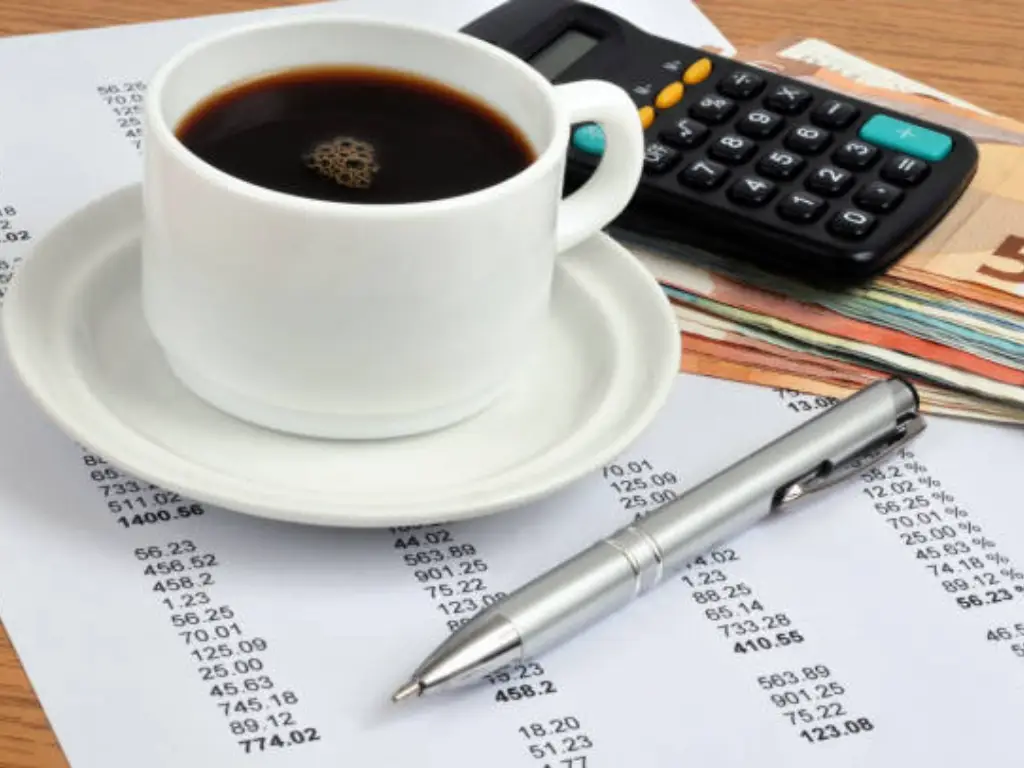
“물은 공짜고 원두는 싸니까” 커피를 파는 것이 돈을 찍어내는 것과 같다는 위험한 착각이 있습니다. 생존하려면 엄격한 매출원가(COGS) 업계 기준을 준수해야 합니다. 음료의 매출원가는 15%에서 20% 사이를 유지해야 하며, 음식의 매출원가는 25%에서 30%로 제한되어야 합니다. 그 이유를 이해하려면 ‘한 잔당 이익 폭포’라는 냉혹한 현실을 살펴봐야 합니다.
손익분기점 워터폴 공식 ($4.00 아메리카노)
다음은 일반적인 12온스 테이크아웃 아메리카노의 성분을 세밀하게 분석한 내용입니다:
- + $4.00 (고객이 지불한 소매 가격)
- – $0.80 (주요 원가 항목: 로스팅된 원두, 정수, 이중벽 종이컵, 밀폐형 뚜껑, 컵 슬리브)
- – $1.50 (상각된 직접 인건비: 바리스타의 시급을 시간당 판매 컵 수로 나눈 값)
- – $1.00 (상각된 간접비: 임대료, 전기료, POS 소프트웨어, 보험료)
- = $0.70 (실질 순이익)
이 냉혹한 수치는 끔찍한 진실을 드러냅니다. 바로 한 잔당 70센트밖에 벌지 못하고 있다는 사실입니다. 이것이 바로 엄격한 재고 관리가 사활을 좌우하는 문제인 이유입니다. 또한 크로스셀링이 필수적인 이유도 증명해 줍니다. 직원들이 아메리카노와 함께 마진이 높은 $5 페이스트리(준비 시간이 전혀 들지 않고 원가가 $1.25인)를 업셀링하도록 교육할 수 있다면, 단 한 번의 거래로 순이익을 즉시 4배로 늘릴 수 있습니다. 메뉴는 시식용 플레이트가 아니라 수학적 방정식입니다.
4단계: 적합한 입지 선정 및 유동인구 분석
일반적인 부동산 조언은 “입지, 입지, 입지”를 강조하지만, 커피숍의 경우 평가 기준은 훨씬 더 세분화되어 있습니다. 여러분이 찾아야 할 것은 통근자 유동량 및 포착률. 아마추어는 붐비는 거리를 보고 달러 기호만 눈에 들어온다. 전문가는 보행자의 생체역학과 교통 마찰을 분석한다.
아침 출근 시간대(오전 7:00~9:00)에 후보지 밖에서 직접 서서 보행자 통행량을 집계해야 합니다. 무엇보다도, 다음 개념을 반드시 이해해야 합니다. Capture Rate. In the specialty coffee industry, an excellent capture rate is merely 1% to 2%. If 1,000 commuters walk past your door, you can reasonably expect to convert 10 to 20 of them into paying customers.
Furthermore, the physical side of the street is paramount. Consider two available spaces. Space A is cheaper but located on the "going home" side of a major commuter artery, obscured by a street median preventing left turns. Space B is 30% more expensive in rent, but sits directly on the "going to work" side of the street, immediately past a subway exit, with a highly visible, easy-pull-in parking zone. Space A is a guaranteed death sentence. Space B's higher rent is entirely offset by its frictionless accessibility. You are not paying for square footage; you are paying to remove every conceivable physical obstacle between a sleepy commuter and their morning caffeine.
Step 5: Crafting an Efficient Bar Flow and Floor Plan
A fatal chronological error many first-time owners make is applying for health department permits or ordering expensive equipment before they have finalized a microscopic floor plan. In reality, city municipalities require a highly detailed schematic—including plumbing, electrical drops, and your exact bar layout—before they will even process your application. You must design the flow before you build the walls.
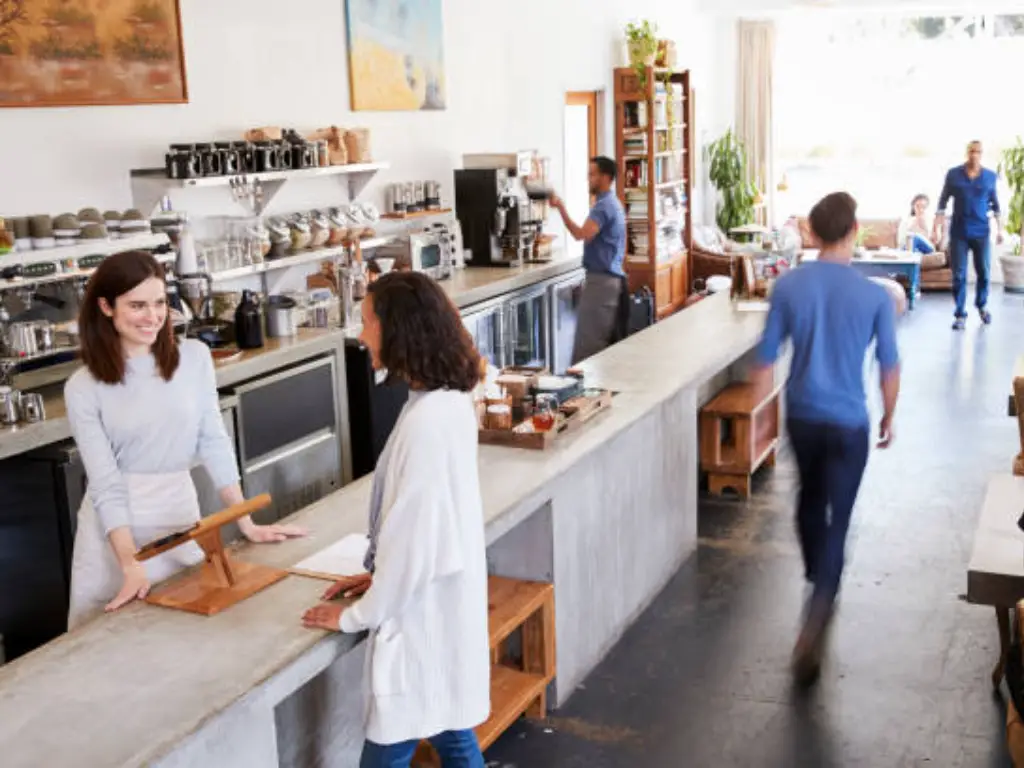
The interior architecture of your bar must be dictated by the "Golden Triangle" of coffee flow: POS (Point of Sale) to Espresso Machine/Grinder to Handoff/Packaging area. This flow must be strictly linear. Baristas should never have to cross paths or turn their backs to the customer queue.
Consider the devastating mathematics of poor spatial design: Imagine your under-counter ice bin is located just two steps away from the espresso machine. Every time a barista makes an iced latte, they must turn around, take two steps, scoop ice, and take two steps back. If your shop serves 300 iced beverages a day, those extra four steps equate to the barista walking an unnecessary extra mile during their shift. More importantly, it adds roughly 10 seconds of dead time per drink. In the heat of the morning rush, those accumulated seconds translate into a line out the door, frustrated customers, and abandoned orders. Your floor plan is the invisible software that runs your staff's physical efficiency.
Step 6: Strategic Equipment, Tech Stack, and Sourcing
With your physical space and flow mapped out, you must now arm your bar with the three core assets that dictate your throughput: your hardware (machinery), your digital engine (software), and your consumables (packaging). These are not areas where you can afford to cut corners; they are the engines of your cash flow.
Core Machinery Sizing for Peak Hours
When purchasing an espresso machine, you are not buying an aesthetic centerpiece; you are buying thermal stability and volumetric output. It is tempting to save thousands of dollars by purchasing a sleek, single-boiler or low-capacity heat-exchange (HX) commercial machine. This is a fatal miscalculation rooted in a lack of thermodynamic understanding.
In a real-world commercial environment, if you attempt to pull shots and steam milk simultaneously on a single-boiler system for a continuous line of customers, you will hit a physical wall. After producing just 10 to 15 milk-based drinks back-to-back (roughly 15-20 minutes into your morning rush), the machine will suffer catastrophic temperature drops and vapor pressure depletion. Your extraction will turn sour, and your milk steaming will grind to a halt while the boiler desperately tries to recover. You absolutely must invest in a robust Multi-Boiler (Dual Boiler) system equipped with high-wattage heating elements and dedicated PID temperature controllers. A machine that stalls during the 8:00 AM rush doesn't just cost you immediate revenue; it permanently destroys the Lifetime Value (LTV) of every commuter forced to wait in a stagnant line.
The Digital Engine: POS & KDS Systems
A shop equipped with a $20,000 multi-boiler espresso machine, perfectly engineered floor plans, and elite baristas will still paralyze its own operations if it relies on a sluggish, legacy cash register. The bottleneck simply shifts from the coffee machine to the transaction terminal.
Modern coffee shops require a cloud-based Point of Sale (POS) system integrated directly with a Kitchen Display System (KDS). A KDS replaces easily lost, hard-to-read paper receipt tickets with a digital screen mounted above the espresso machine. This allows the barista to see orders the microsecond the payment is approved, color-coding them by wait time. Furthermore, your Tech Stack must support seamless mobile order-ahead functionality, allowing regulars to bypass the physical line entirely. Throughput is maximized when the transaction is separated from the production.
The Overlooked Economics of Coffee Cups and Packaging
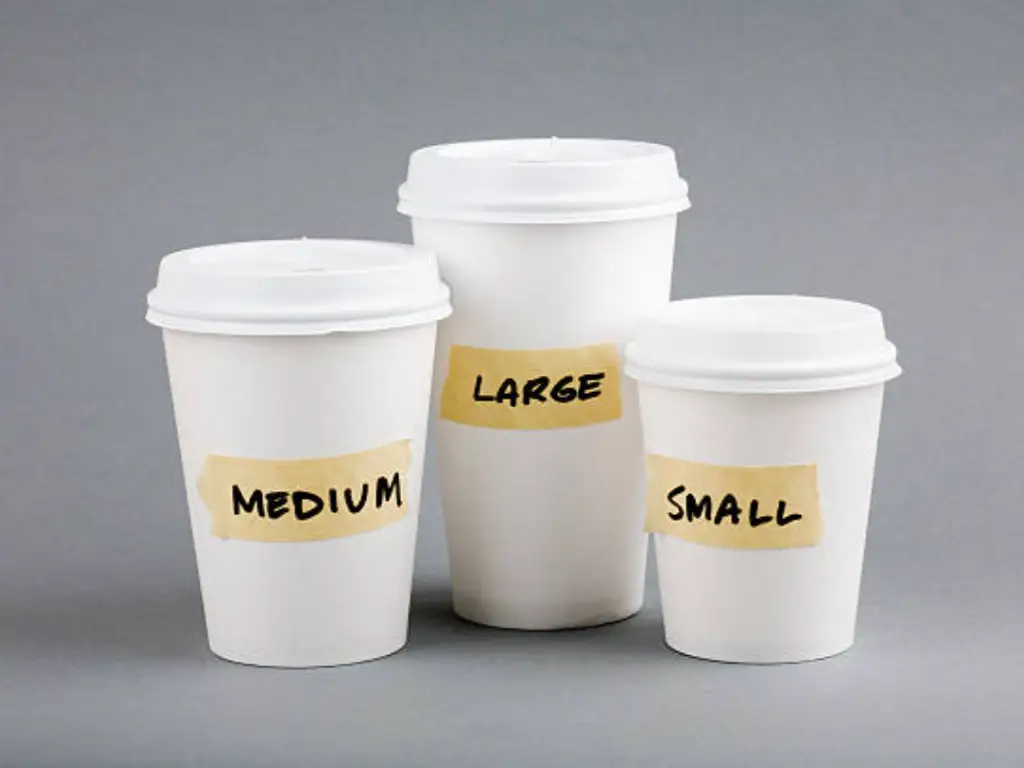
While owners obsess over coffee beans and machinery, they frequently neglect the most critical physical touchpoint of the entire customer experience: the disposable packaging. The paper cup is not just a container; it is the ultimate defender of your customer retention rate and the final arbiter of your brand quality. While carefully selecting the appropriate coffee cup sizes for your menu is a foundational step, the physical engineering of the cup itself is what truly dictates your daily operational success. Beyond just volume capacity, there are three hidden survival metrics when sourcing packaging that you ignore at your own peril:
- Lid Fitment and the Spillage Disaster: A poorly manufactured cup with a loose lid fitment is the number one cause of delivery refunds and negative Yelp reviews. Top-tier independent cafes mitigate this by sourcing from the same high-caliber manufacturers used by global giants. By partnering with a source factory that has experience supplying conglomerates like Tim Hortons, Burger King, or ILLY (such as Yoonpak), independent shops can leverage institutional-grade quality control. These tier-one manufacturers utilize rigid "zero-defect" protocols, conducting hourly structural leak tests. If a defect is found, the entire batch since the last successful test is scrapped. Adopting this enterprise-level reliability is the only way to safeguard your brand from commuter rage caused by a coffee-stained white shirt.
- Regulatory Compliance and Thermal Protection: You cannot simply buy standard PE (Polyethylene) lined single-wall cups anymore. With aggressive Plastic Bans sweeping across Europe and North America, utilizing non-compliant packaging will result in devastating municipal fines. Your supply chain must be agile enough to pivot to Double-Wall construction for superior thermal retention (eliminating the need for clumsy sleeves) and offer 100% plastic-free Aqueous Coating or compostable PLA linings, fully certified by FDA, LFGB, and FSC standards.
- The MOQ (Minimum Order Quantity) Death Trap: Custom branding is essential, but predatory packaging suppliers demand MOQs of 250,000 units, holding your crucial operating cash hostage in a warehouse. Smart operators bypass middlemen and work directly with flexible manufacturing powerhouses. A supplier like Yoonpak protects your cash flow by offering highly elastic MOQs (custom printing for as low as 10,000 units, provided freight is covered), complete with free 24-hour digital proofing. This allows you to deploy your capital toward marketing and payroll, not a mountain of cardboard.
Step 7: Navigating Permits, Licenses, and Legal Checklists
With your equipment sourced and your floor plan drafted, you must confront the bureaucratic labyrinth of municipal licensing. Do not underestimate the time this will consume; permit delays are the leading cause of blown budgets due to paying "dead rent" on an unopened space.
You will need to systematically acquire the following: a Business License, an Employer Identification Number (EIN), a Certificate of Occupancy, and Signage Permits. However, the absolute final boss of this stage is the Health Department and building code compliance.
The two most lethal traps for newcomers are the Grease Trap (Interceptor) 그리고 HVAC/Ventilation system. Eighty percent of novice owners sign a lease only to discover the municipal code requires a massively upgraded, high-capacity grease trap installed beneath the floor to handle dairy runoff, or a highly specialized ventilation hood if they plan on utilizing any light cooking equipment (like Panini presses or rapid-cook ovens). Failing to verify these requirements before signing a lease can lead to a six-figure construction nightmare.
Step 8: Soft Opening and Long-Term Retention Strategies
If you have survived the build-out, the equipment sourcing, and the city inspectors, you are finally ready to open your doors. Your first instinct will be to throw a massive "Grand Opening" marketing blitz. Resist this urge completely.
You must begin with a "Soft Opening"—a quiet, unadvertised launch for friends, family, and immediate foot traffic. A Soft Opening is a stress test. Your espresso machine will behave differently under continuous load. Your baristas will suddenly forget the POS interface. You will realize your under-counter storage cannot hold enough milk or cups for a two-hour rush. A Soft Opening allows you to break your systems in private and fix them before the public arrives.
Once you are fully operational, your entire strategic focus must shift from customer acquisition to customer retention. According to data from premier hospitality tech platforms like Square and Toast, customers who are enrolled in a digital loyalty program visit a cafe 2.5 times more frequently than non-members, and their average ticket size is 17% higher. Your profitability lives in these recurring visits.
Secure Your Operational Baseline
Do not gamble your $100,000 initial investment on the structural integrity of a cheap paper cup. Before you finalize your supply chain, you must physically verify the thermal and anti-leak performance of your packaging under pressure. Apply today to receive Yoonpak's comprehensive Independent Cafe Packaging Stress-Test Kit (featuring a full range of multi-size, commercial-grade physical samples). Subject them to the most brutal heat and spillage tests on your own bar, completely risk-free, and ensure your morning rush is bulletproof.


 English
  German
  Spanish
  Italian
  Dutch
Dutch  French
  Portuguese
  Russian
  Arabic
  Korean