

샐러드 사업 시작 방법: 아이디어 구상부터 첫 고객 유치까지의 완벽한 가이드
샐러드 사업을 시작하는 것은 일반적인 식당을 여는 것과는 다릅니다. 조리사들과 기름 분리기를 중심으로 주방을 꾸리는 것이 아닙니다. 신선함, 신속함, 그리고 매일 건강하게 식사하는 습관을 바탕으로 브랜드를 구축하는 것입니다. 이는 풀서비스 레스토랑보다는 건강을 중시하는 카페를 운영하는 것에 더 가깝습니다. 손님들이 다시 찾는 이유는 당신을 필요로 해서가 아니라, 당신이 그들의 일상에 자연스럽게 녹아들기 때문입니다.
기회는 분명합니다. 기다림 없이 영양가 있는 식사를 원하는 소비자들의 수요에 힘입어, 건강식 패스트 캐주얼 시장은 2034년까지 상당한 성장세를 보일 것으로 전망됩니다. CHD Expert의 설문조사에 따르면, 유럽에서만 34%의 소비자가 가끔 또는 정기적으로 샐러드 바를 이용하고 있습니다. 문제는 수요가 있는지 여부가 아닙니다. 그 수요를 포착할 적절한 계획이 있는지 여부입니다.
스프레드시트 작업을 시작하기 전에, 어떤 샐러드 사업 모델이 여러분의 비전과 예산에 부합하는지 냉철하게 살펴보세요. 가장 일반적인 네 가지 형식은 다음과 같습니다:
- 오프라인 샐러드 바: 고정된 장소에 식사 공간이 마련되어 있으며, 셀프 서비스 또는 컨베이어 벨트식 운영 방식을 채택한 형태입니다. 창업 비용은 가장 높지만, 수익 잠재력도 가장 큽니다.
- 배달 전용 고스트 키친: 매장 공간은 없고, 우버 이츠(Uber Eats), 도어대시(DoorDash) 및 온라인 직접 주문에 최적화된 중앙 조리 시설만 있습니다. 운영 비용은 낮지만, 수수료 부담은 더 큽니다.
- 정기 구독식 식사 준비 서비스: 헬스장, 사무실, 자택으로 매주 샐러드 박스를 배달해 드립니다. 수익이 예측 가능하지만 물류 업무가 많습니다.
- 농산물 직판장 또는 푸드홀 노점: 가장 간소화된 진입점. 최소한의 시설 구축, 주말에만 영업하며, 건강을 중시하는 고객들과 직접 소통할 수 있다.
자본금, 위험 감수 성향, 생활 방식에 맞는 것을 선택하세요. 언제든지 발전해 나갈 수 있습니다. 많은 성공적인 샐러드 체인점들이 농산물 직판장의 작은 천막 하나로 시작했습니다.
01 샐러드 사업 시작 비용 및 자금 조달
샐러드 사업을 시작하는 데 드는 비용은 대부분의 초보 창업자들이 예상하는 것보다 훨씬 폭이 넓습니다. 간소화된 고스트 키친의 경우 $35,000만으로도 시작할 수 있는 반면, 대도시에 위치한 본격적인 샐러드 바의 경우 $650,000을 훌쩍 넘을 수도 있습니다. 사업 모델별 비용 내역은 다음과 같습니다:
| 비용 항목 | 고스트 키친 | 소규모 패스트 캐주얼 | 완전한 매장 내 식사 |
|---|---|---|---|
| 보증금 + 첫 달 임대료 | $5,000–$25,000 | $15,000–$50,000 | $40,000–$150,000 |
| 시설 확장 및 임차인 시설 개조 | $10,000–$50,000 | $40,000–$120,000 | $80,000–$200,000 |
| 설비 및 냉동 | $10,000–$40,000 | $30,000–$80,000 | $50,000–$150,000 |
| 허가, 면허, 보험 | $1,500–$5,000 | $3,000–$8,000 | $5,000–$20,000 |
| 초기 재고 및 포장 | $3,000–$10,000 | $5,000–$15,000 | $8,000–$25,000 |
| 개장 전 마케팅 및 급여 관리 | $5,000–$25,000 | $15,000–$50,000 | $30,000–$100,000 |
| 총 사거리 | $35,000–$165,000 | $150,000–$350,000 | $400,000–$665,000+ |
이 수치는 미국 대도시권을 기준으로 산출된 것입니다. 소규모 도시나 2차 시장의 경우, 시설 구축 및 임대 비용을 25–40% 정도 절감할 수 있습니다.
창업 첫날부터 모든 자금을 현금으로 마련할 필요는 없습니다. 샐러드 스타트업의 가장 일반적인 자금 조달 방식은 다음과 같습니다:
- 개인 저축과 0% 연이율(APR) 신용카드: 최소한의 번거로움으로 서비스를 신속하게 출시할 수 있는 방법입니다. 프로모션 할부 기간이 적용되는 장비 구매 시 유용합니다.
- SBA 7(a) 소기업 대출: 미국 중소기업청(SBA)이 최대 $5백만까지 대출을 보증합니다. 식품 관련 기업은 일반적으로 $100,000~$350,000을 경쟁력 있는 금리로 대출받습니다. 상세한 사업 계획서가 필요합니다.
- Kickstarter나 GoFundMe를 통한 크라우드펀딩: 지속 가능성이나 건강에 대한 설득력 있는 사명을 가진 지역 사회 중심의 샐러드 브랜드에 효과적입니다. 식품 카테고리의 평균 모금액: $10,000–$30,000.
- 엔젤 투자자 또는 비즈니스 파트너: 식품 업계에서 경력이 있고 확장 가능한 사업 모델을 제시할 수 있는 창업자에게 가장 적합합니다.
자금을 확보했다면, 희망에만 의존하지 않는 재무 전망을 수립하세요. 하루 100~150건의 주문을 처리하고 평균 매출액이 $12인 현실적인 중형 샐러드 바의 경우 다음과 같은 실적을 기대할 수 있습니다:
- 월 매출: 약 $36,000–$54,000
- 식비 (28–35%): 약 $10,000–$19,000
- 노동당 (25–35%): ~$9,000–$19,000
- 임대료 및 입주 현황 (6–12%): 약 $2,200–$6,500
- 순영업이익 (EBITDA 마진 8–20%): 월 약 $2,900–$10,800
대부분의 샐러드 바는 12~18개월 이내에 손익분기점에 도달합니다. 가장 큰 변수는 무엇일까요? 바로 농산물 폐기물입니다. 최고의 운영자들은 체계적인 준비 과정과 재료의 다목적 활용을 통해 부패율을 식재료 비용의 5% 미만으로 유지합니다. 예를 들어, 세 가지 다른 샐러드 레시피에 각각 별도의 재료를 구매하는 대신, 같은 방울토마토를 모두 활용하는 방식이죠.
가장 큰 변수는 무엇일까요? 폐기물을 발생시키지 마세요. 최고의 운영자들은 교차 활용을 통해 부패율을 5% 미만으로 유지합니다. 즉, 레시피마다 별도의 재료를 구매하는 대신, 같은 방울토마토를 세 가지 레시피에 모두 사용하는 방식입니다.
02 입지, 허가 및 법적 필수 사항
샐러드 가게를 어디에 열지 결정하는 것은 그 어떤 결정보다도 중요합니다. 좋은 입지는 초기 운영상의 실수를 덮어줄 수 있습니다. 반면, 입지가 나쁘면 동네에서 가장 맛있는 샐러드라도 묻혀버릴 것입니다.
특히 샐러드 바의 경우, 쇼핑 지역보다 사무실 밀집 지역과 가까운 위치가 더 유리합니다. 이상적인 고객은 주 5일 점심을 먹으며, 10분 이내에 간편하게 챙겨 먹을 수 있는 음식을 원합니다. 오피스 단지, 코워킹 스페이스 또는 대학 캠퍼스에서 도보로 5분 이내 거리에 있는 입지를 찾아보세요. 토요일 오후가 아니라 화요일 오전 11시 30분의 유동 인구를 확인해 보세요.
법적 측면에서, 개업 전에 반드시 준비해야 할 세 가지 필수 사항은 다음과 같습니다:
- 사업자 등록증 및 식품업 허가증: 신청 기간은 관할 지역에 따라 다릅니다. 목표 개업일 8~12주 전에 이 절차를 시작하십시오. 보건 당국의 심사만 해도 4~8주가 소요될 수 있습니다.
- 식품 취급자 자격증: 식품 취급에 관여하는 모든 직원은 이 자격을 취득해야 합니다. 대부분의 관할 구역에서는 ServSafe 또는 이에 상응하는 교육 과정을 인정합니다.
- 임차인 개보수 지원금이 포함된 상업용 임대차 계약: 이 부분에서는 적극적으로 협상하세요. 경쟁이 치열한 시장의 임대인들은 종종 평방피트당 $30~$80을 인테리어 공사 비용으로 부담해 주는데, 이는 공사비의 절반을 충당할 수 있는 금액입니다.
샐러드 전문점의 주요 장점: 화염, 튀김기, 기름기가 많은 증기가 발생하지 않기 때문에, 화재 안전 규정 및 환기 요건이 기존 식당에 비해 훨씬 간단합니다. 후드 시스템이 적다는 것은 시공 비용이 절감되고 허가 절차가 더 빠르게 진행된다는 것을 의미합니다.
사무실 밀집 지역과의 근접성은 쇼핑 지역과의 근접성보다 언제나 더 중요합니다.
03 장비 및 주방 배치
샐러드 조리실은 따뜻한 음식을 만드는 조리실과는 운영 방식이 다릅니다. 투자 자금은 조리 기기가 아닌 냉장 설비에 집중되어야 합니다. 핵심 설비 구성은 다음과 같습니다:
- 냉장 조리대 ($2,000–$6,000): 주 작업대입니다. 조리 과정에서 다진 재료를 안전한 온도로 유지해 줍니다.
- 샐러드 진열대 또는 냉장 진열대 ($800–$5,000): 셀프 서비스 또는 조립 라인 방식에 적합합니다. 위생 규정 준수를 위해서는 NSF 인증을 받은 장비를 반드시 사용해야 합니다.
- 상업용 냉장고 및 냉동고 ($2,000–$8,000): 워크인 냉장고는 처리량이 많은 경우에 적합합니다. 리치인 냉장고는 규모가 작은 사업장에 적합합니다.
- 푸드 프로세서 또는 채소 슬라이서 ($500–$3,000): 손으로 다지는 것에 비해 준비 시간을 60–70% 단축합니다.
- 스테인리스 스틸 작업대: 중고로 사세요. 수명이 매우 길고, 감가상각이 기능에 영향을 미치지 않습니다.
주방 레이아웃을 설계할 때 식자재가 한 방향으로 이동하도록 하십시오: 입고 → 세척 → 다지기 → 냉장 보관 → 조리 라인 → 고객에게 전달. 되돌아가는 경로나 교차 이동이 없어야 합니다. 이러한 직선형 흐름은 이동 시간을 단축하고, 온도 관리 문제를 방지하며, 위생 점검 시 청결 상태를 유지하는 데 도움이 됩니다.
고효율 샐러드 조리실은 한 가지 원칙에 따라 운영됩니다. 바로 식재료가 앞으로만 이동하고, 절대 뒤로 돌아가지 않는다는 것입니다.
04 메뉴 구성 및 식재료 조달
수익성이 가장 높은 샐러드 메뉴들은 몇 가지 시그니처 볼 메뉴를 중심으로 한 모듈식 ‘나만의 샐러드 만들기’ 시스템이라는 공통된 구조를 가지고 있습니다. 이러한 구조는 재고 관리를 용이하게 하면서도 고객에게 무한한 선택의 폭을 느낄 수 있게 해줍니다. 대부분의 매장은 메뉴 전반에 걸쳐 순환하여 사용되는 약 20가지의 핵심 재료를 기반으로 운영됩니다.
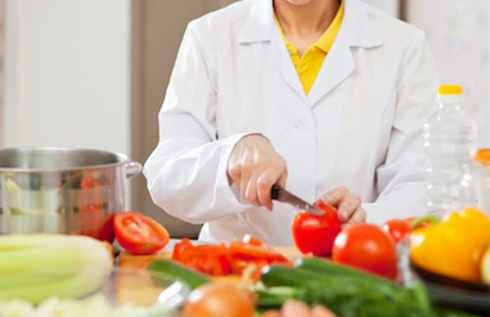
베이스 레이어가 양을 결정합니다. 5~6가지 채소(로메인, 시금치, 루꼴라, 케일, 혼합 샐러드)만으로도 수요의 90%를 충족시킬 수 있습니다. 단백질은 주문 금액을 좌우합니다. 구운 닭고기, 두부, 병아리콩, 삶은 달걀, 참치는 성공적인 샐러드 바라면 빠지지 않는 필수 메뉴입니다. 구운 채소부터 견과류와 씨앗에 이르기까지 10~15가지 토핑은 고객이 좋아하는 맞춤형 경험을 선사합니다. 드레싱은 고객 충성도를 높이는 핵심 요소입니다. 직접 만든 드레싱은 $0.15–$0.30(1인분당)의 비용이 드는 반면, 시판 제품은 $0.40–$0.80이 들며, 경쟁사가 정확히 복제하기는 거의 불가능합니다.
가격 책정에 관하여: 기본 가격에 단백질 추가 요금을 더하는 방식이 품목당 일률적인 가격 책정 방식보다 일관되게 더 좋은 성과를 낸다. 기본 가격이 $9.50인 메뉴에 닭고기를 추가하면 $12.50이 되는데, 이는 샐러드 한 그릇에 일률적으로 $12.50을 받는 것보다 더 합리적인 선택처럼 느껴진다. 비록 숫자상으로는 똑같더라도 말이다. 심리적 요인은 수학적 요인만큼이나 중요하다.
샐러드 가게를 처음 운영하는 많은 사람들이 재료 조달에 어려움을 겪습니다. 공급망을 건전하게 유지하기 위한 세 가지 원칙은 다음과 같습니다:
- 단 한 곳의 농산물 공급업체에만 의존해서는 안 됩니다. 최소 2~3곳의 공급업체와 관계를 유지하세요. 지역 농산물 직판장의 도매상, Sysco나 US Foods와 같은 종합 유통업체, 그리고 농산물 전문 업체가 그 예입니다. 로메인 상추 재고가 부족해질 때(분명 그럴 테니) 대비할 수 있습니다.
- 종합 유통업체를 통해 상온 보관이 가능한 상품을 대량으로 구매하세요 (곡물, 견과류, 통조림)을 구입하고 신선한 채소는 지역산으로 선택하세요. 이렇게 하면 가격과 품질의 균형을 맞출 수 있습니다.
- 서면으로 작성된 점검 목록에 따라 모든 배송 물품을 점검하십시오: 온도(채소는 34–38°F의 상태로 도착해야 함), 색상(가장자리가 누렇게 변하지 않아야 함), 식감(아삭하고 축축하지 않아야 함), 냄새(신선해야 하며, 절대 신 냄새가 나지 않아야 함). 기준에 미달하는 제품은 모두 반품하십시오. 여러분의 평판은 특정 공급업체의 기분보다 훨씬 더 중요합니다.
05 Packaging Matters: Containers That Keep Salads Fresh and On-Brand
Packaging is the most overlooked strategic decision in the salad business, and it shouldn’t be. Your container is the only brand touchpoint that reaches every single customer. It does three jobs at once: keeps food fresh during transport, presents it beautifully when opened, and carries your brand into the world.
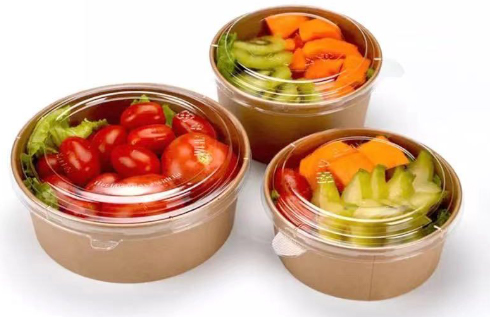
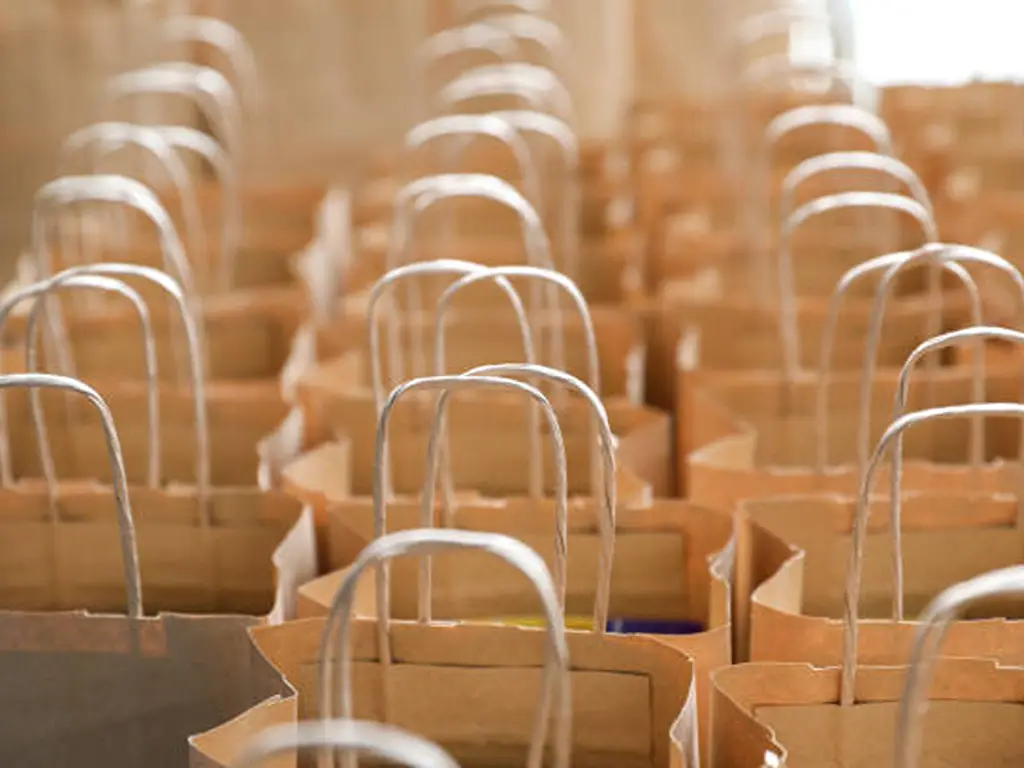
Choosing the right container starts with your business model. A dine-in salad bar can prioritize cost and compostability with simple kraft paper bowls. A delivery-focused operation needs leak-proof lids, grease-resistant walls, and stackable designs that survive 20 minutes in a driver’s insulated bag. A subscription meal-prep service needs compartmentalized containers that keep wet and dry ingredients separated until the customer is ready to eat.
Material choice drives both performance and perception. Kraft paper bowls with a PLA (polylactic acid) coating — derived from corn starch, not petroleum — offer a commercially compostable option that aligns with the values health-conscious customers expect from a salad brand. Standard PE-coated paper is more economical but lacks the sustainability story. Sugarcane bagasse bowls provide another plant-based alternative with excellent heat tolerance. For cold salads and smoothie bowls, clear PLA cups let the product’s visual appeal do the marketing.
Your packaging is also your most cost-effective advertising channel. Custom-printed containers with your logo turn every takeout order into a walking billboard. Sweetgreen built much of its early brand recognition on the strength of its distinctive salad boxes. Customers photographed the containers before they photographed the food. The barrier to entry is lower than most new owners assume: many food packaging manufacturers offer custom printing with minimum order quantities starting at 50,000 pieces, and some suppliers can accommodate runs as low as 10,000 for brands willing to cover freight costs. A typical supplier provides a digital proof within one business day and ships physical samples within 48 hours, so you can test your branded packaging before committing to a full production run.
Sustainability is no longer optional for salad brands. Your customers chose a salad over a burger partly because they care about what goes into their body and what happens to the planet. Serving that salad in a petroleum-based plastic container that will outlive their grandchildren breaks the brand promise. Look for packaging certified by recognized standards: BPI certification for compostability, FSC certification for responsibly sourced paper fiber, and FDA or LFGB compliance for food contact safety. Eco-friendly packaging typically adds 15–25% to your per-unit container cost, and for most salad brands, that premium pays for itself in customer trust and repeat business.
Every container that leaves your kitchen either builds your reputation or erodes it. Choose materials that reflect your commitment to quality and sustainability — your customers will notice.
06 Marketing Your Salad Business
A great salad won’t sell itself, but the marketing playbook for salad brands is more accessible than you might think. Your biggest asset: the product is naturally photogenic.
Start with the essential digital trio before you even open your doors:
- Google Business Profile: Non-negotiable. A fully optimized profile with real photos, accurate hours, and an ordering link can drive 35%+ more local search visibility than an unclaimed listing. Start posting behind-the-scenes content during your buildout to build anticipation.
- Instagram: Salad is the most Instagrammable food category. Every bowl you make is content: vibrant colors, varied textures, overhead shots that stop thumbs mid-scroll. Post 3–5 times per week and tag your location. Your first 500 followers will likely become your first 50 regulars.
- A simple ordering website: You don’t need a custom app. A clean one-page site with your menu, prices, order link, and location converts just as well as anything elaborate. Own your ordering channel. Third-party delivery platforms take 15–30% commission, and every order that comes through your own site keeps that margin in your pocket.
Offline, the highest-ROI tactic for new salad businesses is corporate catering partnerships. Walk into nearby office buildings with sample boxes and a catering menu. One 30-person lunch order at $14 per person is $420. That’s roughly 35 individual walk-in customers, but with zero marketing cost and predictable scheduling. Gym partnerships work the same way: offer a 10% discount to members of the yoga studio or CrossFit box down the street, and you’ve just accessed a concentrated pool of your exact target customer.
one 30-person corporate lunch order = 35 walk-in customers with zero acquisition cost
07 Your First 90 Days: Launch, Learn, and Optimize
The salad business you open on day one is not the salad business you’ll be running on day 90. That’s exactly how it should be. The best operators treat the first three months as a live laboratory.
Pre-launch (30 days out): Your countdown checklist: permits in hand → equipment installed and tested → suppliers confirmed with first delivery dates → staff trained on assembly line speed and food safety → soft opening with friends and family. This is your dress rehearsal. Charge half price, collect honest feedback, and fix everything that breaks.
Month one metrics that actually matter: Track daily covers (transactions), average ticket size, food cost percentage, and Google review score. A healthy first month looks like: 60–80 covers per day on weekdays, a $10–$14 average ticket, food costs under 35% (they’ll start higher; aim to improve weekly), and a Google rating above 4.3 stars. If your rating dips below 4.0, stop everything and fix the issue. Early reviews carry outsized weight on your long-term reputation.
Days 31–90 — the optimization loop: Review your menu weekly. Which salads are selling 2:1 over others? Which ingredients are spoiling before they’re used? Cut the bottom two performers, double down on the top three. Adjust your assembly line based on observed bottlenecks. If protein placement is slowing the line, move it to the last station so customers finalize their base before choosing add-ons. Test one new marketing channel every two weeks. By day 90, you should see daily covers climbing 15–25% month-over-month, food costs settling below 32%, and a core group of customers who come in twice a week and know your staff by name.
The salad businesses that survive past year three aren’t the ones with the best recipes. They’re the ones whose owners treated the first 90 days as a feedback loop rather than a victory lap: watching the numbers, listening to customers, and making small, constant improvements until the operation hums.
- 60–80 daily covers on weekdays
- $10–$14 average ticket
- Food cost under 35%
- Google rating above 4.3 stars
Get free-printed samples and a tailored quote for salad boxes, bowls, and eco-friendly containers — with your logo, your design, delivered in weeks.
참고 문헌
- CHD Expert. “European Salad Bar Consumer Survey.” Referenced via Innovorder, 2026. innovorder.com
- U.S. Small Business Administration. “7(a) Loan Program.” sba.gov
- YoonPak. “Custom Packaging — Paper Food Containers.” 길
- YoonPak. “Home — Sustainable Paper Food Packaging Manufacturer.” 길


 English
  German
  Spanish
  Italian
  Dutch
Dutch  French
  Portuguese
  Russian
  Arabic
  Korean