

Inleiding
Zodra brood uit de oven komt, begint het zijn zachte en luchtige kruim te veranderen in een droog en onsmakelijk brood. Voor iedereen die de kwaliteit van zijn/haar brood belangrijk vindt, is het bewaren van brood een strijd tegen vochtverlies en chemische veroudering. De discussie valt meestal uiteen in twee kampen: de traditionele brooddoos en de veelzijdige broodzak. Hoewel ze allebei beweren de houdbaarheid te verlengen, werken ze op basis van verschillende principes van vochtbeheersing en materiaalkunde. In deze discussie worden de effecten van deze twee benaderingen op de integriteit van de korst en het vasthouden van vocht onderzocht, zodat je kunt bepalen welke opslagoplossing het meest geschikt is voor jouw omgeving om de versheid effectief te bevriezen.
De versheidsfactor: Doos vs. Zak Experiment
De belangrijkste en meest fundamentele vraag in dit geval is: welke van de twee methoden is het meest succesvol in het behouden van de meest waardevolle kwaliteiten van een brood? Om dit te helpen beantwoorden, moeten we ons herinneren dat er drie fundamentele factoren zijn die bijdragen aan het bederven van brood. Er moet rekening worden gehouden met vochtverlies, verandering van de zetmeelstructuur en schimmelgroei.
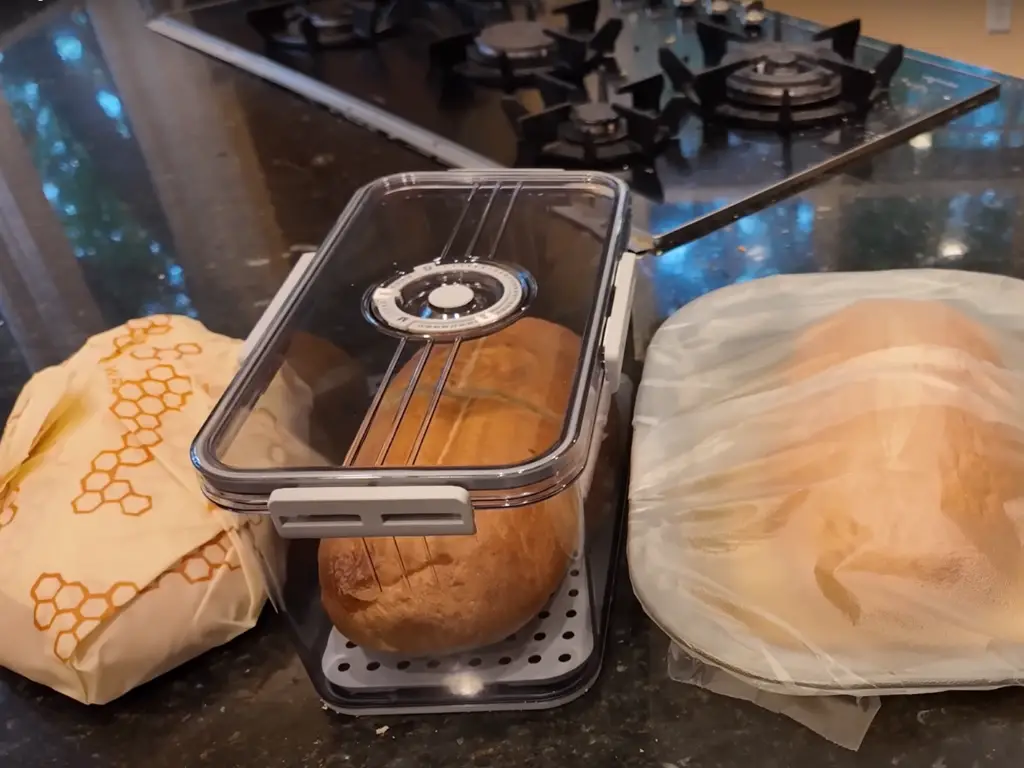
Vocht vasthouden: Welke container wint?
Brood wordt steeds muf door de voortdurende uitdroging van vocht. Wanneer een brood uit de oven wordt gehaald, begint het water in het brood uit te drogen: het verlaat de binnenkant, gaat naar de buitenkant en verdampt dan. Wanneer het uitgedroogd is, wordt het kruim harder en verliest het zijn textuur. Het is cruciaal voor de broodhouder om het belangrijkste ingrediënt, water, te bewaren.
Een goede eigenschap van het ontwerp van een broodtrommel (of brooddoos) is dat het dient als een veel meer gesloten container dan een broodzak. Het helpt om het vocht dat het brood afgeeft op te vangen, waardoor er een plaatselijk microklimaat ontstaat. De toename van vocht in het microklimaat verlaagt de luchtdampdruk en vertraagt de verdampingssnelheid van vocht uit de brooddoos, waardoor het brood langer vocht vasthoudt. Factoren zoals het materiaal van de doos en de sluiting van het deksel zijn echter van invloed op de waterretentie. Losjes gesloten dozen zorgen voor meer luchtuitwisseling, waardoor er meer vocht verloren gaat in vergelijking met een stevig gesloten doos.
Aan de andere kant is de zak waarin een brood wordt geleverd, meestal van stof of plastic, veel minder gecontroleerd. Hoewel het enige weerstand biedt tegen de buitenlucht, is het veel poreuzer dan een brooddoos. Hoewel stoffen zakken ademen, kunnen ze ook veel efficiënter vocht verdampen. Als plastic zakken goed afgesloten zijn, houden ze vocht vast. Dit zorgt echter voor een minder gunstig resultaat, waar we zo op terug zullen komen, en dat is korst die zacht wordt.
Om verder te gaan dan de theorie, hebben we dezelfde sneetjes zuurdesem 7 dagen lang getest in een traditionele brooddoos, een ademende linnen zak en een niet-ademende plastic zak. Op dag 3 wezen de bevindingen op duidelijke vocht- en textuurverschillen. De brooddoos was het meest evenwichtig, met 14 procent meer gewicht aan vocht dan de linnen zak. De linnen zak daarentegen kon beter luchten, maar produceerde een veel stevigere en drogere kruim. De plastic zak hield weliswaar goed al het vocht vast, maar verloor alle korstintegriteit.
De perfecte korst behouden: Doos of zak?
Liefhebbers van ambachtelijk brood besteden evenveel aandacht aan de korst van het brood als aan de binnenkant. De perfecte korst is er een die knapperig is en knapt terwijl de binnenkant zacht blijft. Dit is waar subtiele details met betrekking tot het bewaren extra belangrijk worden. Veel mensen negeren deze factoren wel eens.
Hoewel het waar is dat een afgesloten zak ongetwijfeld effectief is om vocht vast te houden, is het tegelijkertijd effectief om korsten te verpesten. Door het versnipperde vocht wordt de korst gestoomd, waardoor hij zijn gewenste eigenschap om te knappen verliest en in plaats daarvan kleverig of zelfs zompig wordt. Wanneer brood een knapperige korst hoort te hebben, is dit een triest resultaat.
Het ontwerp van de brooddoos zorgt voor een zekere ventilatie, waardoor vochtige lucht kan ontsnappen en de broodkorst niet te zacht wordt. Door ervoor te zorgen dat het oppervlak niet te vochtig wordt, blijft het knapperig. Het deeggedeelte van het brood wordt vochtig gehouden terwijl de korst de kans krijgt om te ademen. Dit type ventilatie wordt gecontroleerd genoemd, en het is noodzakelijk dat er voldoende luchtstroom is om te voorkomen dat het hele brood te droog wordt, terwijl er ook voor wordt gezorgd dat er niet te veel luchtstroom is, waardoor dezelfde problemen ontstaan als bij een plastic zak.
Een stoffen zak maakt het veel gemakkelijker om vocht te laten ontsnappen, wat het gemakkelijker maakt om een korst te behouden in vochtige omgevingen. Dit soort stoffen zijn handig om de korst hard te laten blijven zonder te zacht te worden. Als de omgeving echter erg droog is, is de kans groter dat de korst hard wordt en zijn kauwbare zachtheid verliest.
Bescherming tegen schimmel: Een cruciale factor
Naast het probleem van mufheid en structuurbederf is het verschijnen van schimmel een ander uitdagend probleem bij het bewaren van brood. Schimmelsporen zijn overal, ook in de lucht die we inademen. Als de juiste omstandigheden, warmte en vochtigheid aanwezig zijn, kunnen deze kleine organismen een brood overnemen en het ongeschikt maken voor consumptie en gevaarlijk voor de gezondheid door de mycotoxinen die geproduceerd kunnen worden.
Brooddozen voorkomen overmatige schimmelvorming omdat ze vocht bevatten dat nodig is voor de groei van schimmel. De gecontroleerde omgeving in de doos, plus een beetje verdamping, helpt overmatig vocht te voorkomen. Het belangrijkste is om ervoor te zorgen dat de doos droog is voordat er brood in wordt bewaard. Als de brooddoos niet regelmatig wordt gewassen, kunnen er zich kruimels ophopen die de groei van schimmel bevorderen en uit de hand lopen. Ingesloten schimmel kan ertoe leiden dat brood dat erin wordt bewaard, besmet raakt en last krijgt van schimmel.
Verzegelde plastic zakken illustreren een merkwaardig scenario wat betreft het voorkomen van schimmel. Ze houden heel goed vocht vast, waardoor het brood niet muf wordt. Er wordt echter ook vocht vastgehouden in de zakken, waardoor een warme en vochtige omgeving ontstaat waarin schimmelsporen kunnen ontkiemen en groeien. Als je een brood, vooral als het ook maar een beetje warm is, samen met wat restvocht in een plastic zak stopt, neemt de kans op versnelde schimmelvorming enorm toe.
Doekzakken kunnen helpen het vochtgehalte van het brood te reguleren omdat ze ademend zijn. Als ze echter niet vaak worden schoongemaakt, kunnen deze zakken ook vocht absorberen, waardoor een omgeving ontstaat waarin schimmelsporen kunnen gedijen.
Om een gedetailleerde achtergrond van de versheidsfactor te laten zien, zullen we onze vergelijkingstabel opnieuw bekijken en herzien:
| Functie | Brooddoos | Broodzak (Doek) | Broodzak (Plastic, Verzegeld) |
| Vocht vasthouden | Over het algemeen goed; creëert een vochtig microklimaat dat het vochtverlies uit de kruim vertraagt. | Minder effectief dan een brooddoos; zorgt voor een grotere verdamping van vocht, wat mogelijk leidt tot snellere droging. | Kan zeer effectief vocht vasthouden, wat soms leidt tot een zachtere korst door ingesloten vocht. |
| Knapperigheid korst | Helpt te behouden dankzij gecontroleerde, vaak lichte ventilatie die overmatige vochtophoping op het oppervlak voorkomt. | Kan worden gehandhaafd in omgevingen met een gemiddelde luchtvochtigheid dankzij het ademend vermogen; kan leiden tot een hardere korst in zeer droge omstandigheden. | Leidt vaak tot een aanzienlijke verzachting of zelfs soppigheid van de korst door het vasthouden van vocht dat het oppervlak doet stomen. |
| Schimmelpreventie | Over het algemeen goed als de doos schoon en droog wordt gehouden; gecontroleerde atmosfeer en beperkte directe luchtstroom belemmeren de verspreiding van sporen. | Beter dan verzegeld plastic vanwege het ademende vermogen, waardoor er geen overmatige vochtophoping ontstaat; moet regelmatig worden gewassen om te voorkomen dat er schimmelsporen ontstaan. | Kan het risico op schimmelgroei aanzienlijk verhogen door het creëren van een warme, vochtige omgeving, vooral bij onvoldoende luchtstroom. |
| Algemene versheid | Biedt vaak de beste balans tussen het vasthouden van vocht voor een zachte kruim en een gecontroleerde luchtstroom voor het behoud van de integriteit van de korst. | Het meest geschikt voor kortere bewaarperiodes en voor broden waarbij het behoud van een zeer knapperige korst niet van het grootste belang is. | Het meest geschikt voor opslag op zeer korte termijn wanneer de korststructuur niet van primair belang is, of specifiek voor het invriezen van brood om vriesbrand te voorkomen. |
Materiaal en ontwerp: Hoe ze versheid beïnvloeden
Brooddozen en broodzakken zijn ook effectief voor het bewaren van brood en hun nut hangt sterk af van het materiaal waarvan ze gemaakt zijn en hun ontwerp.
Brooddozen: Van metaal naar hout, Design Insights
Elk materiaal heeft zijn metallurgische voor- en nadelen. Metalen kasten (meestal van roestvrij staal) zijn bijvoorbeeld relatief gemakkelijk schoon te maken en duurzamer. Sommigen geloven dat ze net zo goed externe factoren op afstand kunnen houden. Houten brooddozen geven niet alleen een rustiek gevoel, maar voegen ook charme toe aan de keuken en zorgen voor een zekere mate van isolatie. Er zijn ook brooddozen van keramiek en email, die meestal gewaardeerd worden om hun decoratieve uitstraling. Last but not least staan plastic brooddozen algemeen bekend als de meest kosteneffectieve, hoewel ze waarschijnlijk verschillen in het vasthouden van het vochtgehalte.
Er zijn details die ertoe doen. Sommige brooddozen zijn ontworpen met ventilatiegaten die de luchtcirculatie bevorderen en overmatige vochtophoping voorkomen. Andere hebben nauwsluitende deksels die de lucht beter afsluiten. Een ander aspect van het ontwerp betreft de verhoudingen - een brooddoos moet ruim genoeg zijn om het brood in te doen zonder het te knellen, terwijl er toch een beetje luchtcirculatie rond het brood is.
Broodzakken: Katoen, linnen en daarbuiten
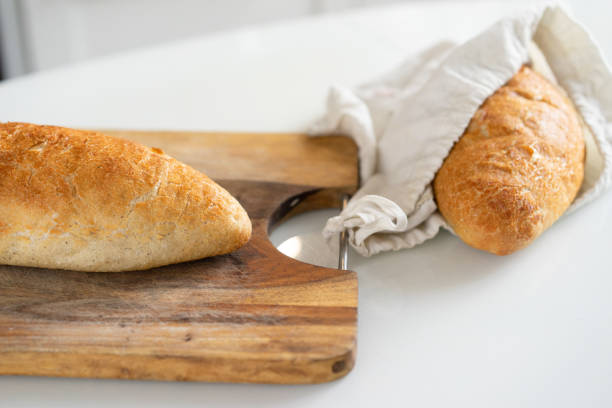
Net als elk ander product zijn ook broodzakken verkrijgbaar in verschillende materialen. De meest gebruikte zijn de katoenen en linnen zakken omdat ze goed ademen en gemaakt zijn van natuurlijke vezels. Bovendien zijn deze zakken vaak herbruikbaar en gemakkelijk te wassen, waardoor ze geweldig zijn voor het milieu. Maar zoals eerder gezegd, is het ademend vermogen niet altijd even gunstig in extreem droge gebieden.
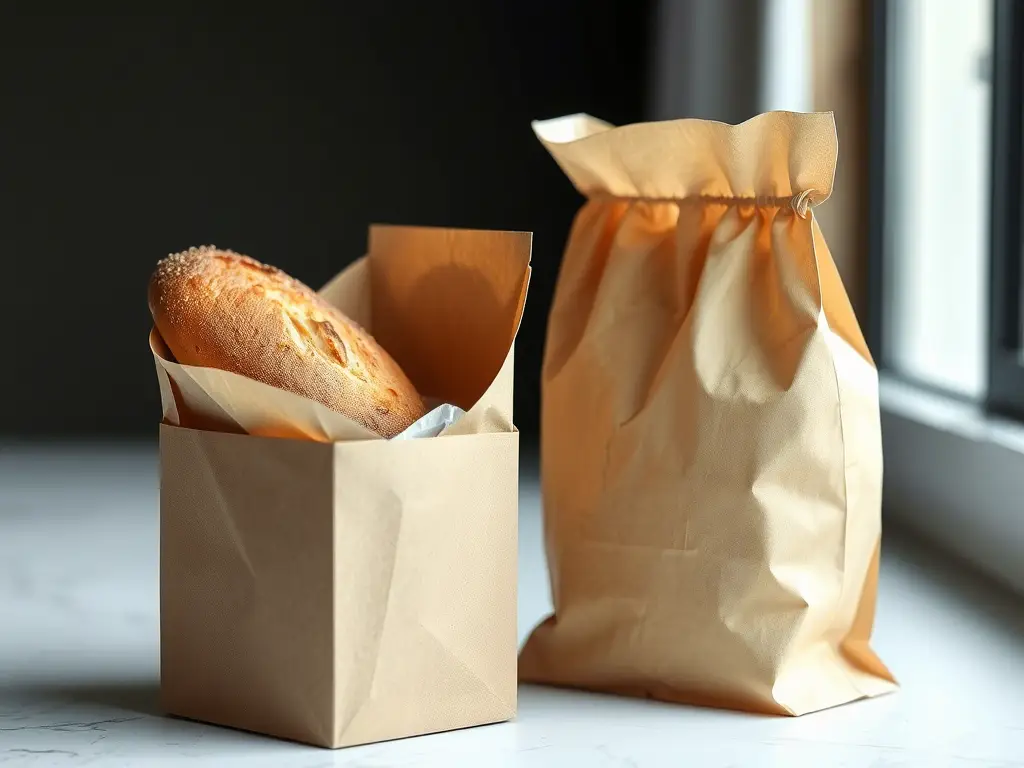
Voor het gemak kiezen bakkerijen vaak uit specifieke soorten papieren zakken die op korte termijn bescherming bieden tegen externe factoren zoals vocht en bacteriën. Hoewel standaard papieren zakken luchtdoorlatend zijn, zijn ze over het algemeen ongeschikt om brood voor langere tijd te bewaren. Hoewel het gemakkelijker is om vocht vast te houden in plastic broodzakken, of het nu de originele verpakking is of een hersluitbare zak, is het moeilijk om zachtheid van de korst en schimmelgroei te beheersen als er niet voor wordt gezorgd. Sommige moderne broodzakken zijn gemaakt van gespecialiseerde materialen die proberen te ontsnappen aan de afweging tussen vocht vasthouden en ademend vermogen.
Voor- en nadelen: brooddoos versus broodzak in een oogopslag
Om je keuze wat makkelijker te maken, geeft de volgende tabel een overzicht van de belangrijkste voor- en nadelen van elke keuze:
| Functie | Brooddoos | Broodzak |
| Voordelen | - Betere vochtretentie (over het algemeen) | - Draagbaarder en lichter |
| - Helpt de knapperigheid van de korst te behouden | - Neemt minder opslagruimte in wanneer niet in gebruik | |
| - Biedt betere bescherming voor delicate broden | - Kan betaalbaarder zijn | |
| - Kan de esthetiek van de keuken verbeteren | - Geschikt voor kortstondig bewaren en invriezen | |
| Nadelen | - Kan groot zijn en ruimte op het aanrecht innemen | - Minder effectief in het langdurig vasthouden van vocht |
| - Over het algemeen duurder | - Beschermt de korst mogelijk minder goed | |
| - Schoonmaken vereist | - Linnen tassen moeten regelmatig gewassen worden | |
| Beste voor | Dagelijks thuisgebruik en ambachtelijke broden. Ideaal voor zuurdesem of knapperige broden waarbij de balans tussen een zachte binnenkant en een knapperige buitenkant belangrijk is. Ideaal voor keukens met een specifiek aanrecht. | Kleine keukens en kortetermijnbehoeften. Perfect voor mensen met beperkte ruimte, om versgebakken brood cadeau te doen of om brood in te vriezen. Het meest geschikt voor zachtere broden of brood dat binnen 1-2 dagen wordt geconsumeerd. |
Voordeel voor Yoonpak: Duurzame papieren broodzakken voor optimale versheid en branding
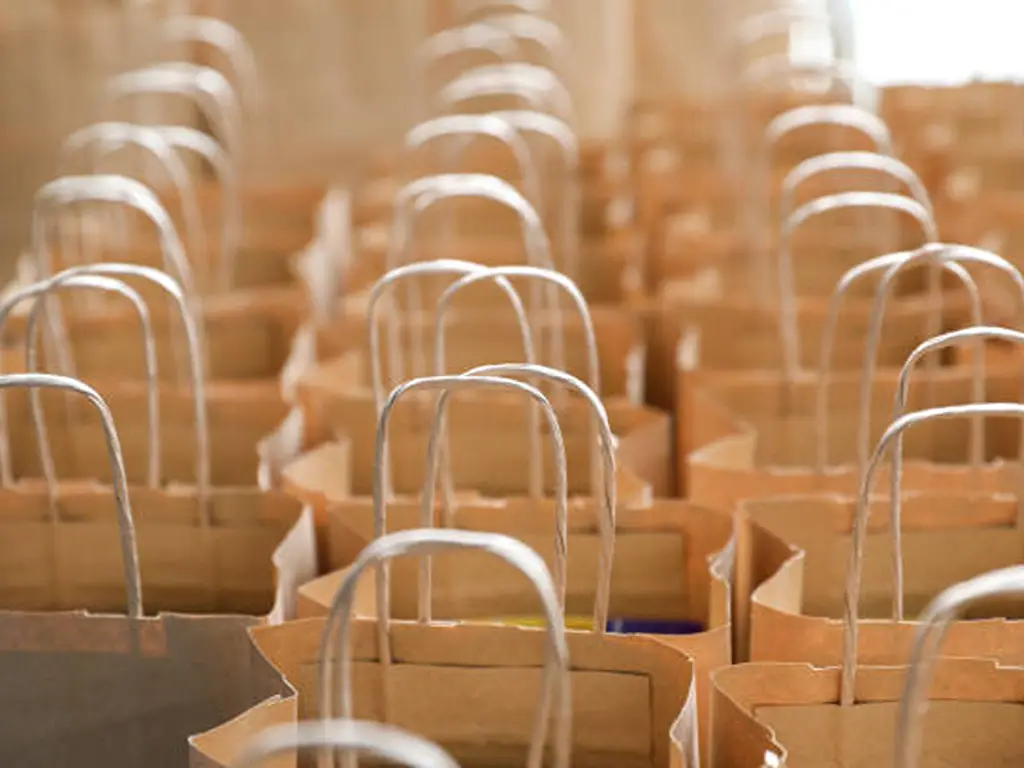
Of je het nu hebt over de structurele veiligheid van een broodtrommel of de handige draagbaarheid van een broodzak, het gaat erom dat je die ovenverse smaak behoudt en je merk promoot. Als een van de toonaangevende fabrikanten van kraftpapier zakkenWe hebben deze balans bij Yoonpak 25 jaar lang geperfectioneerd voor wereldleiders als Burger King en Tim Hortons.
Onze verpakkingsoplossingen zijn de oplossing tussen hoge prestaties en duurzaamheid. Onze zakken en dozen zijn gemaakt van 100% hernieuwbare materialen, zoals PLA en suikerriet op plantaardige basis, hebben 100% lekvrije voeringen en zijn bedrukt met milieuvriendelijke inkten op sojabasis. Onze certificeringen omvatten BRC en FSC, FDA en LFGB, zodat uw verpakking voldoet aan de hoogste normen ter wereld op het gebied van voedselveiligheid.
Naast versheid maken we van je verpakking een mobiele reclame. Met meesterlijk maatwerk wordt uw brood een marketinginstrument dat uw logo uit de bakkerij naar de straat brengt. Met een kwaliteitsgarantie van 1 jaar, 24/7 professionele hulp en gratis monsters biedt Yoonpak de zekerheid waarop u kunt vertrouwen om uw merk net zo vers te maken als het brood dat u bakt.
De juiste opslag voor je broodtype vinden
De truc voor versheid is om de bewaarcondities in overeenstemming te houden met de speciale biologie van je brood.
In het geval van artisanale en zuurdesembroden, die een dikke en knapperige korst hebben, is het de bedoeling om te zorgen voor een goede balans tussen vocht en luchtstroom. De beste optie in dit geval is een ademende papieren zak of een kwalitatieve brooddoos. Deze technieken zorgen voor voldoende gasuitwisseling om de binnenkant vochtig te houden zonder dat de korst te veel vocht absorbeert. Het is verkeerd om deze broden in plastic te bewaren omdat het vocht dan aan de oppervlakte blijft en in korte tijd zal een harde korst veranderen in een rubberachtig en onaantrekkelijk omhulsel.
Een papieren zak of een houten brooddoos is de gouden standaard als het gaat om zelfgebakken brood, hoewel de verpakkingscontainer niet zo belangrijk is als het moment van verpakken. Zelfgemaakte broden zijn erg gevoelig voor condensatie omdat ze geen industriële stabilisatoren bevatten. Je moet het brood minstens twee of drie uur laten afkoelen op een rooster voordat je het inpakt. Als je het zelfs maar een beetje warm inpakt, zal de stoom binnenin een broeikaseffect vormen, wat resulteert in een papperige textuur en de ideale habitat voor schimmel.
In de winkel gekocht gesneden brood doet het daarentegen goed in dezelfde omgeving die ambachtelijke broden vernietigt. Deze broden zijn ontwikkeld met emulgatoren en conserveringsmiddelen die ervoor zorgen dat het zetmeel zacht blijft in een luchtdichte omgeving. De originele plastic verpakking is in feite hun grootste bescherming tegen uitdroging, omdat ze geen beschermende harde korst hebben. De ventilatie die een brooddoos in dit geval biedt, heeft weinig waarde en kan er zelfs voor zorgen dat de sneetjes sneller oud worden. Een koelkast of vriezer is veel efficiënter dan een brooddoos om brood langdurig te bewaren, omdat de lage temperatuur (vriezen) of gesloten omgeving (koelen) wordt gebruikt om het brood te bewaren en de chemie van het brood wordt gebruikt om bederf tegen te gaan.
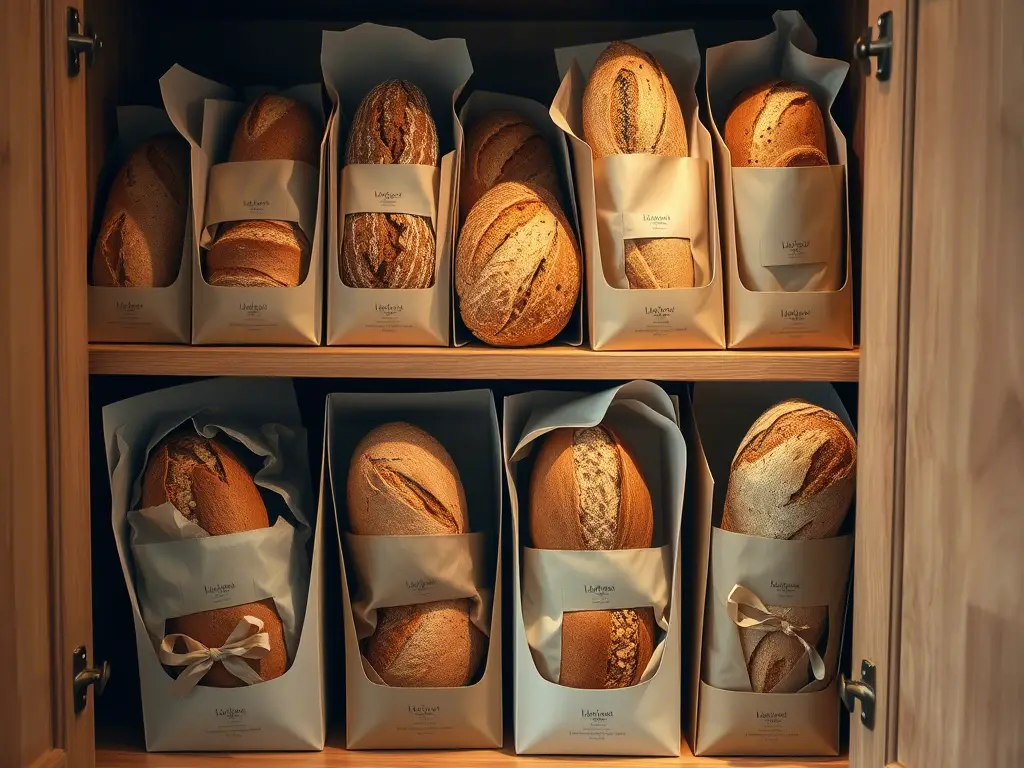
Hoe je lokale klimaat de opslaggame verandert?
De omgeving van je keuken is een belangrijke factor in de prestaties van een brooddoos of een zak. Om teleurstellingen te voorkomen, moet je je opslagplan aanpassen aan de atmosferische omstandigheden in je omgeving.
- Vochtige gebieden: Een broodtrommel kan een blok aan het been zijn in kustgebieden of tijdens de moesson of het regenseizoen. Het kan een broedplaats van schimmels worden zonder de juiste luchtcirculatie. Als je op een vochtige plek bent, zoek dan een broodtrommel met gaten die kunnen worden aangepast aan de ventilatie. In plaats daarvan kan een ademende stoffen zak een betere optie zijn, omdat het vocht zich dan niet rond het brood kan ophopen.
- Droge regio's: Als je in het binnenland bent of als je binnenverwarming gebruikt die vocht uit de lucht haalt, wordt je brood 's nachts een steen. Een brooddoos is in zulke omstandigheden het beste. Een van de trucjes die een grootmoeder in zo'n omgeving praktisch zou gebruiken, is om een halve appel of een klein stokje selderij in de brooddoos te leggen. Het vocht dat het product afgeeft zal geleidelijk worden opgenomen door het brood, en het brood zal 24 tot 48 uur langer meegaan zonder dat er zoveel vocht aan het brood wordt toegevoegd dat het gaat schimmelen.
Hygiënegeheimen: Je opslag schimmelvrij houden
Het is ook belangrijk om de opslagomgeving steriel te houden om ervoor te zorgen dat brood langer houdbaar is, en zelfs de meest effectieve verpakking kan de ontwikkeling van schimmels niet voorkomen als deze een aantal verborgen verontreinigingen bevat. De belangrijkste bron van schimmelsporen zijn oude kruimels, die vocht vasthouden en dienen als voedselbron voor de groei van schimmels. Door ze elke week schoon te maken voorkom je kruisbesmetting van je verse brood.
Verdunde witte azijn wordt gebruikt om je broodtrommel steriel te houden. Dit is een natuurlijk, voedselveilig ontsmettingsmiddel dat effectief is in het doden van sporen zonder agressieve chemische resten of geuren achter te laten die brood gemakkelijk oppikt. De omgeving is steriel als je hem minstens een keer per week even schoonveegt. Als je stoffen zakken gebruikt, was ze dan nooit met een geurend wasmiddel. Brood is erg poreus en zal daarom de bloemige of zeepachtige smaken van het doek gemakkelijk absorberen. Ten slotte moet je ervoor zorgen dat elke zak volledig droog is voordat je hem opnieuw gebruikt, want als er vocht in de vezels achterblijft, is dat een open uitnodiging voor de schimmel om zijn intrek te nemen in je volgende brood.
Meer dan alleen bewaren: Andere tips om brood langer vers te houden
Of je nu kiest voor een broodtrommel of een broodzak, er zijn veel belangrijke overwegingen en methoden die de versheid van het brood sterk kunnen beïnvloeden.
- Volledig afkoelen voordat je het opbergt: Dit is een basisregel. Zorg er altijd voor dat je brood is afgekoeld tot kamertemperatuur voordat het in een doos of zak gaat. Als warm brood wordt bewaard, komt er vocht vrij dat, wanneer het gecondenseerd wordt in de doos of zak, kan veranderen in een schimmelvriendelijke omgeving en het bederfproces kan versnellen.
- Hele broden blijven verser: Gesneden, hele broden lijken langer vers te blijven dan voorgesneden brood. Het brood, met de korst heel, werkt als een beschermende barrière, die voorkomt dat het binnenste kruim uitdroogt. Als je gesneden brood koopt of bakt, doe dan je best om de snijranden zo dicht mogelijk bij elkaar te houden.
- Kamertemperatuur is over het algemeen het beste: In de meeste gevallen moet brood op kamertemperatuur worden bewaard, tenzij er specifieke instructies zijn voor bepaalde soorten brood of als het weer extreem warm en vochtig is. Het lijkt misschien onlogisch, maar het koelen van brood versnelt de snelheid waarmee zetmeel de gelatinisatietoestand verlaat, waardoor het brood sneller oud wordt.
- Vermijd direct zonlicht en hitte: Om je brood vers te houden, bewaar je het op een koele, droge plek en zorg je ervoor dat er geen broodroosters of zonlicht in de buurt zijn. Als brood wordt blootgesteld aan zowel warmte als zonlicht, kan het snel uitdrogen en zijn kwaliteit verliezen.
- Invriezen voor langere bewaring: Als je weet dat je je brood een paar dagen niet gaat gebruiken, is het invriezen van je brood een geweldige oplossing om het langer vers te houden. Om brood in te vriezen wikkel je het strak in plasticfolie of folie om vriesbrand te voorkomen en doe je het in een diepvrieszak of luchtdichte bak. Zodra je het brood wilt gebruiken, haal je het eruit en laat je het ontdooien op kamertemperatuur of in de oven.
- Maak je opslagruimte regelmatig schoon: Of je nu kiest voor een broodtrommel of voor broodzakken, je moet beide opties regelmatig schoonmaken. Veeg de binnenkant van een broodtrommel schoon om broodkruimels en mogelijke bacteriën te verwijderen. Probeer een herbruikbare stoffen zak zo vaak mogelijk te wassen met zeep en heet water om eventuele dampen te verwijderen.
- Denk aan het soort brood: Niet alle broden zijn gelijk als het aankomt op houdbaarheid en bewaarbehoeften. Zuurdeeg brood is zeker langer houdbaar dan verrijkt wit brood omdat het een hogere zuurgraad heeft. Het is veel gemakkelijker om uit te zoeken hoe je brood het best bewaart als je de eigenschappen ervan begrijpt.
Conclusie
Of het nu een brooddoos of een zak is, het hangt allemaal af van de persoonlijke voorkeur van de persoon, de behoeften en het soort brood dat hij/zij normaal gesproken consumeert. Een brooddoos is zeer geschikt voor je als je de esthetiek van je aanrechtblad, langdurige opslag en het bewaren van de korst van ambachtelijke broden wenst. Maar als het op korte termijn praktisch, ruimtebesparend en draagbaar is, dan is een broodzak een betere optie.
Yoonpak levert papieren broodzakken en -dozen die ideaal zijn voor bedrijven binnen de foodservice die behoefte hebben aan betrouwbare en milieuvriendelijke verpakkingsoplossingen. Onze focus op kwaliteit, maatwerk en milieubewustzijn maakt hen een uitstekende partner als het gaat om het vers leveren van uw broodproducten aan klanten en het verbeteren van het merkimago. Rekening houdend met deze factoren en uw persoonlijke omstandigheden, kunt u de meest geschikte broodopslag kiezen waarmee u langer en gemakkelijker van vers brood kunt genieten.
FAQ
V: Wat is beter een broodzak of brooddoos?
A: Het hangt af van het soort brood: een brooddoos houdt het brood met zijn knapperige textuur beter intact, terwijl ademende zakken (zoals linnen of papieren zakken van Yoonpak) een ruimtebesparende, hygiënische en milieuvriendelijke optie zijn om dagelijks te gebruiken.
V: Is brood beter houdbaar in een brooddoos?
A: Ja, aangezien een brooddoos een microklimaat vormt dat niet te vochtig en niet te droog is, blijft de binnenkant van de doos zacht, maar is er toch genoeg luchtstroom om te voorkomen dat de korst op de doos zacht of beschimmeld wordt.
V: Wat is de meest geschikte verpakking om brood in te bewaren?
A: Zelfgemaakt of ambachtelijk brood moet worden bewaard in een geventileerde houten kist of een goede papieren zak, die de beste luchtstroom geeft; zacht, in de winkel gekocht gesneden brood moet worden bewaard in een afgesloten plastic zak om zoveel mogelijk vocht te behouden.
V: Hoe bewaar je brood op de gezondste manier?
A: De meest gezonde aanpak is gebaseerd op het voorkomen van schimmels en chemische veiligheid: een luchtdoorlatende, voedselveilige papieren zak of een schone brooddoos voorkomt de vorming van vocht en brood moet nooit in de koelkast worden bewaard, omdat het dan sneller oud wordt door de retrogradatie van zetmeel.

 English
  German
  Spanish
  Italian
  Dutch
Dutch  French
  Portuguese
  Russian
  Arabic
  Korean