

Inleiding
De wereldwijde foodservice-industrie staat op een kruispunt in de moderne discussie over milieubeheer. Het aanpakken van de milieu-impact van het verleden, dat gebaseerd was op het gebruik van plastic afval voor eenmalig gebruik en polystyreenproducten, kan niet langer worden volgehouden onder de huidige regelgevende en sociale druk. Tegen het jaar 2026 is de verschuiving van een lineair take-make-waste model naar een circulaire economie - waarin we actief voedselverspilling verminderen - niet alleen een morele noodzaak, maar ook een paradigmaverschuiving in de logica van de markt. In deze verschuiving is suikerrietbagasse een belangrijke katalysator geworden. In veel opzichten is de verpakking de huid van een product, die de interne moraal uitbeeldt van het merk dat het selecteert. Dit artikel geeft een diepgaande bespreking van bagasse, een agrarisch bijproduct dat niet langer een industrieel afval is, maar een basis is geworden voor biologisch afbreekbare verpakkingen, de economische waarde ervan, technische uitmuntendheid, hoogwaardige verpakkingsproducten en de strenge eisen om te voldoen aan de behoeften van internationale merken.
Wat is bagasse?
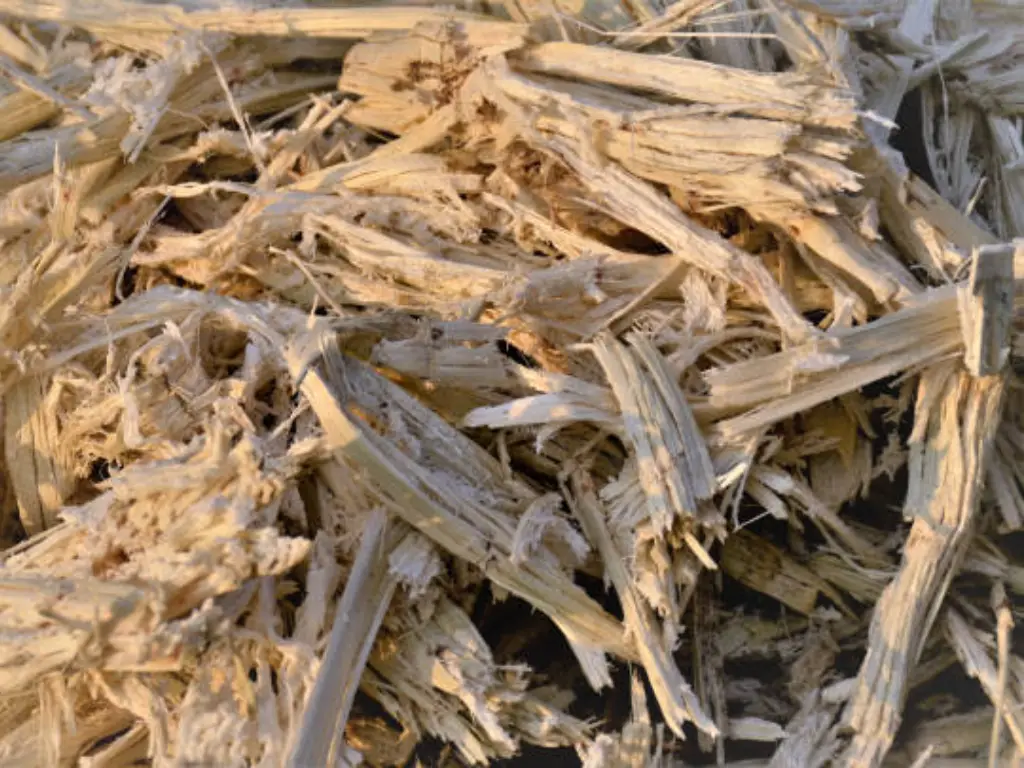
Suikerrietbagasse is geen gewas dat wordt geteeld om te worden gebruikt in de industrie, het is het droge vezelachtige residu en vezelige materiaal dat overblijft nadat suikerrietstengels worden geplet om sap voor suiker of ethanol te produceren. Als primair bijproduct van de suikerrietplant tijdens de sapwinning heeft het een specifiek milieuvoordeel: het heeft geen verder landgebruik nodig. Dit maakt het een veel duurzamer alternatief dan de traditionele houtpulp die gebruikt wordt in de papierindustrie, die afhankelijk is van de houtproductie uit tropische bossen. Het gebruik van deze snel hernieuwbare bron helpt ontbossing tegen te gaan door een vitaal alternatief te bieden voor nieuw hout. Bij het evalueren van uitgebreide papieren bekermateriaal keuzes, het mengen of vervangen van traditionele houtpulp door landbouwvezels is de toekomst van duurzame productie.
Het omzettingsproces van veld naar tafel is een gespecialiseerd pulpproces in vier fasen:
- Fysieke scheiding: Na de oogst en verwerking van suikerriet wordt het sap naar de suikerproductie gestuurd en worden de grove vezels die overblijven fysiek gefilterd en gescheiden.
- Zuivering: Deze vezels worden uitgebreid gewassen om eventueel achtergebleven merg of suikers te verwijderen en de pulp die hieruit ontstaat is van hoge voedselkwaliteit.
- Pulpraffinage: De geraffineerde vezels worden gecombineerd met water en mechanisch geraffineerd tot een plantaardige slurry met een hoge dichtheid en uniforme samenstelling.
- Hoge warmte spuitgieten: Deze slurry wordt in precisievormen geïnjecteerd waar hoge hitte en druk het materiaal onmiddellijk dehydrateren en vormen tot duurzaam, hittebestendig en biologisch afbreekbaar servies.
Dit productiemodel vormt een kringloop van hulpbronnen. Het zet een landbouwresidu om in een hoogwaardig alternatief voor papier op houtbasis zonder extra natuurlijke hulpbronnen te gebruiken door een materiaal te upcyclen dat anders op het land zou worden verbrand en zo aanzienlijke luchtvervuiling zou veroorzaken.
Marktgroei en economische waarde: Bagasse Business Case
Research and Markets voorspellen dat de wereldwijde markt voor verpakkingen van vormkarton tegen 2026 zal groeien tot 3,62 miljard met een gestage 710% CAGR. Deze geleidelijke trend is de transformatie van bagasse als niche milieuvervanger naar een stabiele industriële standaard met grote volumes en een onbetwistbaar economisch momentum.
De stabiliteit van het wereldwijde aanbod is nu afhankelijk van grote suikerrietcentra. Hoewel India en Thailand grote grondstofreserves leveren die het hele jaar door bevoorrading garanderen, heeft China zich gericht op de combinatie van hogesnelheidslogistiek met het gebruik van moderne en geautomatiseerde spuitgiettechnologieën. Deze ontwikkelde infrastructuur stelt wereldwijde bedrijven in staat om hun duurzame verpakkingsinitiatieven snel uit te breiden en in wezen de knelpunten in de doorlooptijd weg te nemen die de groene transitie in de weg staan.
De initiële kosten per eenheid zijn misschien iets hoger dan bij traditionele kunststoffen, maar de Return on Investment (ROI) op lange termijn wordt bereikt via een aantal strategische kanalen met een grote impact:
- Bedrijven die proactief bagasse gebruiken, vermijden de toenemende boetes en plasticheffingen die worden opgelegd in het wereldwijde verbod op plastic voor eenmalig gebruik.
- De overgang naar gecertificeerde composteerbare verpakkingen vertaalt zich direct in een grotere merkentrouw en de mogelijkheid om hoge prijskaartjes te behouden in een groenbewuste markt.
- De overstap naar aardolievrije materialen helpt bedrijven om hun inkoopbudgetten los te koppelen van extreme prijsschommelingen op de oliemarkt, wat leidt tot meer voorspelbare en veerkrachtige winstmarges.
Vergelijking van milieuvoordelen: Hoe suikerrietbagasse bossen spaart en koolstofvoetafdruk verlaagt
Om erachter te komen waarom bagasse in de toekomst het middel bij uitstek is, is het nodig om de prestaties ervan te bekijken in termen van levenscyclusanalyse (LCA).
De werkelijke verschillen in koolstofuitstoot, water- en energieverbruik
De milieuvoordelen van bagasse zijn niet alleen een concept, maar ook kwantificeerbaar. De productie van kunststoffen op basis van bagasse stoot 40 tot 70 procent minder koolstof uit dan de traditionele kunststoffen op basis van aardolie. Het leidt niet tot ontbossing, zoals houtpulp, en houdt belangrijke koolstofputten en biodiversiteit in stand.
Vergelijking van levenscyclusanalyses (LCA) - Verpakkingsmaterialen
| Metrisch | Suikerrietbagasse | Plastic op aardoliebasis (PET/PP) | Virgin Hout Papier |
| Koolstofvoetafdruk | Laag (Koolstofneutrale groei) | Hoog (winning van fossiele brandstoffen) | Middelhoog (Logging & verwerking) |
| Vernieuwbaarheid | Jaarlijks (groeicyclus suikerriet) | Niet-hernieuwbaar | Decadaal (groeicyclus van bomen) |
| Energie-intensiteit | Laag (bioafval als brandstof) | Zeer hoog | Hoog |
| Afbraaktijd | 60-90 dagen (industrieel) | 400+ jaar | 2-5 maanden (onbehandeld) |
| Impact op landgebruik | Minimaal (secundair gebruik) | Hoog (Raffinage/Infrastructuur) | Hoog (monocultuurplantages) |
Over het geheel genomen toont deze levenscyclusanalyse aan dat suikerrietbagasse de enige stof is die een netto positief effect heeft in alle milieucategorieën. Het biedt een echt circulaire oplossing die ecologisch het meest verantwoord is in de moderne wereld door een koolstofneutrale groeicyclus te integreren met snelle afbraak.
Circulariteit van hulpbronnen: De realiteit van 60-90 dagen afbraak van industriële compostering
Een van de mythes die consumenten hebben is dat biologisch afbreekbaar betekent dat het product verdwijnt, ongeacht waar het wordt gegooid. In feite wordt de echte waarde van bagasse gerealiseerd door middel van industriële compostering. Bagasseproducten breken in 60 tot 90 dagen af onder gecontroleerde omstandigheden, d.w.z. specifieke temperatuur, vochtigheid en microbiële activiteit.
Dit afbraakproces zet de verpakking om in met voedingsstoffen verrijkt organisch materiaal dat terug naar de bodem kan worden gerecycled, en de biologische cyclus is voltooid. Aankoopverantwoordelijken moeten echter zorgen voor certificering. Authentieke composteerbare producten moeten het BPI-label (Biodegradable Products Institute) of het TUV OK Compost-label hebben. Deze certificeringen garanderen dat het product geen giftige resten of microplastics achterlaat, in tegenstelling tot de zogenaamde oxo-afbreekbare plastics die alleen uiteenvallen in kleinere en schadelijke delen. Het groene goud van de landbouwafvalstroom is bagasse, dat een hoogwaardig product oplevert uit wat voorheen werd gezien als een verplichting.
Waar wordt bagasse voor gebruikt?
Bagasse is een zeer veelzijdig bijproduct dat kan worden gebruikt om de circulariteit in verschillende industrieën te verbeteren, omdat het kan worden omgezet van landbouwafval in hoogwaardige industriële producten. Als je bedrijf klaar is om te upgraden, is het inkopen van milieuvriendelijke papieren meeneemverpakkingen groothandel is de beste plek om te beginnen. Bagasse toepassingen zijn onder andere:
- Biologisch afbreekbaar servies: Geraffineerde pulp wordt gevormd tot waterbestendige, zeer sterke platen en verpakkingen. Dit is de belangrijkste milieuvriendelijke vervanger van polystyreen op de wereldwijde foodservicemarkt.
- Papier en pulp: Sterke bagassevezels worden gebruikt in hoogwaardig briefpapier en golfkarton, wat enorm helpt om ontbossing tegen te gaan omdat zuivere houtpulp wordt vervangen door een snel hernieuwbare bron.
- Bio-energie en biobrandstoffen: Samengeperste pellets zijn een koolstofneutrale brandstof voor industriële boilers en elektriciteitsnetten, waardoor verwerkingsfabrieken lokaal hernieuwbare warmte en elektriciteit kunnen produceren.
- Diervoeder: Bagasse kan gebruikt worden om vee te voorzien van een kosteneffectieve bron van voedingsvezels als het verwerkt wordt met bepaalde enzymen, waardoor agrarische biomassa in een productieve kringloop blijft.
- Bouw en chemie: Bagasse wordt geperst tot milieuvriendelijke spaanplaten voor gebruik als geluidsisolatie en om furfural te maken, een essentiële groene chemische bouwsteen voor industriële harsen en oplosmiddelen.
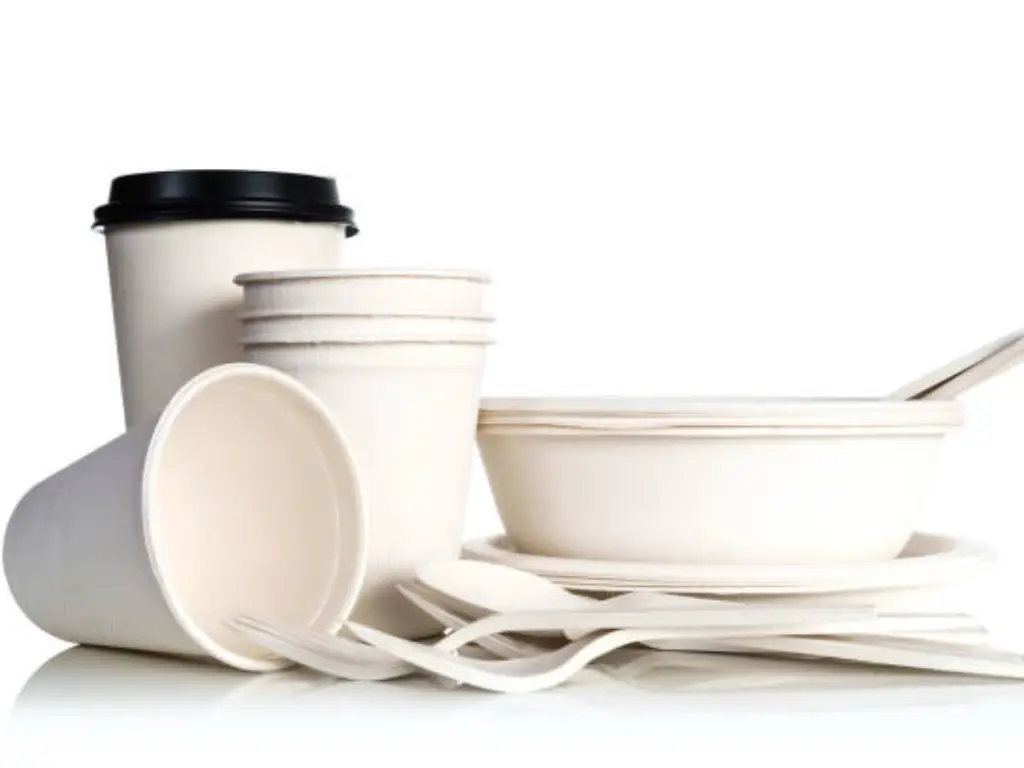
Suikerrietbagasse als milieuvriendelijk materiaal voor verpakking en voeding
De foodservice-sector is op een kruispunt gekomen waar bagasse niet langer een optie is, maar een volwaardige vervanger van plastic en polystyreen. Het gebruik ervan stelt merken in staat om goed te presteren en tegelijkertijd te voldoen aan de strengste wereldwijde duurzaamheidseisen.
Uitgebreide milieuvriendelijke verpakkingsmogelijkheden
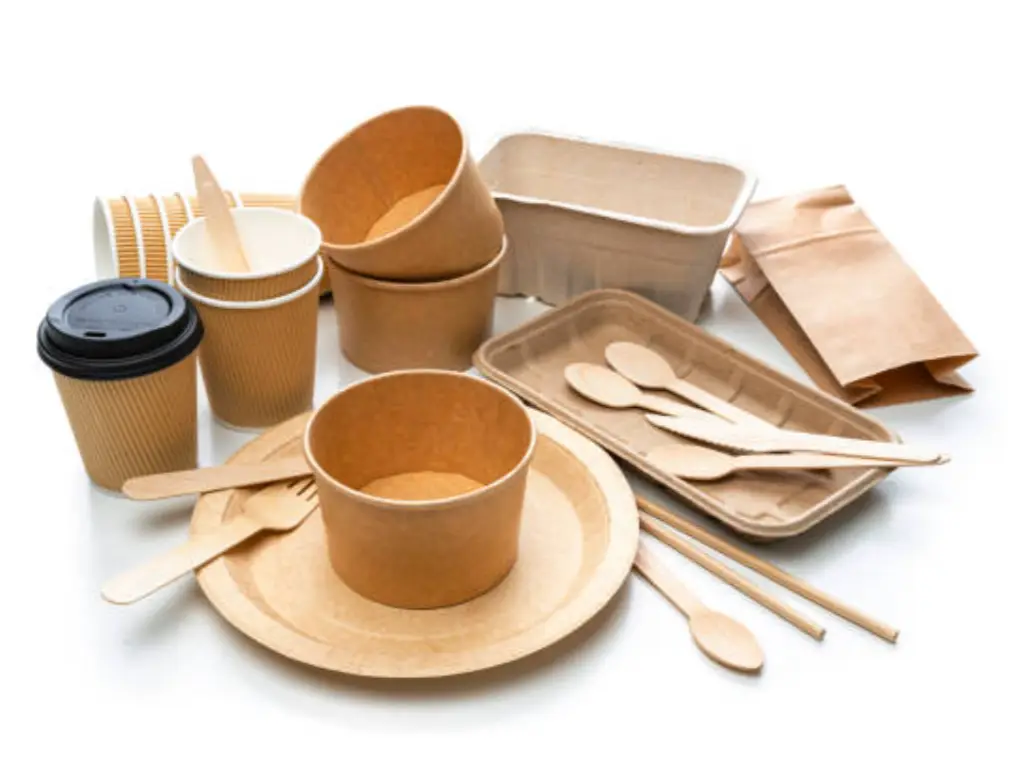
De hedendaagse productie heeft zich ontwikkeld om bijna elke traditionele verpakkingsgeometrie te reproduceren, wat een soepele overgang naar de verschillende culinaire vereisten garandeert. De belangrijkste productportfolio bestaat uit:
- Borden en schalen: Deze zijn ontworpen om zware en natte maaltijden in te bewaren zonder in te zakken, en ze zijn verkrijgbaar in maten tussen 6 en 12 inch.
- Schaalcontainers: De wereldwijde standaard voor afhaalmaaltijden, die verkrijgbaar zijn in enkelvoudige en meervoudige compartimenten om voorgerechten en bijgerechten gescheiden te houden.
- Dienbladen voor zwaar gebruik: Deze zijn ontworpen voor gebruik in omgevingen met een hoge intensiteit, zoals ziekenhuizen, scholen en catering in luchtvaartmaatschappijen, waar structurele integriteit de belangrijkste factor is.
- Bagasse rietjes: Een grote verbetering ten opzichte van papieren exemplaren, met een beter gevoel in de mond en de mogelijkheid om uren onder water te blijven zonder nat te worden.
Gedetailleerde technische specificaties
De effectiviteit van bagasse is te danken aan de dichte en in elkaar grijpende structuur van cellulosevezels. Dit natuurlijke raster vormt een biologische barrière die moeilijk te doorbreken is zonder het gebruik van conventionele plastic voeringen.
- Thermische prestaties: Lekt niet bij temperaturen tot 120 o C met oliën en tot 100 o C met water.
- Veiligheid van magnetron en oven: Het wordt niet beïnvloed door elektromagnetische verhitting zoals plastic, het lekt geen chemicaliën en vervormt niet en kan opnieuw worden opgewarmd tot normale serveertemperaturen.
- Vriesstabiliteit: Het materiaal is flexibel en sterk bij lage temperaturen, in tegenstelling tot materialen op aardoliebasis die broos zijn.
- Natuurlijke bescherming: Het hogedruk vormproces comprimeert de vezels tot een niveau waarop ze natuurlijke vet- en waterbestendigheid bieden en de eindgebruiker een droge aanraking ervaren.
Naleving van 2026: Het PFAS-vrije mandaat
De regelgeving van 2026, beïnvloed door rapporten van ECCC en Bioleader, vereist nu dat alle gegoten vezelproducten zonder PFAS worden gemaakt. Deze verschuiving is niet alleen een kwestie van duurzaamheid, maar ook een reactie op de gevaren van Forever Chemicals die ooit werden gebruikt om vetbestendigheid te bieden, maar waarvan nu bekend is dat ze ernstige verstoringen van het endocriene en immuunsysteem veroorzaken.
De huidige bagasse van hoge kwaliteit maakt gebruik van biogebaseerde, fluorvrije afwerkingen gemaakt van plantaardige harsen. Deze hightech materialen bieden een betere oliebestendigheid en tegelijkertijd is de verpakking 100 procent composteerbaar en bevat geen giftige reststoffen, wat veilig is voor de planeet en de consument.
Professionele inkopers moeten bepaalde technische vereisten in leveranciersrapporten controleren om er zeker van te zijn dat ze worden nageleefd:
- Het totale fluorgehalte (TF) moet lager zijn dan 10 ppm of aangeven dat het niet is gedetecteerd om aan te tonen dat er geen opzettelijke toevoeging van PFAS heeft plaatsgevonden.
- Bepaalde screenings moeten duidelijk de afwezigheid van gereguleerde stoffen zoals PFOA en PFOS aangeven.
- Geaccrediteerde internationale organisaties zoals SGS, TUV of Intertek moeten de validatie afgeven volgens de meest recente 2026 kaders.
De validatie van een PFAS-vrij testrapport is net zo belangrijk geworden als de validatie van FDA of LFGB voedselveiligheidscertificaten. Het is het noodzakelijke vangnet van merken, wat betekent dat duurzaamheidsinitiatieven geen invloed hebben op de menselijke gezondheid of op de legale toegang tot de markt.
Hoe herken je hoogwaardige producten van suikerrietbagasse?
Om de kwaliteit van suikerrietbagasseproducten te bepalen, kun je een combinatie van basis sensorische controles en een computercontrole van industriecertificaten gebruiken. Hierdoor is het product goed geproduceerd en voldoet het aan de wettelijke voorschriften.
Snelle sensorische inspectie
Zorg ervoor dat de randen schoon en glad zijn. Bramen of wazigheid is een veelvoorkomend teken van mallen die niet goed onderhouden zijn of van het verfijnen van de vezels, wat kan leiden tot het dichtsmeren en het uiterlijk van het product.
Controleer het product tegen een lichtbron om de consistentie van de wanddikte te bevestigen. De vezels moeten gelijkmatig over het oppervlak verdeeld zijn. Donkere plekken of zichtbare dunne plekken zijn indicatoren van structurele zwakte die lekkage kan veroorzaken tijdens het gebruik.
Voer een geurtest uit om chemische toevoegingen te identificeren. Echt bagasse is licht natuurlijk met een plantachtige geur. Als je een scherpe chemische geur of een verbrande geur ruikt, is het mogelijk dat het product toevoegingen van slechte kwaliteit heeft of dat het op onjuiste temperaturen gedroogd is.
Certificeringen verifiëren via officiële databases
Certificaten kunnen worden vervalst en de claims van de fabrikant moeten altijd worden gecontroleerd aan de hand van officiële registers:
- Controleer het BPI Public Registry door de naam van het bedrijf in te typen om er zeker van te zijn dat hun composteerbaarheidsstatus actief is en dat het van toepassing is op het specifieke model van het product dat je koopt.
- Controleer of het certificaatnummer op de verpakking uniek is door de site van TUV Austria (OK Compost) te gebruiken om er zeker van te zijn dat het zegel niet verlopen of veranderd is.
- Zoek het FSC Publiek Certificaat om te controleren of het product gemengde houtpulp gebruikt en of de vezels zijn verkregen uit verantwoord beheerde bossen en niet door illegale houtkap.
Yoonpak neemt het giswerk van uw bedrijf weg door deze strenge kwaliteits- en nalevingsnormen te integreren in elk van onze cateringpakketten.
Verder dan het product: Waarom wereldmerken vertrouwen op Yoonpak voor hoogwaardige bagasseoplossingen
Met meer dan 24 jaar gespecialiseerde kennis is Yoonpak uitgegroeid tot de strategische partner van wereldleiders zoals Burger King, Tim Hortons en ILLY, die op zoek zijn naar hoogwaardige bagasseoplossingen die aan hun strenge operationele eisen kunnen voldoen. Wij vullen het gat tussen grootschalige industrialisatie en technische nauwkeurigheid met een faciliteit die 16 miljard eenheden per jaar kan verwerken. Deze productiekracht wordt omgezet in een belangrijk concurrentievoordeel: de standaardbestellingen worden binnen 3-6 weken geleverd, wat zeven dagen korter is dan het gemiddelde in de sector, en uw toeleveringsketen blijft flexibel en veerkrachtig bij veranderingen in de markt.
Onze filosofie van Zero-Defect is gebaseerd op ons streven naar uitmuntendheid en strekt zich uit over de hele levenscyclus van het product. Elke batch wordt onderworpen aan een meerfasig kwaliteitscontroleproces, dat begint met de dichtheid van de grondstoffen en microbiologische tests en eindigt met het afdichten van de zijnaden met lekvrije zegels en afsluitende audits volgens de AQL-norm. Yoonpak is volledig gecertificeerd door FDA, BRC, LFGB en FSC, wat garandeert dat alle producten zowel veilig als duurzaam zijn. Met een speciaal op maat gemaakt vormontwikkelingsteam en 1 jaar garantie, bieden we het industriële niveau van betrouwbaarheid en innovatie om de wereldwijde merken naar een afvalvrije toekomst te leiden.
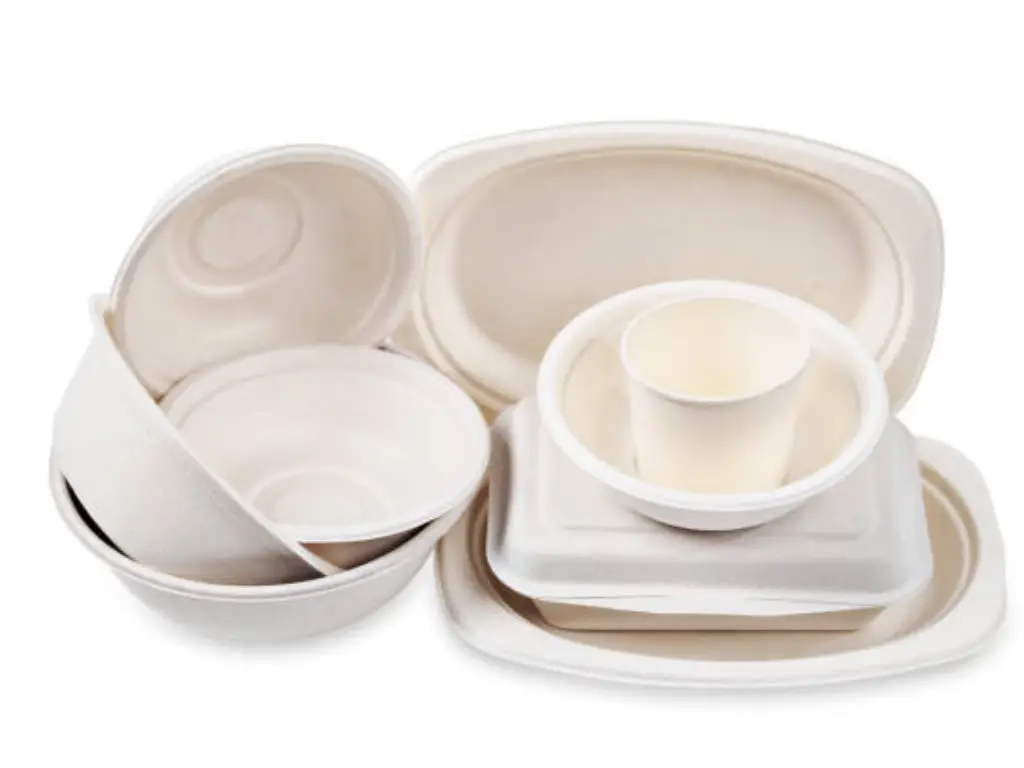
De toekomst van bagasse in de industrie
Bagasse verandert in een hoogwaardige industriële grondstof. Op het gebied van bio-energie wordt in moderne fabrieken hoogrendabele warmtekrachtkoppeling (WKK) gebruikt om zelf energie op te wekken en overtollige energie te exporteren, en enzymatische hydrolyse zet resterende vezels om in cellulose-ethanol van de tweede generatie, waardoor de suikerrietwaardeketen aanzienlijk wordt uitgebreid.
Van bagasse afgeleide cellulose-nanokristallen (CNC) in geavanceerde materialen hebben de hoogste sterkte-gewichtsverhouding die nodig is in medische steigers en lichtgewicht auto-onderdelen. Deze technische flexibiliteit is ook van toepassing op 3D-printen, waar filamenten op basis van bagasse kunnen worden gebruikt om complexe onderdelen met een laag koolstofgehalte te produceren. Bovendien gebruikt het de natuurlijke vezelstructuur om biocomposietpanelen te ontwikkelen die een betere akoestische en thermische isolatie bieden voor groene bouw om de kloof tussen afvalbeheer en hoogwaardige techniek te overbruggen.
Conclusie
De overstap naar verpakkingen van suikerrietbagasse is een zeldzame combinatie van milieubehoeften en economisch potentieel. Bagasse is een hoogwaardig, hernieuwbaar materiaal dat gemakkelijk kan worden opgenomen in de circulaire economie en daarom een oplossing biedt voor de wereldwijde foodservice-industrie. Door te focussen op technische vereisten, strenge certificeringen en betrouwbare productiepartners zoals Yoonpak, kunnen merken ervoor zorgen dat hun duurzaamheidsbelofte echt en effectief is. Afval is geen eindpunt in de wereld van 2026, het is een begin.
FAQS
V: Stinkt bagasse?
A: Bagasse van hoge kwaliteit is praktisch geurloos of heeft een zwakke, natuurlijke houtachtige geur; het wordt speciaal geraffineerd zodat het geen smaak of een soort papiergeur afgeeft aan warm eten of drinken, zoals sommige laagwaardige gerecyclede bagasse doet.
V: Is bagasse milieuvriendelijk?
A: Ja, bagasse is zeer duurzaam omdat het een hergebruik is van landbouwafval, het is gebaseerd op een zeer hernieuwbare bron, het genereert veel minder koolstofuitstoot dan plastic en het biedt een volledig composteerbare optie aan het einde van de levensduur.
V: Kun je suikerrietbagasse consumeren?
A: Nee, bagasse kun je niet eten; hoewel het niet giftig en voedselveilig is, bestaat het uit taaie cellulose- en ligninevezels, die onverteerbaar zijn, en daarom is het een hoogwaardig materiaal om te gebruiken in verpakkingen, maar niet als voedselbron.
V: Wat gebeurt er met bagasse in suikerfabrieken?
A: Suikerfabrieken gebruiken bagasse als schone biobrandstof om hun eigen fabrieken te laten draaien via warmtekrachtkoppeling, verkopen het aan andere fabrikanten zoals Yoonpak om te gebruiken in hoogwaardige eco-verpakkingen, of verwerken het tot diervoeder en duurzame bouwmaterialen.

 English
  German
  Spanish
  Italian
  Dutch
Dutch  French
  Portuguese
  Russian
  Arabic
  Korean