

Waar kunt u benodigdheden voor koffiebars kopen: een complete inkoopgids voor apparatuur en wegwerpartikelen
Bij het zoeken naar leveranciers van benodigdheden voor koffiebars gaat het om meer dan alleen het vinden van de laagste prijs — het vereist een strategische aanpak voor twee zeer verschillende categorieën. Apparatuur, zoals espressomachines en koffiemolens, vormt een kapitaalinvestering op lange termijn waarbij lokale ondersteuning, training en spoedreparaties onmisbaar zijn. Daarentegen zijn wegwerpartikelen – zoals bekers, deksels en draagtassen – veelvoorkomende operationele kostenposten waarbij strategische directe inkoop bij gecertificeerde fabrikanten aanzienlijke margeverbeteringen kan opleveren. Deze uitgebreide gids legt uit hoe u uw inkoopstrategie kunt uitstippelen, de totale kosten nauwkeurig kunt berekenen en leveranciers grondig kunt screenen, zodat uw café vanaf dag één soepel en winstgevend draait.
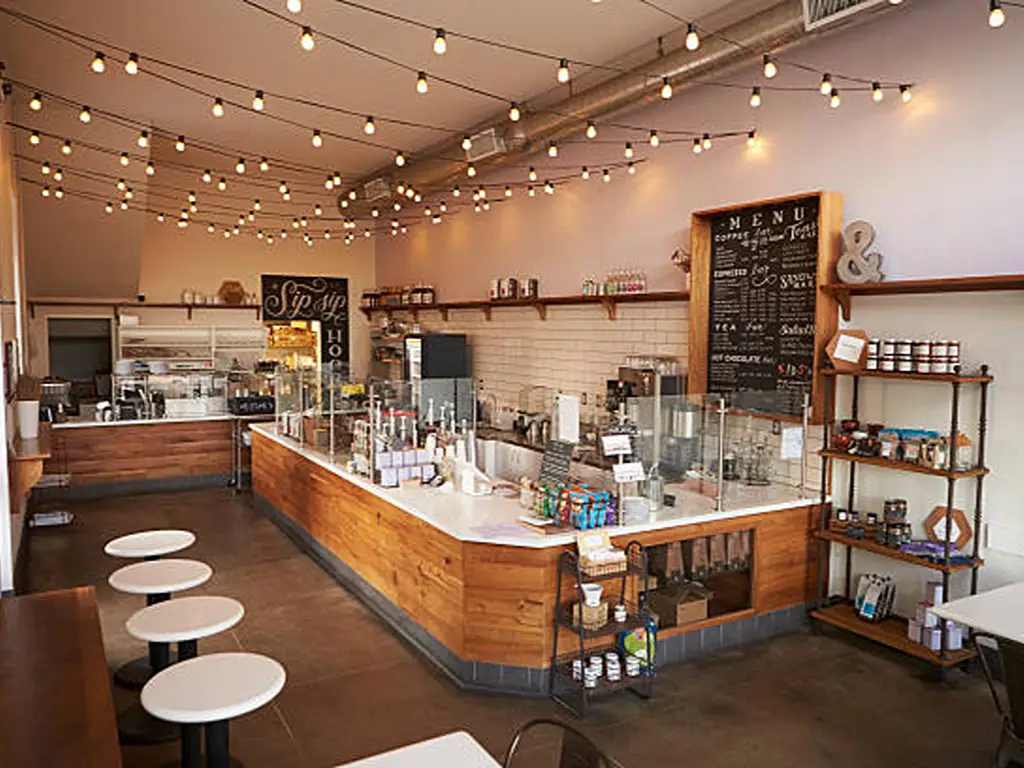
Wat je eigenlijk koopt: een overzicht van de benodigdheden voor een koffiebar
„Waar kun je benodigdheden voor een koffiebar kopen?“ is een complexere vraag dan het op het eerste gezicht lijkt. Het woord „benodigdheden“ omvat zowel een espressomachine van $25.000 als een papieren bekertje van vijf cent – en alles daartussenin. Voordat je leveranciers gaat vergelijken, moet je een duidelijk beeld hebben van wat je precies nodig hebt, want voor apparatuur en wegwerpartikelen gelden totaal verschillende aankoopregels.
De benodigdheden voor koffiebars kunnen in drie categorieën worden onderverdeeld. Uitrusting — je espressomachine, koffiemolen, ijsmachine, koelapparatuur en waterfilter — zijn kapitaalinvesteringen. Je besteedt weken aan het vergelijken ervan, betaalt er eenmalig voor en gebruikt ze vijf tot tien jaar lang. Wegwerpartikelen — bekers, deksels, hoesjes, rietjes en draagtassen — zijn bedrijfskosten. Je bestelt ze elke maand opnieuw, en een prijsverschil van 10% loopt in een jaar op tot duizenden. Verbruiksartikelen voor ingrediënten — koffiebonen, melk, siropen — zijn uw wekelijkse bestellingen van bederfelijke producten, die u het beste bij lokale of regionale leveranciers kunt inkopen.
Het zit namelijk zo: je hebt twee verschillende leveranciersstrategieën nodig. Voor apparatuur heb je een lokale partner nodig die de installatie kan verzorgen, je team kan opleiden en ter plaatse kan zijn als er tijdens de ochtendspits iets kapotgaat. Wegwerpartikelen zijn gestandaardiseerde producten met een goed uitgebouwde logistiek — je kunt ze voor het gemak bij een binnenlandse distributeur kopen, of rechtstreeks bij een fabrikant voor lagere kosten. Deze gids behandelt beide categorieën in de volgorde waarin de meeste eigenaren er daadwerkelijk over nadenken: eerst apparatuur, dan wegwerpartikelen, vervolgens waar je ze kunt kopen, hoe je de werkelijke kosten vergelijkt en hoe je een leverancier grondig onderzoekt voordat je een verbintenis aangaat.
Uitrusting: de grote beslissingen die je maar één keer neemt
Apparatuur is de grootste uitgave voor je koffiebar en vormt de basis waarop je dagelijkse bedrijfsvoering draait. De gouden regel: je menu bepaalt welke apparatuur je nodig hebt, en niet andersom. Bepaal eerst wat je gaat verkopen en schaf vervolgens de machines aan waarmee je dat kunt maken.
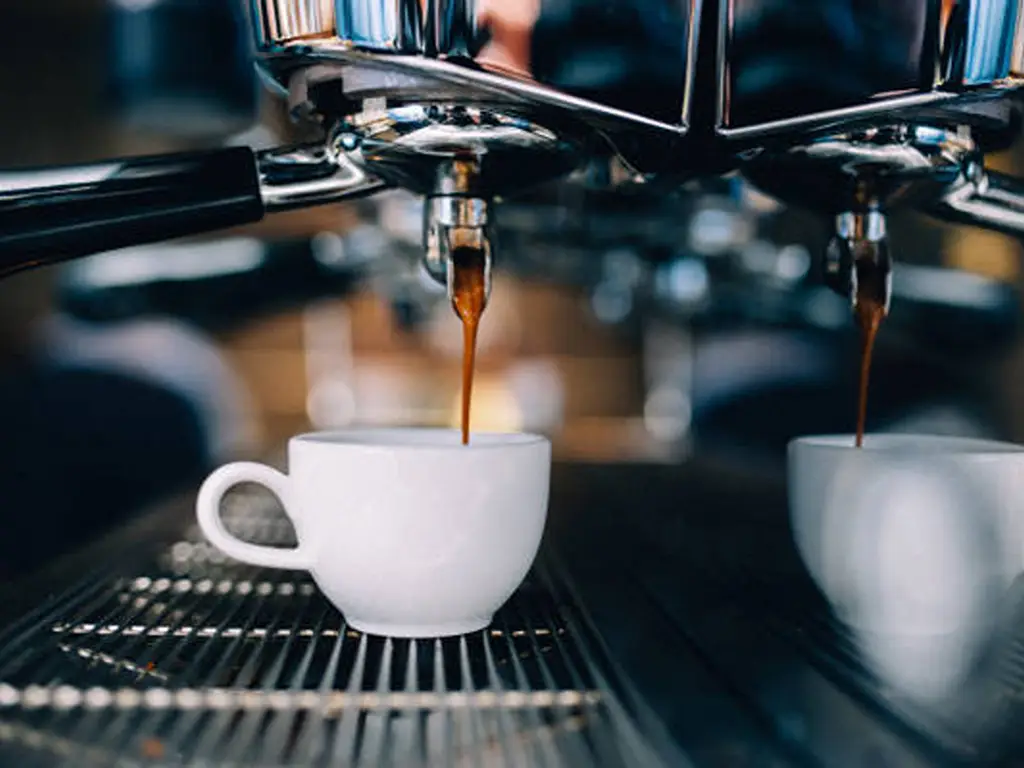
Espressomachine: kies een machine die bij uw verbruik past
De espressomachine is het hart van je bar. Als je de verkeerde kiest, zul je daar tijdens elk druk moment de prijs voor betalen.
Grootte naar volume. Het aantal drankjes dat u per dag serveert, bepaalt welke machine u nodig hebt. Bij minder dan 100 drankjes per dag volstaat een halfautomatische machine met één groep ($3.000–8.000). Bij 100 tot 250 drankjes hebt u een machine met twee groepen nodig ($9.000–18.000) om aan de piekvraag te kunnen voldoen. Bij meer dan 250 drankjes per dag is een commerciële opstelling met twee of drie groepen ($15.000–25.000+) met dubbele boilers en volumetrische regeling onmisbaar.
Machinetype per team. Halfautomatische machines geven je barista volledige controle over elke espresso — ideaal als je ervaren personeel hebt en een kenmerkende kwaliteit wilt bieden. Automatische machines maken gebruik van vooraf ingestelde hoeveelheden voor een consistente kwaliteit, ook bij een minder ervaren team. Superautomatische machines regelen het malen, aanstampen, zetten en uitwerpen met één druk op de knop — er is minimale training nodig, maar ze zijn het duurst in aanschaf en reparatie. Kies de machine op basis van wie hem bedient, niet op basis van de merknaam.
De belangrijkste specificaties die ertoe doen. Een dubbele boiler presteert beter dan een warmtewisselaar wat betreft temperatuurstabiliteit — van cruciaal belang als je tegelijkertijd espresso’s zet en melk opschuimt. Volumetrische regelaars zorgen voor een consistent volume per espresso, ongeacht wie er achter de bar staat. Het stoomvermogen bepaalt hoe snel je melk kunt opschuimen tijdens een druk moment. En waterfiltratie is geen optie: hard water zal je machine van binnenuit vernielen. Everpure is de industriestandaard; reken op $500–1.500 voor een goed systeem.
Huren of kopen? Leasen kost $300–600 per maand, waarbij installatie en onderhoud doorgaans zijn inbegrepen. Kopen betekent een eenmalige uitgave van $10.000–25.000, maar daarna zijn er geen doorlopende kosten meer. Als je krap bij kas zit en niet zeker bent van je omzet, kies dan eerst voor leasen. Als je vertrouwen hebt in je cijfers en van plan bent om hier vijf jaar te blijven, koop dan.
Merkenlandschap. La Marzocco, Nuova Simonelli en Synesso domineren het topsegment. Franke is marktleider op het gebied van superautomatische koffiemachines. Rancilio en Astra bieden degelijke opties in het middensegment. Kies niet eerst een merk, maar bepaal eerst je capaciteit, type en specificaties, en kijk vervolgens welke merken daarbij passen.
Molen: de investering die bepalend is voor elke kop koffie
Dit is het advies over apparatuur dat elke ervaren café-eigenaar steeds weer herhaalt: een espressomachine van $10.000 in combinatie met een koffiemolen van $3.000 presteert beter dan een machine van $20.000 in combinatie met een koffiemolen van $300. De koffiemolen is de bron van precisie. Een ongelijkmatige maling tast de kwaliteit van de bonen sneller aan dan welke andere factor in je werkproces dan ook.
Besteed 30–50% van het budget voor je espressomachine aan de koffiemolen. Commerciële koffiemolens uit het instapsegment beginnen bij ongeveer $1.500–2.500 (Mazzer Mini, Anfim). Modellen uit het middensegment kosten $2.500–4.000 (Mahlkönig E65S, Mazzer Major). Topmodellen kosten $4.000–8.000 (Mahlkönig E80, Mythos). Vlakke maalschijven zorgen voor meer helderheid en consistentie bij espresso; conische maalschijven zorgen voor een meer genuanceerde smaakscheiding. De meeste cafés hebben minstens twee koffiemolens nodig: één voor de belangrijkste espressomelange en één voor cafeïnevrije koffie of single-origin.
Koeling, water en ijs: de infrastructuurlaag
Dit zijn geen spannende aankopen, maar als ze het begeven, moet je zaak sluiten. Een onderbouw-melkkast ($500–1.000) zorgt ervoor dat je barista niet vijftig keer per dienst naar de koelkast achterin hoeft te lopen. Een koelkast ($1.000–2.000) is bedoeld voor extra melk, siropen en het bereiden van eten. Een ijsmachine ($1.000–3.000) die is afgestemd op je piekvraag in de zomer, niet op je gemiddelde verbruik. Bestel deze apparaten samen met je espressomachine bij dezelfde leverancier — je krijgt dan bijna altijd een pakketkorting.
Kassasystemen, kleine artikelen en al het andere
Je kassasysteem (abonnement van $0–99 per maand) vormt het zenuwcentrum — let op functies als offline modus, voorraadbeheer en verkoopanalyses. Barista-benodigdheden (tamper, melkkan, weegschaal, afklopbak) kosten $200–500 voor een complete set. Een blender voor frappés en smoothies kost $200–800 als je menu daar om vraagt. Meubilair en inrichting hebben de grootste budgetvariatie in de branche — van IKEA-rekken tot maatwerk — dus reserveer hiervoor het bedrag dat overblijft nadat de essentiële apparatuur is aangeschaft.
Wegwerpartikelen: de benodigdheden die je altijd opnieuw zult bestellen
Je vervangt je espressomachine eens in de tien jaar. Je bestelt elke maand kopjes. Wegwerpartikelen zijn de producten die je in je winkel het vaakst koopt, en de categorie waarin inkoopbeslissingen de grootste cumulatieve invloed hebben op je marges.
Hier is het kader dat je een hoop kopzorgen zal besparen: bekers, deksels, koelhoezen en draagtassen vormen een systeem, geen boodschappenlijstje. Je beker bepaalt welk deksel erop past. De wanddikte van je beker bepaalt of je een koelhoes nodig hebt. Je gebruikelijke bestelstructuur bepaalt of je draagtassen voor twee of vier bekers nodig hebt. Koop ze als bij elkaar passende set bij één leverancier, of bereid je voor op lekkende drankjes en gefrustreerde klanten.
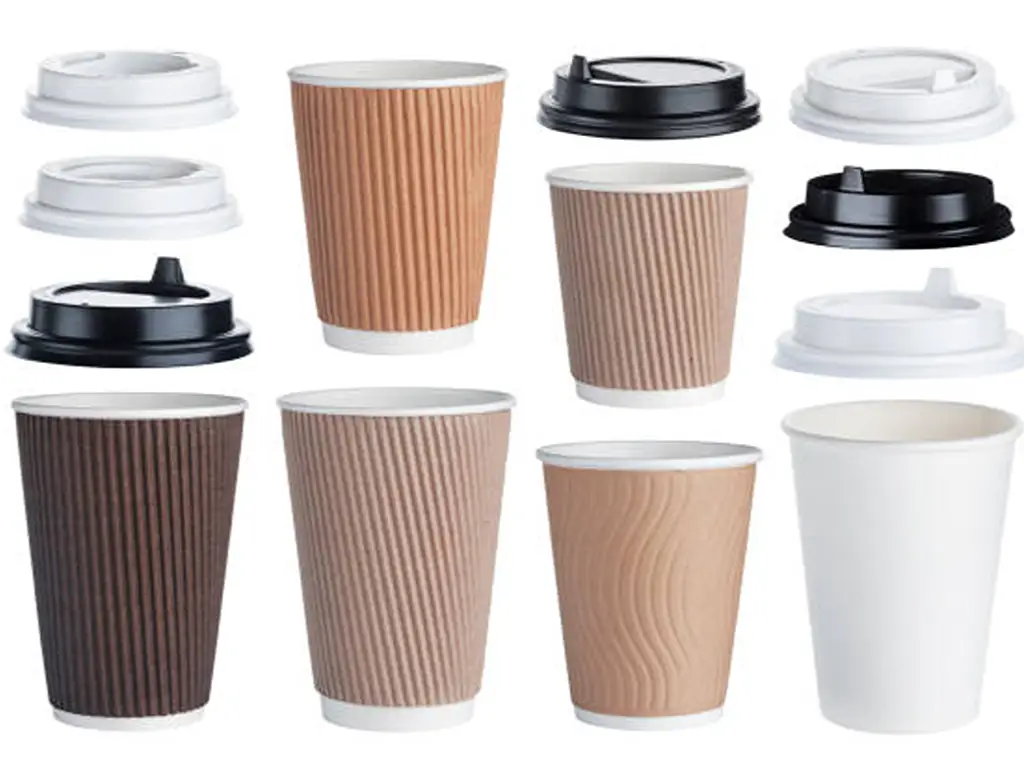
Papieren bekers: maten, materialen en de berekening van bedrukkingen op maat
De papieren beker neemt meer dan de helft van je budget voor verbruiksartikelen in beslag en is het enige artikel dat elke klant in handen heeft.
Eerst de maat. Stem je bekers af op wat je verkoopt, niet op wat er beschikbaar is. Voor de meeste cafés dekken 12oz en 16oz 80% van de bestellingen af — 12oz voor lattes en cappuccino’s, 16oz voor ijskoffie en grotere warme dranken. Houd een kleinere voorraad van 8oz aan voor cortado’s, en 20oz alleen als je een omvangrijk cold brew-assortiment hebt. Elke maat die je niet gebruikt, is dode voorraad die ruimte inneemt in je magazijn.
Materiaal is een afweging tussen drie factoren. Bekers met een enkele wand zijn het goedkoopst, maar geven de warmte binnen 15–20 minuten door — klanten grijpen dan naar een huls of verbranden hun handen. Dubbelwandige (geribbelde) bekers isoleren 30–40 minuten en hebben geen hoesje nodig. Bekers met een PLA-coating maken gebruik van een plantaardige coating in plaats van polyethyleen op basis van aardolie, waardoor ze commercieel composteerbaar zijn — maar PLA wordt zacht bij temperaturen boven de 50 °C, dus zijn ze niet geschikt voor extra hete dranken.
Bedrukking op maat: als de berekening klopt. Als je dagelijks meer dan 100 bekers verkoopt en bezig bent met het opbouwen van een merk, zijn bekers met een eigen opdruk een van de marketinginvesteringen met het hoogste rendement die je kunt doen. Elke klant die met uw logo naar buiten loopt, is een wandelende reclame. Bij offsetdruk begint de minimale afname bij ongeveer 50.000 bekers — de opstartkosten zitten in de drukplaten, maar zodra de productie eenmaal draait, is de meerprijs per stuk ten opzichte van blanco bekers bescheiden. Als u onder dat volume blijft, bieden op maat bedrukte hoesjes op blanco bekers u dezelfde merkzichtbaarheid tegen een fractie van de kosten.
Deksels: het onderdeel dat stilletjes defect raakt
Defecten aan de deksels behoren tot de top drie van oorzaken van klachten bij bezorgplatforms. De oplossing is simpel: koop bekers en deksels altijd bij dezelfde leverancier. De standaarddiameter van de opening van warme bekers is 90 mm; die van koude bekers is 96 mm. Een deksel van 90 mm op een beker van 96 mm springt er tijdens het transport af. Een deksel van 96 mm op een beker van 90 mm lekt bij elke slok. Het verschil in maat tussen fabrikanten is onzichtbaar, totdat het dat niet meer is.
Vlakke deksels (met drinkopening of rietjesgleuf) zijn bedoeld voor koude dranken. Koepelvormige deksels (met flip-top-tuit, verhoogd om schuim ruimte te geven) zijn bedoeld voor warme dranken. Dichte plugdeksels zijn bedoeld voor verzegelde levering. PP-deksels zijn de werkpaarden van de branche — goedkoop ($0,008–0,015 per stuk), duurzaam en hittebestendig. Composteerbare PLA-deksels kosten 30–50% meer en presteren minder goed bij hitte, maar ondersteunen wel uw duurzaamheidsclaims als uw merk zich daarmee onderscheidt.
Hoesjes en rietjes: kleine details, grote merkmomenten
Als je dubbelwandige bekers gebruikt, kun je de hoesjes helemaal achterwege laten. Bij enkelwandige bekers zijn hoesjes verplicht — een $0.02–0.04 hoesje van gegolfd kraftpapier zorgt ervoor dat een te hete beker prettig in de hand ligt. De marketingtruc die de meeste winkels over het hoofd zien: op maat bedrukte hoesjes op blanco bekers. De minimale afname voor het bedrukken van hoesjes begint bij ongeveer 10.000–20.000 stuks — veel toegankelijker dan de minimale afname voor volledig bedrukte bekers — en elk hoesje is een wandelende advertentie.
Papieren rietjes worden na 30–45 minuten in vloeistof zacht. PLA-rietjes zien eruit en voelen aan als plastic, maar zijn industrieel composteerbaar, tegen een hogere prijs. De meeste winkels hebben papieren rietjes standaard op voorraad en bieden PLA aan als premiumoptie.
Bekerhouders: infrastructuur voor bestellingen met meerdere bekers
Als bezorging en kantoorcatering zelfs maar 15% van uw bestellingen uitmaken, zijn draagbakken niet langer optioneel. Dragers voor twee bekers zijn geschikt voor de standaard koffieronde; dragers voor vier bekers zijn geschikt voor kantoorbestellingen en groepsbezorgingen. Kraftkarton is de standaard, tegen $0,08–0,15 per stuk. Het gaat niet om het materiaal, maar om het antislipontwerp van de sleuven. Vul een drager volledig en loop 50 meter met één hand. Als de bekers verschuiven, zoek dan een andere leverancier.
Als u klaar bent om uw wegwerpartikelen in te kopen, zoek dan een fabrikant die alles — bekers, deksels, hoesjes en draagtassen — onder één dak aanbiedt, en die over de nodige certificeringen beschikt om zijn beloften te staven. Yoonpak beschikt bijvoorbeeld over ISO 9001-, FDA-, FSC- en BRC-certificeringen, heeft een eigen ontwerpteam dat bedrukkingen op maat verzorgt zonder uitbesteding, en biedt gratis monsters aan, zodat u het volledige systeem kunt testen voordat u een beslissing neemt. U kunt hun certificeringsgegevens controleren en bekijk de opties voor bedrukking op maat om te zien of hun mogelijkheden aansluiten bij uw volume en uw behoeften op het gebied van merkpositionering.
Waar te koop: het kanaal afstemmen op de categorie
Apparatuur en verbruiksartikelen worden om een goede reden via verschillende kanalen verwerkt. Hieronder wordt uitgelegd hoe je met elk kanaal omgaat:
| Categorie | Beste kanaal | Typische leveranciers | Belangrijkste overweging |
|---|---|---|---|
| Espressomachine + koffiemolen | Lokale leverancier van apparatuur | Seattle Coffee Gear, lokale/regionale dealers | Installatie, training en spoedreparaties zijn de marge van de dealer meer dan waard |
| Koeling, ijs, water | Groothandel in restaurantbenodigdheden | WebstaurantStore, lokale leveranciers | Standaardproducten — vergelijk de prijzen naar hartelust |
| Bekers, deksels, hoesjes, draagtassen | Rechtstreeks van de fabrikant (volume) of binnenlandse distributeur (gemak) | Distributeurs: WebstaurantStore, RestaurantSupplyDrop. Fabrikanten: via Alibaba, Made-in-China of rechtstreeks | Distributeur voor minder dan 50.000 bekers per jaar; rechtstreeks voor bedrukking op maat of bij een afname van 150.000 of meer |
| Koffiebonen, melk, siropen | Lokale/regionale leverancier | Lokale koffiebranders, zuivelverdelers | Versheid en de band met de klant zijn belangrijker dan de prijs |
Het basisprincipe: Koop apparatuur bij lokale leveranciers — de installatie, training en noodservice van de dealer zijn elke procentpunt marge meer dan waard. Koop wegwerpartikelen rechtstreeks bij de fabrikant als je afnamevolume dat rechtvaardigt — gestandaardiseerde producten, een goed opgezette logistiek en het prijsverschil is aanzienlijk. En als je buiten de VS of Europa gevestigd bent, is rechtstreeks bij de fabrikant wellicht je enige haalbare kanaal voor wegwerpartikelen — dit is geen kwestie van kosten, maar van haalbaarheid.
Wat je daadwerkelijk betaalt: een overzicht van de totale kosten
In de meeste inkoopgidsen worden de verzendkosten terloops genoemd en wordt er vervolgens verdergegaan. Hier volgt de echte berekening.
Elk product dat je koopt, volgt dezelfde prijsketen: fabrieksprijs → winstmarge importeur (50–100%) → winstmarge distributeur (30–50%) → jouw prijs. Voor apparatuur gelden hogere winstmarges omdat de dealer installatie, training en onderhoud in de prijs meerekent. Voor wegwerpartikelen gelden lagere marges omdat het gestandaardiseerde producten zijn — maar het absolute prijsverschil in dollars is nog steeds aanzienlijk als je 73.000 bekers per jaar koopt.
De vijf verborgen kosten die elke berekening op zijn kop zetten:
1. Internationaal vrachtvervoer. Een container van 20 voet van China naar de westkust van de VS kost $2.000–4.000. Als je dat verdeelt over 400.000 bekers, komt dat neer op een halve cent per beker. Als je het echter over één pallet verdeelt, is het een veel grotere uitgave.
2. Douanerechten. Papieren bekers vallen onder HTS-code 4823.69.0040 (0–6.5%, afhankelijk van de herkomst). Espressomachines vallen onder 8419.81 (0–8%). Dit is voor geen van beide categorieën een dealbreaker, maar het is ook niet nul — houd er rekening mee.
3. Opslag. 50.000 bekers nemen 2–3 pallets in beslag. Dat is goed te doen als je een achterkamer hebt. Maar het wordt een probleem als je in een kiosk van 400 vierkante voet zit.
4. Kwaliteitscontrole. Een inspectie door een onafhankelijke instantie (SGS, Bureau Veritas) vóór verzending kost $300–800. Bij je eerste bestelling bij een nieuwe fabrikant kun je dit op eigen risico overslaan. Bij je vijfde bestelling bij een betrouwbare leverancier kun je eventueel teruggaan naar steekproeven.
5. Kasstroom. Een bestelling van 50.000 bekers tegen $0,06 per stuk komt neer op $3.000, die vóór aanvang van de productie moet worden betaald. Via een distributeur bestel je 5.000 bekers voor $600 op basis van een betalingstermijn van 30 dagen netto. Het verschil in eenheidsprijs is van belang, maar dat geldt ook voor het kapitaal dat twee maanden vastzit terwijl je bestelling wordt geproduceerd en verzonden.
Een concreet voorbeeld — op maat gemaakte papieren bekers van 12 oz, 73.000 stuks per jaar:
| Kostenfactor | Distributeur | Direct |
|---|---|---|
| Kopjes | ~$10,000 | ~$4,500 |
| Vracht (LCL, één pallet) | $0 | ~$600 |
| Douane (~3%) | $0 | ~$150 |
| Inspectie (eenmalig) | $0 | ~$500 |
| Vooraf vastgelegde contanten | ~$600 | ~$3,000 |
| Effectief totaal | ~$10,000 | ~$5,750 |
Dit levert direct een besparing op van $4.250 — echt geld. Maar alleen als je over voldoende volume, opslagcapaciteit en cashflow beschikt om het aanvankelijke tekort te overbruggen.
Rechte weg ~$5.750/jaar
Je vuistregel: Bij minder dan 50.000 bekers per jaar kun je het beste bij een distributeur blijven. Tussen 50.000 en 150.000 kun je het beste voor een hybride aanpak kiezen: bekers lokaal op voorraad houden en maatwerkbestellingen rechtstreeks laten leveren. Boven de 150.000 komen de voordelen van rechtstreekse inkoop duidelijk naar voren. Koop apparatuur altijd via een lokale dealer. De 15–20% die je misschien bespaart door rechtstreeks te importeren, verdwijnt als sneeuw voor de zon zodra je machine uitvalt en je geen technicus hebt die binnen een uur ter plaatse kan zijn.
Hoe je een leverancier grondig controleert voordat je geld overmaakt
Je hebt in kaart gebracht wat je wilt kopen en waar. Nu is het de vraag: hoe onderscheid je de leveranciers die daadwerkelijk leveren van degenen die verdwijnen zodra de aanbetaling is verwerkt? Met drie filters schrap je 90% van de ongeschikte kandidaten.
Controleer certificeringen en naleving
Certificeringen vormen uw eerste selectiecriterium, omdat ze binair zijn: een leverancier heeft ze of heeft ze niet. Let bij apparatuur op NSF-certificering (veiligheid bij contact met levensmiddelen) en CE/RoHS-conformiteit (EU-normen voor elektronica). Voor wegwerpartikelen die in Noord-Amerika worden verkocht, zijn naleving van FDA 21 CFR, ISO 9001-kwaliteitsmanagement en FSC-certificering voor papierproducten absolute vereisten. De BRCGS Packaging Standard is van belang als u aan kopers in de toeleveringsketen levert. BPI-certificering voor composteerbaarheid onderbouwt uw milieuclaims. LFGB is het EU-equivalent van de FDA.
Dit is de stap die de meeste kopers overslaan: kijk niet alleen naar de afbeelding van het certificaat. Noteer het certificaatnummer en controleer het. ISO-certificaten zijn alleen geldig als de uitgevende instantie door de IAF is geaccrediteerd. Zowel FSC als BRCGS houden openbare registers bij waarin je op code kunt zoeken. BPI vermeldt gecertificeerde producten op hun website. Een certificaat van een niet-geaccrediteerde uitgevende instantie is slechts een PDF-bestand.
Dit is waar fabrikanten zoals Yoonpak, die ISO 9001-, FDA-, FSC- en BRC-certificeringen onder één dak hebben, het proces vereenvoudigen: u hoeft slechts één leverancier te controleren in plaats van drie. In combinatie met gratis monsters en snelle communicatie wordt de doorlooptijd van het beoordelingsproces teruggebracht van weken tot dagen. Neem contact op voor monsters en een offerte om uw evaluatie te starten.
Bestel monsters — en test ze
Monsters zijn het enige tastbare bewijs dat je hebt voordat je duizenden dollars investeert. Vraag ze bij drie tot vijf leveranciers tegelijk aan — beoordeel ze niet één voor één. Als ze binnenkomen, ga er dan niet alleen maar naar kijken. Test ze:
- Vul een papieren bekertje met water van 90–95 °C en laat het 30 minuten staan. Als er vocht bij de naden zit, is het mislukt.
- Klik het deksel erop en houd de beker 10 seconden ondersteboven boven een gootsteen — als er iets uit lekt, ben je gezakt.
- Schuif de hoes eroverheen en houd hem vijf minuten vast — werkt hij echt isolerend?
- Vul een drager voor vier bekers met volle bekers van 16 oz en loop 50 meter met één hand — als de bekers verschuiven, moet je een andere leverancier zoeken.
Voor apparatuur geldt een andere aanpak. Bezoek de showroom van een dealer en maak zelf een paar kopjes koffie met het apparaat dat u overweegt aan te schaffen. Vraag om de contactgegevens van een bestaande klant die hetzelfde model al minstens een jaar in gebruik heeft.
Test hun communicatie
Stuur dezelfde gedetailleerde aanvraag naar alle overgebleven kandidaten — cupmaat, kleur van de print (gebruik een Pantone-code), maandelijkse afname, land van bestemming, vereiste certificeringen. Let op drie signalen:
Snelheid. Minder dan 24 uur is de ondergrens. Minder dan drie uur duidt op een goed georganiseerde operatie.
Kwaliteit. Hebben ze op al je specificaties ingegaan, of hebben ze gewoon een sjabloon gekopieerd en geplakt? Een leverancier die vervolgvragen stelt, toont daarmee de aandacht voor detail die ook in je eindproduct tot uiting zal komen.
Transparantie. Zullen ze een rondleiding door de fabriek op video delen? Een auditrapport van een onafhankelijke partij? Een klantreferentie uit uw regio? Drie keer ‘ja’ betekent dat er niets te verbergen valt. Drie keer ontwijkend antwoord betekent dat u verder moet zoeken.
Uw aankoopgids: wat u nu moet doen
Je hoeft vandaag niet alle beslissingen te nemen. Je hebt een kader en een shortlist nodig. Zo ziet dat eruit in drie veelvoorkomende situaties:
“Ik ga een winkel openen.” Stel eerst je menu definitief vast. Stel vervolgens je apparatuurlijst op — vraag bij drie lokale leveranciers offertes aan waarin installatie, training en onderhoud voor het eerste jaar zijn inbegrepen. Wat wegwerpartikelen betreft, begin bij een binnenlandse distributeur om een uitgangspunt voor je verbruik vast te stellen — je weet je werkelijke verbruik nog niet. Neem na drie tot zes maanden, zodra je over concrete cijfers beschikt, contact op met drie fabrikanten voor monsters en directe prijsopgaven.
“Ik heb een winkel. Ik wil kosten besparen.” Raak je apparatuur niet aan, tenzij er iets kapot is of je de capaciteit ervan bent ontgroeid. Richt je op wegwerpartikelen — hier levert inkoopoptimalisatie het snelste rendement op. Neem contact op met drie fabrikanten voor monsters van je drie best verkochte artikelen. Vergelijk de totale inkoopkosten met de huidige prijzen van je distributeur. Houd je huidige leverancier als back-up terwijl je de nieuwe test.
“Ik ben distributeur. Ik wil benodigdheden voor koffiebars importeren om deze door te verkopen.” Apparatuur levert hogere marges op, maar vereist een service-infrastructuur — technici, reserveonderdelen, opleidingen. Verbruiksartikelen van het eigen merk bieden lagere marges, maar zorgen voor terugkerende inkomsten en een ondersteuningslast die vrijwel nihil is. Begin met op maat bedrukte bekers en wegwerpartikelen om je toeleveringsketen en klantenbestand op te bouwen. Voeg apparatuur toe zodra je over de servicecapaciteit beschikt om dit te ondersteunen.
Het doel is op dit moment niet om een leverancier te kiezen. Het gaat erom een besluitvormingskader op te stellen en een shortlist met geschikte kandidaten samen te stellen. Lokale apparatuur, flexibele wegwerpartikelen, en zorg altijd voor een back-up. Je toeleveringsketen is te belangrijk om één enkel zwak punt te hebben.
Referenties
- Amerikaanse Food and Drug Administration. „Indirecte levensmiddelenadditieven: bestanddelen van papier en karton.” 21 CFR 176. fda.gov
- Forest Stewardship Council. „FSC-certificaatdatabase.” Forest Stewardship Council
- BRCGS. „BRCGS-overzicht.” directory.brcgs.com
- YoonPak. „Over ons — Fabrikant van papieren bekers.” yoonpak.nl
- YoonPak. „Verpakkingen op maat.” yoonpak.nl
- YoonPak. “Contact.” yoonpak.nl

 English
  German
  Spanish
  Italian
  Dutch
Dutch  French
  Portuguese
  Russian
  Arabic
  Korean