
Waarom smelt ijs tijdens het transport?
The primary cause of ice cream melting during transit is due to heat and lack of proper cold chain. Ice cream is a commodity that is highly sensitive to temperature and as it is being transported, say during a hot summer day, the frozen structure of the product is likely to be disturbed. Unless the ice cream is well insulated or refrigerated, the heat of the surrounding seeps in and melts the frozen dessert. Moreover, when the ice cream is not packed with enough cold packs or dry ice or when the storage container is opened regularly, then there is no way of maintaining the cold temperature needed to keep the ice cream solid and hence it melts.
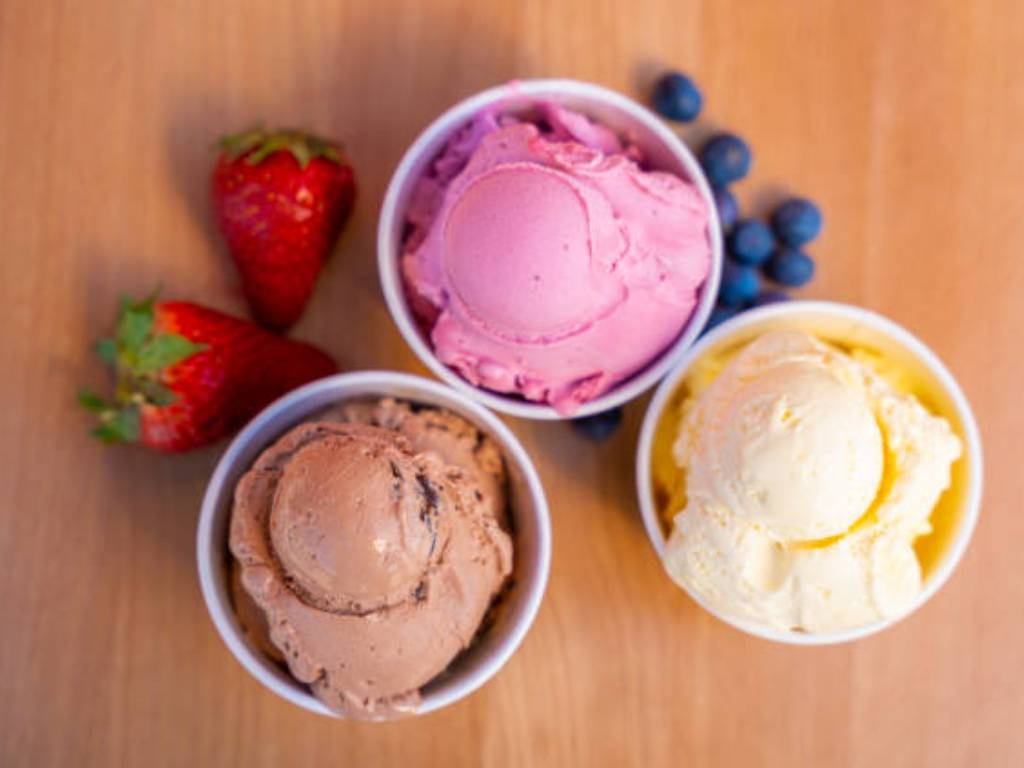
De invloed van verschillende ijssoorten op de smeltsnelheid
The ice creams of various types melt at varying rates due to the fat content, air incorporation and stabilizers. The knowledge of the delicate balance of air and fat can do a long way in explaining why certain ice creams melt slower than others.
| Type ijs | Hoofdingrediënten | Vetgehalte (%) | Smeltsnelheid | Opmerkingen |
| Premium ijs | Hoog roomgehalte, weinig lucht, suiker, eigeel | 14-20% | Langzaam | Door het hoge vetgehalte en het lage luchtgehalte smelt premium roomijs langzamer en behoudt het een romige textuur terwijl het zacht wordt. |
| Gewoon ijs | Room, melk, suiker, eierdooiers | 10-14% | Matig | Gewoon ijs heeft een uitgebalanceerd vetgehalte en luchtinsluiting, wat leidt tot een matige smeltsnelheid. |
| Licht ijs | Magere zuivel, suikervervangers | 4-8% | Snel | Door een lager vetgehalte en een hogere luchtinsluiting smelt light-ijs sneller, waardoor de structuur vaak sneller verloren gaat. |
| Gelato | Hoog roomgehalte, minder lucht, meer suiker | 4-8% | Zeer langzaam | Gelato heeft een dichte textuur met minder lucht en meer suiker, waardoor het heel langzaam smelt en een rijke, romige consistentie krijgt als het zacht wordt. |
| Zacht Serveren | Room, melk, suiker, lucht | 3-6% | Zeer snel | Soft serve bevat veel lucht, waardoor het licht is maar ook heel snel smelt, vooral in warme omstandigheden. |
| Diepvries Yoghurt | Yoghurt, melk, suiker, levende culturen | 0-4% | Snel | Het lage vetgehalte en de hoge luchtinsluiting in bevroren yoghurt dragen bij aan een snellere smeltsnelheid in vergelijking met traditioneel ijs. |
| Sorbet | Water, vruchtenpuree, suiker | 0% (sorbet), 1-2% (sorbet) | Matig tot snel (afhankelijk van suikergehalte) | Sorbet en sorbet hebben geen of heel weinig vet, waardoor ze sneller smelten. Een hoog suikergehalte in sommige recepten kan het smelten iets vertragen. |
Ontdek alles wat je moet weten over de grootte van ijsbekers van Uitleg over de grootte van ijsbekers: Van Monster tot Sundae om de perfecte oplossing voor je dessert te vinden.
Hoe zorg je ervoor dat ijs niet smelt?
Maintaining the temperature of the ice cream and ensuring the creamy goodness does not melt during storage or transportation is a crucial role for any host. Selecting the right method will help you the best chance to make sure that your ice cream stays frozen and ready for consumption.
De juiste container kiezen
The selection of the appropriate container is quite critical in making sure that the ice cream remains cold as it is expected to be. Individual portions should be served in paper cups that have an insulation layer, particularly when the cups are designed to withstand freezing conditions. Paper cups with lids prevent the ice cream mixture to be exposed to warm air. In the case of larger amounts such as a delicious ice cream cake, insulated coolers or thermal bags with thick walls are the most creative solutions to apply since they do not melt easily and they also maintain the necessary temperature.
Ontdek verpakkingen van hoge kwaliteit die smelten voorkomen in Top 6 ijsbekertjesfabrikanten: Uw ultieme gids.
Gebruik droogijs voor maximale kou
Dry ice is also the one that is desired to be used in the transportation of ice cream as it is a lot colder than the normal ice. When the ice cream is packed in insulated containers, dry ice may be used to maintain the ice cream in a frozen state for an extended period even in hot weather. It is the best option to keep the sub-zero conditions and is best adapted to long-distance transportation. Nevertheless, safety precautions are essential. One should not touch bare skin directly to avoid frostbite and put on gloves when touching it to avoid frostbite. Also, it should be well ventilated during transit.
Shield and Bubble Wrap and Aluminum Foil
Normal insulation does not work in high temperatures, but a combination of aluminum foil and bubble wrap makes a thermal shield that is professional. Aluminum foil is a reflector of thermal radiation, which is a mirror that reflects infrared heat before it can enter the container. The bubble wrap prevents heat conduction by dead air pockets, which are highly insulating to thermal conduction. This reflect + buffer synergy provides an extra frosty experience, keeping the temperatures below zero much longer than either of the materials alone.
IJs onderin de koelkast bewaren
Location is important when storing ice cream in a cooler. Cold air falls to the bottom of the cooler and therefore putting your ice cream at the bottom will keep it in the coolest part of the cooler. This strategy reduces exposure to warmer air at the top of the ice cream container and thus maintains its low temperature.
Voor maximale koeling plaats je het ijs in een cirkel van ijspakken of droogijs. Deze opstelling zorgt ervoor dat de koude lucht het ijs van alle kanten omringt, waardoor de kans op smelten minimaal is. Vergeet niet om ook de bovenkant van de koelbox te bedekken met aluminiumfolie of thermische dekens om de koude lucht in de koelbox te houden.
Gebruik geïsoleerde diepvrieszakjes voor extra bescherming
For further safeguard, especially when the car is in transit for a short period, consider using insulated freezer bags. These bags are made in such a way that they will reflect cold air back into the container and can be very useful when transporting ice cream over short distances, such as from grocery stores to your home, insulated freezer bags are a fantastic option. They provide an additional barrier that can be very helpful in preserving the frozen state of your delightful frozen treat.
De geïsoleerde diepvrieszakjes zijn erg handig in gebruik en kunnen worden meegenomen, waardoor ze ideaal zijn voor iedereen die zijn ijs in een koelbox wil meenemen voor een picknick of een korte trip. Combineer ze met ijspakken of droogijs voor nog betere resultaten, zodat je ijs bevroren blijft tot het tijd is om te consumeren.
Voeg steenzout toe aan het ijs
Adding rock salt is a classic ice cream game trick. Rock salt reduces the freezing freezing point depression, meaning the freezing point of ice is lowered. As a result, the ice melts at a lower temperature and in the process, it takes heat from the surroundings. This method assists in preserving the low temperatures that are required to support the frozen state of ice cream for a longer duration.
Strooi gewoon steenzout op het ijs in je koelbox om de omgeving kouder te maken. Deze techniek is het handigst in combinatie met gewoon ijs, omdat het ijs dan beter in staat is om een lage temperatuur rond het ijs te handhaven. Het is een eenvoudige en goedkope methode om de efficiëntie van je koeler te verhogen zonder dat je andere dure onderdelen hoeft te gebruiken.
Gelpacks gebruiken als alternatief voor ijs
Gel packs are a great substitute for ice and if you do not want to deal with the mess that comes with ice melting. These packs are filled with a gel that lasts longer in the frozen state than water-based ice and do not make puddles as they melt. Gel packs are also reusable and this makes them economical, especially when transporting ice cream frequently. They can sustain low temperatures for a good time, making them ideal for a picnic where you want to maintain a delicious experience.
Als je gelpacks gebruikt, is het aan te raden om ze zo te plaatsen dat de kou gelijkmatig over de ijscontainer wordt verdeeld. Ze zijn ook in staat om lage temperaturen lang vast te houden, waardoor ze geschikt zijn voor gelegenheden waarbij je een koelbox wilt gebruiken om ijs voor meerdere uren in te bewaren. Om het nog handiger te maken, zijn de gelpacks verkrijgbaar in verschillende maten, zodat ze in elke koelbox of isolatietas passen.
Vermijd te veel bagage in de koeler
Je zou kunnen denken dat hoe meer ruimte je in de koelbox laat, hoe kleiner de kans is dat je ijs smelt, maar dat is niet het geval. Als een koelbox te vol is, is er niet genoeg ruimte voor koude lucht om rond te stromen en dit leidt tot warmere temperaturen en slechte koeling. De beste manier is om je koelbox te vullen met cold packs of ijs, maar laat wel wat ruimte over zodat de lucht kan circuleren, maar niet te veel zodat de temperatuur schommelt.
For the cooler to be most effective, the ice cream containers should fit tightly into the cooler but not overcrowded. This balance enables the cold air to circulate within the cooler while at the same time ensuring that the temperature is constant and a full flavor profile upon serving.Also, there is the placement of items, where larger ice packs or dry ice should be placed at the bottom, ice cream in the middle, and smaller cold packs on top.
Opbergen in het koudste deel van het voertuig
The best place to keep your cooler is in the passenger cabin and not the trunk. This is your best chance at keeping the environment at sub-zero temperatures. The trunk is shady, but has no airflow and is usually a heat trap. Conversely, the cabin gives you the opportunity to take advantage of the air conditioning in the car which is much more important in keeping the car at sub-zero temperatures necessary to preserve the ice cream.
To achieve optimal outcomes, the cooler should be located on the floor of the passenger side so that it is in the way of the coolest air and not in the direct sunlight. You must also not put the cooler on seats or close to windows where the radiant heat is at its peak. To be on the safe side, wrap the cooler with a heavy blanket or a reflective thermal sheet to give the cooler a second layer of insulation against the ambient temperature of the cabin.
The Quick Cheat Sheet: Selecting Methods by Scenario
The table below is a strategic tool that can be used to choose the right cooling methodology depending on the time taken during the transit.
| Transit Duration | Recommended Method | Primary Cooling Agent |
| 30 Mins (Shopping) | Insulated thermal bags | Vehicle AC + Pre-chilled bag |
| 4 Hours (Picnic) | Hard-sided cooler + Layering | Ice + Rock Salt + Bubble Wrap |
| 8+ Hours (Travel) | Professional thermal containers | Dry Ice + Vacuum Sealing |
How to Keep Ice Cream From Melting Without a Cooler: DIY Hacks
If you aren’t equipped with professional tools, you can use these creative ways:
- Make a Mobile Freezer, Zero-Cost: A cardboard box, old newspapers, and scraps of foam can be a fun way to create a zero-cost cooler. When stacked in layers, newspaper is a good insulator since it entraps millions of tiny air pockets. Put a box with a few inches of crumpled or folded newspaper, put your ice cream (wrapped in plastic) in the middle, and fill the rest of the space with foam or more paper.
- Make a Bubble Wrap Thermal Shield: In case you have some spare packaging material, it is very effective to wrap the ice cream pint with several layers of bubble wrap. The gas in the bubbles serves as a natural insulation barrier, which greatly retards the transfer of heat out of your hands or the environment around you.
- Frozen Vegetables as a Heat Sink: When you need to use your freezer, consider other high-thermal-mass items. Frozen corn or peas bags possess high specific heat capacity. When you bury your homemade ice cream in between a few bags of frozen vegetables, you will have a huge cold mass that retards the freezing process of warming up.
- The Down Jacket Insulation Technique: Wrapping a homemade ice cream sandwich in a down jacket since it is made to prevent both air convection and thermal radiation. The wrapping of the ice cream in the jacket and storing it in a dark area forms a thick and lofty layer that keeps the ice cream in a sub-zero micro-environment against the container surprisingly long.
The Best Ingredients to Keep Ice Cream From Melting Fast
The trick to melt-resistant ice cream is its ice cream base. Stabilizers such as Guar and Xanthan Gum hold the ice cream mixture together and raise the viscosity, maintaining the texture creamy despite the rise in temperatures. The emulsifiers like Polysorbate 80 help in the process of fat nesting, which involves the clustering of fat globules around air bubbles to form a stable structural skeleton. This enables the ice cream to melt into a mousse rather than melting into a liquid puddle. Also, natural polyphenols in cocoa or fruit extracts enhance the interactions between proteins and fats to form a heat-resistant structure that is more resistant to thermal stress. The combination of these ingredients creates a two-defense mechanism that maintains the shape and mouthfeel of the dessert in the face of heat. Whether you are making a simple pint or a delectable ice cream cake, these ingredients are a fun element of the science that keeps your dessert repertoire impressive.
Groene methoden om ijs koud te houden
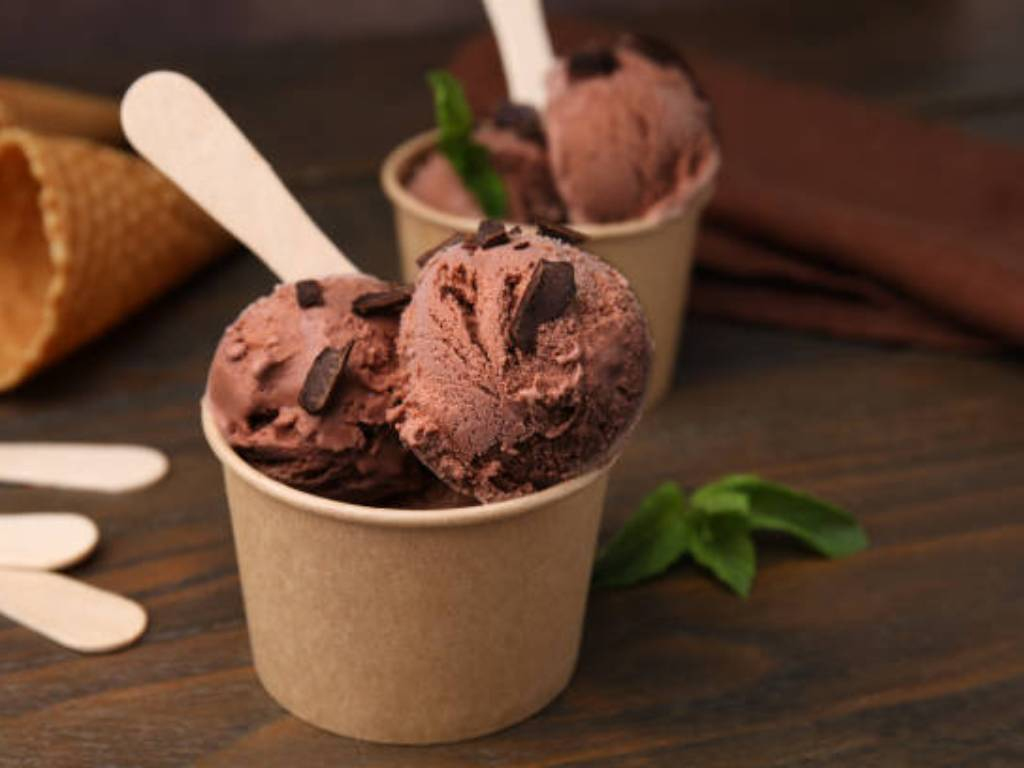
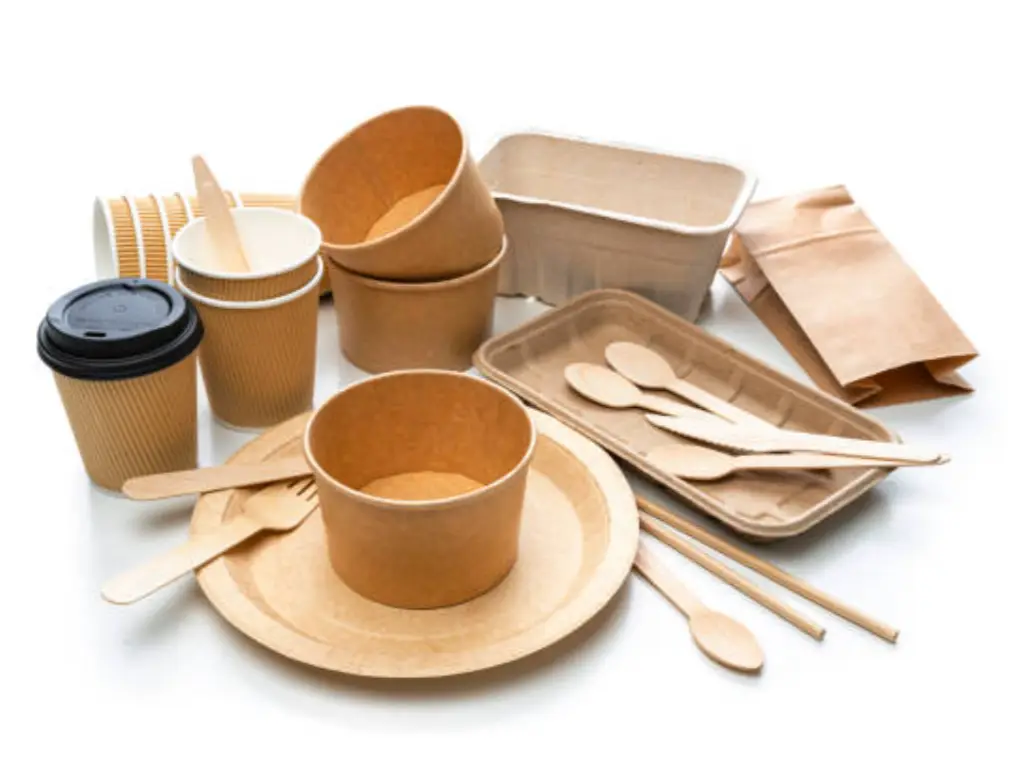
Using environmentally friendly ways to maintain the temperature of the ice cream is both environmentally friendly and efficient. First of all, replace disposable cups and lids with those that are made from biodegradable materials such as plant fibers. It is a fantastic option.These cups not only offer good insulation but also have a lesser environmental footprint as compared to the conventional plastic or foam cups. To increase the efficiency of the cups in cooling the ice cream, it is recommended to freeze the cups before putting the ice cream in them to make them as cold as possible. This approach helps to maintain the frozen ice cream for a longer period and also provides an environment friendly solution.
When transporting or storing the ice cream, one should use coolers that are eco-friendly and made from recycled material like recycled plastic or wool. In the cooler, use reusable ice packs or freeze water in stainless steel or glass containers to maintain the freezing environment without waste. Using biodegradable paper cups for the ice cream and re-usable cooling methods, this approach provides an environmentally friendly way to enjoy a delightful frozen treat.
Bij het onderzoeken van groene methoden om ijs koud te houden, leverancier van ijsbekers De hoogwaardige milieuvriendelijke wegwerpijsbekers van Yoonpak zijn een geweldige optie. Lees meer op ijsbekers in bulk.
Yoonpak’s Innovative Ice Cream Packaging Solutions

Yoonpak offers professional grade ice cream packaging that is specifically designed to fight melting and structural integrity during transit. Yoonpak has more than 24 years of experience in the production of wholesale paper ice cream cups with lids that are designed to be leak-proof and crack-resistant at a temperature as low as -40 C. This high thermal tolerance is essential for a delightful eating experience and makes them the best option in long-haul logistics where deep-freeze stability is needed to maintain ice cream in its frozen state.
Using high-quality PE or environmentally friendly PLA coating, sourcing high-quality raw materials such as SUN PAPER and Stora Enso, Yoonpak guarantees the 100 percent leak-proof experience. This consistency is essential when ice cream starts to melt, avoiding any messes and saving the reputation of the brand. Yoonpak has a production capacity of 16 billion cups per year and a delivery window of 3-6 weeks, which is why it can be considered as a balance between the massive scale and the complete customization to represent your brand identity. Free design assistance to strict hourly quality checks, Yoonpak is the best international partner that a business can have to ensure that it has a perfect frozen state between production and consumption.
Safety and Storage: Can Melted Ice Cream Be Refreezed?
Melted ice cream is a gamble with your health and your taste. When the mixture becomes liquid and is maintained at temperatures at room temperature(above 40 o F (4 o C) ) for more than two hours, the high sugar and protein content cause the growth of harmful bacteria. Food safety is paramount. Refreezing only renders these pathogens inactive, not dead, and you are at a high risk of food poisoning.
Furthermore, the proper storage of ice cream involves preventing crystal formation. When ice cream melts and refreezes slowly at home, it leads to the formation of ice crystals. The growth of these crystals—specifically the formation of large ice crystals—results in a gritty texture. To avoid this and “freezer burn,” place plastic wrap directly on the top of the ice cream surface before closing the lid. This is a vital part of food safety guidelines to ensure your treat remains a delightful frozen treat.
Whether dealing with a power outage or simply transporting groceries, knowing when to toss it when disaster strikes is key to maintaining food safety. Always check the expiration date before consumption.
Conclusie
To learn how to preserve ice cream without melting, one will need not only quality materials but also knowledge of thermal physics and some tactical tricks. You are a professional distributor who uses the advanced packaging solutions of Yoonpak or you are a hobbyist who uses a down jacket and a few frozen peas, the aim is the same, to postpone the unavoidable victory of heat over structure. By taking into consideration the fragility of the ice cream emulsion and anticipating the factors of transit, you can make the last scoop as good as the first.
FAQs
Is het veilig om droogijs te gebruiken om ijs koud te houden?
Ja, droogijs is veilig om te gebruiken, mits het op de juiste manier wordt gebruikt. Droogijs moet worden gehanteerd met handschoenen om bevriezing te voorkomen en de koeler moet goed worden belucht om ophoping van kooldioxidegas te voorkomen.
Hoeveel uur kan ijs bevroren blijven in een koelbox tijdens transport?
IJs kan enkele uren bevroren blijven in een koelbox, afhankelijk van de gebruikte koeltechniek. Met droogijs kan ijs 24 uur of langer bevroren blijven. Gelpacks en gewoon ijs kunnen ijs voor een beperkte tijd van 4-6 uur koel houden.
Op welke temperatuur moet een koelbox zijn om het ijs bevroren te houden?
De koelbox moet op een temperatuur van niet meer dan -18°C (0°F) worden gehouden om het ijs bevroren te houden. Deze temperatuur kan worden bereikt en gehandhaafd met droogijs of een voldoende aantal ijspakken tijdens het transport.





 English
  German
  Spanish
  Italian
  Dutch
Dutch  French