
Disposable Cups Price: Wholesale vs. Retail Cost Breakdown
When you type “disposable cups price” into a search engine, you are usually met with a chaotic mix of fragmented information. You will see retail packs of 50 party cups priced at $15 next to international wholesale listings advertising a fraction of a cent per unit. For business owners, procurement managers, and even event planners, this massive discrepancy is not just confusing—it is a financial landmine.
The reality of the packaging industry is that the price tag you see on a supplier’s website is rarely the final amount you pay. Buying disposable cups involves navigating a complex web of material science, volume discounts, shipping logistics, and hidden compatibility issues. Whether you are stocking up for a 50-person office party or securing the annual supply chain for a 500-location coffee franchise, understanding the underlying economics of your packaging is critical.
In this comprehensive 2026 pricing guide, we will tear down the exact cost breakdown of disposable cups. We will expose why cheap cups often end up costing you more, how raw material choices impact your bottom line, and the strategic procurement methods used by top-tier food and beverage brands to optimize their packaging budgets.
The True Cost of Disposable Cups: Current Pricing Benchmarks
Let us address the primary question immediately: How much do disposable cups actually cost? To establish a baseline, we must separate the retail market (buying off the shelf at a big-box store or Amazon) from the wholesale market (purchasing pallets or shipping containers directly from manufacturers).
Below is a standardized 2026 pricing matrix highlighting the stark contrast between small-scale retail purchases and high-volume B2B bulk orders. Note that these are baseline estimates for unprinted, standard-quality cups.
| Material & Type | Common Size | Retail Price / Unit (Est.) | Bulk / Wholesale Price / Unit (Est.) |
|---|---|---|---|
| Plastic – PP (Polypropylene) | 16 onzas | $0.12 – $0.20 | $0.02 – $0.05 |
| Plastic – PET (Polyethylene) | 16 onzas | $0.15 – $0.25 | $0.04 – $0.08 |
| Paper – Single Wall (Hot) | 12 onzas | $0.10 – $0.18 | $0.03 – $0.06 |
| Paper – Double Wall (Hot) | 12 onzas | $0.20 – $0.35 | $0.06 – $0.12 |
| Eco-Friendly – PLA Coated / Compostable | 12 oz / 16 oz | $0.30 – $0.50 | $0.10 – $0.25 |
While this table provides a satisfying snapshot, it is a dangerous place to stop your research. The unit economics shown above only represent about 50% of your true expenditure. The bare cup price does not account for the lids, the protective sleeves, the shipping volume weight, or the operational losses caused by inferior quality. The remainder of this guide will dissect the other 50%—the hidden bill that often catches buyers off guard.
Paper, Plastic, or Plant-Based: How Material Choices Dictate Baseline Costs
Before you can negotiate a price, you must understand what you are buying. The disposable cups price is inextricably linked to global commodity markets, manufacturing processes, and increasingly stringent environmental legislation. Let us break down how your material selection sets the baseline for your packaging budget.
The Economics of Plastic Cups: PET vs. PP
In the realm of cold beverage packaging, not all plastics are created equal. The two dominant materials are Polypropylene (PP) and Polyethylene Terephthalate (PET), and confusing the two can have major aesthetic and financial consequences.
PP (polipropileno) is the budget-friendly workhorse of the industry. It is slightly cloudy (translucent rather than fully transparent), softer to the touch, and boasts excellent heat resistance. Because the resin is cheaper and the thermoforming process is highly efficient, PP cups represent the absolute floor of plastic packaging costs.
PET (tereftalato de polietileno), on the other hand, is the premium standard for iced coffees, smoothies, and craft beers. It offers glass-like clarity, incredible rigidity, and superior crack resistance. However, it cannot withstand high temperatures. The market price for PET cups is heavily tied to the global Resin Market Pricing index, which fluctuates with crude oil prices and supply chain demands.
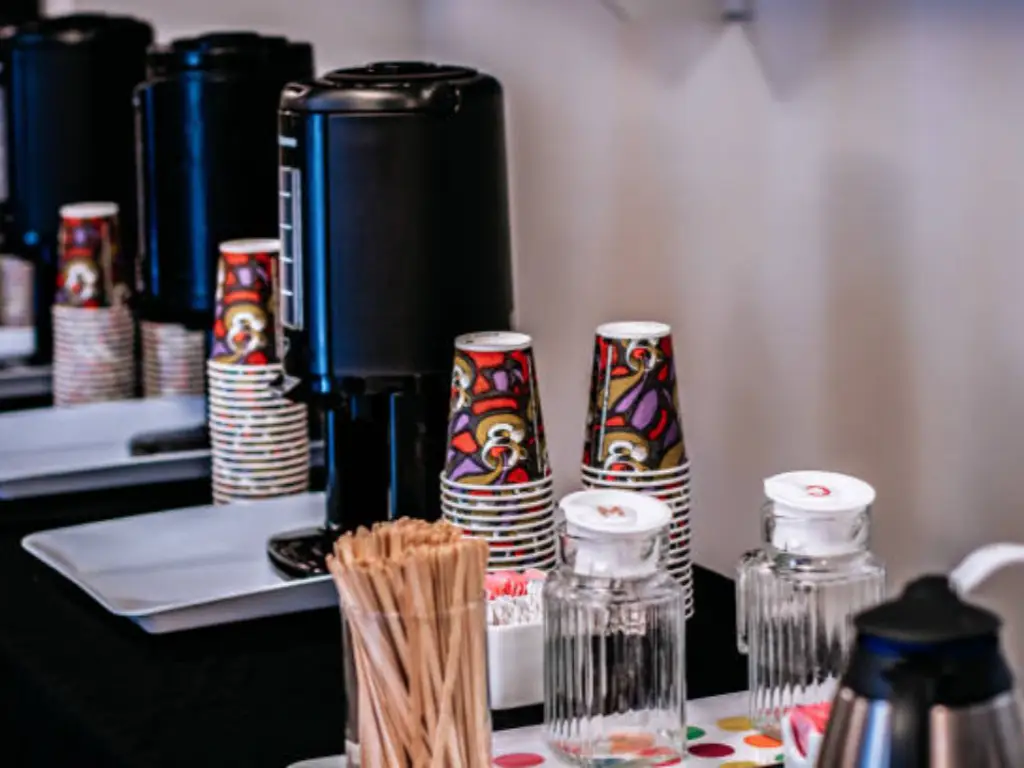
The Margin Sandbox: Consider an independent bubble tea franchise selling 1,000,000 cold drinks a year. To make their colorful drinks look better on Instagram, the marketing team pushes to upgrade from a standard PP cup to a high-clarity PET cup. This upgrade increases the unit cost by just $0.02 per cup. While 2 cents seems microscopic, across an annual volume of one million units, that single material shift instantly erases $20,000 in pure profit margin.
Paper Cup Variables: Single Wall, Double Wall, and Coatings
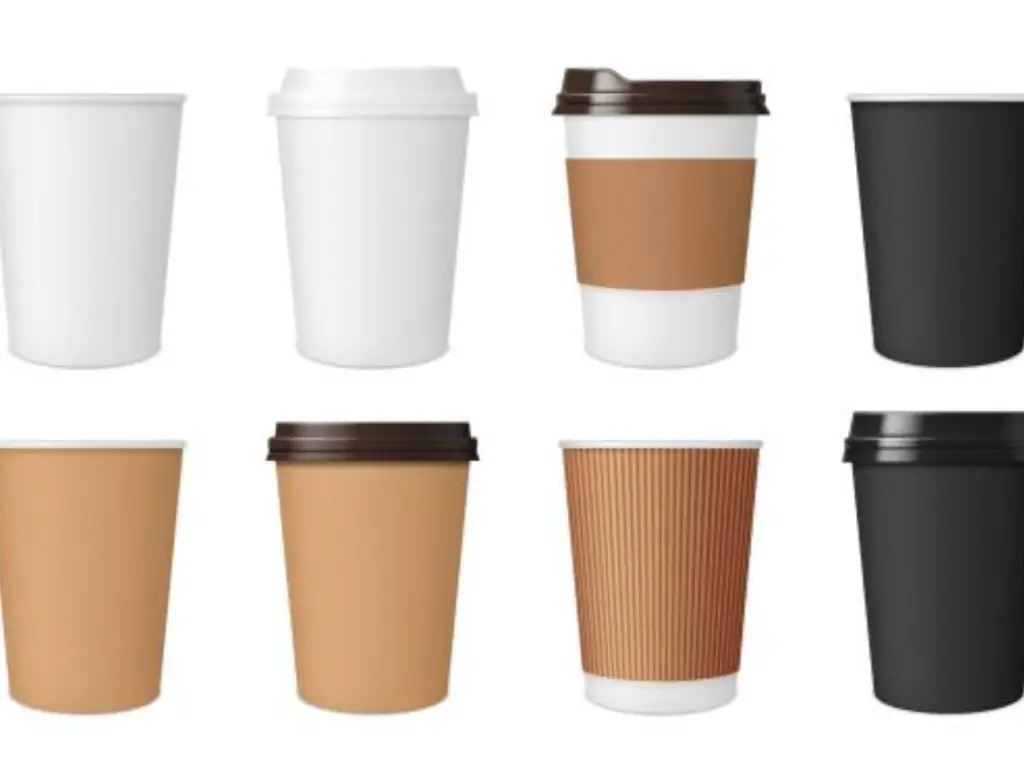
The pricing architecture for paper cups is arguably more complex than plastic. A paper cup is never just paper; it is an engineered product relying on multiple layers to prevent your hot coffee from turning into a lap-scalding lawsuit. The cost of a paper cup is driven by its structural design and its internal barrier coating.
First, consider the paper’s GSM (Grams per Square Meter). A cheap, flimsy cup might use a 280 GSM paperboard, resulting in a product that feels soft and dangerous when filled with hot liquid. Premium manufacturers utilize 320 GSM or higher, offering rigid, reassuring stability—at a proportionately higher cost.
Then comes the structural choice: Single Wall vs. Double Wall. Single wall cups are inexpensive to produce but offer terrible thermal insulation. Double wall cups feature an extra outer layer of paperboard with a small insulating air gap in between. They are significantly more expensive—often double the price of a single wall cup—but they completely eliminate the need for secondary cardboard sleeves.
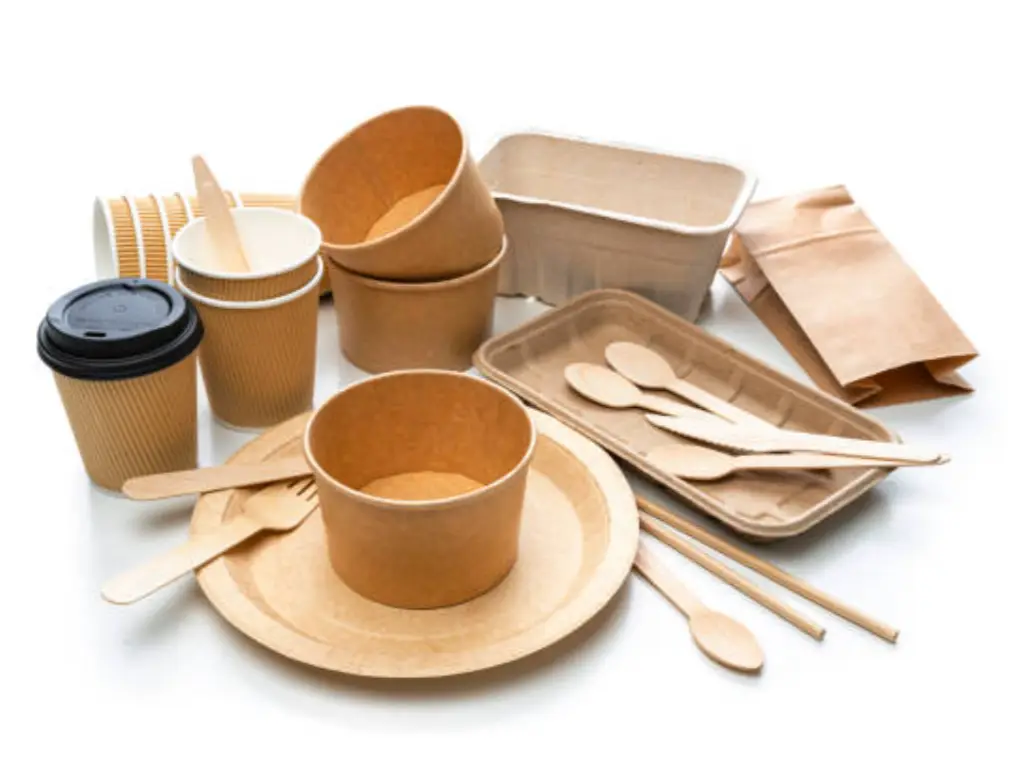
Finally, the internal coating drastically swings the price. Traditional cups use a PE (Polyethylene) plastic lining to achieve 100% leak-proof performance. However, due to global sustainability mandates like the EU’s Single-Use Plastics Directive (SUPD), the industry is shifting toward PLA (Polylactic Acid) linings—a plant-based, industrially compostable alternative. Achieving true BPI (Biodegradable Products Institute) certification with PLA coatings incurs a significant compliance and raw material premium, pushing eco-friendly paper cup prices to the highest tier of the matrix.
Retail Pricing Guide: Disposable Cups for Parties and Office Use
Not every search for “disposable cups price” comes from a corporate supply chain director. If you are an office administrator stocking a breakroom or an individual planning a large weekend event, your purchasing logic should be completely different from a B2B buyer.
Price Expectations for Standard 50 to 100-Count Packs
For B2C consumers and micro-businesses, the optimal purchasing channels are local wholesale clubs (like Costco or Sam’s Club), Amazon, or standard grocery retailers. When buying in retail quantities (typically sleeves of 50 to 100 cups), you should expect to pay a massive premium over factory-direct pricing—usually hovering between $0.10 and $0.30 per unit for standard cold or hot cups.
Why should you gladly pay this premium? Because for small volumes, retail is the most mathematically sound choice. Imagine you are hosting a 50-person backyard barbecue. You could spend $15 locally to get exactly the amount of cups you need immediately. Alternatively, you could find a manufacturer offering cups for $0.04 each—but you would be forced to buy a minimum of 10,000 units and pay hundreds of dollars in freight. For the retail buyer, you are not just paying for the cup; you are paying for the convenience, the packaging, and the elimination of logistics.
Aesthetic vs. Budget: The Premium for Themed and Colored Cups
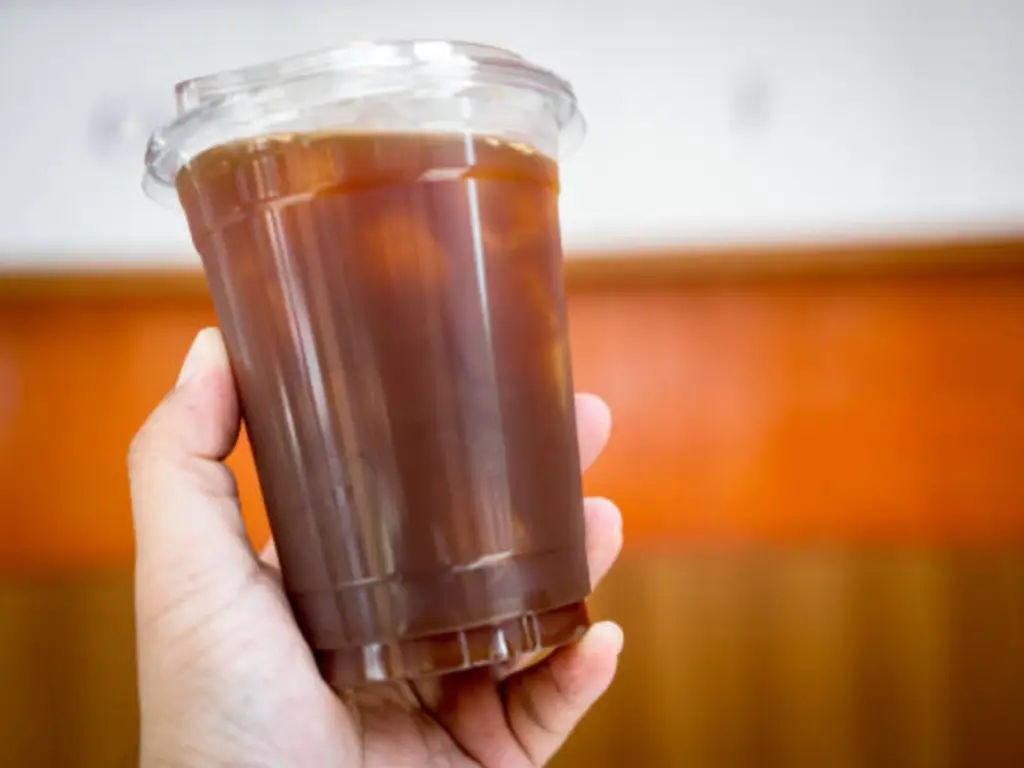
In the retail sector, pricing is heavily driven by visual appeal and emotional value. A standard white paper cup or a clear plastic cup serves as a mere vessel. However, once you introduce non-standard elements—such as rose gold rims, “Happy Birthday” foil stamping, neon colors, or wedding-specific typography—the disposable cups price skyrockets.
These “non-standard” items often command a 50% to 100% aesthetic premium over plain counterparts. Consumers must recognize that when purchasing themed cups, they are no longer merely buying a liquid container; they are investing in event decor and atmospheric props. The manufacturing runs for these specific designs are much smaller, which naturally drives up the retail cost per unit.
Decoding Volume Discounts: From Small Cafes to Container-Load Shipments
For the B2B buyer, the concept of a static “price tag” does not exist. In commercial procurement, price is a dynamic variable governed by the golden rule of manufacturing: MOQ (Minimum Order Quantity). Breaking away from linear retail thinking is essential to optimizing your supply chain.
Volume discounts operate on a cliff-drop mechanism rather than a gentle slope. Your unit price will plummet dramatically as you cross specific logistical thresholds:
- The Box/Case Level (1,000 units): Standard distributor pricing. Ideal for small cafes with limited storage. You pay a high premium for the distributor holding the inventory.
- The Pallet Level (Approx. 20,000 – 30,000 units): The first major price drop. You are now buying enough volume to warrant Less-than-Container Load (LCL) freight shipping.
- The 20ft/40ft Container Level (FCL – Full Container Load): The holy grail of B2B pricing. By purchasing hundreds of thousands of units directly from an overseas manufacturer, you achieve the absolute lowest factory-direct unit cost.
However, B2B buyers must run a careful simulation. If an independent coffee shop uses 5,000 cups a month, buying a full shipping container to secure a $0.03 unit price might seem like a brilliant move. Yet, if that container holds a two-year supply, the cafe has just tied up crucial operating cash flow and must now pay exorbitant monthly commercial rent simply to store empty boxes in their backroom. True procurement strategy balances the MOQ discount against cash flow and local warehousing costs.
The Hidden Costs of Custom Printed Cups for Brand Building
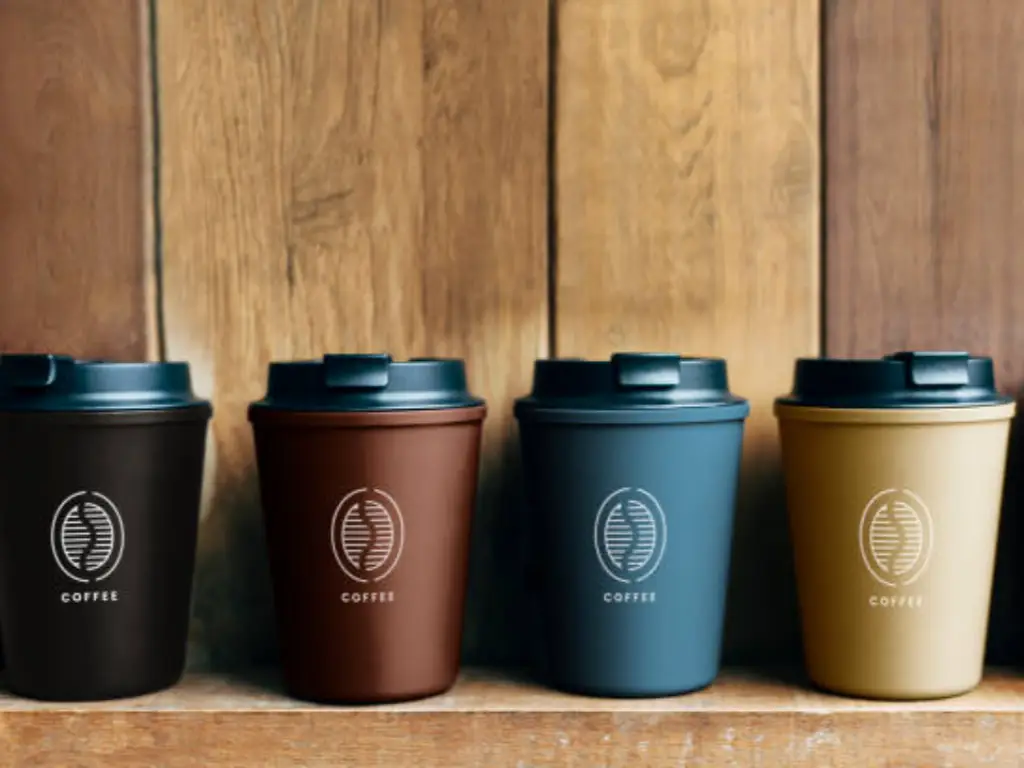
For many coffee shops and corporate brands, a blank cup is a missed marketing opportunity. Adding a custom logo is a standard business requirement, but it radically alters the disposable cups price structure. When moving from blank stock to branded packaging, you are no longer just buying a product; you are commissioning a custom manufacturing run. This introduces fixed industrial costs that buyers must anticipate.
Setup Fees and Plate Charges Explained
In commercial cup manufacturing, printing is typically done via Flexography (Flexo) or Offset printing. Before a single cup is produced, the factory must create physical printing plates—one for every single color in your design.
This is where the “Plate Fee” comes into play. If your logo is a minimalist, single-color design, you only pay for one plate (often around $100 to $200). However, if your marketing team designs a complex, full-color gradient graphic utilizing a 4-color CMYK process, you will be charged for four separate plates. To optimize your budget, intelligent procurement starts in the design phase: keep the color count low to minimize upfront setup costs.
Minimum Order Quantities (MOQ) for Branded Packaging
The most significant hurdle in custom packaging is the minimum order requirement. While you might be able to buy 1,000 blank cups from a local distributor, large-scale factories cannot halt their massive production lines to print a tiny batch. For standard factory-direct custom printing, the MOQ typically starts firmly at 50,000 units.
While some digital printing services offer custom cups at a 1,000-unit MOQ, the unit price is often astronomically high (sometimes exceeding $0.40 to $0.60 per cup). For true B2B scalability, securing the 50,000 MOQ at a factory level is the only way to keep the per-unit printing premium down to a fraction of a cent.
Calculating Total Cost of Ownership (TCO) Beyond the Bare Cup
This is the most critical financial blind spot for B2B procurement. Amateur buyers obsess over the bare cup price found on international sourcing platforms. Professional supply chain directors calculate the Total Cost of Ownership (TCO). The cheapest cup on the market is often the most expensive cup to actually serve to a customer.
The Double-Cupping Dilemma and Accessory Costs
Let us look at a standard mathematical trap: The Single Wall cup vs. The Double Wall cup. A procurement manager might proudly secure a flimsy single-wall hot cup for $0.04. However, because the 280 GSM paper provides zero insulation, customers immediately complain about burning their hands.
To fix this, the barista is forced to either “double-cup” (using two cups per drink) or add a cardboard corrugated sleeve ($0.03 each). Now, your baseline cost is $0.07 per drink. Furthermore, the barista loses 3 to 5 seconds per order assembling the cup and sleeve. If the manager had simply purchased a premium, rigidly insulated Double Wall cup for $0.065, they would have saved money, reduced inventory SKUs, and sped up the drive-thru line.
The “Lid Compatibility Trap” and Spillage Blowback
Perhaps the most devastating hidden cost is lid incompatibility. Many buyers source cups from one factory and lids from another to save half a cent. But cups and lids are engineered with microscopic tolerances regarding the “rolled rim.” When hot liquid warms the paper, a poorly matched lid will warp and pop off.
A single spilled coffee on a commuter’s laptop due to a cheap lid will result in a refunded order, a furious 1-star review on delivery apps, and permanent customer churn. That half-cent savings just cost your business hundreds of dollars in lifetime value.
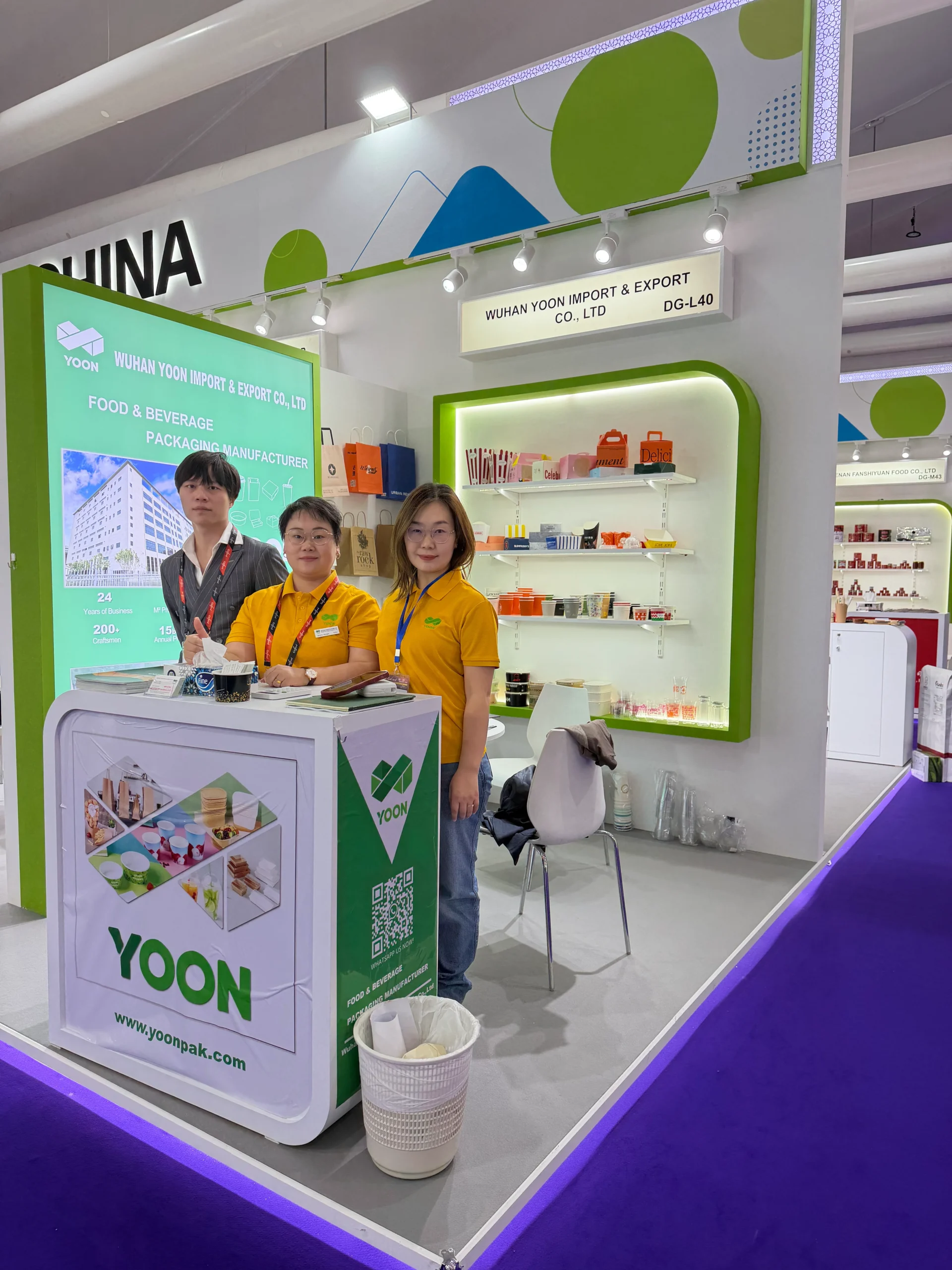
The Industry Standard for Zero-Defect Procurement: Top-tier global chains (like Starbucks or Burger King) eliminate this risk by partnering with consolidated manufacturers. For example, Yoonpak, a leading manufacturer with over 24 years of experience, produces both the cup and the lid within their own 16,000 sqm facility to ensure absolute tolerance matching. They enforce a brutal QC protocol: hourly inspections are mandatory. If a single defect is found, all products made since the last successful test are immediately scrapped.
Because they are so confident in their zero-defect output, Yoonpak offers an unprecedented 1-Year Quality Warranty. If a B2B client experiences any leakage issues, they simply submit a video or photo—no return shipping of defective products is required—and the issue is resolved or remade within 30 days. This level of risk reversal completely eliminates the anxiety of cross-border procurement. Explore Yoonpak’s certified packaging solutions.
Freight and Warehousing Surcharges for Voluminous Packaging
Paper cups and plastic cups share a frustrating logistical trait: they are incredibly light, but they take up a massive amount of physical space. In the shipping industry, this is known as “DIM Weight” (Dimensional Weight). You are not paying to ship paper; you are paying to ship the empty air inside the cups.
When you see an offshore factory quoting $0.02 per cup (FOB), you must factor in the ocean freight, port handling, customs clearance, and final-mile truck delivery (DDP). For voluminous goods, freight can easily double the landed cost of the cup. Once the cups arrive, they must be stored. Commercial retail space in major cities is rented by the square foot. Stacking pallets of bulky cups in a cafe’s backroom or a distributor’s warehouse is a massive drain on overhead costs.
Strategic Procurement Tips to Optimize Your Cup Budget
To stop losing margin on hidden packaging costs, B2B buyers must transition from transactional shopping to strategic supply chain management. Implement these final tactics to optimize your budget:
- Consolidation (The One-Stop Shop): Never fragment your orders. Source your cups, bowls, flat lids, dome lids, and paper bags from a single, fully-certified (BRC, FSC, FDA) manufacturer. This guarantees material compatibility and unlocks the deepest volume discounts.
- Demand Forecasting & Supply Chain Agility: Ordering at the last minute forces you into expensive air freight or high-margin retail distributors. You need a manufacturing partner with immense scale. Manufacturers equipped with over 100+ automated machines can often deliver standard products in 3 to 6 weeks—up to 7 days faster than the industry average.
- Leverage Factory Warehousing: To combat the high cost of local storage for bulky cups, negotiate storage terms with your factory. Elite manufacturers like Yoonpak offer B2B clients 1 month of free warehousing. This allows businesses to produce in massive, cost-effective batches (lowering the unit price) while pulling inventory flexibly, dramatically improving cash flow and freeing up valuable local warehouse space.
Understanding the true disposable cups price means looking past the initial quote. By calculating the total cost of ownership, securing ironclad quality warranties, and leveraging factory-direct warehousing, your packaging shifts from a frustrating expense into a streamlined, margin-protecting asset.



 English
  German
  Spanish
  Italian
  Dutch
Dutch  French