
Fast Food Franchises List: How to Find a High-ROI, Low Cost Fast Food Franchise
Entering the quick-service restaurant (QSR) industry is widely regarded as one of the most accessible pathways to business ownership and portfolio diversification. For decades, ambitious entrepreneurs have searched for the perfect "fast food franchises list" hoping to discover a hidden gem that promises high returns with minimal upfront risk. However, the modern franchising landscape is a complex ecosystem. While a low initial price tag might seem like an open door, it can quickly become a financial trap if you lack the specialized knowledge to evaluate what lies beneath the surface.
The truth is, finding a genuinely profitable, low-cost fast food franchise requires far more than just browsing a directory of brand names and comparing their entry fees. It demands the meticulous scrutiny of a commercial auditor. You need to understand the structural differences between various operational formats, decode complex legal disclosure documents, and identify the hidden supply chain mechanics that can quietly drain your profit margins before you even sell your first meal.
This comprehensive guide is designed to serve as your definitive roadmap. We will strip away the marketing fluff and provide you with a structured, rigorous methodology for evaluating low-cost food franchises in 2026. From mapping out true turnkey costs to equipping you with advanced legal and supply chain benchmarks, this is how you separate the sustainable business models from the high-risk financial sinkholes.
The Reality of Low-Cost Fast Food Franchises in 2026
The phrase "low-cost franchise" often creates a dangerous psychological blind spot for first-time investors. The industry is saturated with advertisements promoting seemingly irresistible opportunities: "Start your own restaurant for just $10,000!" This messaging fosters a binary—and entirely false—mindset that a low entry price either guarantees a risk-free venture or, conversely, signifies a low-quality brand.
To navigate this space safely, you must first master the vocabulary of franchise capital. When brand materials highlight a $10,000 figure, they are almost exclusively referring to the Franchise Fee—the mere licensing cost to use their trademark and operational manual. However, franchise developers evaluate candidates based on two entirely different financial metrics: Liquid Capital et Net Worth.
Liquid capital refers to the unencumbered cash you have immediate access to, without needing to sell assets or secure a loan. Net worth is the total value of your assets minus your liabilities. It is an industry standard that a brand advertising a $15,000 franchise fee will likely require a verified net worth of $150,000 to $250,000, alongside $50,000 in liquid capital. Why? Because the franchise fee is just the down payment. When an inexperienced buyer looks at a $5,000 franchise ad, they see a cheap opportunity; a sophisticated investor sees the preamble to a $75,000 commercial equipment and leasehold improvement invoice. Understanding this distinction is the absolute first step in protecting your capital.

The Iceberg Illusion: Franchise Fees vs. Total Turnkey Costs
If you take away only one principle from this guide, let it be this: never evaluate a franchise opportunity based on its franchise fee. You must always calculate the Total Turnkey Cost. The financial structure of launching a quick-service restaurant functions exactly like an iceberg. The franchise fee is simply the 10% visible above the waterline.
According to historical data patterns analyzed by institutions like the International Franchise Association (IFA), the bulk of your capital will be submerged in the structural and operational necessities required to open the doors. This massive 90% below the surface includes commercial-grade kitchen equipment, Point of Sale (POS) technology systems, initial inventory, architectural planning, and extensive leasehold improvements to ensure the facility meets local health department codes.
Furthermore, a critical component of the turnkey cost that novice operators consistently underestimate is Fonds de roulement. Opening a restaurant is a race against cash burn. You must retain enough liquid reserves to cover payroll, rent, and local marketing for at least three to six months while the business builds its customer base and navigates the "valley of death."
The Auditor's Perspective: Think of the franchise fee as the initial tax you pay to look at the blueprint. The equipment, construction, and working capital are the actual materials and labor required to build the house. Until you have requested and verified the total turnkey cost estimates, you have no business looking at a brand's promotional brochure.
Top Low-Cost Fast Food Franchises: The Format and Capital Tier List
To conduct a meaningful evaluation, we must categorize the chaotic franchise market into distinct, mutually exclusive tiers based on physical format and capital requirements. Comparing a mall kiosk to a standalone drive-thru is a flawed exercise. By segmenting opportunities into a capital tier matrix, you can immediately filter out business models that do not align with your financial capacity, drastically reducing your due diligence time.
Tier 1: Micro-Footprint and Kiosk Models (Under $50,000)
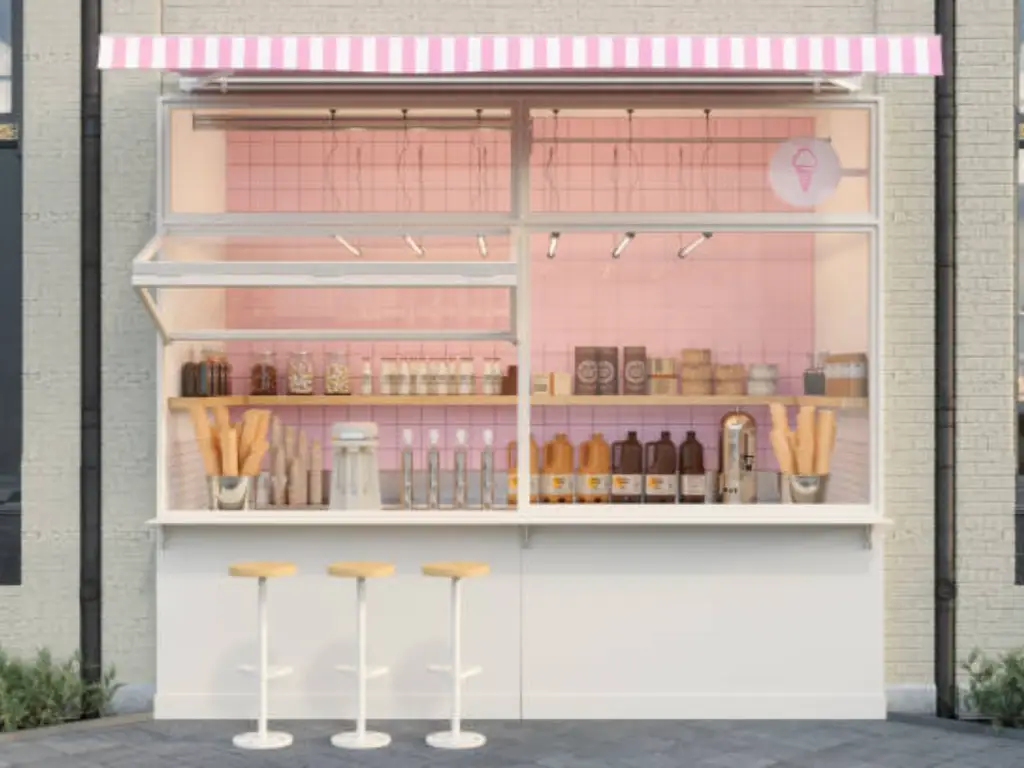
The lowest barrier to entry in the physical food space belongs to the micro-footprint format. These are typically localized mall kiosks, airport pods, or "store-in-store" concepts occupying less than 300 square feet. This tier is dominated by highly specialized product lines: specialty coffee, soft-serve ice cream, pretzels, or smoothies.
| Brand Category / Example Focus | Primary Format | Avg. Franchise Fee | Est. Total Turnkey Cost |
|---|---|---|---|
| Specialty Coffee / Tea Pods | Mall Kiosk | $10,000 – $15,000 | $35,000 – $49,000 |
| Frozen Dessert / Ice Cream | Inline Micro-Store | $15,000 | $40,000 – $50,000 |
| Snack Foods (Pretzels/Popcorn) | Event/Mall Kiosk | $10,000 | $30,000 – $45,000 |
The operational logic here is simple: you achieve a sub-$50,000 turnkey cost by entirely eliminating customer seating and, more importantly, avoiding the installation of heavy-duty commercial kitchen exhaust systems. The sales per square foot can be extraordinarily high. However, the critical vulnerability of Tier 1 is its absolute reliance on existing foot traffic. If the mall's anchor tenant leaves, or foot traffic declines, your revenue will instantly collapse because a kiosk cannot act as a standalone destination driver.
Tier 2: Traditional QSR and Drive-Thrus ($50,000 – $150,000)
Moving up the capital ladder, we enter the domain of the traditional Quick Service Restaurant (QSR). This budget range typically requires securing a leased retail space of 1,000 to 1,500 square feet. Within this tier, the specific food category you choose will violently dictate your build-out costs.
| Brand Category / Example Focus | Primary Format | Avg. Franchise Fee | Est. Total Turnkey Cost |
|---|---|---|---|
| Sandwich & Sub Shops | Inline Retail / Strip Mall | $15,000 – $20,000 | $80,000 – $120,000 |
| Pizza Delivery / Takeout | Retail Storefront | $25,000 | $110,000 – $150,000 |
| Specialty Bakery / Cafe | Inline Retail | $20,000 – $30,000 | $100,000 – $145,000 |
Why does franchising a cold sandwich shop consistently cost less than a fried chicken or burger joint? The answer lies entirely in municipal health codes and leasehold improvements. A sandwich shop requires refrigeration and prep tables. A hot-food QSR requires a Type 1 commercial hood exhaust system and a high-capacity, actively maintained grease interceptor. These two infrastructure requirements alone can add $40,000 to $60,000 to your construction budget before you purchase a single piece of cooking equipment. In Tier 2, you are not just buying a business; you are funding a highly regulated commercial construction project.
Tier 3: Mobile and Virtual Formats (Food Trucks and Ghost Kitchens)
For investors seeking to bypass traditional commercial real estate altogether, Tier 3 offers dynamic, highly adaptable "format-less" alternatives. The food truck and the ghost kitchen (cloud kitchen) represent the modern frontier of low-overhead expansion.
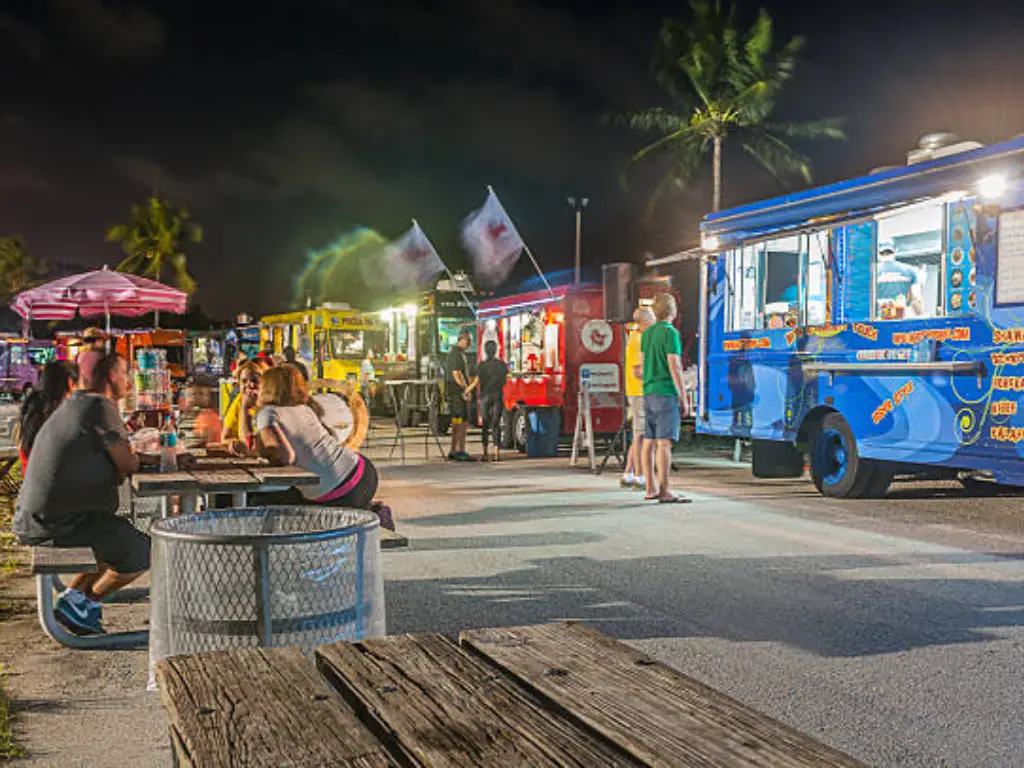
Food trucks generally demand a turnkey investment of $60,000 to $120,000, depending heavily on whether the truck is custom-built or retrofitted. While they offer the ultimate geographic flexibility, allowing you to chase demand at festivals or corporate parks, their financial Achilles' heel is compliance. Almost all jurisdictions require food trucks to rent space at a certified Commissary Kitchen for overnight parking, deep cleaning, and food prep—a hidden monthly operational cost that must be factored into your margins.
Ghost kitchens, conversely, offer an incredibly low initial barrier (often under $40,000 to rent a fully equipped cooking station) because they exist entirely as virtual storefronts on delivery apps like UberEats or DoorDash. However, this model trades real estate rent for digital rent. The fatal flaw of the ghost kitchen is that third-party delivery platforms routinely charge commissions of 25% to 30% per order. Without extreme operational efficiency, these commissions will mathematically eliminate your net profit, leaving you working tirelessly just to break even.
The FDD Audit: Evaluating Franchise Profitability Like a Pro
Once you have identified a tier and format that matches your capital, the real investigative work begins. You must transition from an excited entrepreneur into a ruthless commercial auditor. The singular tool for this process is the Franchise Disclosure Document (FDD), a massive legal document mandated by the Federal Trade Commission (FTC). An amateur reads the marketing brochure; a professional tears apart the FDD.
Decoding Item 19: Financial Performance Representations
Within the hundreds of pages of the FDD, Item 19 is the holy grail. It is the section where a franchisor is legally permitted to disclose the financial performance of its existing outlets. If a brand hands you an FDD and Item 19 is blank or omitted, end the meeting immediately. A brand refusing to share its unit-level economics has something to hide.
When reviewing Item 19, you must exercise extreme skepticism. Do not be seduced by the top-line "Average Gross Sales." Gross revenue is a vanity metric; you cannot deposit gross sales into your bank account. You must dig deeper to find the EBITDA (Earnings Before Interest, Taxes, Depreciation, and Amortization). Furthermore, scrutinize the data sample. Is the franchisor "cherry-picking" by only showing the financials of the top 20% of their legacy stores? Your job is to uncover the median performance, not the outliers. Ask the development director directly: "Based on your Item 19 disclosures, what is the average operating loss and survival rate of the bottom 25% of your franchisees during their first 12 months?"
The Royalty Trap and Item 8 Supply Chain Markups
While Item 19 shows the potential, Item 8 ("Restrictions on Sources of Products and Services") reveals how the franchisor will quietly extract wealth from your operations. The standard franchise model relies on Royalty Fees (typically 5% to 8% of gross sales) and National Marketing Funds (1% to 3%). However, the most insidious profit drain is hidden within the supply chain through "Approved Vendor Markups."
Many franchises that aggressively advertise "low fees" actually operate as covert supply chain monopolies. They mandate, via Item 8, that you must purchase non-proprietary consumables—like paper cups, takeaway boxes, and bags—directly from the corporate office or a strictly restricted vendor list at significantly inflated prices.
As a single-unit operator, you will not have the leverage to negotiate these clauses out of a standard FDD. Therefore, you must use Item 8 as a reverse due-diligence tool to detect "vampire" franchisors. You need a baseline standard of truth. When evaluating the required costs for packaging and consumables, benchmark them against the capabilities of top-tier global manufacturers.
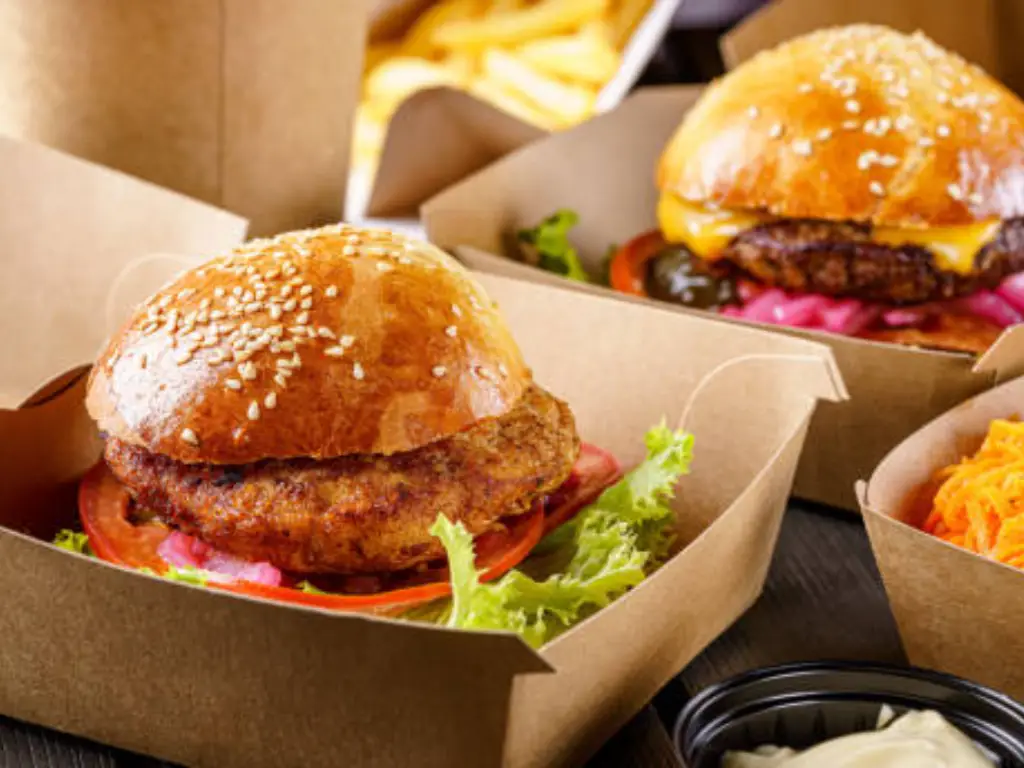
For instance, consider the standards set by an industry powerhouse like Yoonpak—a manufacturing facility with 24 years of experience, holding BRC, FDA, and FSC certifications, and a trusted supplier for global chains like Burger King and Tim Hortons. A source manufacturer of this caliber can provide 100% leak-proof, eco-friendly customized packaging with minimum order quantities (MOQs) as staggeringly low as 50,000 (or even 10,000) units, while offering free warehousing and direct factory pricing.
This is your diagnostic weapon: If you are reviewing a franchise agreement, and you discover the corporate office is forcing you to buy generic, lower-quality paper goods at prices that dwarf what a world-class, zero-defect facility like Yoonpak would charge for premium custom goods, the writing is on the wall. It proves the franchisor is padding their corporate revenue by violently taxing your supply chain, systematically stripping 3% to 5% off your net margin. When you spot this discrepancy, the correct business decision is not to argue with their legal department—it is to walk away and find a franchisor whose profit model aligns with yours, rather than preying upon your operations.

Calculating Your Break-Even Point in the Fast Food Industry
Before signing any franchise agreement, you must build a realistic financial timeline. One of the greatest causes of early franchisee failure is conflating "operational cash flow break-even" with "investment return." You might reach a point in month four where your daily sandwich sales cover your daily rent and payroll (cash flow positive), but it will take much longer to recoup the initial $100,000 you invested to open the doors.
Break-even expectations must be rigorously segmented by your chosen format tier to avoid fatal cash flow anxiety:
- Tier 1 (Micro-Footprint & Kiosks): Because the sunk costs in heavy infrastructure are minimal, a healthy, well-placed kiosk or food truck should target an investment break-even horizon of 8 to 18 months. The velocity of return here should be aggressive to justify the reliance on borrowed foot traffic.
- Tier 2 (Traditional QSR): For standard brick-and-mortar restaurants burdened by leasehold improvements, heavy commercial equipment, and extensive municipal permitting, the industry benchmark for a healthy return on investment spans 2.5 to 4 years.
If any franchise broker promises you a full return on a $150,000 traditional restaurant build-out in under 12 months, you are likely being misled. Prepare your working capital to sustain a realistic timeline.
Making Your Final Franchise Decision
You have categorized your capital, mapped the turnkey costs, audited the FDD, and benchmarked the supply chain ethics. The final step before wiring your franchise fee involves stripping away the corporate narrative and extracting ground truth from the people already living the reality of the business.
Do not rely solely on the "validation list" of top-performing franchisees provided by the corporate office. Select three random, operational stores from the FDD directory and speak directly to the owners. Bypass polite small talk and utilize these three highly targeted, challenger-style questions to break through the facade:
- "During your first 12 months of operation, what was the single largest 'surprise' capital expenditure that headquarters did not adequately prepare you for?"
- "Headquarters promises extensive local marketing and operational support in their pitch. In your daily reality, what percentage of that promised support actually materialized when you were struggling?"
- "Knowing everything you know today about the supply chain costs and actual profit margins, if you could rewind time, would you still sign this franchise agreement?"
If their answers validate your financial modeling, you have found a viable vehicle for your capital. If their answers reveal hidden costs and broken promises, trust your audit, protect your funds, and move on to the next opportunity.



 English
  German
  Spanish
  Italian
  Dutch
Dutch  French