
Unique Coffee Shop Ideas: How to Stand Out (From Floor Plans to Paper Cups)
If you spend any time on Pinterest or Instagram researching coffee shop ideas, you will undoubtedly be bombarded with breathtaking visuals. You will see walls draped in lush tropical greenery, industrial spaces accented with gleaming vintage brass, and minimalist Japandi concepts bathed in soft, natural light. It is easy to get swept away in the romanticized vision of opening your own cafe. You imagine yourself chatting with loyal regulars, pouring the perfect swan latte art, and basking in the ambient glow of your beautifully designed space. However, as any seasoned food and beverage operator will tell you, the most breathtaking aesthetic idea will quickly become a devastating financial black hole if it has not been rigorously interrogated by a merciless financial model. The brutal reality of the hospitality industry is that you are not just selling coffee; you are manufacturing a highly perishable product in real-time, within a highly competitive, low-margin environment. To truly stand out and survive, your “ideas” must transcend wallpaper and furniture. This comprehensive guide will strip away the pink-tinted filter of coffee shop ownership. We will walk you through the hardcore realities of asset allocation, high-ROI business models, operational ergonomics, and finally, the hidden packaging flaws that can destroy your profitability. Prepare to look at coffee shop ideas not as a mood board, but as a bulletproof business strategy.
Defining Your Core Coffee Shop Concept: Aesthetics vs. Reality
Before you purchase a single espresso machine or sign a commercial lease, you must definitively answer one question: What is the core function of your space? In the modern coffee industry, business models are generally split between two polarizing ends of a spectrum: the “Third Place” destination (which prioritizes extended social seating and ambiance) and the “Efficiency-Driven” model (which prioritizes rapid volume, grab-and-go, and delivery). According to recent data from the National Coffee Association (NCA), out-of-home coffee consumption is increasingly dominated by drive-thru and app-based ordering, a trend that accelerated dramatically post-2020 and shows no signs of reversing.
This macro-trend forces a critical decision regarding your financial allocation, specifically the balance between your CAPEX (Capital Expenditure) and OPEX (Operational Expenditure). The “Third Place” model requires massive CAPEX. You are paying for square footage that does not directly generate revenue—bathrooms, lounging areas, and spacious walkways. You must invest heavily in bespoke furniture, high-end HVAC systems, and complex interior build-outs. Conversely, the Efficiency-Driven model drastically reduces CAPEX, shrinking the footprint to the bare minimum required for production, but it places immense pressure on your OPEX. Your staff must be faster, your workflow must be flawless, and your packaging—which becomes the sole physical representation of your brand—must be absolutely premium. Choosing your path on this spectrum is the foundational idea upon which all other decisions are built. Attempting to be a cozy lounge that also handles 300 drive-thru orders an hour will invariably result in operational collapse and customer alienation.
Profitable Business Models: The Asset-Weight Spectrum
If your startup capital is limited, traditional brick-and-mortar storefronts in high-traffic urban centers might be out of reach. The initial deposit, architectural permits, plumbing overhauls, and commercial outfitting can easily exceed hundreds of thousands of dollars before you sell a single cup. However, the industry has evolved. Some of the most lucrative coffee shop ideas today operate outside the traditional paradigm, leveraging lighter asset structures to achieve a remarkably fast return on investment.
The Guerrilla Strategy (Mobile Trucks & Drive-Thru Kiosks)
The “Guerrilla” approach focuses on bringing the coffee directly to the consumer’s daily path, rather than convincing the consumer to detour to a destination. Mobile coffee trucks, trailers, and prefabricated drive-thru kiosks represent the pinnacle of this strategy.
| Modello di business | Estimated Initial Investment (CAPEX) | Location Flexibility & Risk | Regulatory & Permitting Timeline |
|---|---|---|---|
| Mobile Coffee Truck | $40,000 – $90,000 | Extreme. Can pivot to events, festivals, or high-traffic intersections instantly. | Medium. Requires health department commissary agreements and mobile vending permits. |
| Drive-Thru Kiosk | $70,000 – $150,000 | Low once installed, but highly targeted to commuter arteries. | Long. Subject to strict municipal zoning, traffic impact studies, and utilities. |
| Traditional Cafe (1500 sq ft) | $250,000 – $500,000+ | None. You are locked into a 5–10 year commercial lease regardless of foot traffic changes. | Extensive. Architectural reviews, ADA compliance, complex plumbing/electrical permits. |
While the barrier to entry for mobile units is lower, this is where amateur operators frequently face catastrophic failure due to a lack of industrial knowledge. If you are building a coffee truck, you must navigate absolute regulatory red lines. The most critical is The 15% Rule enforced by almost all North American and European Health Departments. When designing your water system, your greywater (wastewater) holding tank must be strictly sized at least 15% larger than your freshwater supply tank. If you install a 30-gallon fresh tank, your greywater tank must be a minimum of 34.5 gallons. Health inspectors will measure this during your final inspection; if you fail, you will be denied your operating permit, rendering your expensive truck useless.
Similarly, if you opt for the Drive-Thru Kiosk, you must understand the uncompromising metric of Window Service Time (WST). In the Quick Service Restaurant (QSR) industry, WST is the heartbeat of profitability. The absolute industry red line is 45 to 60 seconds from the moment a vehicle arrives at the pickup window to the moment they drive away. If your WST creeps past 90 seconds, a deadly domino effect occurs: vehicles spill over into the public roadway, you trigger municipal traffic citations, and frustrated commuters abandon the line, never to return. To achieve a sub-60-second WST, you must ruthlessly simplify your concept. You must eliminate complex, multi-stage pour-overs and intricate latte art. The drive-thru is a machine engineered for speed; your menu and workflow must submit to the stopwatch.
The Leverage Strategy (Hybrid Formats & Co-sharing)
If you desire a physical footprint but wish to mitigate the crushing weight of commercial rent, the Leverage Strategy—or the Hybrid Cafe—is an exceptional idea. This involves operating a coffee bar inside an existing, complementary business. Think of an independent bookstore, a high-end bicycle repair shop, a boutique plant nursery, or a modern art gallery.
This model thrives on the concept of shared Revenue per Square Foot. By partnering with an established retail business, you immediately eliminate your Customer Acquisition Cost (CAC). The host business already has foot traffic; your goal is simply to capture it. The underlying mechanism here is natural cross-selling. A customer waiting 45 minutes for a bicycle tune-up is a captive audience; they are highly likely to purchase a flat white and a pastry to pass the time. Conversely, a customer walking in specifically for your renowned espresso might impulsively purchase a propagated Monstera plant on their way out. The overhead costs (rent, high-speed internet, utilities, security) are fractionalized, allowing the coffee operation to achieve profitability at a much lower daily cup count than a standalone store.
Menu Innovation and High-Margin Product Lines
A comprehensive coffee shop idea must extend beyond the physical space to the actual product you are selling. You cannot build a sustainable business simply by trying to compete with Starbucks or Dunkin’ on the price of a standard Americano. Your menu must be strategically engineered to drive up the average transaction value (ATV) through high-margin, differentiated offerings.
The core strategy is to elevate cheap commodities into premium experiences. For example, while a standard milk latte might yield a 65% gross margin, a signature “House-Crafted Madagascan Vanilla Oat Draft Latte” can command a significant premium, pushing margins well above 80%. Developing in-house syrups, utilizing alternative milks, and offering seasonal, visually striking beverages (like a cascara fizz or a matcha-strawberry fusion) creates a protective moat around your menu. Customers cannot easily price-compare these unique items with the chain store down the street.
Furthermore, your menu strategy should aggressively target B2B (Business-to-Business) revenue streams to stabilize cash flow. Do not just wait for individuals to walk through the door. Develop premium, branded Corporate Gifting packages. Local law firms, real estate agencies, and tech startups are always looking for high-quality, localized gifts for their clients. Offering custom-branded drip coffee bags, curated whole bean subscriptions, or elegantly packaged cold brew concentrates allows you to secure large, recurring wholesale orders that provide financial stability during slow retail months.
Strategic Floor Plan and Barista Ergonomics
One of the most fatal mistakes a first-time coffee shop owner makes is prioritizing interior decoration over operational layout. In commercial design, there is an unbreakable law: Form follows function. You must never finalize your aesthetic themes until you have meticulously engineered your strategic floor plan. If you choose the wallpaper before you map the plumbing, you will inevitably end up tearing down expensive drywall to fix an unworkable workflow.
The heart of your floor plan is the Barista Triangle. Borrowed from classical kitchen design, this principle dictates the physical relationship between the three most critical points of production: the espresso machine, the espresso grinder, and the milk/refrigeration station. In a high-volume environment, the barista must be able to pivot between these three points with no more than one or two steps—a maximum distance of approximately 1.5 meters (5 feet). Every additional step is a micro-tax on your profitability.
Consider the physical toll: If your barista has to take three extra steps to retrieve milk from a standard upright refrigerator located in the back kitchen, and they make 300 milk-based drinks a day, they are walking an unnecessary 1,800 steps during their shift. This completely shatters your cups-per-hour metric. During the critical 7:00 AM to 9:00 AM morning rush, this inefficiency translates directly into a line backing out the door, causing impatient commuters to walk away. The industrial solution is mandatory investment in Undercounter Refrigeration. By shifting your budget away from unnecessary cosmetic ceiling fixtures and investing in commercial-grade, under-bar fridges, the milk is positioned directly beneath the steam wands. The barista merely drops their hand, retrieves the milk, and continues production without moving their feet. Ergonomics is not a luxury; it is the engine of your revenue.
Immersive Interior Design and Aesthetic Themes
Once the relentless machinery of your operational floor plan is locked into place, you can finally drape it in a compelling visual identity. The aesthetic you choose should serve as a physical manifestation of your brand’s ethos, but it must be executed with an awareness of commercial realities.
Minimalist and Japandi Spaces
The Japandi aesthetic—a hybrid of Japanese wabi-sabi and Scandinavian minimalism—remains incredibly popular. It relies on extensive negative space, neutral palettes, raw timber, and an abundance of natural light. Visually, it projects calm and sophistication. Financially, it can be appealing because it requires fewer decorative elements. However, the hidden danger of minimalist design is the acoustic disaster it often creates. Hard, flat surfaces—polished concrete floors, bare drywall, and unadorned wooden tables—act as massive sound reflectors. The high-pitched whine of a commercial grinder, the roar of a steam wand, and the chatter of fifty customers will bounce uncontrollably, creating an ear-splitting cacophony. A customer seeking a quiet place to read or work will be driven out in minutes. To successfully execute this idea, you must invisibly integrate acoustic treatments. You will need to invest in sound-dampening ceiling baffles, acoustic panels hidden beneath tables, or micro-perforated acoustic plaster to absorb the reverberation.
Vintage and Industrial Roastery Vibes
If your concept involves roasting your own beans on-site (the ultimate “show-and-tell” coffee experience), the Industrial aesthetic is a natural fit. Exposed brick, visible HVAC ductwork, raw steel fixtures, and vintage Edison lighting create a rugged, authentic atmosphere that psychologically primes the customer to perceive your coffee as a highly specialized, artisanal product worthy of a premium price tag. However, the commercial reality of roasting is severe. You cannot simply install a commercial roaster in a retail space without addressing emissions. During the roasting process, coffee beans release significant amounts of smoke, particulate matter, and intense odors (chaff and volatile organic compounds). If you exhaust this directly into a dense urban neighborhood, you will be hit with immediate complaints from residents and subsequent citations from the Environmental Protection Agency or local zoning boards. You must factor in the massive cost of an Afterburner (Thermal Oxidizer)—a secondary combustion unit that incinerates the smoke and odor before it leaves the chimney. This is a non-negotiable regulatory parameter for the industrial roastery model.
Mastering the Takeaway Experience: The Hidden Profit Killer
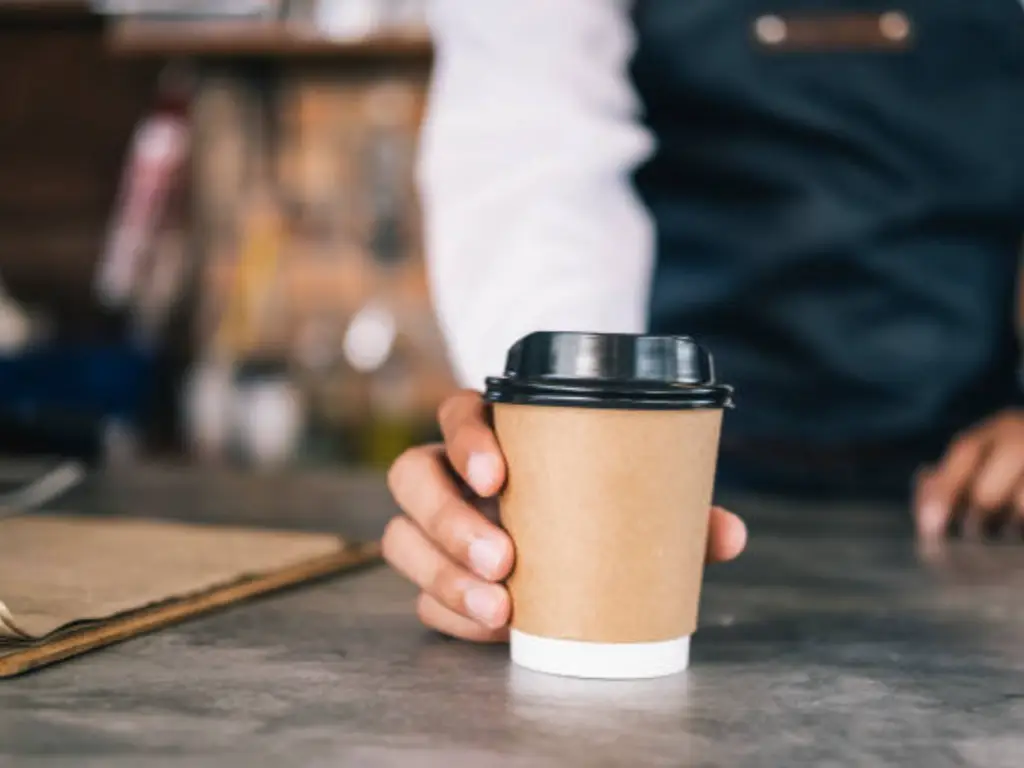
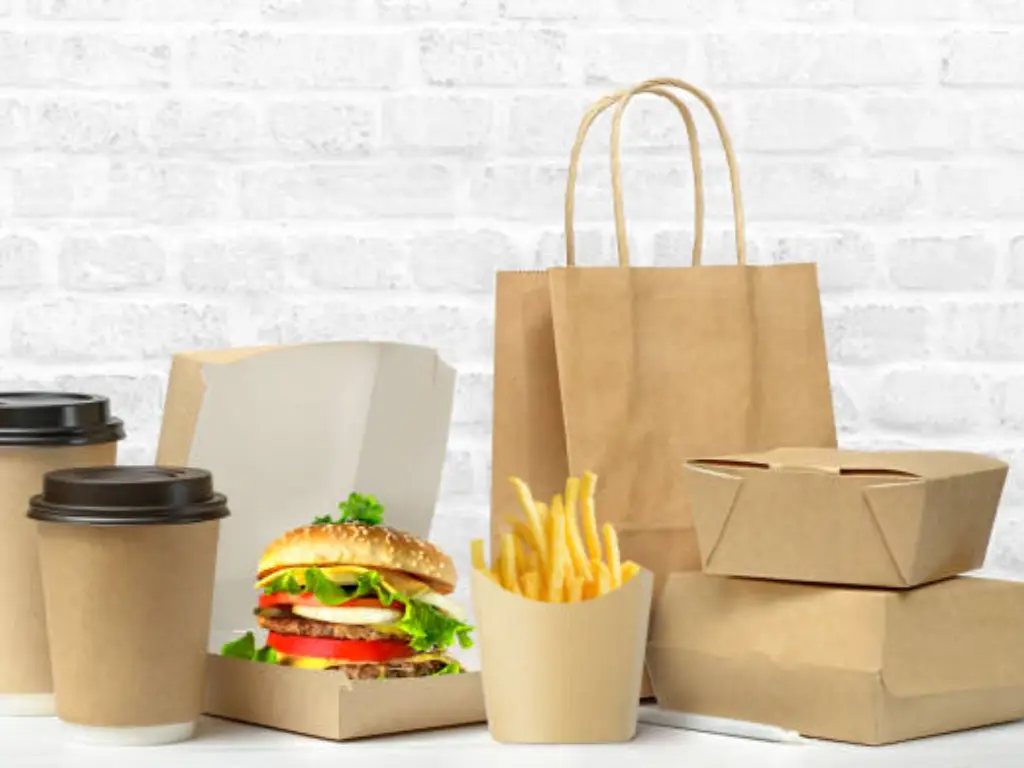
We have discussed asset structures, workflow ergonomics, and beautiful interior designs. Yet, many owners invest half a million dollars into an immaculate physical space, only to completely neglect the one item that carries their brand out into the world: the disposable paper cup. In the modern coffee economy, upwards of 50% to 70% of your revenue will walk out the front door. The moment a customer leaves your beautifully designed shop, their entire physical experience of your brand is reduced to a cardboard cylinder and a plastic lid.
The Cost of a Leaky Cup (The Problem)
Let us examine the catastrophic fallout of cheap packaging. You have sourced expensive, 88-point single-origin Geisha beans. Your barista has perfectly extracted the shot using a $20,000 espresso machine. The coffee is phenomenal. But to save three cents per unit, you purchased unbranded, low-tier paper cups from a generic supplier. This introduces two fatal technical failures: lack of Lid Seal Integrity e Odor Migration.
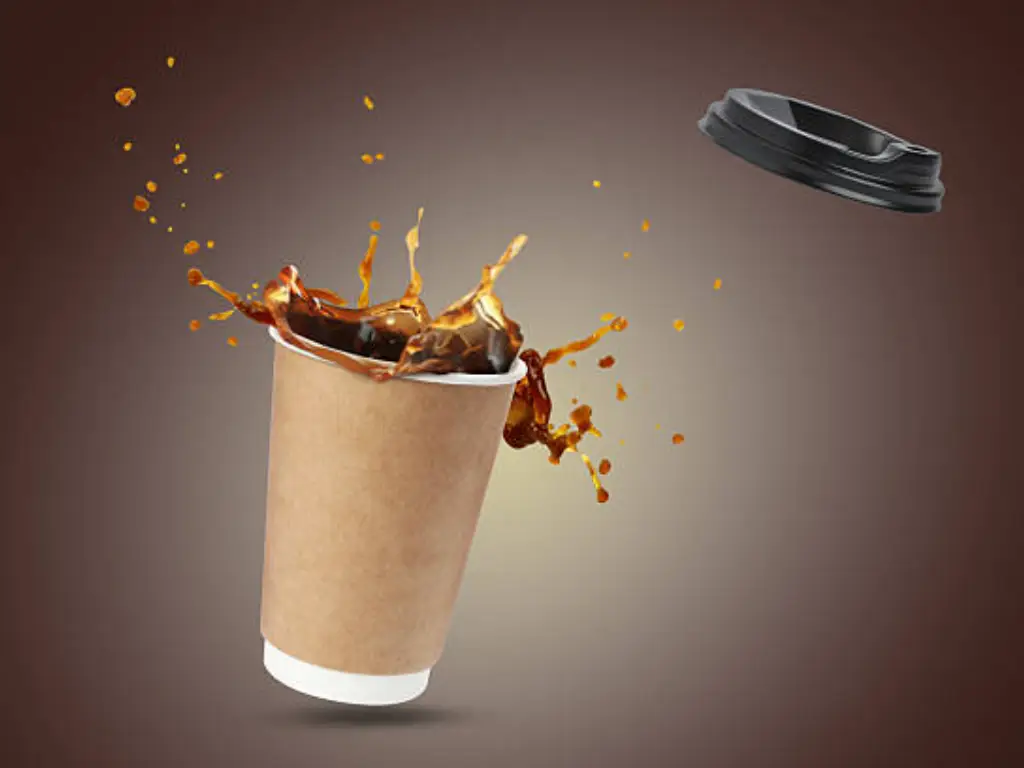
Because the rim rolling process on cheap cups is imprecise, the lid does not seat securely. Imagine a professional on her way to a crucial morning meeting. She grabs a latte from your drive-thru. As she accelerates onto the highway, the weak seal fails, and hot coffee leaks onto her crisp white shirt. In that instant, it does not matter how good the coffee tasted; her morning is ruined. You have not just lost a $5 sale. You have destroyed a customer whose Lifetime Value (LTV) could have been $500 over the next two years. Furthermore, she will tell her entire office to avoid your establishment. Additionally, cheap cups often utilize industrial petroleum-based inks. When exposed to 180°F liquid, these inks volatize, migrating a subtle chemical odor into the beverage, entirely destroying the delicate floral aromatics of your expensive Geisha beans. You are effectively sabotaging your own product.
Securing Your Brand’s Mobile Billboard (The Solution & CTA)
Your takeaway packaging is a mobile billboard and the ultimate guardian of your product’s integrity. To protect your brand, you must treat your supply chain with the same rigorous standards as the world’s largest food service empires. You need a packaging partner that utilizes 100% leak-proof sealing technology, food-grade soy or water-based inks that guarantee zero flavor disruption, and double-wall insulation that eliminates the need for clumsy cardboard sleeves.
This is precisely where YoonPak becomes your strategic advantage. YoonPak is the silent, heavyweight manufacturing force behind global giants like Burger King, Tim Hortons, and ILLY. They possess a staggering annual production capacity of 16 billion cups and adhere to a zero-defect quality control protocol involving hourly inspections.
However, you might think: “I am just opening an independent local cafe; a massive manufacturer serving Burger King will not care about my small volume.” This is the crucial difference. YoonPak understands the lifeblood of the specialty coffee movement and has established a dedicated SMB (Small and Medium Business) division specifically to empower independent operators. This means you can access the exact same leak-proof engineering, the same eco-friendly PLA linings, and the same high-definition, odor-free printing technology as the global chains, but with an extraordinarily low Minimum Order Quantity (MOQ) starting at just 10,000 units. They even provide free internal design support and digital proofs within 24 hours.
Do not allow a $500,000 cafe build-out to be ruined by a failing three-cent cup. Before you finalize your coffee shop ideas, you must verify your packaging firsthand. Click here to contact YoonPak and request your Free Sample Kit. Once you receive the samples, we challenge you to perform two extreme tests: The 15-Minute Inverted Leak Test (fill the cup with hot water, seal the lid, and turn it completely upside down for 15 minutes) and The 100°C Boiling Water Odor Test (fill the cup with pure boiling water, cover it, wait 3 minutes, and smell the interior). Compare the results against your current supplier, and you will instantly understand the profound gap between amateur supplies and true, giant-tier manufacturing.



 English
  German
  Spanish
  Italian
  Dutch
Dutch  French