
Disposable Coffee Cup Price Breakdown: Real Costs vs. Hidden Fees
In the highly competitive food and beverage industry, packaging procurement is rarely as simple as looking at a price tag. If you are a procurement manager, a coffee chain owner, or an F&B supply chain director, you have likely browsed B2B directories and been bombarded with disposable coffee cup prices as low as $0.005 per piece. But here is the uncomfortable truth: unit price is an illusion. For commercial buyers, focusing solely on the initial quoted price without understanding the manufacturing mechanics and supply chain variables is a guaranteed way to bleed profit.
As we navigate the 2024-2026 global market, the persistent volatility of raw materials—specifically Bleached Hardwood Kraft Pulp (BHKP) and Northern Bleached Softwood Kraft (NBSK), which frequently swing by $50 to $100 per metric ton—combined with tightening environmental regulations and skyrocketing freight rates, is fundamentally reshaping the packaging landscape. The difference between a thriving, cost-optimized supply chain and a logistical nightmare often comes down to a fraction of a cent and the hidden fees attached to it. In this comprehensive breakdown, we will dissect the true economics of disposable coffee cups. We will strip away the marketing jargon and reveal the real costs, from wall structures, paper grammage (GSM), and the complete Bill of Materials (BOM), to custom printing plate fees and global freight supply chain dynamics. By the end of this guide, you will be equipped to calculate your Total Cost of Ownership (TCO) and evaluate suppliers like a seasoned industry insider.
Current Wholesale Price Benchmarks for Disposable Coffee Cups
To establish a baseline, we must first look at the current market realities based on raw commodity indexing. The prices you see scattered across wholesale platforms are frequently “clickbait” quotes based on non-food-grade recycled materials or impractically small sizes (like 4oz tasting cups). To run a legitimate, safe, and brand-positive coffee operation, you must source cups made from 100% Virgin Wood Pulp. Anything less compromises both structural integrity and FDA/LFGB food safety compliance.
Below is a realistic Ex Works (EXW) wholesale price matrix for premium, food-grade disposable coffee cups. These estimates are based on a standard Minimum Order Quantity (MOQ) of 50,000 pieces, utilizing standard PE coating, without custom printing fees, and anchored to current global pulp commodity pricing.
| Tamaño de la taza (oz) | Single Wall (Est. Price/pc) | Double Wall (Est. Price/pc) | Recommended Use Case |
|---|---|---|---|
| 8 onzas | $0.022 – $0.028 | $0.040 – $0.048 | Espresso, Flat White, Cortado |
| 12 onzas | $0.028 – $0.035 | $0.048 – $0.058 | Standard Latte, Cappuccino, Drip Coffee |
| 16 onzas | $0.035 – $0.042 | $0.055 – $0.068 | Large Iced Beverages, Venti Hot Drinks |
It is crucial to understand that these numbers represent the “naked” factory price. When you encounter a supplier offering a 12oz cup for $0.015, your immediate response should be to ask three qualifying questions: “Is this food-grade? Is it virgin pulp? Is it at least 300 GSM?” If the supplier hesitates or pivots the conversation, you have just avoided a catastrophic purchase.
Wall Structure Economics: Single, Double, and Ripple Wall Cost Dissection
The physical construction of the cup is the primary driver of its base cost. Buyers often make the mistake of defaulting to the cheapest structural option without calculating the operational consequences. The choice between single wall, double wall, and ripple wall cups fundamentally alters not just your invoice, but your customer experience and brand perception.
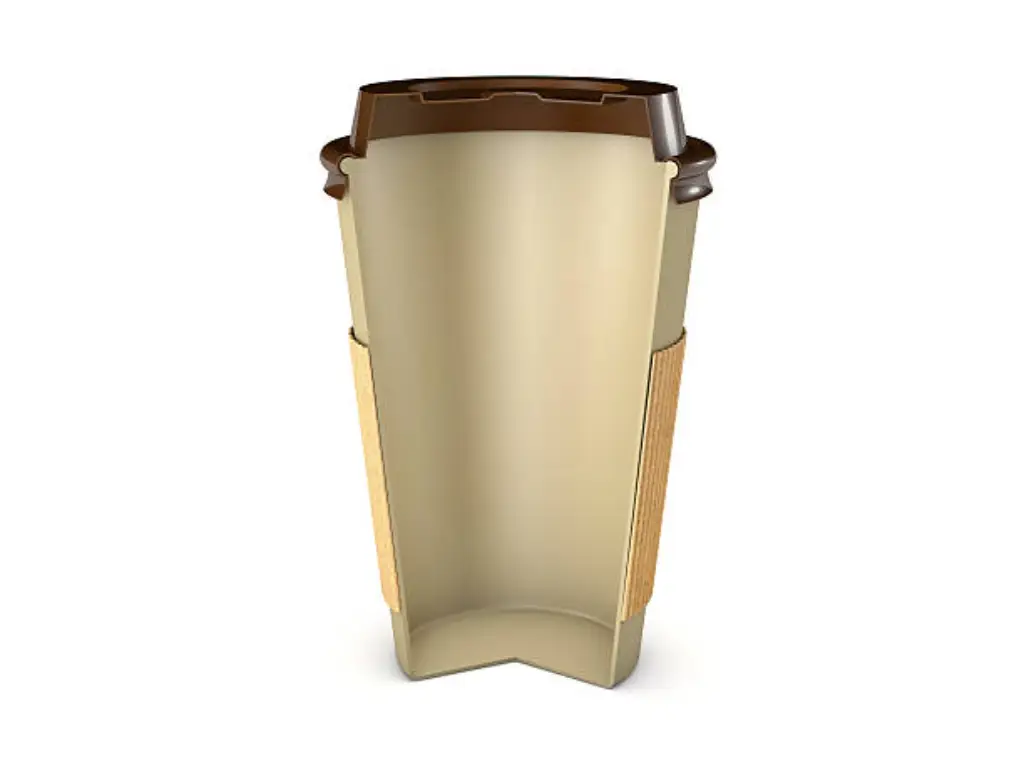
Single Wall Cups: The Low-Cost Illusion
Single wall cups are the industry standard for cold beverages and water coolers. Because they utilize only one layer of coated paperboard, they represent the absolute floor of disposable coffee cup pricing. However, using them for hot beverages creates a costly operational trap.
When you serve a 90°C (194°F) Americano in a single wall cup, it is instantly too hot to hold comfortably. To prevent burning your customers, you are forced to purchase corrugated kraft paper sleeves. While you might save $0.015 per cup by choosing single wall over double wall, a quality custom sleeve will cost you between $0.015 and $0.02 per piece. Not only does this negate your initial savings—making the total physical cost equal to or higher than a double wall cup—but it also slows down your barista during peak hours. Wasting three seconds applying a sleeve to every cup over a morning rush significantly impacts your throughput and labor efficiency.
Double and Ripple Wall Cups: The Insulation Premium
Double wall cups feature an inner paper wall and an outer paper wrap, separated by a microscopic air gap. This air gap insulation is a marvel of packaging engineering, eliminating the need for an external sleeve while keeping the beverage hot and the customer’s hands comfortable. Ripple wall cups take this a step further by using a corrugated outer layer, offering the highest level of heat retention and a premium tactile grip.
Why do these cost $0.02 to $0.04 more per piece? The physics of manufacturing dictate the price. A double wall cup requires approximately 40% to 50% more raw paper pulp than its single wall counterpart. Furthermore, the manufacturing process requires a secondary forming machine to apply the outer wrap, which slows down the overall production line speed. Despite the higher upfront cost, specialty coffee shops with an average ticket size over $4 almost exclusively utilize double or ripple wall cups. The insulation premium pays for itself by streamlining inventory management and elevating the perceived value of the brand.
The Hidden Cost Driver: Paper Grammage (GSM) Explained
If there is one technical specification that separates amateur buyers from procurement veterans, it is Grams per Square Meter (GSM). GSM measures the density and thickness of the paperboard. When two factories offer wildly different prices for an identical-looking 12oz single wall cup, the cheaper option is almost certainly cutting corners on GSM.
According to ISO 536:2019 standards for paper grammage determination, the structural integrity of a cup under heat and moisture stress relies entirely on this metric. Reputable manufacturers submit their products to rigorous SGS drop tests and compression tests to ensure safety. For a commercial-grade coffee cup, there is an absolute red line: an 8oz cup must never fall below 250gsm, and 12oz to 16oz cups must utilize at least 300gsm to 320gsm paperboard. The bottom roll (the seal at the base of the cup) requires extreme density to prevent catastrophic failure when exposed to acidic, near-boiling coffee.
Consider this scenario: You find a supplier offering 16oz cups made from 210gsm paper, saving you $0.005 per unit. Serving a large, hot latte in a 210gsm cup is akin to holding water in standard A4 printer paper. Within minutes, the cup walls soften, the structural integrity collapses, and the lid pops off. The $0.005 you saved translates directly into a customer spilling hot coffee on a tailored suit, resulting in a $200 dry cleaning reimbursement and a permanently lost patron. You must never negotiate on GSM to hit a target price.
Navigating Eco-Friendly Premiums: PE, PLA, and Aqueous Coatings
Paper alone cannot hold liquid; it requires a waterproof barrier. The type of inner lining you choose dictates not only the cup’s environmental footprint but also causes significant fluctuations in your unit price. Balancing sustainability goals with profit margins is the modern procurement manager’s greatest challenge.

Traditional PE and PLA: The Market Standards
Polyethylene (PE) coating is the traditional, petroleum-based plastic lining used in the vast majority of disposable cups. It is highly effective, handles extreme temperatures flawlessly, and is the most cost-efficient option available. However, it makes the cup difficult to recycle in standard municipal facilities.
Polylactic Acid (PLA), derived from renewable resources like corn starch or sugarcane bagasse, is the most common eco-friendly alternative. It is commercially compostable, allowing brands to market their packaging as “green.” However, PLA comes with a harsh reality check. Due to the complex extraction process and limited raw material supply, PLA coatings carry a 15% to 25% price premium over PE. More importantly, PLA is designed to degrade. It typically has a shelf life of 12 to 18 months in a warehouse. If you over-order to meet a high MOQ and store PLA cups in a humid environment for two years, the lining will begin to break down, leading to massive leakage issues across your entire inventory.
Next-Generation Aqueous Coatings: Dodging Plastic Taxes
The bleeding edge of cup manufacturing is Aqueous Coating (Water-based coating). Unlike PE or PLA, which are laminated onto the paper as a distinct film, aqueous coatings are painted onto the paper fibers and dried. This creates a fully recyclable product that can be thrown into a standard paper recycling bin without requiring specialized commercial composting facilities.
While aqueous coatings cost about 10% more than traditional PE, they are a strategic financial maneuver in regions with strict environmental laws. Under directives like the European Union’s Single-Use Plastics Directive (SUPD), traditional plastic-lined cups are subjected to heavy packaging taxes and strict labeling requirements. By absorbing the 10% premium for aqueous coatings, forward-thinking brands can completely bypass these punitive plastic taxes, often resulting in a lower net cost while drastically improving their ESG (Environmental, Social, and Governance) profile.
The Complete BOM: Factoring in Lids and Essential Accessories
A fatal flaw in B2B purchasing is evaluating the cup’s price in a vacuum. A coffee cup is never served in isolation. To calculate an accurate Bill of Materials (BOM) and understand your true serving cost, you must factor in the complete physical accessory ecosystem.
Lids are a non-negotiable accessory that often shocks buyers with their cost impact. A standard flat or dome lid made from PS or PET plastic will add an unavoidable $0.01 to $0.02 to your per-serving cost. If you are pursuing a 100% eco-friendly strategy, be prepared for sticker shock: compostable CPLA lids or Molded Pulp lids can easily cost $0.03 to $0.05+ each. In many premium sustainable packaging setups, the lid actually costs more than the cup itself.
Furthermore, an accurate TCO calculation for takeout or delivery scenarios must account for micro-accessories. The modern F&B delivery ecosystem demands spill stoppers (plugs) to prevent splashing during transit, as well as paper straws or wooden stirrers. Overlooking these items—which typically add $0.002 to $0.01 per serving depending on material—will cause your per-cup profit projections to collapse at scale. Always ask suppliers to quote the complete “Cup + Lid + Accessories combo” to avoid blowing your operational budget at the last minute.
The Reality of Custom Printing and Branding Costs
A blank white cup is a missed marketing opportunity, but custom branding is where many hidden fees reside. Buyers often assume that printing a logo is as simple as running paper through an office printer, completely unaware of the industrial prepress requirements and technological limitations that inflate their invoices.

Standard Flexo vs. High-Definition (HD) Flexography
A common misconception among amateur buyers is the necessity of Offset printing for complex graphics. In reality, Offset is a sheet-fed process using inks that often struggle to meet stringent low-odor, food-grade standards efficiently at massive scales. Therefore, it is rarely the best choice for high-volume paper cup manufacturing.
The true industry standard for high-volume food packaging is Flexography (Flexo). If your brand features a minimalist, 1-to-2 color vector logo, Standard Flexo is highly cost-effective and uses food-grade soy or water-based inks that are odorless and safe. But what if your design requires a full-wrap, photorealistic image with complex CMYK gradients? Modern manufacturers utilize High-Definition Web Flexography (HD Flexo). By deploying advanced 6-color or 8-color flexo presses, HD Flexo achieves photorealistic quality and precise Pantone (PMS) color matching directly on roll-fed paper, combining supreme visual fidelity with rigorous food safety standards.
Plate Fees and Pre-press Hidden Charges
The most frequently overlooked expense in customized packaging is the “Plate Fee” (or cylinder fee). In industrial flexographic printing, a physical polymer plate must be custom-engraved for your specific design. The legacy industry standard dictates charging between $50 and $100 per color. If your logo is a complex CMYK design, your plate fees alone could reach $300 to $400 before a single cup is even manufactured. This is historically why many factories refuse custom orders under 100,000 pieces or bury the plate costs in an inflated unit price.
Industry Standard Benchmark: However, industry standards are being fundamentally reshaped by digital innovation and centralized production. Forward-thinking manufacturers are eliminating traditional prepress bottlenecks to support scalable growth. For instance, manufacturers like Yoonpak—leveraging over 24 years of packaging supply chain expertise and servicing global giants like Tim Hortons and Burger King—have optimized their advanced 6-color HD flexo lines to pull the custom MOQ threshold down to just 50,000 pieces (and even 10,000 pieces if the buyer absorbs freight). By offering plateless digital proofs within one working day, shipping physical samples within 48 hours, and absorbing heavy traditional plate fees for scalable orders, they drastically reduce the financial risk and cash flow burden for independent coffee chains.
Supply Chain Dynamics: MOQ and Global Freight Costs
Once the physical product is perfectly specified, the final frontier of pricing lies in supply chain mechanics. The interplay between production scale and global logistics will ultimately determine your landed cost. Grouping these elements together is vital, as production economics and spatial logistics are intrinsically linked.
Unpacking the Minimum Order Quantity (MOQ) Matrix
Understanding the leverage of volume is essential for mastering packaging procurement. The price of a disposable coffee cup drops like a waterfall as your order volume increases. A cup that costs $0.05 at a 10,000-piece volume might drop to $0.035 at 100,000 pieces, and hit rock bottom at $0.025 when you order 1,000,000 pieces.
Why do factories enforce MOQs and offer such massive discounts for volume? It comes down to machine setup waste. Every time a paper cup forming machine is recalibrated for a new size or a printed design, the first 500 to 1,000 cups produced are defective test runs that must be discarded to ensure perfect seal integrity. If you only order 5,000 cups, the cost of those 1,000 wasted cups is amortized across your tiny order, driving the unit price sky-high. In a massive run of a million cups, that setup waste becomes statistically insignificant.
Global Freight, CBM, and Dimensional Weight
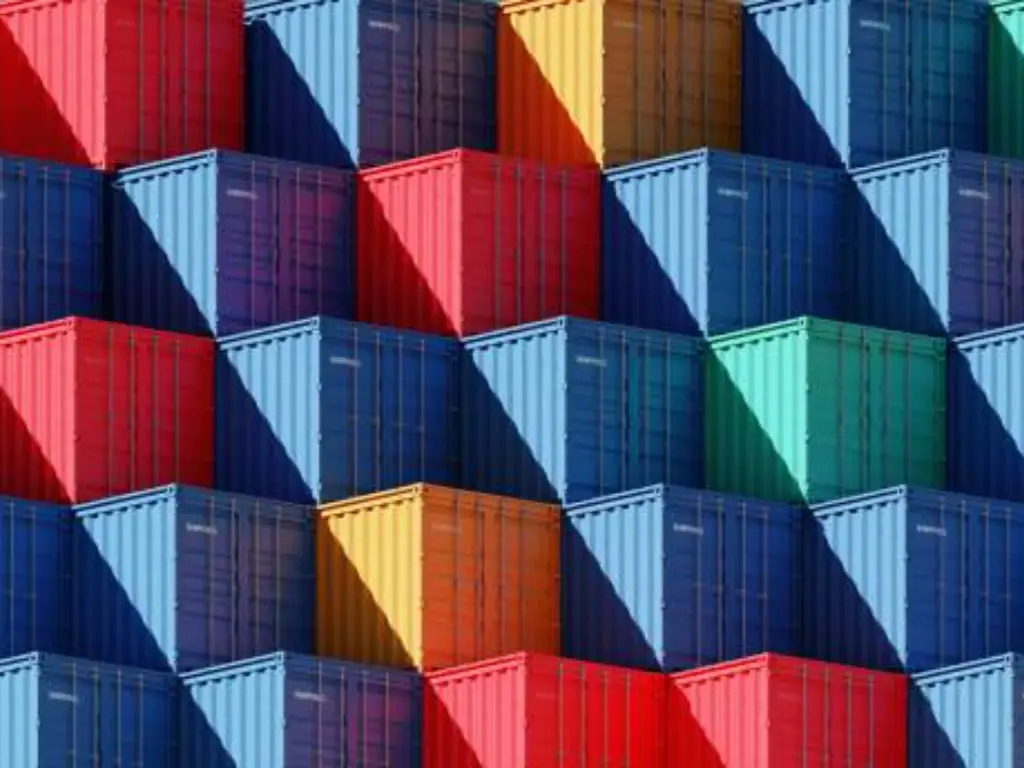
However, aggressive procurement managers often fall into the trap of over-ordering to secure the absolute lowest unit price. This is where logistics clash with production. Paper cups are the ultimate “dimensional weight” cargo—they take up massive amounts of physical space while weighing very little. Consequently, ocean freight pricing is calculated by Cubic Meters (CBM), not raw tonnage.
Let's run the math: A standard 40-foot High Cube (40HQ) shipping container can hold approximately 1,000,000 single wall 12oz cups. If the ocean freight from Asia to the US or Europe is $6,000, the freight cost per cup is just $0.006. However, if you order double wall cups, their thicker profile means that same 40HQ container can only fit about 500,000 cups. Suddenly, your freight cost doubles to $0.012 per cup. Mastering supply chain dynamics means balancing the MOQ production discount against your warehouse storage costs and exact container volumes (20’GP or 40’HQ), ensuring you are not paying to ship or store empty air.
Procurement Strategy: Zero-Defect Delivery as the Ultimate Cost Saver
We have dissected grammage, wall structures, eco-premiums, plate fees, BOM ecosystems, and global freight. Yet, the single most expensive hidden fee in international packaging procurement does not appear on any invoice: The cost of a defective batch.
Receiving 100,000 cups with leaking bottom seals, peeling PLA linings, or foul-smelling ink is a business-ending disaster. The hidden costs of product recalls, refunding angry customers, attempting to navigate cross-border returns, and rushing emergency replacement orders from local distributors will instantly obliterate any pennies you saved by choosing the cheapest factory on a B2B directory.
This reality is why top-tier global food chains refuse to gamble on price alone and instead align with manufacturers whose operational scale guarantees absolute reliability. Real cost-saving comes from ruthless quality control. Industry leaders like Yoonpak—operating an annual production capacity of 16 billion cups across 16,000 square meters of highly automated facilities—enforce destructive quality checks every single hour. They operate under a strict standard: if a single defect is found, every product made since the last successful test is immediately scrapped. Traceability is guaranteed via production timestamps printed on the base of every cup, bringing the possibility of delivering defective products to absolute zero.
Furthermore, evaluating a supplier’s post-purchase infrastructure is vital to your TCO. Top manufacturers eliminate the typical friction of cross-border claims. Under Yoonpak’s 1-year warranty, if an unlikely leakage issue occurs, clients simply provide video or photographic evidence to trigger a remake or compensation within 30 days—no expensive return shipping required. To solve the dilemma of MOQ versus warehouse space discussed earlier, Yoonpak even offers 1 month of free warehousing, allowing clients to lock in bulk pricing while maintaining flexible, on-demand shipping schedules.
Stop paying for hidden inefficiencies and start building a resilient, cost-effective packaging supply chain. If you are ready to secure factory-direct pricing backed by zero-defect manufacturing standards, contact Yoonpak today to request your free standard samples and receive a transparent, fully itemized custom quote.




 English
  German
  Spanish
  Italian
  Dutch
Dutch  French