
With the global rollout of plastic bans and deep-rooted environmental awareness, biodegradable disposable tableware has evolved from a niche choice to a mainstream necessity in the catering industry, household settings, and major events. From milk tea shop straws to takeout containers, from picnic kits at family farms to dining gear for international competitions, these eco-friendly tableware solutions are reshaping our dining experience through their safety, sustainability, and practicality.
However, when confronted with the diverse range of degradable tableware available on the market, many consumers may feel perplexed: What are the key differences between sugarcane pulp, PLA, and bamboo fiber? How should one choose based on different usage scenarios? This guide will comprehensively reveal the ‘hidden skills’ of disposable degradable tableware.
I. First Understand: Three Main Types of Degradable Tableware Materials, Each with Unique Properties
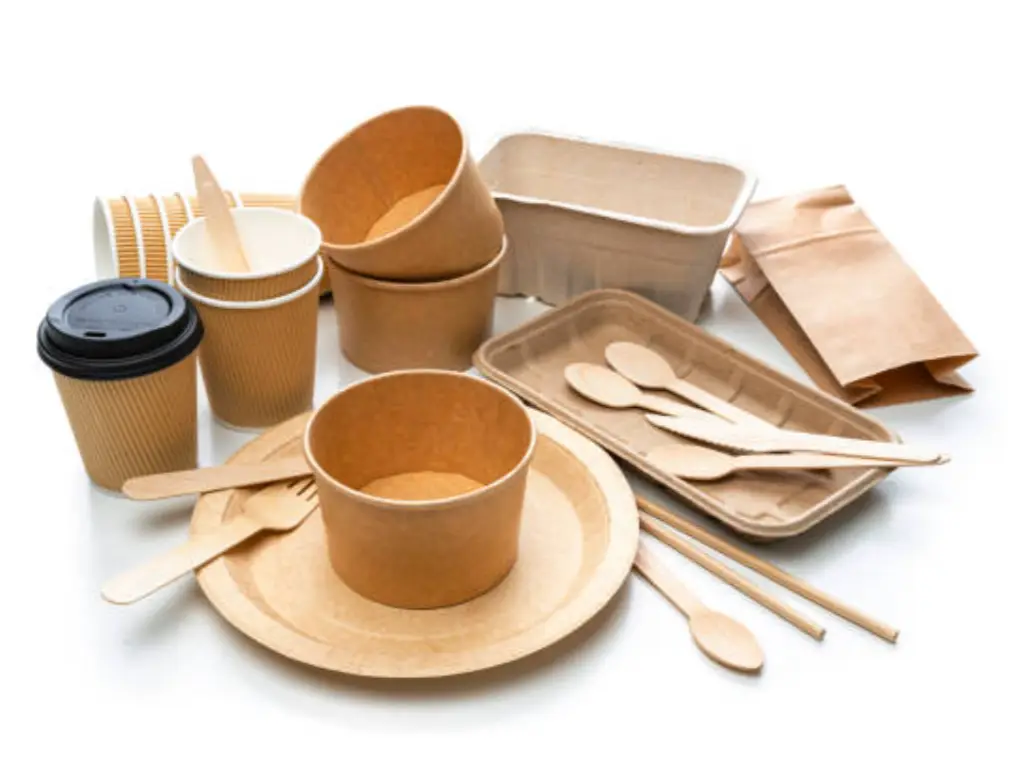
The core advantage of biodegradable tableware lies in its ‘natural origin and natural return,’ though performance and suitability vary significantly across materials. Here are three most popular types, making it easy to distinguish them:
1. Sugarcane pulp tableware: The king of cost-performance, the preferred choice for takeout/hot meals
The raw material is derived from waste by the sugar industry—sugarcane bagasse, which exemplifies the circular economy of ‘turning waste into treasure.’ After high-temperature sterilization and mold pressing, it forms a stable structure without the need for chemical binders, achieving maximum environmental sustainability.

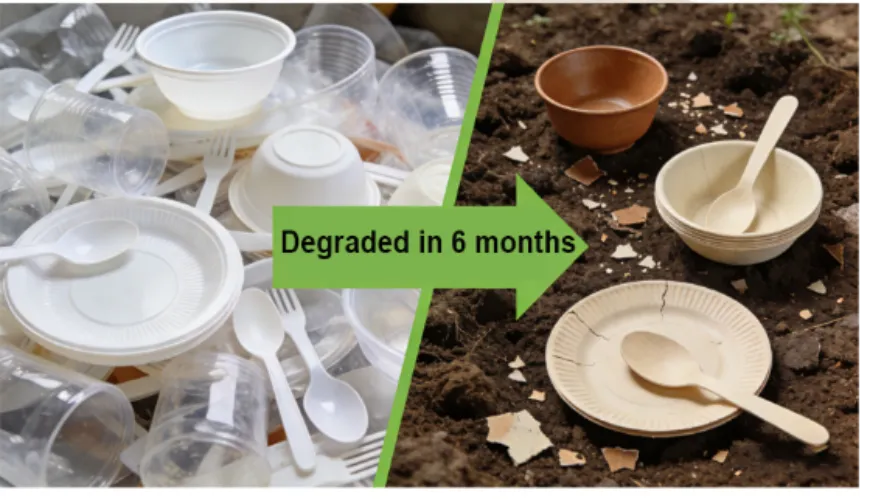
Core advantages: High compressive strength, capable of withstanding temperatures above 100°C , ensuring complete non-melting when used for hot pot or hot soup; Rapid degradation rate, fully degradable within 3-6 months under natural conditions, with carbon emissions being only 1/3 of those of plastics; Low raw material cost, suitable for large-scale procurement, making it the preferred choice for catering businesses.
2. PLA tableware: The epitome of aesthetics, ideal for light meals and cross-border shopping
PLA (poly(lactic acid)) is a bioplastics derived from fermented starches of plants like corn and tubers. Its high transparency and minimalist, stylish design exude sophistication, making it ideal for visually appealing settings such as light meals and milk tea.
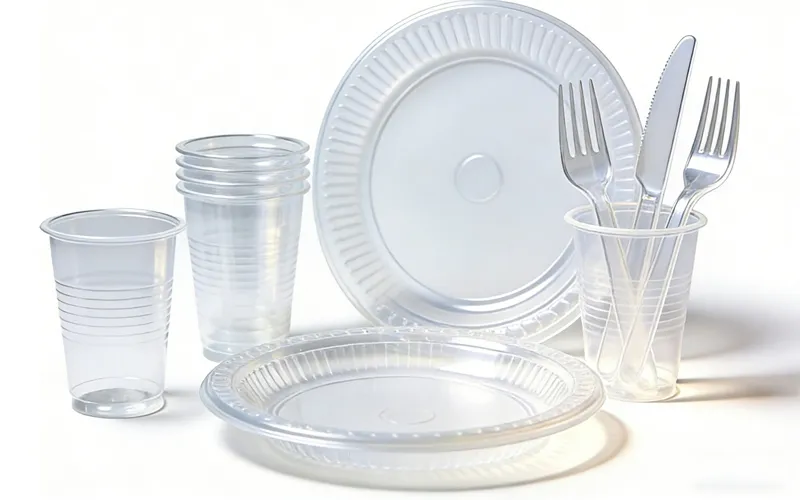
Core Advantages: Full lifecycle environmental protection, decomposing into carbon dioxide and water within 28 days under composting conditions with no microplastic residue; certified by international standards such as EU EN 13432 and US ASTM D6400, enabling smooth overseas export and making it a best-selling category for cross-border e-commerce; excellent oil resistance and sealing properties, preventing leakage when filled with liquid foods like salad dressing or milk tea.
Precautions: Moderate heat resistance. Direct microwave heating is recommended to be avoided (some modified versions can withstand 120°C), making it more suitable for cold or room-temperature foods.
3. Bamboo fiber tableware: Naturally antibacterial, suitable for high-end scenarios
The product is made from premium bamboo over three years old, featuring high fiber strength and a natural antibacterial component called “Bamboo Kun,” which demonstrates over 90% inhibition against E. coli and Staphylococcus aureus, ensuring maximum safety.

Core Advantages: With a temperature resistance up to 160°C, it can be directly microwaved; the unique natural bamboo joint texture and strong design appeal make it suitable for high-end banquets, parent-child activities, and other scenarios; the degradation period is 3-6 months, ensuring both environmental friendliness and practicality.
Note: The price is relatively high, making it unsuitable for large-scale catering venues. It is better suited for families or special events that prioritize quality.
II. Scenario-based selection: Precise matching for diverse needs without waste
Choosing the right material is just the first step. To fully leverage its advantages, you need to select the appropriate tableware type based on the usage scenario. Here are the perfect solutions for common scenarios—just copy and paste them!
1. Catering businesses (takeout/dine-in): Priority for sugarcane pulp + PLA combination
For takeout soups and hot dishes, opt for PLA-coated sugar cane pulp containers that are pressure-resistant, leak-proof, and heat-resistant to prevent damage during transit. For light meals, salads, and milk tea, choose PLA tableware (salad bowls, straws, and cup lids) with high transparency and excellent sealing properties. Customizable brand logos can further enhance the brand image. For example, a chain milk tea shop saw a 40% increase in photo-sharing rates after switching to PLA straws and sugar cane pulp cup holders, significantly boosting its eco-friendly image.
2. Large-scale events (competitions/exhibitions): PLA bulk kits offer greater convenience
For large-scale events with high dining capacity and significant waste management pressure, PLA tableware is the optimal choice. Its standardized design is compatible with cross-border logistics, featuring compact stacking, high compressive resistance, low transportation damage rate, and the capability for batch customization.
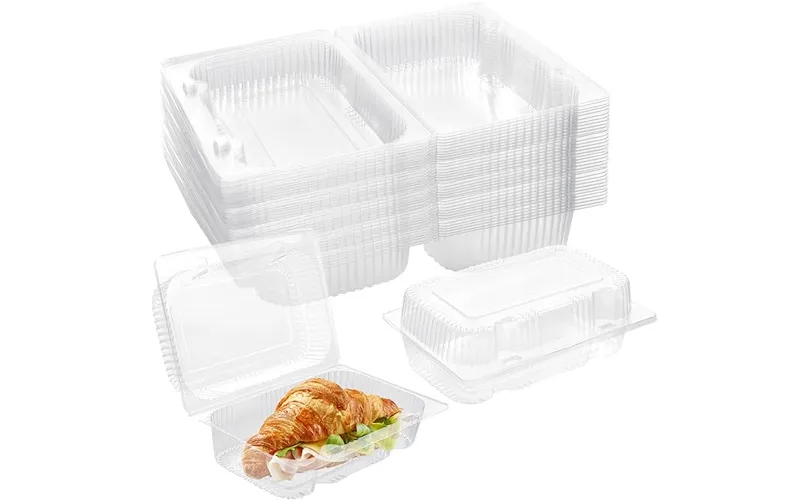
Case: An international event utilized 100,000 PLA (poly(lactic-co-glycolic) acid) food containers and straws. After the event, these materials were composted for three months, achieving complete biodegradation and reducing 8 tons of plastic waste. The initiative received high praise from the organizing committee.
3. Family/Parent-Child Scenario: Bamboo Fiber + Corn Starch Combination
Household daily use: Select bamboo fiber tableware, which is naturally antibacterial and microwave-safe, suitable for serving hot meals and soups. Parent-child picnic/farm activities: Choose cornstarch tableware sets with lightweight texture and rounded edges, ensuring safe use for children. Additionally, the degradation principles can be explained to guide children in developing environmental awareness.
III. Pitfall Avoidance in Selection: Three Key Indicators to Ensure Authentic Biodegradation
The market is flooded with so-called ‘pseudo-degradable’ tableware. Here are three key indicators to watch for when shopping to avoid scams:
- Certification verification: Products must possess either EU EN 13432, US ASTM D6400, or domestic composting certification. Products lacking such certifications are highly likely to be ‘pseudo-degradable’.
- Material selection: Prioritize single-material options (e.g., pure sugarcane pulp or pure PLA) over composite materials, as the latter are difficult to recycle and degrade.
- Check the labeling: The packaging must clearly indicate information such as ‘compostable’, ‘degradation period’, and ‘applicable temperature’. Products with ambiguous information are not recommended for purchase.
IV. Conclusion: Choosing biodegradable tableware means choosing a sustainable future
Traditional plastic tableware requires several centuries to degrade, with over 8 million tons of plastic waste entering the oceans annually, posing a severe threat to the ecological environment. In contrast, disposable biodegradable tableware embodies the ‘green circular’ concept throughout its entire lifecycle—from raw materials to disposal—where the materials are sourced from nature and returned to nature after use, truly achieving a ‘zero burden’ on the planet.
Whether catering businesses prioritize cost-effectiveness and brand image, or families focus on safety and environmental protection, disposable biodegradable tableware can meet these needs. We hope this guide helps you choose the right biodegradable tableware for yourself, making every meal a gentle act of environmental stewardship.




 English
  German
  Spanish
  Italian
  Dutch
Dutch  French