

Stop Losing Money on Wastage: The Ultimate Paper Cup Paper Price & ROI Guide
If you are a paper cup manufacturer, an entrepreneur setting up a new production line, or a global packaging importer, you likely landed here searching for one specific number: the current paper cup paper price per ton. It is the most critical variable in your business model. However, treating paper cup raw material sourcing as a simple commodity transaction is the exact reason why so many manufacturers see their profit margins vanish on the factory floor.
In this comprehensive guide, we are moving beyond the illusion of a single, static price tag. We will reveal the 2024 baseline market prices, but more importantly, we will decode the “Total Cost of Ownership” (TCO) for cupstock. From the hidden expenses of machine downtime and high wastage rates to navigating the complex web of FDA and European SUPD compliance, this guide will equip you with the exact financial frameworks used by top-tier global manufacturers. Stop bleeding money on cheap paper, and start calculating your true Return on Investment (ROI).
The 2024 Paper Cup Raw Material Baseline Prices & The “Dynamic Equation”
Let us address your most urgent question first. What is the actual cost to buy a ton of cupstock paper right now? Based on current global wood pulp indices and manufacturing averages, here is the baseline price reference for standard virgin wood pulp paper (FOB China/Asia, subject to market fluctuations):
| Cupstock Material Type | Average Price Range (USD / Ton) | Primary Application |
|---|---|---|
| Single-Sided PE Coated Paper | $950 – $1,150 | Standard Hot Coffee/Tea Cups |
| Double-Sided PE Coated Paper | $1,050 – $1,250 | Cold Beverages, Smoothies, Ice Cream |
| PLA Coated / Aqueous Coated | $1,300 – $1,600+ | Eco-Friendly / Compostable Markets |
If purchasing raw materials were as simple as picking the lowest number from the table above, every cup manufacturer would be highly profitable. But the reality is far more brutal. The ton price is merely the entry ticket. To calculate what you actually pay, you must understand the Dynamic Cost Equation.
Think of paper cup raw material like a specialized architectural structure. You are not just buying “paper”; you are purchasing a calculated ratio of a fibrous support structure (the base board) and a liquid-proof barrier (the coating). In a standard hot beverage cup, the virgin wood pulp base accounts for roughly 70% to 80% of your total material cost, while the PE barrier coating makes up 10% to 15%. The remaining percentage? That is where your profit is either protected or destroyed by hidden variables such as ocean freight logistics, import tariffs, and most dangerously, factory floor wastage.
When you buy a ton of paper for $50 less but experience a 5% increase in bottom leakage on your high-speed forming machines, your actual cost per usable cup skyrockets. To master your pricing, you must first master the anatomy of your materials.Decoding the Anatomy of Cupstock: Base Materials vs. Barrier Coatings
A fatal mistake many procurement managers make is confusing base materials with barrier coatings. This confusion leads to purchasing the wrong specifications, causing catastrophic production failures. Let us completely separate these two distinct components to ensure you make the right technical and financial decisions.
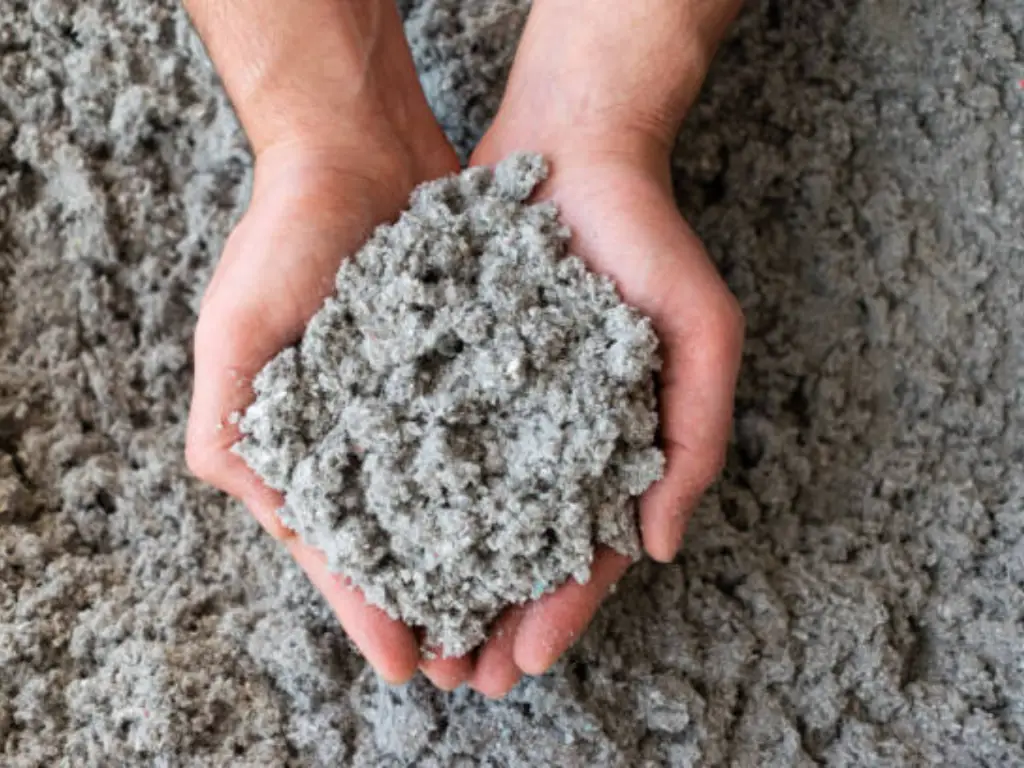
The Base Material Foundation: Virgin Wood Pulp vs. Bagasse/Bamboo
The base board dictates the structural integrity, stiffness, and weight-bearing capacity of your final product. It is the skeleton of the cup.
- Virgin Wood Pulp (The Industry Standard): For food-grade packaging, 100% virgin wood pulp is non-negotiable. The long, unbroken fibers of virgin pulp provide superior tensile strength and edge stiffness. This means the paper travels through high-speed cup forming machines (running at 100+ cups per minute) smoothly without buckling. Furthermore, virgin pulp is free from heavy metals and optical brightening agents (OBAs), ensuring absolute food safety.
- Bagasse and Bamboo Fibers (The Sustainable Shift): As environmental awareness peaks, alternative plant-based fibers like bagasse (sugarcane residue) are gaining traction. While they offer an excellent “tree-free” marketing narrative, B2B buyers must note that these shorter fibers often exhibit different heat dispersion properties and stiffness profiles compared to traditional wood pulp. Formulating a cup entirely from alternative fibers requires precise tuning of your machinery’s knurling and sealing temperatures.
- Warning – Recycled Pulp: Never use recycled pulp for direct food contact layers. The chemical residues and weak, broken fibers will lead to immediate compliance failures at customs and a staggering rate of crushed cups on the production line.
The Barrier Coating Options: Traditional PE vs. PLA & Aqueous Coatings
The barrier coating is the skin of the cup. It prevents liquid from turning the paper back into mush.
Traditional PE (Polyethylene) – Single vs. Double Sided: PE remains the most cost-effective and reliable liquid barrier. Single-PE is used exclusively for hot drinks, where the liquid is inside the cup. However, for iced beverages, Double-PE is absolutely mandatory. When ice causes condensation to form on the outside of the cup, a Single-PE cup will absorb the exterior moisture, softening the structural wall and causing the cup to collapse in the consumer’s hand. Never compromise by using Single-PE for cold drink applications to save a few dollars per ton.
PLA (Polylactic Acid) and Aqueous Coatings (The Eco-Frontier): PLA is a bio-plastic derived from corn starch, making the cup commercially compostable. However, if you are purchasing PLA cupstock, you must manage a critical technical variable: Shelf Life and Hydrolysis. Unlike PE, which can be stored almost indefinitely, PLA degrades. If PLA paper rolls are stored in a hot, high-humidity warehouse for more than 6 to 12 months, the polymer begins to undergo hydrolysis. The coating becomes brittle, resulting in a catastrophic drop in heat-sealing yield on your machines. When buying PLA, your inventory turnover rate must be strictly controlled.
The GSM Matrix and Its Direct Impact on Your Bottom Line
One of the most common traps for new manufacturers is failing to understand the relationship between GSM (Grams per Square Meter) and overall profitability. GSM measures the thickness and density of the paper.
Here is the fundamental math you must internalize: 1 Ton = 1,000,000 Grams.
Because you are buying paper by weight (tons), but selling cups by volume (pieces), the GSM you select directly dictates your yield. A lower GSM means the paper is thinner, meaning one ton will give you a larger total surface area, allowing you to punch out more cup blanks (the fan-shaped walls of the cup). Consequently, lower GSM equals more cups per ton.
However, more cups do not equal higher profit if the cups are unusable. If you use paper that is too thin for a large hot coffee, the cup will burn the consumer’s hand or feel flimsy, destroying your brand’s reputation and leading to massive client chargebacks.
| Cup Capacity (oz) | Recommended GSM Range (Base Paper) | Typical Application Scenario |
|---|---|---|
| 4 oz – 6 oz | 170g – 190g | Espresso shots, tasting cups, water cooler cups. |
| 8 oz – 12 oz | 210g – 250g | Standard hot coffee, tea, lattes. The core volume driver. |
| 16 oz – 22 oz | 300g – 320g | Large iced coffees, milkshakes, heavy hot beverages. Requires maximum stiffness. |
The goal is not to find the thinnest paper to maximize yield, but to find the exact “Goldilocks” GSM that provides premium hand-feel and structural integrity while avoiding unnecessary excess weight that inflates your shipping and raw material costs.
Unmasking the Real Cost of Cheap Paper & The Zero-Defect Standard
Many buyers operate under a dangerous illusion: “Paper is paper. As long as it holds coffee, the cheapest ton price wins.” This mindset ignores the brutal reality of factory-floor physics. The true cost of raw materials is only realized when the paper roll meets the high-speed cup forming machine. Let us examine the hidden expenses that cheap paper introduces into your production line.

Machine Downtime Caused by Poor Paper Stiffness
In cup manufacturing, machine efficiency is everything. When you feed low-grade paper into a machine running at over 100 cups per minute, the primary failure point is often the curling section (where the top rim of the cup is rolled). Subpar paper lacks the necessary physical Stiffness (measured by standard TAPPI testing) and uniform moisture content.
What happens? The paper jams. Every single paper jam forces a complete machine stoppage. Operators must manually clear the jammed blanks, re-thread the paper, and slowly ramp up the machine speed again. If a machine experiences downtime for just 45 minutes across an 8-hour shift due to poor paper stiffness, the lost manufacturing capacity (labor, electricity, and machine depreciation) will instantly erase the $50 you saved on the raw material ton price.
The Hidden Expense of High Wastage & 100% Traceability
The second, and arguably most devastating, hidden cost is the wastage rate. Premium cupstock typically maintains a defect rate of around 1% to 2%. Cheap, unevenly coated paper can easily cause the defect rate to spike to 5% or even 8%, characterized by severe Bottom Leakage (Edge Wicking). A leaking cup doesn’t just waste paper; it leads to rejected shipments, disastrous consumer experiences, and massive chargebacks from your B2B clients.
The Strategic Shift: Risk Transfer over Price Gouging
World-class manufacturers understand that true cost control lies in transferring risk away from your factory floor. This is exactly the operational standard we have established at Yoonpak over our 24-year history of serving global giants like Burger King, Tim Hortons, and ILLY.
We eliminate the risk of the “unknown.” Every single paper roll or pallet of die-cut blanks we ship comes with a comprehensive Certificate of Analysis (COA) containing an anti-counterfeit QR code. This ensures 100% Traceability—we can track any roll directly back to the specific slitting machine and the original wood pulp batch. Furthermore, our internal QC mandate requires an hourly inspection; if a single defect is found, all production since the last successful test is scrapped.
Most importantly, we back our materials with the industry’s most aggressive warranty: The 30-Day Hassle-Free Claim. If you experience unexpected leakage or quality issues, you do not need to ship the heavy defective products back across the ocean. Simply provide video and photo evidence, and Yoonpak will process your claim or remake the order within 30 days. When you source from us, you aren’t just buying paper; you are buying absolute manufacturing insurance.
The Non-Negotiable Compliance Costs: FDA, SUPD, and Market Isolation
Beyond factory physics, international trade laws govern your actual landed costs. If the cheap paper you purchased is seized by customs or incurs heavy regulatory fines, its real cost becomes infinite.
Food Safety Baselines: FDA and the Global PFAS Ban
For the North American market, passing FDA standard 21 CFR 176.170 is the bare minimum. This requires using pure virgin wood pulp. Furthermore, to achieve oil and grease resistance, older paper formulations used PFAS (forever chemicals). Today, strict PFAS bans across the US and Europe mean you must demand an SGS or Intertek certified “PFAS-Free” test report from your supplier. Without it, your entire container could be rejected at the port.
The Green Premium vs. Emerging Market Efficiency
Smart procurement requires isolating your target markets because compliance costs vary wildly. If you are importing into Europe, you face the severe Single-Use Plastics Directive (SUPD). Using traditional PE-coated paper in Europe now incurs hefty plastic taxes and requires mandatory “Made of Plastic” warning labels (often depicting a dead sea turtle), which harms brand image. For the EU market, you must absorb the “Green Premium” and purchase FSC-certified paper with Aqueous (water-based) or PLA coatings.
However, if your primary markets are in the Middle East, Southeast Asia, or Latin America, overpaying for European SUPD compliance destroys your competitive edge. At Yoonpak, we tailor our supply chain to your exact jurisdiction. We can supply the ultra-premium FSC-certified, 100% plastic-free materials for your European clients, while simultaneously offering highly efficient, FDA-approved, standard PE-coated materials to maximize your profit margins in price-sensitive emerging markets.
Step-by-Step Profitability Calculation (The Waterfall Model)
To truly grasp your ROI, you must calculate the final cost per unit. Let us walk through a standardized “Waterfall Calculation” for producing a standard 8oz hot cup, demonstrating how hidden costs eat into your margins.
| Calculation Step | Premium Supplier (e.g., Yoonpak) | Cheap/Unverified Supplier |
|---|---|---|
| 1. Initial Base Cost (1 Ton, 210 GSM PE Paper) | $1,100.00 | $1,000.00 (Looks cheaper) |
| 2. Theoretical Yield (Cups per Ton) | ~200,000 blanks | ~200,000 blanks |
| 3. Wastage & Defect Loss (Machine Jams/Leaks) | 1.5% Loss (- 3,000 cups = -$16.50) | 6.0% Loss (- 12,000 cups = -$60.00) |
| 4. Bottom Reel Paper Cost (Required for assembly) | +$300.00 | +$300.00 |
| 5. Machine Downtime / Extra Labor Cost | Minimal (Standard operations) | +$80.00 (Lost capacity & clearing jams) |
| Total Real Cost per Usable Ton Processed | $1,383.50 (Reliable output) | $1,320.00 (High risk of client chargebacks) |
*Note: The table above is a simplified model. While the cheap supplier is slightly lower in immediate cash output, the 6% defect rate introduces a massive risk of end-user leakage, which can cost thousands in lost contracts and brand damage.
Global Sourcing Strategies: Tariffs, Landed Costs, and Lead Times
The final puzzle piece is logistics. A low FOB (Free On Board) factory price is useless if the logistics and tariffs destroy your margins.
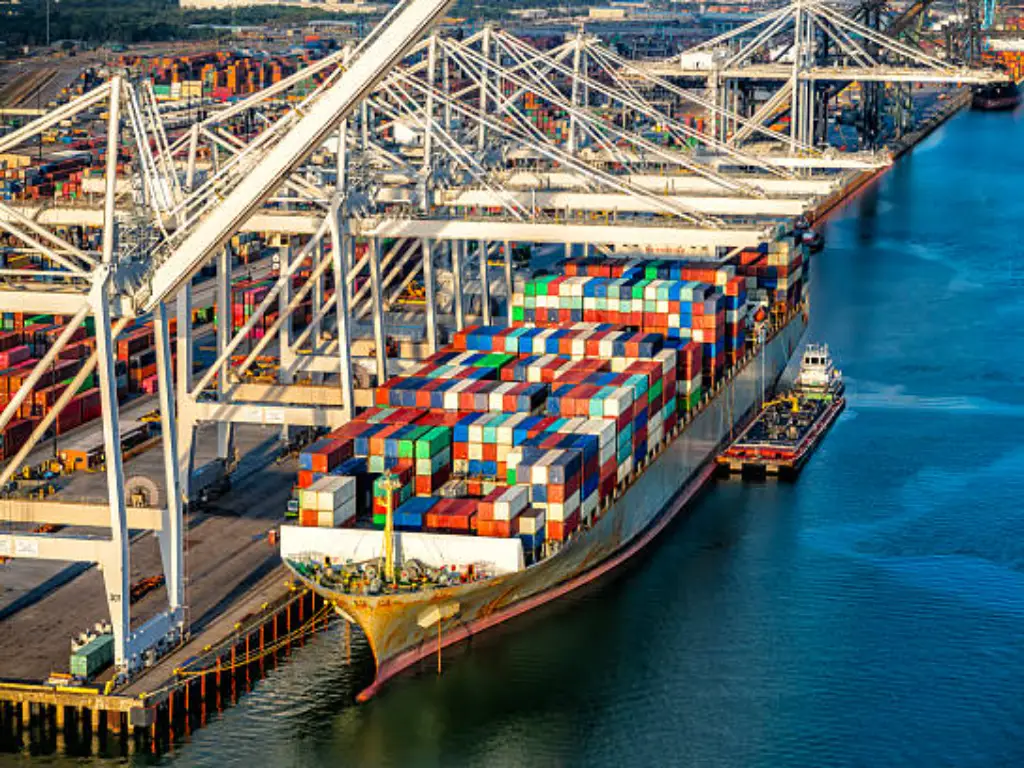
When sourcing globally, you must calculate the Landed Cost. This includes ocean freight, port handling charges, and crucially, Anti-Dumping Duties and Tariffs. Sourcing from certain regions can trigger massive tax penalties depending on your country’s current trade policies. Partnering with a manufacturer that understands global HS codes and optimal container loading (20’GP vs. 40’HQ) is essential.
Equally important is the hidden cost of Lead Time and Cash Flow. If your supplier takes 60 days to manufacture and 30 days to ship, your working capital is trapped for three months. To maintain a competitive edge, you need a supplier with both massive scale and localized agility.
Optimize Your Packaging Supply Chain with Yoonpak
With a state-of-the-art 16,000 sqm facility, over 100 dedicated machines, and an annual capacity of 16 billion cups, Yoonpak bridges the gap between massive scale and agile service. We solve the global importer’s biggest bottlenecks:
- Unmatched Speed: Our standard lead time is just 3 to 6 weeks—averaging 7 days faster than the industry standard.
- Cash Flow Protection: We offer 1 month of free warehouse storage for our clients, allowing you to optimize your shipping schedules and manage inventory without burning through cash.
- Flexible Scaling: Whether you need a standard MOQ of 100,000 units, or as low as 10,000 units (with freight coverage) to test a new market design, we adapt to your growth stage.
Stop guessing your material costs and start protecting your margins. Contact our 24/7 expert team today. Submit your specific GSM, coating requirements, and target market, and we will provide a comprehensive, transparent quotation tailored to your exact needs.
Get Your Accurate Material Quote Now


 English
  German
  Spanish
  Italian
  Dutch
Dutch  French
  Portuguese
  Russian
  Arabic
  Korean