

The Guide to Paper Cup Cost: Materials, Printing, and Landed Prices
If you are navigating the global packaging supply chain, you have likely realized one frustrating truth: understanding the true paper cup price structure often feels like navigating a heavily guarded black box. Whether you are a procurement manager for a multi-national coffee franchise looking to shave fractions of a cent off a 40-foot high-cube (40’HQ) container, or an independent café owner wondering why you are paying exorbitant rates on Amazon, the lack of transparency in the packaging industry is a massive drain on profitability.
Most manufacturers will simply hand you a price list based on volume, brushing over the underlying variables with vague statements like “you get what you pay for.” But in the high-volume world of food service packaging, every single variable—from the GSM of the paperboard and the molecular structure of the waterproof coating, to the microscopic precision of a die-cutting machine—directly dictates your Total Cost of Ownership (TCO).
This comprehensive guide is designed to dismantle that black box. We are going to completely deconstruct the unit economics of a paper cup. We will explore the harsh realities of raw material fluctuations, expose the hidden premiums behind double-wall insulation, map out the exact tipping point where small businesses must abandon retail platforms, and finally, provide you with the exact formulas to calculate your true landed cost, including the reality of anti-dumping tariffs. By the end of this guide, you will possess the insider knowledge required to negotiate like a seasoned packaging veteran and secure the lowest possible cost without sacrificing a single ounce of safety or quality.
The Unit Economics of Paper Cups: What Defines the Base Price?
To truly master your procurement strategy, you must stop looking at a paper cup as a single product and start viewing it as a mathematical formula. The base price (Ex-Works or FOB) of any paper cup is dictated by a ruthless, unyielding equation: Raw Material Cost + Barrier Coating Cost + Manufacturing Overhead + Waste Amortization = Base Price. Let’s break down these foundational pillars, referencing real-time data from global indices like RISI (Fastmarkets) regarding Food-Grade Bleached Board (FBB) fluctuations.
Raw Material Fluctuations: The Virgin Pulp Factor & Rolled Rims
The vast majority of a paper cup’s physical weight and financial cost comes from the paperboard itself. However, not all paper is created equal. For direct food contact, industry regulations mandate the use of 100% Food-Grade Virgin Pulp. Unlike recycled paper, which can harbor microbiological contaminants and unpredictable structural weaknesses, virgin pulp guarantees a hygienic, sturdy, and odor-free vessel for hot liquids.
The core metric here is GSM (Grams per Square Meter), which dictates the thickness and rigidity of the cup. A low-end, highly flexible water cup might utilize a thin 190gsm to 210gsm board. In contrast, premium international coffee chains typically demand a robust 300gsm to 350gsm board to prevent the cup from collapsing when gripped. Naturally, a 320gsm cup consumes significantly more virgin pulp than a 190gsm cup, directly driving up the unit price.
But raw material cost is not just about what goes into the cup; it is equally about what gets thrown away. Imagine a massive, 1-ton roll of premium virgin paper. To create cups, this paper must be die-cut into flat, curved shapes known as “paper cup fans.” The geometric spacing between these fans during the cutting process dictates the Waste Rate. Small, outdated workshops typically suffer a waste rate of around 15%, leaving a massive amount of premium paper as useless scrap—a cost that is quietly passed onto you.
Conversely, top-tier manufacturing facilities utilize advanced algorithmic nesting and high-precision die-cutting to squeeze the waste rate down to an astonishing 8%. This 7% reduction in material waste is the secret to why a massive factory can offer a lower unit price while using higher-quality paper. Furthermore, this precision isn’t just about B2B cost savings; it profoundly impacts the C-end consumer experience. High-precision cutting ensures a perfectly uniform edge, which allows the cup forming machine to create a flawless, tightly curled Rolled Rim at the top of the cup. A perfectly rolled rim guarantees a secure, snap-on fit for the plastic lid. A cheap, uneven rim leads to lid failure, resulting in 90°C coffee spilling onto a customer—transforming a “cheap” cup into a devastating lawsuit and brand disaster.

The Barrier Coating Matrix: PE vs. PLA vs. Aqueous
A paper cup without a waterproof barrier is essentially a sponge. To hold liquids, the interior of the paperboard must be laminated with a microscopic barrier coating. This coating is the second largest variable in the base price formula, and choosing the wrong one can lead to catastrophic operational failures.
- PE (Polyethylene) Coating: The traditional, battle-tested standard. PE is a petroleum-based plastic layer, typically applied at a thickness of 15g to 18g per square meter. It is highly cost-effective, handles extreme temperatures (up to 100°C) flawlessly, and provides a perfectly leak-proof seal. It sets the baseline price for the entire industry.
- PLA (Polylactic Acid) Coating: A plant-based, commercially compostable alternative derived from corn starch. Switching from PE to PLA typically triggers a 15% to 30% price premium per unit. However, PLA harbors a critical, often-ignored weakness: its physical thermal threshold is roughly 85°C. Imagine a barista pouring a freshly extracted, 90°C Americano into a pure PLA-coated cup. Within 15 minutes, the intense heat causes the PLA barrier to transition from a solid state to a pliable, soft state. The bottom seam weakens, and the cup begins to sweat and leak. For hot beverages, standard PLA is a massive operational risk that leads directly to severe C-end customer complaints.
- Aqueous (Water-Based) Coating: The cutting-edge solution for modern sustainability. Aqueous coatings utilize water-based polymers that absorb directly into the paper fibers, eliminating the need for a separate plastic film. It is highly recyclable and compostable. More importantly, it boasts a significantly higher heat resistance than PLA, making it the mandatory recommendation for brands that want to go green without risking catastrophic leaks with boiling hot coffee, despite carrying a similar price premium to PLA.
Manufacturing Overheads and Machine Efficiency
The final component of the base price is the amortization of machinery, electricity, and human labor. This is where automation creates a massive divide in the market.
Consider the difference in machinery. A low-tier factory might operate older, mechanical cup forming machines that produce roughly 60 to 80 pieces per minute (pcs/min). A modern, world-class facility utilizes pneumatic, ultrasonic-welding machines capable of churning out 120 to 150 pcs/min. That is 2.5 cups formed, sealed, and ejected every single second.
When you achieve speeds of 150 pcs/min, the electricity consumed per 10,000 cups plummets. Furthermore, in a highly automated facility, a single skilled technician can seamlessly oversee and operate up to three high-speed machines simultaneously. This extreme operational efficiency dilutes the labor and energy costs to fractions of a cent per cup. It is the ultimate paradox of manufacturing: the factory with the most expensive, multi-million-dollar equipment is often the one capable of offering the absolute lowest factory-direct unit price.
Retail vs. Wholesale: Why Small café Overpay on Amazon (The Price Gap)
While multi-national chains negotiate over fractions of a penny, there is a massive segment of independent coffee shops, food truck operators, and small business owners who are quietly hemorrhaging capital through retail sourcing. If you are buying your packaging supplies from B2C e-commerce platforms, you are trapped in a cycle of extreme markups driven by middleman margins, platform fees, and localized fulfillment costs.
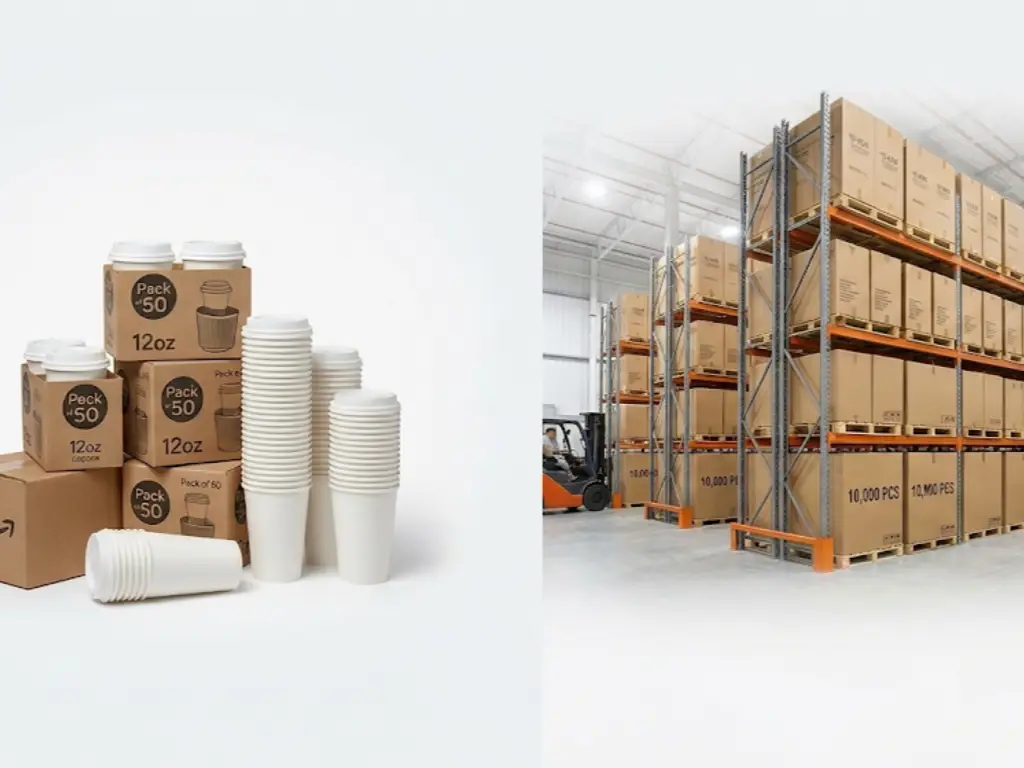
The “Pack of 50” Trap: Analyzing Amazon & Supermarket Prices
Let’s look at the brutal math of the “convenience trap.” A quick search on Amazon or a trip to a local commercial supermarket for standard 12oz single-wall white paper cups will typically yield packs of 50 or 100 units. When you factor in the retail markup and shipping, the Per Unit Cost usually lands anywhere between $0.15 and $0.25 per cup.
To a micro-entrepreneur, spending $15 for a sleeve of cups feels like a negligible operating expense for the week. But let us extrapolate that data. If your small independent café sells just 100 cups of coffee a day, you are burning through 36,500 cups a year. At an Amazon retail price of $0.20 per cup, you are spending $7,300 annually just on paper vessels. That is a devastating loss of net profit—capital that should be reinvested into upgrading your espresso equipment, sourcing better coffee beans, or marketing your brand.
The Tipping Point: When to Switch to Direct Factory Sourcing
The primary reason small business owners subject themselves to these retail markups is fear. There is a pervasive industry myth that working directly with top-tier overseas manufacturers requires ordering 500,000 cups at a time, trapping cash flow in massive shipping containers.
This is where the Tipping Point occurs: the moment you realize that modern, agile manufacturers have entirely restructured their production floors to support emerging brands. You do not need to be Starbucks to access factory-direct pricing. Top-tier manufacturers like Yoonpak, despite having an annual capacity of 16 billion cups, have engineered dedicated production lines specifically to support small-to-medium businesses (SMBs). Yoonpak explicitly supports a 10,000-piece testing MOQ (Minimum Order Quantity) for startups willing to cover the standard logistics fees.
Let’s recalculate the math at this Tipping Point. By shifting from a $0.20 retail cup to a direct-from-factory custom printed cup, even after factoring in air freight or LCL (Less than Container Load) sea shipping for a small 10,000-piece batch, your landed cost can plummet to approximately $0.05 per cup. For our independent café owner selling 100 cups a day, annual packaging costs drop from $7,300 down to roughly $1,825. That is an immediate injection of over $5,400 into pure net profit, simply by abandoning the retail mindset and stepping into the wholesale supply chain. Furthermore, this transition elevates the brand, replacing blank retail cups with custom-printed, professional packaging—complete with free digital proofing within 24 hours.
Single Wall vs. Double Wall vs. Ripple: Comparing Structural Costs
A common linear misconception among buyers is that “a thicker cup is just slightly more expensive.” In reality, adding insulation is not just about adding more paper; it fundamentally alters the manufacturing complexity, the machine depreciation rate, and the physical footprint of the product. To build a profitable packaging procurement strategy, you must find the exact equilibrium between “preventing customer burn complaints” and “protecting your budget.”
The Hidden Material Premium of Insulation Layers
Think of paper cup structures like clothing in winter. A Single Wall cup is a basic t-shirt. A Double Wall cup is adding a windbreaker. A Ripple Wall cup is a specialized, air-trapping puffer jacket. Each layer added does not just double the cost—it introduces new manufacturing friction.
For instance, in a Double Wall cup, the outer layer cannot just be raw paper. Because the inner layer holds boiling liquid, heat transfers through the first wall and can cause condensation to form in the microscopic gap between the two walls. Therefore, the outer wrap must also possess a degree of moisture resistance or specific coating to prevent the cup from becoming soggy from the inside out. Ripple Wall (corrugated) cups are the most expensive because they require a completely separate, highly time-consuming die-cutting and corrugation process to create the S-shaped flutes before the outer layer is glued to the inner cup.
| Structure Type | Layers & GSM Configuration (Typical 12oz) | Insulation Performance | Avg. Premium vs. Base Price (%) |
|---|---|---|---|
| Single Wall | 1 Layer: 300gsm + 18g PE | Low (Requires a cardboard sleeve for drinks > 75°C) | Base Price (0%) |
| Double Wall | 2 Layers: 300gsm Inner + 250gsm Outer Wrap | High (Excellent heat retention, comfortable grip) | + 40% to 55% |
| Ripple Wall | 3 Layers: 300gsm Inner + Corrugated Flute + Outer Wrap | Maximum (Air pockets completely isolate heat transfer) | + 70% to 90% |
Market Trends: Why Cold Cups and Hot Cups Differ in Price
If you have ever requested quotes for iced coffee cups versus hot coffee cups of the exact same volume, you likely noticed a 15% to 20% price discrepancy. This is a common industry blind spot. The physical demands of holding an iced beverage are entirely different from holding a hot one.
When an iced drink sits on a table on a humid summer day, condensation rapidly forms on the outside of the cup. If a standard hot cup (which only has a PE coating on the inside) is used, this exterior condensation will soak into the raw paper fibers, causing the cup to disintegrate in the customer’s hand within 20 minutes. Therefore, cold cups mandate a Double PE Coating—meaning both the interior and the exterior of the paperboard are laminated with plastic.
This Double PE requirement triggers a chain reaction in manufacturing costs. Standard heat-sealing machines, which melt the PE layer to form the cup’s side seam, cannot be used on Double PE paper because the heat would melt the outside layer and stick to the machine’s molds. Instead, Double PE cups must be sealed using Ultrasonic Welding. This process utilizes high-frequency acoustic vibrations to create localized heat, molecularly fusing the plastic layers together without destroying the exterior finish. The combination of extra raw material (the second PE layer) and the expensive ultrasonic machinery translates directly to the cold cup premium.
Customization Costs: Demystifying Printing Techniques and MOQs
For mid-to-large franchise buyers, “customization assassins” are the greatest source of anxiety. Branding your packaging carries high hidden costs, but understanding the mechanisms of printing technology can help you bypass these financial hurdles.
Flexo vs. Offset/Digital: The Truth About Plate Fees
A persistent myth in the packaging world is that adding a 4-color custom logo to a test batch of cups will cost you thousands of dollars in setup fees. This fear stems from a misunderstanding of printing applications. You must strictly separate the logic of large-scale commercial runs from small-batch testing.
For massive, million-unit orders, top-tier factories utilize Flexographic (Flexo) Printing. Flexo uses flexible photopolymer printing plates wrapped around rotating cylinders. Yes, the industry standard dictates that a Flexo Plate Fee is typically $100 to $300 per single color. Therefore, a full-color CMYK design requires four separate plates, representing a massive sunk cost before a single cup is even printed. However, because Flexo machines run at blinding speeds, that $1,200 setup fee is amortized to absolute zero across a 40’HQ container, resulting in the lowest possible unit cost.
Conversely, if you are a small business owner running a 10,000-piece test order, a reputable manufacturer will never force you onto a Flexo line. Instead, they will route your order through Offset Printing or modern Digital Printing systems. These technologies require virtually zero physical plate setup, allowing you to print stunning, full-color, food-grade soy-based ink designs with minimal to no plate fees. Do not let the fear of a $1,200 Flexo plate fee stop you from launching your branded cups.
The Premium of Global Certifications (FSC, FDA, BRC)
Why does a standard 12oz cup with global certifications cost 5% to 10% more than the exact same physical cup sourced from an unverified workshop? You are not paying for better paper; you are paying for systemic compliance. In the European and Middle Eastern markets, strict environmental and safety regulations mean that “fake green” claims or unverified materials will not only result in massive customs fines but can permanently destroy your brand’s reputation.
Take the FSC (Forest Stewardship Council) certification, for example. Achieving FSC status requires an unbroken, independently audited Chain of Custody (CoC). The manufacturer must prove that every single fiber of wood pulp originated from responsibly managed forests, tracking it through the pulp mill, the paper supplier, and finally to the cup-forming floor. Similarly, holding a BRC (British Retail Consortium) Global Standard for Food Safety rating requires a facility to implement pharmaceutical-grade cleanroom modifications, daily microbiological swabbing, and rigorous hourly quality control checks. When you pay this 5-10% premium, you are effectively purchasing an insurance policy—a “get-out-of-jail-free card” that ensures your shipment sails smoothly through international customs and is immediately accepted by large supermarket chains and multinational franchises.
Logistics and “Landed Cost”: The Hidden Half of the Bill
Negotiating the lowest Ex-Works (EXW) or Free on Board (FOB) price is a vanity metric if you ignore the reality of global freight. Paper cups are the ultimate “volumetric cargo”—they are incredibly lightweight but take up massive amounts of physical space. Sea freight and import tariffs are the true meat grinders of cross-border packaging procurement.
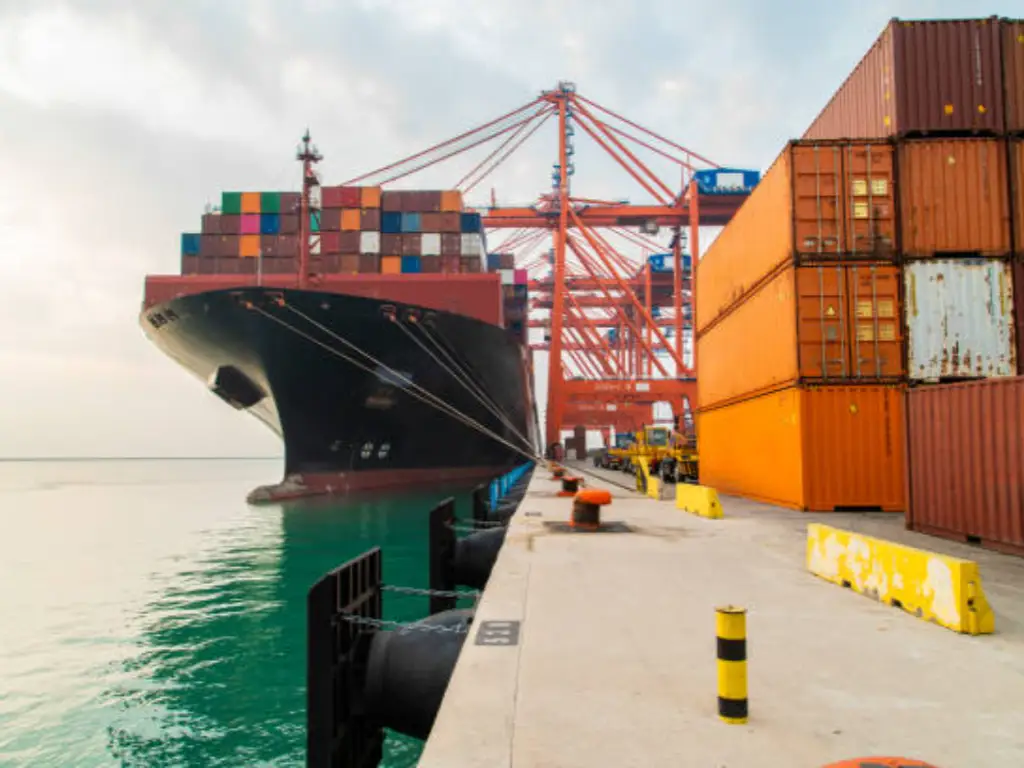
Volumetric Weight and Exact Container Capacities
To master your supply chain, you must calculate precisely how many cups fit into a shipping container. Let’s abandon estimates and look at hard industrial data. For a standard 12oz single-wall paper cup:
- A standard 20-foot container (20’GP) holds approximately 450,000 units.
- A high-cube 40-foot container (40’HQ) holds approximately 1,150,000 units.
The secret to maximizing this volume lies in the Nesting Ratio—how deeply the bottom of one cup sits inside the cup below it in a stack. Top-tier engineering focuses on optimizing the bottom-depth and side-wall angle. A superior nesting design can squeeze an additional 10% to 15% of cups into a 40’HQ. When you are shipping over a million cups, fitting an extra 150,000 units into the same container instantly dilutes your freight cost per cup by a massive margin.
The Landed Cost Formula & Anti-Dumping Tariffs
Your true profitability is defined by a strict equation:
Landed Cost = FOB Price + Ocean Freight + Port Handling Fees + Import Tariffs + Last Mile Inland Delivery
If you fail to accurately calculate the Tariff variable, your profit margin will instantly vanish upon arrival. For example, if you are importing into the United States, you must query the Harmonized Tariff Schedule (HTS) Code, typically 4823.40. You cannot simply look at the base tariff; you must explicitly factor in that Chinese-manufactured paper cups currently face the base import duty plus an additional 25% Section 301 punitive tariff. Ignoring this geopolitical reality when comparing a local supplier against an overseas factory is a fatal procurement error.
Strategic Sourcing: Minimizing Total Cost of Ownership (TCO)
The highest level of business decision-making is never about buying the cheapest product; it is about securing the lowest “Total Cost of Ownership.” TCO factors in not just the invoice price, but the hidden costs of storage, spoilage, and operational friction.
Inventory Management and Shelf-Life Degradation
There is a lethal contradiction in packaging procurement: buying massive bulk orders crushes your unit price, but storing that bulk burns through your capital via warehouse rent. Furthermore, paper is highly hygroscopic (it absorbs moisture from the air). If you store paper cups in a poorly climate-controlled warehouse for over six months, the rims will absorb humidity and warp. When your barista places a warped cup into a sealing machine or tries to snap on a lid, it jams. This “shelf-life degradation” can silently add a 20% spoilage cost to your supposedly “cheap” bulk order. You must balance bulk discounts with Just-In-Time (JIT) delivery.
Hidden Defect Costs and the Value of Zero-Leak Guarantees
Do not underestimate the catastrophic cost of a 1% leak rate. A single cup of 90°C coffee leaking onto a customer’s lap can trigger tens of thousands of dollars in legal settlements and public relations nightmares. Traditional overseas factories operate on a “once it ships, it’s your problem” mentality, knowing full well that cross-border return shipping costs more than the defective cups themselves.
This is where partnering with a world-class, 24-year industry veteran like Yoonpak fundamentally alters the TCO equation. Yoonpak executes high-frequency hourly quality checks; if a defect is found, every single cup produced since the last successful test is immediately scrapped. Every cup bottom is printed with a traceable serial code. More importantly, Yoonpak offers an unprecedented Video Claim Mechanism. In the rare event of a leak, you do not need to deal with the nightmare of returning defective goods. Simply provide video or photographic evidence, and Yoonpak guarantees a remake or compensation within 30 days.
Furthermore, to solve the bulk-storage dilemma mentioned above, Yoonpak provides up to 1 Month of Free Warehousing for its clients. This allows you to produce a massive 40’HQ volume to secure the lowest possible factory-direct price, without suffering the local warehouse rental burn.
The Final TCO Equation is simple: The absolute lowest automated factory price + 1 Month Free Warehousing Buffer + Zero-Friction Video Warranty = An unbeatable competitive advantage for your brand.
Choose your next step:
-
👉 Benchmark Your Procurement Budget:
Want to understand the underlying costs before requesting a finished product quote?
Read our latest analysis on the [ITC paper cup raw material price] to forecast your expenses accurately. -
👉 Conduct Supplier Due Diligence:
Smart B2B procurement requires rigorous research before making a decision.
[Review our objective guide to the top disposable cup manufacturers] -
👉 Explore Our Products:
Ready to escape the Amazon trap and elevate your brand’s packaging?
[Browse our complete wholesale paper cups catalog] -
👉 Get a Custom Quote & Proofing:
Whether you need a 40’HQ Landed Cost calculation or a 10,000-cup test batch:
[Contact our experts today] for transparent pricing and 24-hour free digital proofs.


 English
  German
  Spanish
  Italian
  Dutch
Dutch  French
  Portuguese
  Russian
  Arabic
  Korean