

Introduction
The moment bread comes out of the oven, it starts to change its soft and airy crumb into a dry and unappetizing one. To any person who cares about the quality of his/her bake, storage is a battle against moisture loss and chemical staling. The argument usually subsides into two camps the traditional bread box and the versatile bread bag. Although they both purport to increase shelf life, they work on different principles of humidity control and material science. This discussion examines the effects of these two approaches on crust integrity and moisture retention to enable you to determine the most appropriate storage solution to use in your environment to effectively freeze the clock on freshness.
The Freshness Factor: Box vs. Bag Experiment
The most significant and the most basic question in this case is, which of the two methods is more successful in preserving the most valuable qualities of a loaf of bread? To aid in answering this, we shall recall that there are three fundamental factors that contribute to the staling of bread. Loss of moisture, alteration of starch structure and mold growth should be taken into consideration.
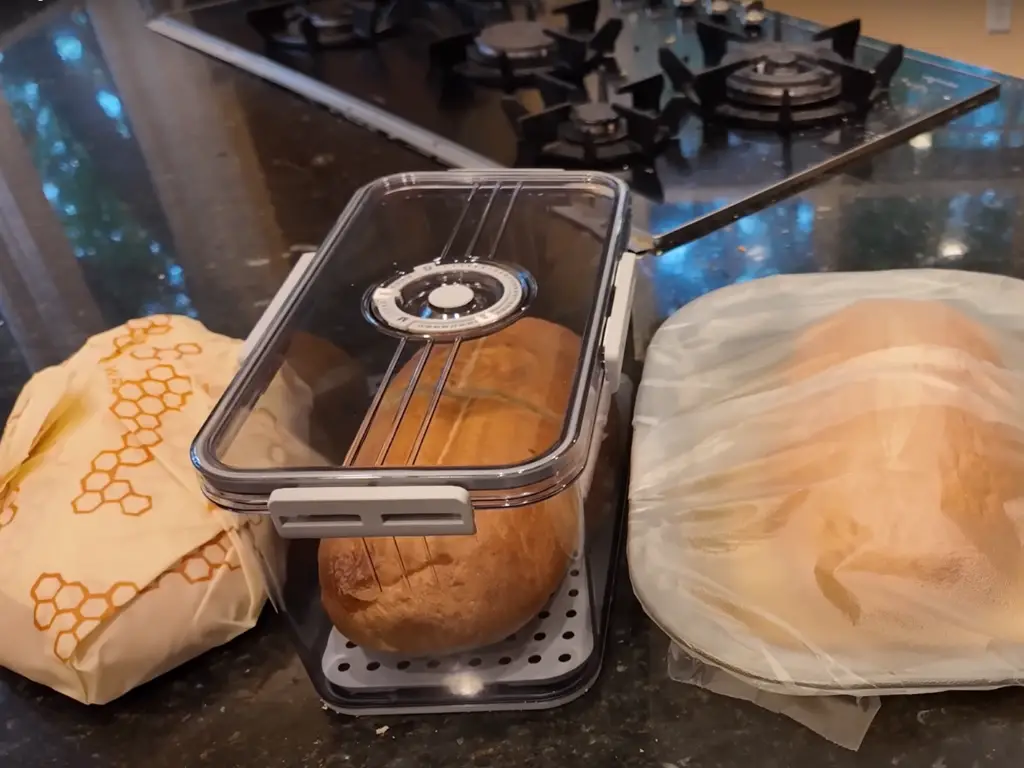
Moisture Retention: What Container Wins?
Bread keeps going stale because of the continuous depletion of moisture. When a loaf of bread is taken out of the oven, the water in the bread starts to dehydrate, leaving the interior, going to the outside, and then evaporating. When dehydrated, crumb becomes harder and loses its texture. It is crucial for the bread holder to preserve the most important ingredient, which is water.
A good thing about the design of a bread bin (or breadbox) is that it serves as a much more closed container than a bread bag. It helps to trap moisture that the bread emits, enabling the formation of a localized microclimate. The increase in moisture within the microclimate lowers the air vapor pressure and retards the rate of moisture evaporation from the bread box, in turn aiding in bread moisture retention. Nevertheless, factors like the box material and lid closure tightness affect water retention enablement. Loosely sealed boxes allow for increased air exchange thereby leading to greater loss of moisture in comparison to a firmly sealed box.
On the other hand, the bag a loaf of bread comes in, usually either cloth or plastic, is much less controlled. While it does provide some resistance to the open air, it is much more porous than a bread box. Cloth bags, though breathable, can also evaporate moisture much more efficiently. If plastic bags are sealed tightly, they capture moisture. However, which creates a less than favorable outcome, which we will get to in a moment, and that is crust turning soft.
To go beyond theory, we did a 7-day test of the same slices of sourdough in a traditional bread box, a breathable linen bag, and a non-breathable plastic bag. By Day 3, the findings indicated obvious moisture and texture trade-offs. The bread box was the most balanced, with 14 percent more weight of moisture than the linen bag. The linen bag, on the contrary, admitted of a better airing, but produced a much firmer and drier crumb. The plastic bag, although it was working well in trapping all the moisture, it lost all the crust integrity.
Maintaining the Perfect Crust: Box or Bag?
Artisan loaf aficionados pay equal attention to the crust of the bread as they do to the interior. The perfect crust is one which is crisp and snaps while the achieves providing a gentle interior. This is where subtle details regarding storage become extra important. Many individuals ignore these factors at times.
While it is true that a sealed bag is no doubt effective at maintaining moisture, it is effective at ruining crusts at the same time. The shredded moisture is steaming the crust which causes it to lose its desirable abilities to snap and turns chewy or even soggy instead. When bread is supposed to have a crisp crust, this outcome is sad.
The bread box’s design provides some degree of ventilation, which allows moist air to escape and prevents the bread crust from becoming too soft. By ensuring the surface isn’t overly moistened, it is able to maintain some crispness. The doughy portion of bread is kept moist while the crust is given an opportunity to breath. This type of ventilation is termed controlled, and it is necessary for there to be a sufficient amount of air flow to prevent the entire loaf from getting to dry, while also making sure that there isn’t too much air flow that will create the same issues as having a plastic bag.
A cloth bag makes it much easier for moisture to escape, which makes it easier to maintain a crust in moist environments. These types of fabrics are useful for allowing the crust to remain hard without getting too soft. However, if the environment is very dry, the crust has a higher chance of turning hard and losing its chewable softness.
Guarding Against Mold: A Crucial Factor
In addition to concerns of staleness and textural degradation, the appearance of mold is another challenging problem related to bread storage. Mold spores are all over the place, including the air we breathe. Given the right conditions, warmth and moisture, these tiny organisms are likely to take over a loaf of bread by making it unsuitable for consumption and dangerous for one’s health due to the mycotoxins that can be produced.
Bread boxes prevent excess mold because they have moisture which is required to aid in the growth of mold. The controlled environment within the box, plus a little evaporation, helps prevent excessive moisture. The crucial part is ensuring the box is dry before bread is stored in it. If it is not washed regularly, a bread box can accumulate crumbs which aid in the growth of mold and get out of control. Contained mold can lead to bread being stored inside it to be contaminated and suffer from mold.
Sealed plastic bags illustrate a curious scenario with regards to preventing mold. They do a fantastic job retaining moisture, which helps in stalling the bread from going stale. However, moisture is also trapped within the bags which creates a warm and humid environment, where mold spores can germinate and grow. Sealing a loaf of bread, especially if it is even slightly warm, along with some residual moisture in a plastic bag greatly increases the chances of mold developing at an accelerated rate.
Cloth bags can help regulate moisture level for the bread because they are breathable. However, if they are not cleaned frequently, these bags can also absorb moisture, creating an environment for mold spores to thrive.
In order to demonstrate a detailed background of the freshness factor, we shall revisit and revise our comparison table:
| Feature | Bread Box | Bread Bag (Cloth) | Bread Bag (Plastic, Sealed) |
| Moisture Retention | Generally good; creates a humid microclimate that slows down the rate of moisture loss from the crumb. | Less effective than a bread box; allows for greater evaporation of moisture, potentially leading to faster drying. | Can retain moisture very effectively, sometimes leading to a softer crust due to trapped humidity. |
| Crust Crispness | Helps maintain due to controlled, often slight, ventilation that prevents excessive moisture buildup on the surface. | Can maintain in environments with moderate humidity due to breathability; may lead to a harder crust in very dry conditions. | Often leads to a significant softening or even sogginess of the crust due to the trapping of moisture that steams the surface. |
| Mold Prevention | Generally good when the box is kept clean and dry; controlled atmosphere and limited direct airflow hinder spore proliferation. | Better than sealed plastic due to breathability, which prevents excessive humidity buildup; requires regular washing to avoid harboring mold spores. | Can significantly increase the risk of mold growth due to the creation of a warm, humid environment, especially with inadequate airflow. |
| Overall Freshness | Often provides the best overall balance of moisture retention for a soft crumb and controlled airflow for maintaining crust integrity. | Best suited for shorter storage periods and for breads where maintaining a very crisp crust is not paramount. | Best suited for very short-term storage when crust texture is not a primary concern, or specifically for freezing bread to prevent freezer burn. |
Material and Design Matters: How They Affect Freshness
Bread boxes and bread bags are also effective in terms of preserving bread and their usefulness highly relies on the material they are constructed of and their design.
Bread Boxes: Metal to Wood, Design Insights
Every material has its metallurgical advantages and deficiencies. For instance, metal (mostly stainless steel) boxes are comparatively easy to clean and more durable. Some believe that they do as good of a job as any in keeping external factors at bay. Wooden bread boxes not only give a rustic feel but also add charm to the kitchen while also providing some degree of insulation. There are ceramic and enamel bread boxes too, usually valued for their decorative appeal. Last but not least, plastic bread boxes are widely known for being the most cost-effective, although they are likely to differ in keeping moisture content.
There are details that matter. Some bread boxes are designed with ventilation holes or gaps which assist in air circulation and avert excessive moisture buildup. Others feature close-fitting lids which tend to seal off the air more effectively. Another aspect of the design concerns the proportions – a bread box must be spacious enough to contain the bread without squeezing it, while allowing a little air circulation around the loaf.
Bread Bags: Cotton, Linen, and Beyond
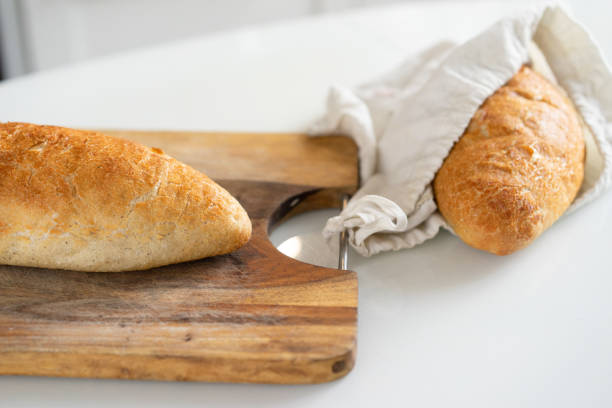
Just like every other product, bread bags are also available in a variety of materials. The most commonly used are the cotton and linen bags because they are highly breathable and made from natural fibers. Moreover, these bags are often reusable and easy to wash, making them great for the environment. Nevertheless, as previously pointed out, their breathability may not be favorable in extremely dry regions.
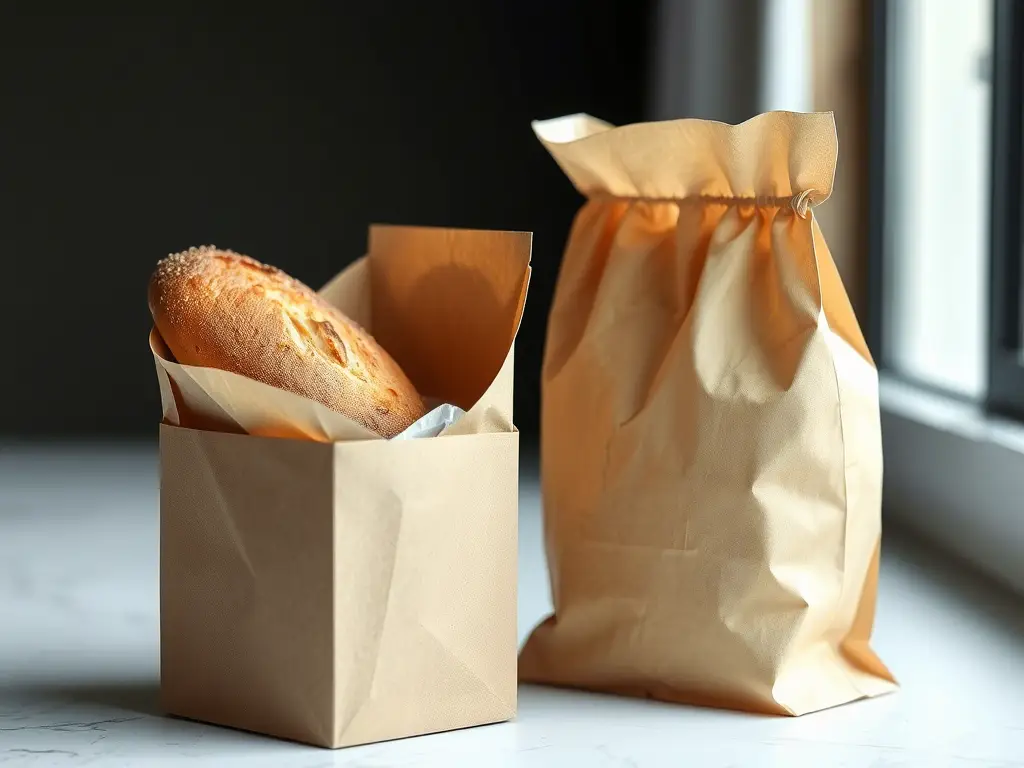
As a convenience, bakeries often select from specific types of paper bags which provide short term protection from external factors such as moisture and bacteria. Although standard paper bags are breathable, they are generally inappropriate for preserving bread for long periods of time. While trapping moisture is easier in plastic bread bags, be it the original packaging or a resealable bag, it is difficult to manage crust softness, and mold growth if not taken care of. Some modern bread bags are made with specialized materials that try to escape the tradeoff between moisture retention and breathability.
Pros and Cons: Bread Box Versus Bread Bag at a Glance
To make your choice a little easier, the following chart will summarize the main advantages and disadvantages of each choice:
| Feature | Bread Box | Bread Bag |
| Pros | – Better moisture retention (generally) | – More portable and lightweight |
| – Helps maintain crust crispness | – Takes up less storage space when not in use | |
| – Offers better protection for delicate loaves | – Can be more affordable | |
| – Can enhance kitchen aesthetics | – Suitable for short-term storage and freezing | |
| Cons | – Can be bulky and take up counter space | – Less effective at long-term moisture retention |
| – Generally more expensive | – May not protect crust as well | |
| – Requires cleaning | – Cloth bags need regular washing | |
| Best For | Daily home use and artisanal loaves. Ideal for sourdough or crusty breads where maintaining the balance between a soft interior and a crisp exterior is a priority. Great for kitchens with dedicated counter space. | Small kitchens and short-term needs. Perfect for those with limited space, for gifting fresh bakes, or for freezing bread. Best suited for softer loaves or bread that will be consumed within 1–2 days. |
Yoonpak’s Advantage: Sustainable Paper Bread Bags for Optimal Freshness and Branding
It is the same whether you are arguing about the structural safety of a bread box or the convenient portability of a bread bag, the point is to maintain that oven-fresh taste and to promote your brand. As one of the industry’s leading kraft paper bag manufacturers, we have spent 25 years perfecting this balance at Yoonpak for global leaders such as Burger King and Tim Hortons.
Our packaging solutions are the solution between high performance and sustainability. Our bags and boxes are made with 100% renewable materials, such as plant-based PLA and sugarcane, and have 100% leak-proof linings, and are printed with soy-based inks that are eco-friendly. Our certifications include BRC and FSC, FDA and LFGB, so your packaging is of the highest standards in the world in terms of food safety.
In addition to freshness, we make your packaging a mobile advertisement. With masterful customization, your bread will be a marketing tool that will bring your logo out of the bakery to the street. With a 1-year quality warranty, 24/7 professional assistance, and free samples, Yoonpak offers the assurance that you can rely on to make your brand as fresh as the bread you bake.
Finding the Right Storage to Your Bread Type
The trick to freshness is to keep the storage conditions consistent with the special biology of your loaf.
In the case of artisan and sourdough loaves, which have thick and crackly crusts, the aim is to ensure a fine balance between moisture and airflow. The best option in this case is a breathable paper bag or a quality bread box. These techniques permit sufficient gaseous exchange to maintain the interior crumb moist without excessive absorption of humidity by the crust. It is wrong to keep these loaves in plastic because it will keep the moisture on the surface and in a short time, a hard crust will be transformed into a rubbery and unattractive shell.
A paper bag or a wooden bread box is the gold standard when it comes to homemade bread, although the packaging container is not as important as the time of packaging. Homemade loaves are very susceptible to condensation since they do not contain industrial stabilizers. The loaf should be left to cool on a wire rack at least two or three hours before it is packed away. When you package it even a little warm, the steam trapped inside will form a greenhouse effect, resulting in a mushy texture and the ideal habitat of mold.
Store-bought sliced bread, on the contrary, does well in the same environment that destroys artisan loaves. These breads are developed using emulsifiers and preservatives that ensure that the starch remains soft in an airtight environment. The original plastic packaging is in fact their greatest protection against drying out since they do not have a protective hard crust. The ventilation offered by a bread box in this particular case has little value and may in fact make the slices go stale quicker. A refrigerator or a freezer is much more efficient than a bread box in long-term storage, the low temperature (freezing) or closed environment (refrigeration) is used to store the bread, and the chemistry of the bread is used to inhibit spoilage.
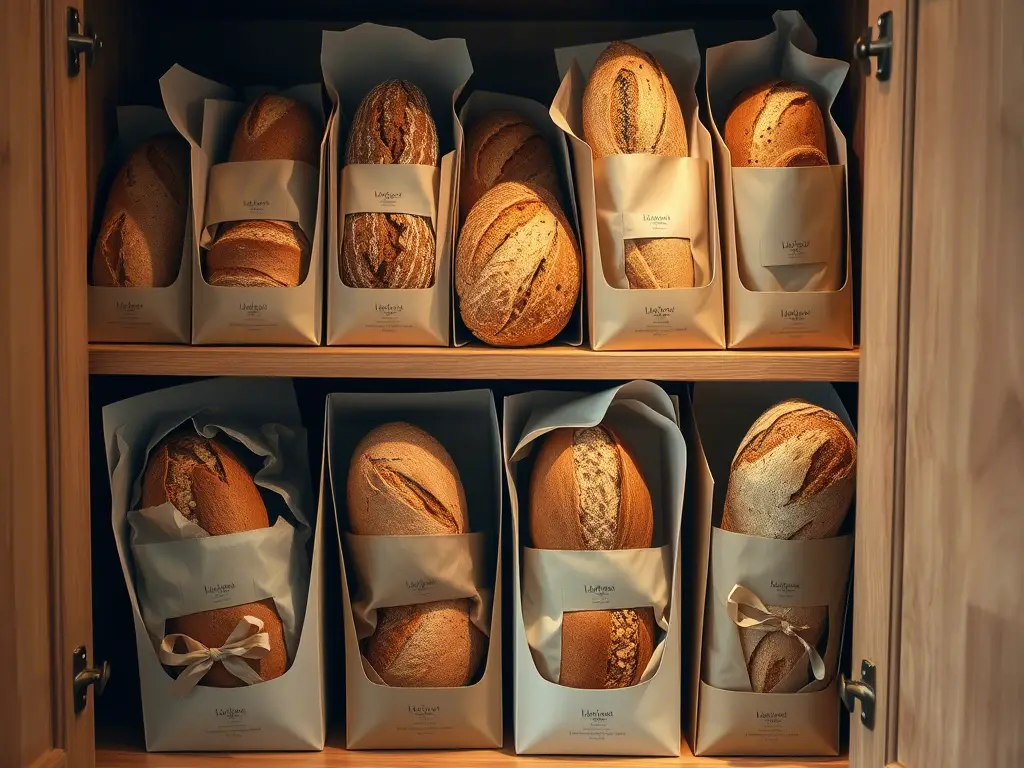
How Your Local Climate Changes the Storage Game?
The environment of your kitchen is a significant consideration in the performance of a bread box or a bag. In order to prevent disappointment, you need to modify your storage plan depending on the atmospheric conditions of your area.
- Humid Areas: A bread box can be a liability in the coastal areas or during the monsoon or plum rain seasons. It may become a breeding ground of molds without appropriate air circulation. When you are in a humid place, find a bread box with holes that can be adjusted to the ventilation. Instead, a breathable fabric bag could be a better option, since it will not allow the moisture to accumulate around the loaf.
- Dry Regions: When you are in the inland regions or when you are using indoor heating that removes moisture in the air, your bread will become a rock overnight. A bread box is your best in such circumstances. One of the tricks that a grandmother would use in such a setting practically is to put half an apple or a small stick of celery in the bread box. The moisture that the produce gives off will gradually be absorbed by the bread, and the bread will last an extra 24 to 48 hours without adding moisture to the bread to the extent that it will develop mold.
Hygiene Secrets: Keeping Your Storage Mold-Free
It is also important to keep the storage environment sterile to ensure that bread lasts longer, and even the most effective container cannot prevent the development of molds in case it contains some hidden contaminants. The main source of mold spores is old crumbs, they retain moisture and serve as a food source to the growth of fungi. Cleaning them every week will help to avoid cross-contamination of your fresh loaf.
Diluted white vinegar is used to maintain the sterility of your bread box. This is a natural, food-safe disinfectant that is effective in killing spores without leaving behind any harsh chemical residues or smells that bread readily picks up. The environment will be sterile with a quick wipe-down at least once a week. In case you use fabric bags, never wash them using scented detergent. Bread is very porous and therefore will absorb the floral or soapy flavors of the cloth very easily. Lastly, make sure that any bag is completely dry before using again, because any moisture left in the fibers is an open invitation to the mould to take up residence in your next loaf.
Beyond Storage: Other Tips for Keeping Bread Fresh Longer
Regardless of whether you opt for a bread box or a bread bag, there are many important considerations and methods that can greatly affect the duration of the bread’s freshness.
- Cool Completely Before Storing: This is a fundamental rule. Always make sure that your bread is cooled down to the point of room temperature before it can go into any container. If warm bread is stored, it will release moisture which, when condensed inside the box or bag, could turn into an environment that is mold friendly, as well as speeding up the staling process.
- Whole Loaves Stay Fresher: Ucut, whole loaves of bread seems to stay fresher longer than pre-sliced bread. The loaf, with the crust whole, acts like a protective barrier, which prevents the inner crumb from drying out. If purchasing or baking sliced bread, do your best to keep the cut edges as close together as possible.
- Room Temperature is Generally Best: In most cases, bread should be stored at room temperature, unless specific instructions are given otherwise for certain types of bread, or if the weather is excessively hot and humid. It may seem illogical, but refrigerating bread actually speeds up the rate at which starch leaves a gelatinization state, causing the bread to stale faster.
- Avoid Direct Sunlight and Heat: To maintain the freshness of your bread, keep it in a cool, dry place, while ensuring that toaster ovens or sunlight are not directly near. When bread is exposed to both heat and sunlight, it can dry out quickly and lose its quality.
- Freezing for Extended Storage: If you know that you won’t be using your bread for a few days, freezing your bread is a great solution to keeping it fresh for a longer time. To freeze bread, wrap it tightly in a plastic wrap or a foils to prevent freezer burn and place it inside the freezer bag or airtight container. Once you want to use the bread, simply take it out and let it thaw either at room temperature or in the oven.
- Clean Your Storage Regularly: Whether you decide on a bread box or stick with bread bags, you should make it a point to clean both options on a regular basis. For a bread box, wipe its interior parts to get rid of bread crumbs and any possible bacteria. As for a reusable cloth bag, try washing it as often as possible with soap and hot water to get rid of any possible vapor.
- Consider the Type of Bread: Not all breads are equal when it comes to shelf life and storage necessities. Sourdough bread definitely has a longer shelf-life compared to enriched white bread because it has higher acidity. It is much easier to figure out the best way to store bread if you understand its characteristics.
Conclusion
Whether it is a bread box or a bag, it all depends on the personal preference of the person, needs and the kind of bread that he/she normally consumes. A bread box would be very much appropriate to you in case the aesthetics of your kitchen countertop, long term storage and preserving the crust of artisan loaves is what you desire. But when it comes to short term practicality, space saving and portability, then a bread bag would be a better option.
Yoonpak provides paper bread bags and boxes that are ideal to businesses within the food service sector that require reliable and environmentally friendly packaging solutions. Our focus on quality, customization, and environmental awareness makes them an excellent partner in terms of delivering your bread products to customers fresh, as well as, improving brand image. Considering these factors and your personal circumstances, you will be able to choose the most suitable bread storage that will enable you to enjoy fresh bread longer and easily.
FAQ
Q: Which is better bread bag or bread box?
A: It depends on the type of bread: a bread box is better at keeping the bread with its crusty texture intact, whereas breathable bags (such as linen or Yoonpak paper bags) are a space-saving, hygienic, and environmentally friendly option to use on a daily basis.
Q: Does bread keep better in a bread box?
A: Yes, since a bread box forms a micro-climate that is neither too moist nor too dry, the inside of the box remains soft, yet there is enough airflow to prevent the crust on the box becoming soft or mouldy.
Q: What is the most appropriate container to store bread?
A: Homemade or artisan bread should be stored in a ventilated wooden box or a good paper bag, which gives the best airflow; soft store-bought sliced bread should be stored in a sealed plastic bag to preserve as much moisture as possible.
Q: How do you store bread in the healthiest way?
A: The most healthy approach is based on the prevention of molds and chemical safety: a breathable, food-grade paper bag or a clean bread box will prevent the formation of moisture, and bread should never be stored in the refrigerator, which will cause it to stale faster due to retrogradation of starch.


 English
  German
  Spanish
  Italian
  Dutch
Dutch  French
  Portuguese
  Russian
  Arabic
  Korean